Your Seasonal Roof Maintenance Checklist Southern California Homeowners Need
Your roof is your home’s first line of defense against the elements. In Southern California, those elements shift dramatically from season to season. The same roof that bakes under relentless summer sun one month faces Santa Ana winds the next. Followed by winter rain that tests every flashing, seal, and gutter on your property. Without a seasonal roof maintenance checklist Southern California homeowners can follow, you are leaving your biggest investment to chance. This guide walks you through exactly what to inspect, clean, and repair each season so your roof stays strong year after year.
Schedule your professional roof inspection today with Cert-A-Roof’s NRCIA-certified inspectors. Early detection saves thousands in repair costs.
Cert-A-Roof has served Southern California homeowners for over 30 years, completing more than 75,000 inspections. Our NRCIA-certified inspectors know exactly what local weather patterns do to roofing materials. And we have built this seasonal checklist to help you protect your home on your own schedule. Whether you handle basic tasks yourself or call in a professional. Knowing what to do and when makes all the difference between a roof that lasts decades and one that needs costly repairs years ahead of schedule.
Think of this guide as your year-round companion. Each season has a dedicated section with clear tasks you can complete in an afternoon, plus guidance on when it is time to bring in a certified professional. By the time you finish reading, you will have a complete maintenance rhythm that fits Southern California’s unique weather patterns.
Seasonal Roof Maintenance Checklist Southern California: Why Southern California Roofs Need a Seasonal Approach
A seasonal roof maintenance checklist Southern California homeowners can trust addresses each season’s distinct challenges. Summer brings intense UV exposure that dries out asphalt shingles, causes tile coatings to fade, and accelerates the aging of flashing seals. By late summer, Santa Ana winds arrive with gusts that can lift shingles, dislodge tiles, and scatter debris. Then winter rains test every inch of your roofing system, with atmospheric river events delivering several inches of rain in 24 to 48 hours. Breaking your roof care into four seasonal checkpoints lets you catch problems early when professional roof repair services can fix them affordably. Regular inspections can extend your roof’s lifespan by years and help you avoid emergency repairs during a storm.
Cert-A-Roof recommends professional inspections at least twice per year, once in spring and once in fall. Our NRCIA-certified inspectors evaluate every component from shingles to flashing to attic ventilation. We have served Orange County and 60-plus cities across Southern California for more than three decades. Explore our professional roof maintenance services to see how we can help you build a year-round protection plan.
Spring Roof Maintenance: Inspect, Clean, and Repair
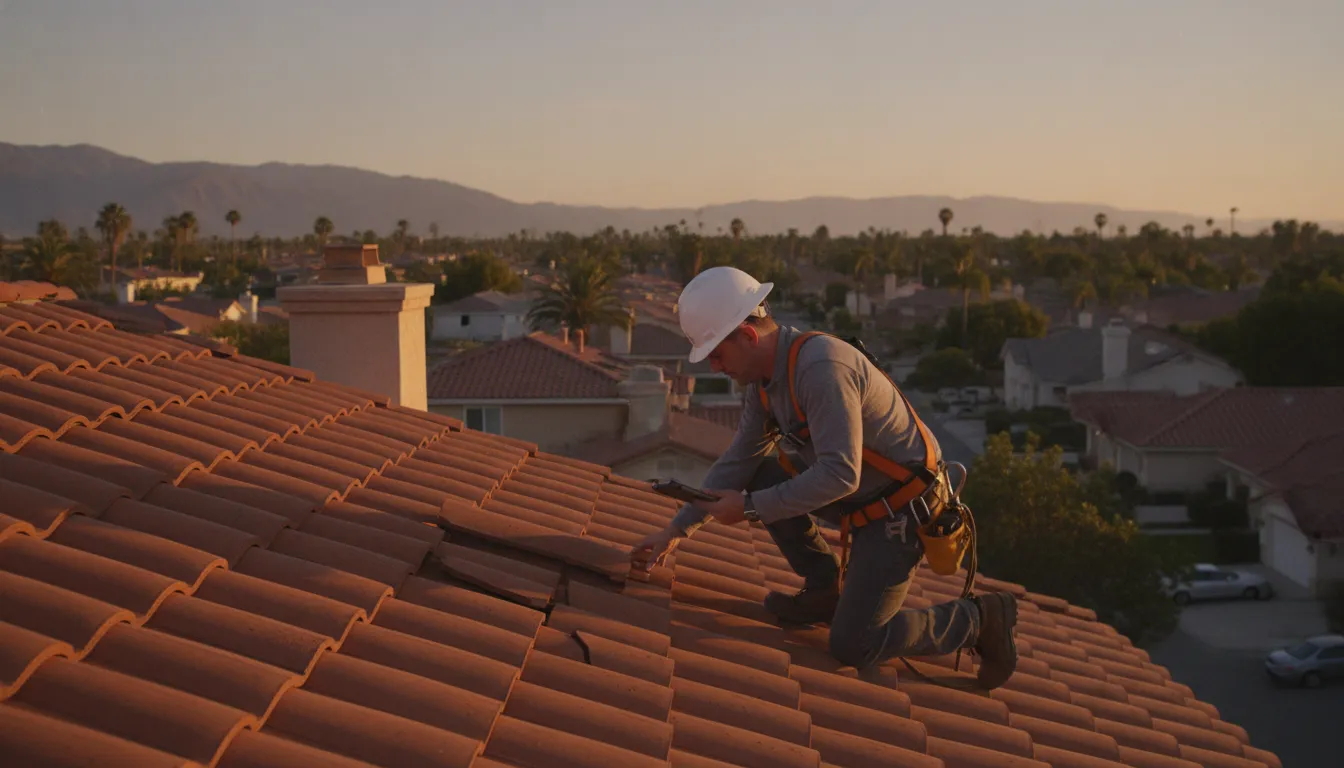
Spring is the ideal time to assess how your roof held up through the winter rainy season. Once the last storm has passed, a thorough inspection can catch damage before the summer heat sets in and makes repairs harder. Start with a visual inspection from ground level using binoculars. Look for missing, cracked, or curled shingles. Check for broken or displaced tiles, especially in areas where wind exposure is highest. Examine gutters and downspouts for granules shed by aging shingles. Inside your home, check ceilings and attic spaces for water stains, mold, or damp insulation.
What to Look For After Winter Rains
Winter storms can leave behind debris, damaged flashing, and concealed leaks that only become apparent when temperatures rise. Focus on these five areas during your spring inspection: shingle and tile condition, gutter integrity, flashing around chimneys and vents, attic moisture signs, and downspout drainage. Catching problems now prevents them from compounding during the dry season.
Clean Gutters and Clear Debris
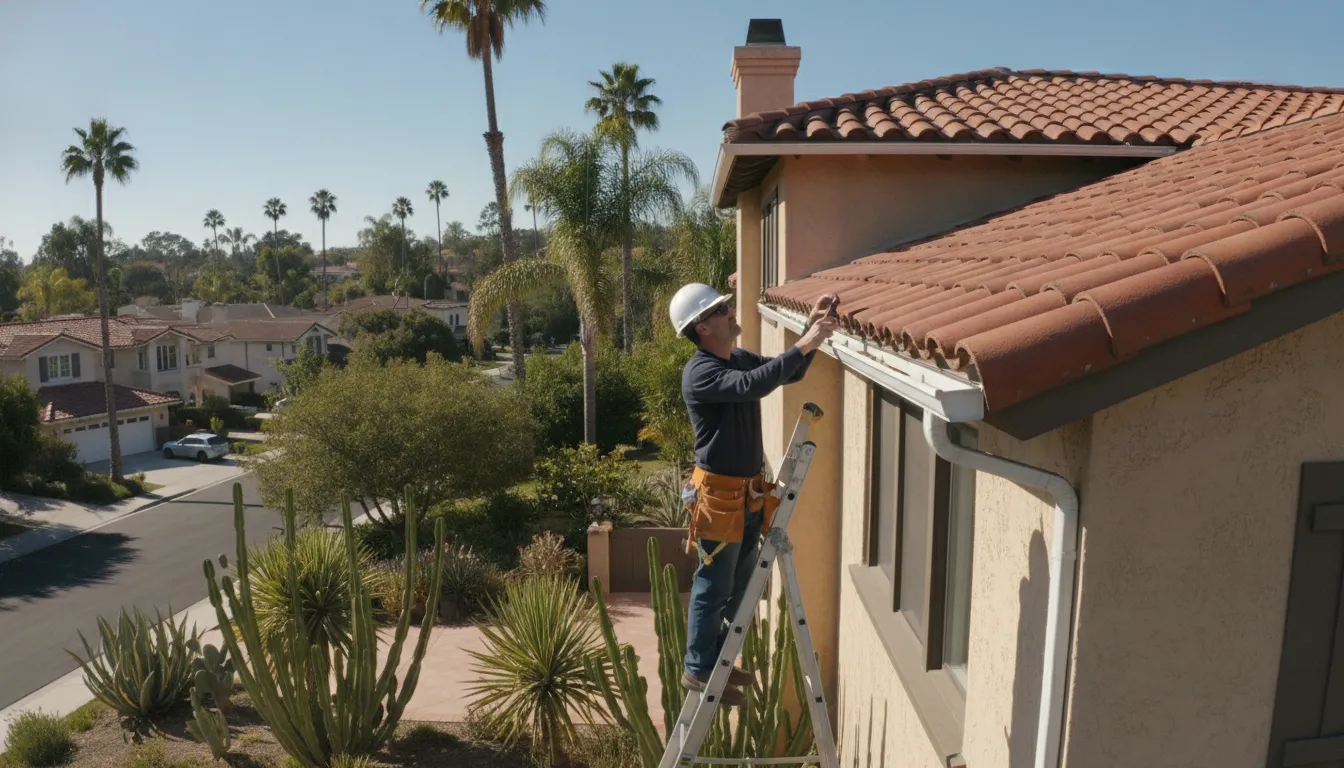
Winter storms leave branches, leaves, and dirt in gutters and on the roof surface. Clogged gutters trap moisture against the fascia board, leading to rot. Clear all debris and confirm that downspouts drain freely away from the foundation. Pay special attention to valleys where two roof planes meet.
Schedule Your Professional Spring Inspection
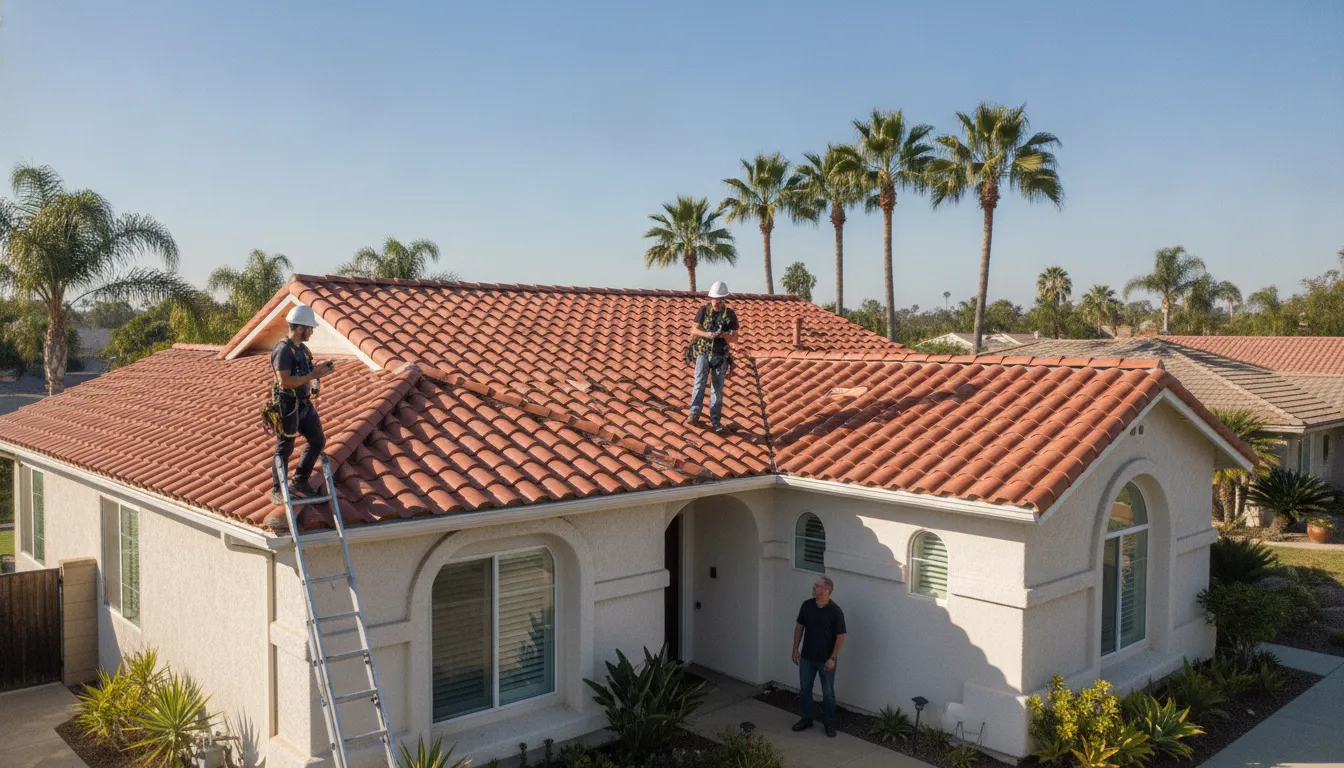
A professional spring inspection is the industry gold standard. A trained inspector walks the roof surface, checks flashings around chimneys and vents, evaluates the attic for ventilation and insulation issues, and documents the roof’s condition with photographs. At Cert-A-Roof, we provide a detailed electronic report within 24 to 48 hours with recommendations for any needed repairs. Schedule a comprehensive roof inspection to start your seasonal maintenance cycle on the right foot.
How Does Summer Heat and UV Exposure Affect Your Roof?
Southern California summers deliver intense, prolonged sun exposure that accelerates the breakdown of asphalt shingles, fades tile coatings, and dries out sealants that keep your roof watertight. Reflective roof coatings can reduce surface temperature significantly by bouncing sunlight away rather than absorbing it, which lowers cooling costs and reduces thermal stress. Attic ventilation is equally important, as trapped hot air raises the temperature of the roof deck from below and accelerates shingle deterioration.
Inspect for Heat-Related Damage
Walk the perimeter of your home and look for signs that heat is affecting your roof. Blistered or curled shingles, cracked tiles, and brittle flashing seals all indicate UV damage. Check the seal around skylights and roof penetrations, as these areas dry out fastest in direct sun.
Prepare for Santa Ana Winds
Santa Ana wind season can begin as early as August in Southern California. Before the winds arrive, secure loose items on your roof, inspect for loose shingles or tiles, and trim overhanging branches. A proactive check now prevents wind damage that could turn into a leak during the first winter rain. Read our guide on proper roof ventilation for Southern California homes for more detail on keeping your attic cool during summer.
Fall Roof Preparation: Get Ready for Rain Season
Fall is a key time for home care in Southern California. The dry heat of summer gives way to Santa Ana wind season, which can loosen shingles and blow debris onto your home. Getting ready now helps you avoid leaks when winter rains arrive. Following this seasonal roof maintenance checklist Southern California sequence will give you confidence heading into the wettest months.
- Clear Away Debris and Check Gutters. Remove leaves, branches, and dirt from the roof surface and gutters. Santa Ana winds scatter debris that traps moisture against shingles and tiles. Clean gutters ensure winter rain flows freely away from your foundation.
- Inspect and Repair Flashing. Check flashing around chimneys, skylights, vents, and roof-to-wall transitions. Summer heat can dry out and crack sealants. Reseal any gaps, especially where different roof materials meet.
- Trim Overhanging Branches. Santa Ana winds can turn tree limbs into projectiles that damage shingles and tiles. Keep branches at least six feet from the roof surface to reduce damage risk and debris accumulation.
- Schedule Your Professional Pre-Winter Inspection. A fall professional inspection is your best defense against winter storm damage. An NRCIA-certified inspector evaluates the entire roof system to ensure your roof is ready for rain season. Book in September or early October.
- Document Roof Condition. Take photos of your roof before winter arrives. This baseline documentation is valuable for insurance claims if storms cause damage later.
For more detail on identifying problem areas, see our guide on signs of roof flashing failure.
What Should You Do for Winter Roof Maintenance in Southern California?
Southern California winters are mild compared to most of the country, but the region still receives significant rainfall that can exploit any weakness in your roofing system. When rain is in the forecast, confirm that gutters and downspouts are clear. A single blocked downspout during a heavy storm can push water behind the fascia and saturate rafter tails. Walk the perimeter during steady rain and look for water overflowing from gutters or pooling near the foundation.
Monitor Drainage During Rain Events
Flashings around chimneys, skylights, vents, and roof-to-wall transitions are the most common leak points. Winter temperatures can cause sealants to shrink and crack. If you notice peeling paint, rust stains, or visible gaps around flashing, schedule a professional evaluation. See our guide on roof flashing failure signs for more detail.
Watch for Ponding Water on Flat Roofs
Flat and low-slope roofs are especially vulnerable during winter rain. If water pools on the surface for more than 48 hours after a storm, the standing weight can stress the membrane and lead to leaks. Remove debris blocking roof drains and schedule a professional evaluation if ponding persists. Cert-A-Roof offers 24/7 emergency roof repair for storm damage. Read our article on how often to schedule roof maintenance and our guide on temporary roof leak repair steps for more details.
Can You DIY Roof Maintenance or Do You Need a Professional?
Not every roof maintenance task needs a professional. Knowing which jobs you can safely do yourself and which require certified expertise keeps your roof in top condition without wasted time or risk. Homeowners can safely perform ground-level inspections, clean gutters from a stable ladder, and trim small branches. However, walking the roof surface, repairing flashing, and providing comprehensive NRCIA-certified evaluations should always be left to a licensed professional. Cert-A-Roof offers FAA-registered drone inspections for fragile tile roofs or steep pitches that capture detailed imagery without walking on the roof surface.
| Task | DIY Safe | Best Left to a Professional |
|---|---|---|
| Visual ground-level inspection with binoculars | Yes | |
| Gutter and downspout cleaning | Yes, with a stable ladder | |
| Trimming overhanging tree branches | Yes, for small branches | Large or high branches |
| Documenting roof condition with photos | Yes | |
| Inspecting attic for leaks and ventilation | Yes | |
| Walking the roof surface for inspection | Always professional | |
| Inspecting fragile roofs (clay tile, slate, steep slopes) | Always professional; drone inspection available | |
| Comprehensive NRCIA-certified inspection | Cert-A-Roof certified inspectors | |
| Repairing flashing, sealants, or shingles | Licensed roofing contractor | |
| FAA-registered drone roof inspection | Cert-A-Roof drone service | |
| Storm damage assessment and insurance documentation | Forensic roof inspection |
When to Call Cert-A-Roof
A professional NRCIA-certified inspection covers areas that a ground-level check cannot reach. Our inspectors evaluate shingles up close, examine flashings around every roof penetration, check attic conditions, and provide a complete electronic report within 24 to 48 hours. Schedule a professional inspection at least twice per year, even if your DIY checks find nothing. Small issues invisible from ground level can be caught early by a trained eye, saving thousands in repair costs. Contact us to request a roof inspection estimate for your home.
Frequently Asked Questions
What should a seasonal roof maintenance checklist include?
A complete seasonal roof maintenance checklist for Southern California includes spring inspection and gutter cleaning, summer UV protection checks and attic ventilation review. Fall debris removal and flashing repairs before winter rains, and winter drainage monitoring and moisture inspection during rain events. Each season targets the specific challenges that SoCal weather presents.
How often should you schedule roof maintenance in Southern California?
Twice per year is the industry standard. Schedule a professional roof inspection once in the spring to address any winter damage and prepare for summer heat. And once in the fall to clear summer debris and ready the roof for winter rains. Additional inspections are recommended after severe storms or wind events.
What are 5 items that regularly scheduled roof maintenance will check?
A professional roof maintenance visit checks five key areas: shingles and tiles for damage or wear, gutters and downspouts for clogs and proper drainage. Flashing and seals around chimneys vents and skylights, attic ventilation and insulation, and the overall drainage system to ensure water flows away from the roof surface effectively.
How do Santa Ana winds affect roofs?
Santa Ana winds can lift and damage shingles, dislodge roof tiles, and blow debris across the roof surface, creating points where water can enter. High winds can also snap overhanging branches and drop them onto the roof. Pre-wind season inspections in late summer help identify and secure loose materials before the winds arrive.
Can you DIY roof maintenance or do you need a professional?
Homeowners can safely perform ground-level visual inspections with binoculars, clean gutters from a stable ladder, trim small overhanging branches, and check the attic for signs of leaks. However, walking the roof surface, inspecting fragile roofing materials, repairing flashing, and providing comprehensive NRCIA-certified evaluations should always be left to a licensed professional roofing contractor.
Is there a roof maintenance checklist printable I can use?
This seasonal roof maintenance checklist for Southern California can be used as your reference guide throughout the year. For a more detailed inspection that covers every component of your roof, schedule a professional NRCIA-certified inspection with Cert-A-Roof. Our inspectors provide a complete electronic report with photo documentation within 24 to 48 hours.
Schedule Your Seasonal Roof Maintenance Inspection Today
Your roof works hard every season to protect your home. A consistent, seasonal maintenance approach is the smartest way to extend its lifespan, prevent expensive emergency repairs, and maintain your peace of mind. Whether you need a spring checkup after winter storms or a fall inspection before the rains arrive, Cert-A-Roof’s NRCIA-certified inspectors are ready to help.
Call us at (888) 766-3800 to schedule your professional roof inspection. Our team serves Orange County, Los Angeles, San Diego, Riverside, San Bernardino, and 60-plus cities across Southern California.

Comment (0)