Professional Roof Leak Detection: How Experts Find Hidden Water Damage
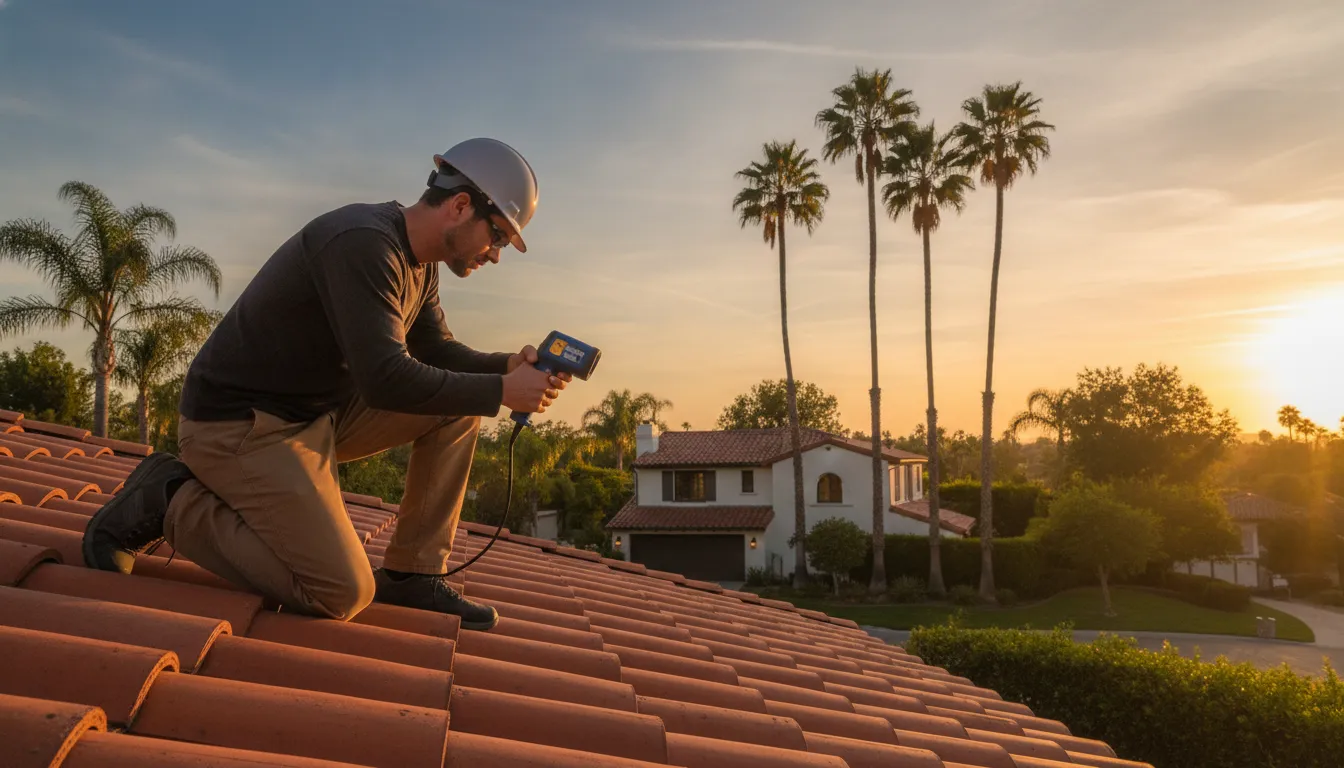
A single water stain on your ceiling may signal a problem far worse than a roof leak. Water can enter through a cracked vent boot, failed flashing, or broken tile and then travel along rafters, behind walls, and through insulation before it ever becomes visible. By the time you spot a drip, the actual entry point may be several feet away. This is why professional roof leak detection relies on scientific tools and forensic methodology rather than guesswork. Certified inspectors use infrared thermal imaging, electronic moisture meters, and systematic diagnostic protocols to trace water back to its exact origin without invasive tearing or unnecessary damage. Unlike a basic visual inspection that only catches surface problems, a forensic approach examines installation quality, structural integrity, and building code compliance to identify the root cause of every leak.
Schedule your professional roof leak detection today. Call (888) 766-3800 or request an inspection online to stop hidden water damage before it spreads.
Why Does Professional Roof Leak Detection Matter?
Professional roof leak detection uses scientific tools and systematic methods to find the exact source of hidden water entry. Unlike standard visual checks, this approach identifies moisture traveling behind walls, along rafters, and through insulation layers before visible damage appears. Certified inspectors follow forensic protocols to trace water from the visible stain back to the true entry point on the roof surface, preventing costly mold growth and structural rot.
The challenge of hidden water travel
Water rarely enters a home and drops straight down. It often finds a small gap in the roof and moves along wood beams or rafters. It can travel behind walls or across ceilings before you see a wet stain. This makes it very hard for a person to find the real source of a leak. Experts call this moisture travel.
Professional roof leak detection looks past the signs you can see. A small drip in your living room might start ten feet away on the roof. If you only fix where the water shows up, you miss the real cause. This leads to more damage and wood rot over time. Deep tools help experts find where the water starts. Tracing the path of water is key to a long-term fix.
Expert tests versus standard checks
A basic roof check looks for clear holes or missing tiles. These checks help but often miss hidden spots. A professional test is like a detective’s work. It uses tools to find wet spots that your eyes cannot see. Experts look for the root cause of every leak instead of just fixing the signs.
Cert-A-Roof has completed more than 75,000 roof inspections across Southern California. Our methods follow the professional roof inspection checklist and include a three-point check for every home:
- A full search of the attic for wet wood or mold.
- An interior check of ceilings and walls for stains.
- A rooftop test to find worn tiles or failed seals.
This deep check makes sure we find and fix every leak fast. We focus on finding the root cause through a forensic study of your roof.
Benefits of using advanced tools
Experts use safe tools to find leaks without hurting the roof surface. For example, heat scans can spot wet areas because they hold heat differently than dry ones. The National Institute of Standards and Technology has studied these techniques for decades. Research confirms that thermal imaging can detect moisture across large roof areas quickly and accurately.
These tools save you money by finding leaks early. If you wait until a leak is big, the repair cost goes up. You might also have to deal with mold or rot in your walls. A pro can find a leak before it ruins your ceiling or your home’s frame. In Southern California, the sun and heat can wear down roofs in odd ways. Good leak detection keeps your home safe and dry for years to come.
Infrared Thermal Imaging: Seeing the Invisible
Infrared thermal imaging detects trapped moisture by capturing temperature differences on the roof surface. Wet insulation retains heat longer than dry materials, creating a visible thermal pattern that trained inspectors can map. This non-destructive method, governed by the ASTM C1153 standard, allows professionals to locate hidden water pockets without cutting into the roof deck or disturbing the roofing system.
When you need professional roof leak detection, your pro may use an infrared tool to see more than the human eye. This tool does not take normal photos but captures heat patterns on your roof. By looking at these maps, experts can find water trapped under the roof without making a cut. This method is a key part of a professional roof inspection checklist for homes and firms.
How heat reveals hidden moisture
Infrared tools work by finding heat gaps on the roof. During the day, the sun heats up every part of your roof. When the sun goes down, the roof starts to cool. Dry areas lose heat fast, but wet insulation is not the same. Water has a high thermal mass. This means it holds onto heat for a long time. As a result, wet spots stay warm well after the rest of the roof has cooled down.
Experts call this a thermal bridge. The tool sees the warm, wet insulation as a bright hot spot against the cool, dry roof. These thermal images show up as a monochrome map of radiation strength that shows the shape of the leak. By tracking these shapes, a pro can find the leak source. Often, water starts feet away from where you see a drip inside your home.
Standards for infrared inspections
A true pro does not just point a tool and guess. They follow strict rules to ensure the data is right. The field standard for this work is ASTM C1153. This rule tells how to find wet insulation using infrared tools. It asks pros to verify what they see. They might use a moisture probe or take a small sample to confirm what the tool finds. This step ensures that a hot spot is really water and not just a warm vent or metal part.
Following NRCIA guidelines, Cert-A-Roof integrates these standards into every roof inspection to ensure compliance and accuracy. Our inspectors are trained in the latest infrared diagnostic techniques to provide reliable results for Southern California homeowners.
The best time for a thermal scan
To get the best results, timing is key. Most thermal scans happen at night or just after the sun sets. This is when the heat gap between wet and dry areas is most clear. A clear sky and low air moisture also help the tool get better data. Thermal images depend on how much energy a material emits compared to nearby space. If there is too much wind or rain, the heat patterns can become blurred.
Using these tools takes skill and training. If you have a leak that you cannot find, you should call a certified roof leak repair specialist. They have the right gear to see through the roof and find the root cause of your water damage.
Electronic Moisture Detection Tools: How They Work
Electronic moisture detection tools use electrical signals, neutron counts, and resistance measurements to locate trapped water inside roof systems. Three primary device types impedance scanners, nuclear moisture gauges, and pin meters each serve a distinct purpose in the moisture mapping process. These non-destructive tools follow industry standards such as ASTM D7954, ANSI/SPRI/IIBEC NT-1, and ASTM D7438 to provide accurate moisture readings without damaging the roof structure.
Professional roof leak detection often starts with tools that find what the eye cannot see. Experts use three main types of electronic tools to find hidden water. These devices help technicians map out the full extent of a leak without having to tear apart your roof first. By using these devices, a certified roof leak repair specialist can find exactly where moisture is trapped inside the roof system.
Electrical impedance scanners
Electrical impedance scanners are common non-destructive tools for roof surveys. These devices send a low-frequency signal into the roof to measure how well it conducts electricity. Wet materials conduct electricity much better than dry ones. Technicians move the scanner across the roof surface to find areas with high moisture levels. This method follows the ASTM D7954 standard, which governs the use of impedance scanners for moisture surveying.
Nuclear moisture gauges
Nuclear moisture gauges provide a deep look into the roof layers. These tools, such as the Troxler gauge, use a small radioisotopic source to emit neutrons. When these neutrons hit hydrogen atoms in water, they slow down. The gauge counts these slow neutrons to find how much water is present. The ANSI/SPRI/IIBEC NT-1 standard covers the use of these nuclear methods to locate latent moisture. These gauges are very accurate for thick roof systems with many layers.
Moisture resistance meters
Resistance meters, often called pin meters, use two metal pins that push into the roof material. These meters measure the flow of electricity between the pins to find the moisture content. Pin meters give a quick look at the moisture levels in a specific spot. But for a full and reliable report, the readings from these hand-held meters need to be compared to a gravimetric analysis. This step ensures that the data is accurate before any repair work starts.
| Tool Type | Method | Best Use Case | Standard |
|---|---|---|---|
| Impedance Scanner | Electrical Signal | Large Area Mapping | ASTM D7954 |
| Nuclear Gauge | Neutron Count | Multi-Layer Roofs | ANSI/SPRI/IIBEC NT-1 |
| Pin Meter | Resistance Pins | Spot Verification | ASTM D7438 |
Mid-article CTA: Is your roof hiding water damage? Call (888) 766-3800 now to speak with a leak detection expert and schedule your inspection.
The Forensic Roof Inspection Process: Step by Step
The forensic roof inspection process combines interior assessment, attic examination, and rooftop evaluation into a systematic seven-step protocol that traces water from visible damage back to its original entry point. This method goes beyond surface-level checks to analyze installation quality, structural integrity, and building code compliance. Certified inspectors use this approach to produce detailed reports accepted by insurance companies and financial institutions.
Expert roof leak search is more than finding a drip. It is about knowing how water moves through a house. Water often pools far from the leak source. Our forensic search tracks these paths to find the real hole. This method ensures the source is fixed for good.
The three-point check plan
Our team follows a strict three-point check plan. This looks at your home from the inside out. We start with an inside check. We look for paint peels or water marks on ceilings to see where water pools. Next is the attic study. The attic is the best place to see the bottom of the roof. We look for damp padding or stains on the wood to find slow leaks before they reach your rooms. The final part is the rooftop check. We climb up to check every detail. We look at the tiles, shingles, and metal flashings. We check for weak spots in the frame as part of our professional roof inspection services. This three-point check gives a full picture of your roof’s health.
Advanced testing tools and findings
We use tools that see things people miss. Thermal cameras show heat changes on the roof surface. Wet areas stay warm or cold longer than dry ones. These cameras are part of non-destructive tests for modern roofs. We also use moisture meters. These tools give us data on how much water is in a part, which is better than guessing. Our forensic search checks if your roof was set up to code. Poor work can lead to leaks, so we check the strength of the roof as well. This level of detail is needed for property loss claims. It gives you the proof you need for your insurance firm.
Fast reports with VisualRoof tools
We know that a roof leak is a big worry. That is why we aim for a fast report wait time. You will get your full report in 24 to 48 hours. Our VisualRoof system makes reports easy to read with clear photos of every problem found. It also lists the exact steps needed to fix the leak. The report is a formal file based on NRCIA rules and is accepted by banks and insurance firms. It provides a clear path forward for your roof repair services.
- Initial review. We look at house records and past repairs to know what to look for on your roof type.
- Inside check. We scan walls and ceilings with heat tools to find hidden water damage behind drywall.
- Attic study. We check rafters and the bottom of the roof for any signs of water entry or musty smells.
- Rooftop check. Our team checks valleys, vents, and flashings for any cracks or holes on the outer layer.
- Moisture testing. We use digital meters to check the wetness of roof items, confirming our visual and heat scans.
- Data entry. We record every finding with photos and notes in our VisualRoof system for a full review.
- Report delivery. You get a full expert report within two days listing the leak cause and fix steps.
Visual and Drone Inspection Techniques
Visual and drone inspection techniques combine manual rooftop examinations with FAA-registered aerial surveys to identify hidden roof defects, cracked flashings, and drainage issues. Drones equipped with high-resolution cameras capture detailed imagery of steep or fragile roofing materials without risking damage from foot traffic. This non-destructive approach follows National Roofing Contractors Association (NRCA) best practices for maintaining roof system integrity during inspections.
Professional roof leak detection begins with a close visual check of all roof parts. Our experts look at pipe flashings, chimney flashings, valleys, and vents to find signs of wear. We also check skylights and gutters for blocks or breaks that could lead to water damage. This manual search finds clear issues that often cause leaks in Southern California homes.
Three point inspection method
A true forensic search uses a three point method to find the root cause of a leak. First, we assess the interior of the building to find water spots or mold. Next, we examine the attic to track how water travels along the rafters. Finally, we perform a rooftop evaluation to find the entry point. This full path search is part of our professional roof inspection checklist. It allows us to solve complex leak issues that a basic check might miss.
Safe drone inspections for fragile roofs
Some roof types are too fragile or steep for an inspector to walk on safely. We use FAA-registered drone inspections for tile, metal, slate, and concrete roofs. High resolution cameras on our drones capture clear shots of every shingle and seam. This technology allows for a full check without the risk of breaking tiles or causing new leaks. According to the National Roofing Contractors Association, non-destructive methods are vital for maintaining the life of a roof system.
Locating hidden roof defects
Drones help us find cracks and slips in spots that are hard to reach from the ground. They provide a birds eye view of the entire roof deck and drainage system. This view helps our team find small gaps where water can enter and hide. Using advanced tools ensures we find the exact source of your leak the first time. Our goal is to provide the data you need for a LeakFREE certification and long term peace of mind.
When to Call a Professional for Roof Leak Detection
You should call a professional for roof leak detection when you notice ceiling stains, musty attic odors, rising energy bills from wet insulation, or visible mold growth near the roofline. DIY leak detection carries fall hazards and often misses hidden damage traveling behind walls and along rafters. Certified inspectors use thermal cameras, moisture meters, and forensic protocols to locate the exact entry point and produce insurance-grade documentation of all findings.
Homeowners often see a water stain on the ceiling and think the leak is right above it. But water is tricky because it can enter in one spot and travel far before it shows up inside. It may run along rafters or hide behind walls for a long time. If you notice signs of moisture but cannot find the break, you should hire an expert. A certified roof leak repair specialist can find the root cause.
Spotting the signs of a hidden leak
You may need help if you see dark spots on your walls or ceiling that keep growing. A musty smell in your attic or rooms often means water is getting in. Sometimes the signs are less clear, such as a sudden rise in your power bills. Wet insulation stops working well and lets heat out. Finding these issues early can save you from high repair costs later.
Mold and mildew are also major red flags for homeowners. When moisture stays trapped in dark spots, these fungi grow fast and can harm your health. If you see mold near your roof line or on attic beams, do not wait for a heavy storm to act. A pro check can find where the water is coming from before the damage gets worse.
The risks of doing it yourself
Trying to find a leak on your own can be risky and costly. Walking on a roof is a fall hazard, mainly if the surface is wet or steep. You might also step on a weak spot and cause more harm to the structure. Experts follow safety rules and have the right gear to work on any slope without getting hurt. They also know how to move on fragile tiles or metal without breaking them.
Homeowners often miss hidden damage that an expert would find. A basic check might show a loose shingle, but a forensic search looks for why that shingle failed. You might fix a small hole but miss a bigger flaw. Missing the real problem can lead to more leaks and might even void your roof warranty. Calling a pro ensures the job is done right the first time.
The expert advantage with diagnostic tools
Experts use tools that most people do not have at home. Thermal cameras and moisture meters allow pros to see through walls and roof layers. These tools find wet spots that look dry to the human eye. According to the National Institute of Standards and Technology, non-destructive methods like infrared scans are vital for finding trapped moisture. These tools help teams spot just where the water is without tearing up your roof.
Advanced tech makes professional roof leak detection much more precise than a simple visual walk-through. Moisture meters can check for deep dampness in wood or insulation. This data helps the expert build a full map of the damage. With this info, they can give you a clear plan to fix the leak and protect your home for years to come.
Frequently Asked Questions
How much does professional roof leak detection cost?
The cost of professional roof leak detection depends on the size of the roof and the tools needed. According to Professional Roofing, experts use standard ways like heat cameras and moisture gauges to find leaks. Unlike free repair quotes, a professional testing service provides a detailed expert study to find the root cause. This paid service saves you money by finding hidden issues that general roofers often miss during a basic visual walk.
Who should I call for professional roof leak detection?
You should call a trained expert who follows NRCIA rules for leak detection. General roofers often look only for visible damage, but a trained expert uses safe ways to find hidden water travel behind walls. Experts at Cert-A-Roof perform detailed interior, attic, and rooftop checks to find the exact source of entry. This expert way ensures that all moisture issues are written down in a professional testing report rather than a simple guess.
Will homeowners insurance cover the cost of roof leak detection?
Many insurance plans cover the cost of a professional study if the leak comes from a storm. Insurance firms often need a professional roof leak detection report to find the main cause of water damage. An expert check provides the clear proof needed to support your claim. You should check your own policy terms or talk with your agent to see if testing fees are paid back under your plan.
How long does a professional roof leak detection inspection take?
A full professional roof leak detection check usually takes two to four hours. The time depends on the roof size and the tools used, such as ASTM C1153 heat cameras. During the visit, experts check the inside, attic, and rooftop to find where water enters. We provide a digital report within 24 to 48 hours. This fast delivery helps you start repairs or insurance claims quickly to prevent more water damage to your home.
Ready to Schedule Your Professional Roof Leak Detection Inspection?
Small leaks can quickly grow into large mold and rot issues that put your home at risk. You may not see water on your ceiling yet, but hidden moisture could still be eating away at your wood beams. Do not wait for a major storm to find out your roof is failing. Getting a fast expert check now saves you from high repair costs and stress later on. A pro check gives you the clear facts you need to protect your house and your family. Our team uses top tools to find the root cause of any leak without tearing up your roof. You will get a full report so you can make the best choice for your property. Once the source is identified, Cert-A-Roof’s expert roof repair services can resolve the issue before mold and rot spread. Act now to stop water damage before it gets worse.
Schedule your professional roof leak detection inspection today. Call (888) 766-3800 to set up your forensic roof check with Cert-A-Roof. Our certified inspectors serve Orange County and all of Southern California.
Comment (0)