
Roof Flashing Failure Signs: A Homeowner Guide
Rusted or loose metal seals on your Southern California roof often lead to severe water damage inside. For Orange County homeowners, learning the specific ways SoCal weather damages skylight flashing and seals can help you catch problems before they lead to costly interior repairs.
Roof flashing failure signs often include clear rust, deep cracks, or metal parts that have pulled away from the roof surface. These small seals protect the weak spots of your home, such as the areas around chimneys, vents, and skylights. Even a tiny gap can allow water to seep behind your shingles and into your attic. Common red flags include water stains on your ceiling, mold growth in the attic, or damp spots near your fireplace. As Cert-A-Roof notes, even a small 1/8-inch gap in these seals can allow a lot of water to get in and damage your house frame. You should also look for dry or cracked roofing cement that no longer holds a tight bond. Catching these issues early prevents high costs to fix your roof wood and walls.
Finding a leak early is much cheaper than replacing a whole roof later. You can spot many problems by looking at the metal seals around your chimney and vents from the ground. The process of protecting your home starts with these simple visual checks and a timely professional inspection.
Concerned about roof flashing failure signs? Schedule a professional roof inspection with Cert-A-Roof before a small leak becomes costly water damage.
Roof flashing failure signs to check first
Roof flashing is the thin metal that seals gaps on your roof. It sits where your roof meets walls, chimneys, and vents. If this metal fails, water can get into your home. This is one of the most common causes of winter leaks. Even a small 1/8-inch gap can let in a lot of water. This water damages your walls, attic, and wood. You should check your flashing often to find small issues before they become big repairs. A quick look can save you money on roof repair later.
Visible signs of exterior damage
You can often see roof flashing failure signs from the ground. Look for metal that is bent or wavy. It may also pull away from the roof surface or the wall. This happens because of age or bad weather. High winds can lift the metal edges and tear them loose. Heat and cold also make the metal grow and get smaller every day. This movement breaks the seals over time and lets water in. You might see rust or dark spots on the metal. These signs mean the metal is no longer doing its job. Rust can eat through the thin metal and leave holes.
Check the roofing cement around the edges of the metal. Over time, this cement can dry out and crack. When it cracks, water can slide underneath the flashing. If you see gaps between the metal and your chimney, that is a red flag. Small holes in the flashing are also bad signs. Even tiny openings allow water to seep into the wood below. If you find these signs, you may need a signs of flashing failure check. Finding these leaks early helps stop wood rot.
Identifying interior water damage
Water inside your home is a clear sign of trouble. Look for brown or yellow stains on your ceiling. These stains often show up near walls or chimneys. You might also see paint that bubbles or peels off the wall. This happens when water gets behind the paint. If you see mold in your attic, check the flashing. Damp spots are bad for your health. Research shows that indoor dampness is linked to many health issues.
Sometimes, water will leak down the inside of your chimney. You might hear dripping or see wet bricks in your fireplace. This usually means the chimney flashing has failed. Check your attic for wet insulation after a rain storm. Wet insulation loses its power to keep your home warm. It can also cause the wood beams to rot. If your home smells musty, water may be hiding in your walls. These interior signs mean you should check your roof flashing right away.
Why leaks move away from the joint
A leak may not be right under the broken flashing. Water is tricky and follows the easiest path. When water gets through a gap, it often hits a roof beam. It will then run down the wood. It might travel several feet before it finally drips onto your ceiling. This makes it hard to find the source of the leak. You might see a stain in your hall, but the leak is actually near a vent on the other side of the house.
Gravity and wind also play a role. Wind can push water up and under loose metal. Once inside, it can soak into your insulation. The water will then move sideways until it finds a hole in the wood. This wandering water often hides for a long time and rots the structure of your home. This is why a full check is so important. A pro can trace the water path back to the broken metal. This helps make sure the repair fixes the whole problem.
Where does roof flashing commonly fail?
Roof flashing is vital for keeping your home dry. It seals the spots where your roof meets walls, vents, and chimneys. But these areas often face the most stress. Over time, heat and moisture can cause signs of flashing failure. Even a small gap of just one-eighth of an inch can let in enough water to harm your home. Finding these issues early helps prevent costly repairs later.
Chimney and skylight gaps
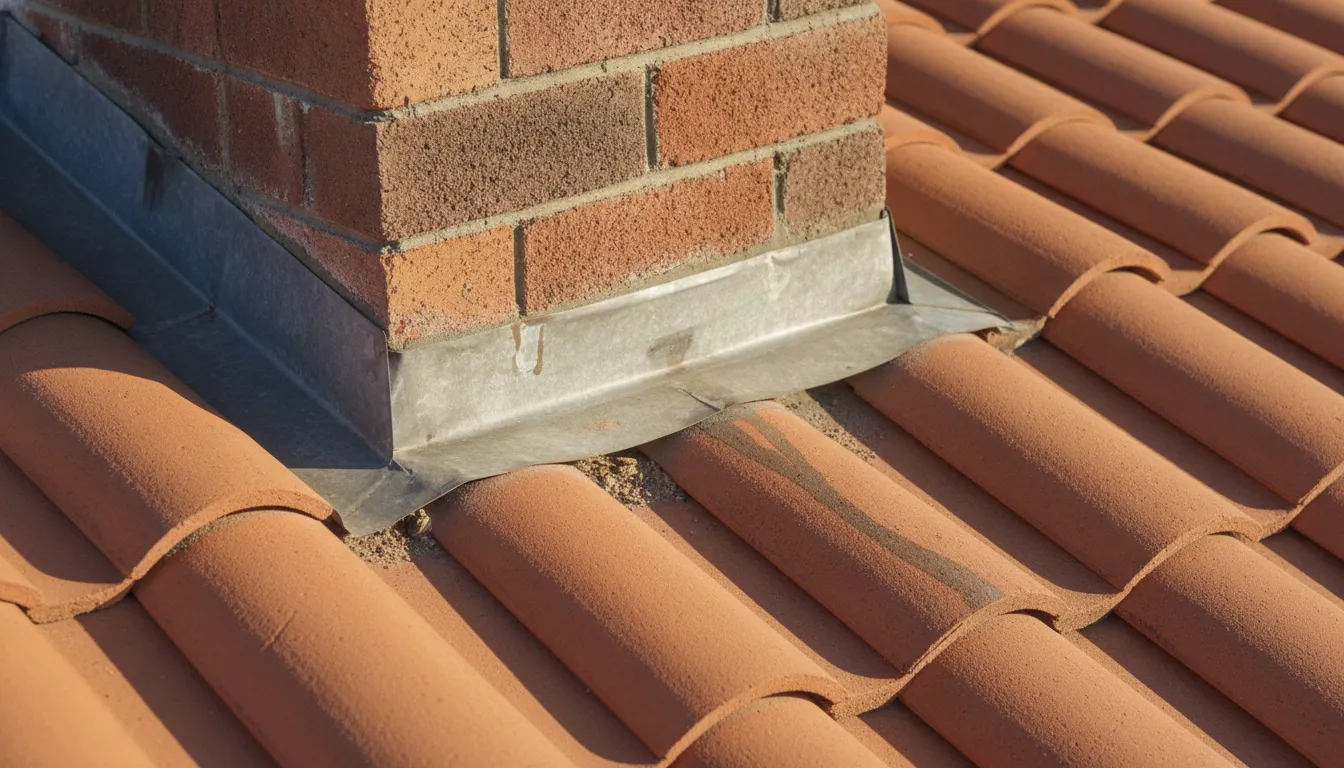
Chimneys and skylights are high-risk areas because they break the flat plane of your roof. For chimneys, you might see gaps where the metal pulls away from the brick. If you notice water stains on the walls or ceiling near the base of your chimney, the flashing is likely at fault. Skylights face similar risks. Over time, the seals can crack or the metal can bend. Check for skylight flashing failure signs like rust or leaks inside the glass frame.
Roof valleys and wall joints
Valleys are the long folds where two roof planes meet. They carry a large volume of water during storms. Because of this high flow, valley flashing can wear out fast or get pushed out of place. Wall joints also fail often. This happens where a sloped roof meets a tall side wall. If the step flashing is loose or missing, water will run straight into your wall. Environmental stress can cause these joints to break down over time, which impacts how long they last (Environmental impact on joints).
Vents and pipe boots
Every pipe or vent that pokes through your roof needs a seal. Most use a boot made of rubber or plastic. These parts can dry out and crack in the Southern California sun. Once the rubber splits, water can seep down the pipe and into your attic. This dampness is a major concern because indoor moisture is linked to various health risks (Indoor dampness and health). It is best to inspect your roof flashing and these vent boots every year to find cracks before they leak.
What hidden damage can failed flashing cause?
When you see roof flashing failure signs, the problem often goes deeper than the surface. Flashing seals the most delicate parts of your roof. Even a small gap of just 1/8 inch can let in a large amount of water. This water moves through the layers of your home long before you see a leak on your ceiling. To catch these issues, you should inspect your roof flashing often.
Rotting wood and structural decay
Water that gets past failed flashing often sits on the wood roof decking. Over time, this moisture leads to wood rot. You might notice dark stains or soft spots on the bottom part of the wood in your attic. This is a clear sign that water is getting in and soaking the frame. If the wood stays wet, it will lose its strength and could even cave in.
Wet insulation and ruined drywall
Roof leaks also damage the insulation in your attic. Most insulation works by trapping air in its fibers. When it gets wet, it clumps together and loses its power to keep heat in or out. This makes your home harder to cool and heat, which raises your power bills. Wet insulation can also stay damp for weeks, which keeps water pressed against your wood framing.
As the water keeps dripping, it at last reaches the drywall on your ceiling. You might see small brown spots or peeling paint first. These are often the first signs of flashing failure inside your living space. By the time these spots show up, the wood and insulation above them are likely already soaked. Fixing the flashing right away stops the drip from turning into a ruined ceiling.
Mold growth and health risks
Damp spots in your home are the perfect place for mold to grow. Mold can start to spread in as little as 24 to 48 hours after water gets in. You might smell a musty odor in your attic or near your walls. Attic mold is often linked to leaks around chimneys or vents where flashing has failed. This is more than just a house problem; it can also affect the air you breathe.
Indoor dampness and mold are known to cause health issues for people living in the house. According to the National Institutes of Health, damp indoor spaces can lead to breathing problems and other risks. Catching roof flashing failure signs early keeps your home dry and safe for your family. It is vital to stop the water at the source to stop these long-term issues.
Repair assessment vs. full roof inspection
A repair check looks at one exact problem. If you see water on your wall, a tech will look at the spot above the leak. They search for the cause of that one drip. They might look for roof flashing failure signs near a vent or wall. This roof leak repair check is fast. It helps fix the leak you see now.
But a fast check might miss other thin spots. A small gap in your roof can let in a lot of water. This wetness can lead to mold and health issues for your family. Fixing one spot is a good start. But it may not keep your whole house safe from the rain. Small leaks can hide in the attic for a long time. They can rot the wood before you even see a stain.
What is a repair assessment?
This type of check is best for active leaks. When rain comes into your home, you need a quick answer. The tech looks for clear signs of damage in one area. They check for holes or rust on the metal near the leak. They may also look for missing tiles or torn felt. This check is narrow and deep on one spot. It is meant to solve a single big need.
A fix check is good when you know where the leak is. But roofs are complex systems. One leak might be a sign of a bigger problem. If your metal seals are old, more leaks may start soon. A single fix may only buy you a little time. It is a smart first step, but it is not a full plan for your home. You may need more work to keep the water out for good. A full check can help you see the whole picture.
Why a full inspection matters
A full check looks at every part of your roof. The pro will walk the whole top surface. They check the pipes, the tiles, and all the metal seals. They look for rust or loose bits on all the vents. This deep roof inspection service finds small gaps before they grow. They look at the valleys where water flows the most. They also check the seals around your chimney and skylights.
Weather and heat can wear down your roof over time. Changes in the air can make seals crack and pull away. A full check finds these cracks before the next big storm hits. Experts say you should get a full check at least once a year. This regular work helps you find weak spots early. This can save you from high repair bills later. It gives you peace of mind that your home is safe.
Choosing the right check
Choosing between these checks depends on what you need. If you have an urgent need, get a repair check first. This stops the damage now. But if you want to avoid future leaks, a full check is better. It looks at the health of the whole roof. It makes sure every vent and pipe is sealed tight. The table below shows how these two options compare.
| Feature | Repair Check | Full Roof Check |
|---|---|---|
| Main Focus | One leak or spot | The whole roof system |
| Primary Goal | Fix a current leak | Find all weak spots |
| Time Taken | About 30 to 60 minutes | One to two hours |
| Depth | Looks at one area | Checks all roof parts |
| Long Term | May miss other leaks | Best for roof life |
Both checks have a place in roof care. A good pro will tell you which one you need. They will show you the state of your roof with photos. They will also help you plan for any future work. Most winter leaks start with bad metal seals. A full review makes sure your whole roof can stand up to the wind. Taking care of your roof now saves money in the long run.
What should you do when flashing looks damaged?
Finding a problem with your roof can be a hard time. Flashing acts as a shield for the weak spots on your home. It covers gaps near vents, pipes, and walls where rain could seep in. If you see wear, you must take steps to stop a leak. Doing so now will keep your house safe and dry for years.
Check for failure signs
You can find roof flashing failure signs without ever using a ladder. Walk around your home and look up at the roof edges. Check for metal that looks bent, loose, or has rust. Look at the base of the chimney where it meets the roof tiles. Check the valleys where two roof planes join together. These are spots where water gathers and can cause the metal to pull away.
Use a set of field glasses to get a clear view of the pipe vents. Look for gaps where the metal should meet the wall or the roof. Weather and heat can wear down these seals over time. Fact: Studies show that outdoor factors lead to the wear of roof joints and seals (NIH research). If you see rust or holes, the metal can no longer do its job. You should track these spots and keep a note of where they are.
Protect your home
Once you find a problem, your goal is to stop water from getting inside. While you wait for a pro, you can check your attic for damp wood or mold. Wet spots on the ceiling are clear signs of flashing failure that need a fast fix. If you find leaks, you may need to move your things to keep them dry. Never try to climb on the roof yourself during a storm or on a steep slope.
Keeping your gutters clean is also a big help. When drains are full of leaves, water backs up and sits on the flashing. This standing water makes it easier for leaks to form. A clear path keeps water moving off the roof and onto the ground. This task can prevent big harm to your walls and frame.
- Take clear photos of the damage from the ground to show a pro.
- Clean out your gutters to make sure rain can flow off the roof.
- Check your attic for wet spots, mold, or signs of wood rot.
- Reach out to an expert to get a full roof check.
- Read the repair plan to see how they will fix the seals.
- Pick a repair that follows strict rules to protect your home.
Get a pro check
A pro roofer has the right tools to find what you might miss. They may use drones to see tight spots or heat tools to find water under the tiles. This step is vital to find if the damage is just on the top or deep in the roof frame. A full check will show if you need a small patch or a new piece of metal. You want to know if the wood under the metal is still strong.
Choosing a fix that meets NRCIA rules ensures the job is done right. This type of work follows strict rules for safety and high grade results. Fixing the issue now prevents the need for a new roof later. It gives you peace of mind that your home is safe from the next big storm. You can trust that the seal will hold for a long time.
Can damaged roof flashing be repaired?
Yes, you can often fix damaged roof flashing without a new roof. The choice depends on what kind of damage you find and how bad it is. Finding signs of flashing failure early helps you avoid big costs later. If you catch a small leak now, a simple fix might be enough to keep your home dry.
When minor repairs are enough
In some cases, you only need to reseal the areas where the metal meets the roof. Over time, the roofing cement that seals these joints can dry out and crack. This leads to gaps that let water in. If the metal pieces are still in good shape, an expert can clean the area and add new sealant. This helps stop leaks caused by weather changes that can damage roof joints.
Small holes or minor cracks in the metal may also be fixable. An expert might use a patch or new sealant to cover these spots. This works best when the damage is only in one small area. But you must make sure the seal is tight to keep water out. Even a tiny gap of 1/8-inch can let a lot of water inside your home. This water can lead to dampness, which may cause health issues for people living there.
When replacement is needed
Some damage is too big for a simple fix. If the metal is rusted through or thin, you should change it. Rust is a big sign that the metal is near the end of its life. You also need new flashing if the metal is bent or pulled away from the wall. In these cases, new sealant will not hold for long. The best path is to remove the old piece and put in a new one.
Correct fitting is also a key factor. If the flashing was put in wrong from the start, it will fail again. An expert will look at how the metal fits with your shingles or tiles. They might need to remove some roof parts to set the new flashing right. This ensures the water flows over the metal and off the roof as it should. Using new metal can help because it is built to last longer than older types.
The value of a professional check
You should always have an expert inspect your roof flashing before you decide. They have the right tools to find hidden leaks and weak spots. A deep check follows NRCIA standards to ensure every part of the roof is safe. This is better than a quick look from the ground. Experts know how to check chimneys, vents, and valleys for signs of trouble.
A full report will show if a fix is safe or if you need new parts. Getting a LeakFREE certification gives you peace of mind that your entire roof is in good shape. This certification means the roof is ready to protect your home for a set time. It also helps prove the roof’s value if you ever plan to sell your house. Regular checks help you find small issues before they become huge, costly problems.
How can you reduce future flashing failures?
Keeping your roof in good shape is the best way to stop leaks before they start. You can spot roof flashing failure signs early if you know what to look for. Most home owners in this region can stop big damage with simple care and expert help.
Watch for signs after every storm
Weather and time can wear down the seals on your roof. Strong winds and heavy rain in Orange County often put stress on roof joints. You should check your roof after any big storm to find loose or bent metal. Look for parts that pull away from walls or chimneys.
Checking for small gaps is key to stopping water. Even a tiny hole can let in enough rain to cause damp spots in your home. Wet spots inside are a health risk and can lead to mold growth. According to the National Institutes of Health, keeping your home dry is vital for a healthy house.
Keep your roof drainage clear
Water needs a clear path to run off your roof. If leaves or dirt block your gutters, water can back up under the metal. This pooled water will rot wood and break down the seals that keep your attic dry. You should clean your gutters and roof valleys twice a year to keep water moving.
- Clear leaves from gutters to stop water backup.
- Check roof valleys for dirt and debris.
- Trim tree limbs that hang over your roof.
Valley areas often have issues because they carry so much water. If you see piles of leaves in these spots, clear them right away. Keeping these paths open helps the metal last longer. It also stops water from seeping behind the roof tiles.
Get an expert roof check
A pro can find things you might miss from the ground. It is smart to inspect your roof flashing at least once a year. Pros use tools like drones to see every spot without walking on the tiles. This helps avoid damage to weak parts of your roof.
A full check keeps your home safe from the weather. Factors like heat and sun can hurt the life of roof joints over time. A pro will look for rust, holes, or loose seals. They follow NRCIA rules to make sure every seal is tight. This step saves you money by stopping small leaks before they need big fixes.
Frequently Asked Questions
What are the common signs of roof flashing failure?
Common signs of failing roof flashing include rust, holes, or cracks in the metal. You may also see parts that have pulled away from walls or chimneys. Look for water stains on your ceiling or walls near roof joints. As noted by Cert-A-Roof, mold can grow if water gets past these seals. Finding these signs early helps you avoid high repair costs. Yearly checks are the best way to keep your home safe from leaks.
Why is roof flashing failure a major cause of roof leaks?
Flashing seals the spots where your roof meets other parts like walls or vents. These spots are the most likely to leak. If there is even a small gap, water will get inside when it rains. Experts at Cert-A-Roof state that a tiny gap of just one-eighth of an inch can cause a lot of damage. This water can ruin your home’s wood and insulation. Fixing these gaps quickly keeps your roof strong and dry.
How can you tell if your chimney flashing is failing?
You can find chimney flashing leaks by looking for gaps where the metal meets the brick. Water often leaks down the inside of the chimney or leaves stains on the walls near the fireplace. If you see water on your ceiling in the attic near the base of the chimney, it is a clear sign. A professional from Cert-A-Roof can check these seals during a home inspection. Fixing these leaks early saves you from big repair bills later.
Can freeze-thaw cycles cause flashing failure?
Cold weather can harm your roof flashing. When water freezes into ice, it expands and can push flashing away from the roof. As it thaws, the ice turns back to water and flows into the new gaps. This cycle can loosen seals and create cracks in the metal over time. According to research from the NIH, temperature shifts greatly impact how well roof joints hold up. Keeping your roof clear of ice can help prevent this kind of damage.
Ready to protect your home from roof leaks?
Leaving bad flashing alone often leads to water damage that is hard to fix and costs much more to repair if you wait too long. By acting now, you can stop small gaps from turning into wood rot or mold growth before they hurt your attic and walls. A quick check of your roof gives you peace of mind for the next rainy day and keeps your home safe and dry. Our team is ready to look at your roof and find any leaks that are hard to see from the ground. Do not let a small issue turn into a costly risk for your family.
Ready to take care of your roof? Schedule a professional roof inspection to protect your home today.

Comment (0)