
Annual Roof Maintenance Orange County CA: The Essential Seasonal Checklist
Annual Roof Maintenance Orange County CA: The Essential Seasonal Checklist
A roof replacement in Orange County can cost fifty thousand dollars for a home. Neglecting small leaks today guarantees a massive bill for a full tear-off tomorrow. Expert care prevents these disasters.
Schedule your certified roof inspection today
Annual roof maintenance Orange County CA homeowners perform is the most effective way to extend the lifespan of a home roof and avoid emergency leak repairs. Data from Royal Roofing shows that regular upkeep saves three to five times the cost of reactive fixes and saves owners eleven thousand dollars every year. Professional roof inspection services from Cert-A-Roof find small cracks and UV damage before water enters the home. Our team has done 75,000 NRCIA-certified checks to keep local properties safe and dry through every season of the year. By learning how often to maintain your roof and setting spring and fall dates, you keep your home protected against the sun to last twenty-five years.
Many people think the mild weather in Southern California means their homes are safe. But our local climate has special risks that most lists miss. To keep your home safe, you must first understand the maintenance schedule Orange County roofs truly need.
Why Do Orange County Roofs Need Their Own Maintenance Schedule?
Orange County roofs face intense year-round UV exposure, coastal salt air, and seasonal winter rains that create unique stress on roofing materials. Unlike other regions, the combination of relentless sun and ocean corrosion means missing even one inspection cycle can shorten a roof’s lifespan from 25 years to 15. Local conditions demand a tailored approach that standard national checklists simply do not address.
Orange County offers some of the best weather in the country, but the local climate is tough on home roofs. Your roof faces unique trials that owners in other areas never deal with. From the constant sun to the salt air near the coast. These facts can shorten the life of your roof if you do not stay on top of care. A complete roof inspection checklist helps you track these risks before they lead to big bills.
Intense sun and UV rays
The constant sunshine in Southern California does more than just heat up your home. High UV rays weaken roof parts and dry out seals over time. According to the Environmental Protection Agency, UV rays can break down materials. This heat also makes roof parts grow and shrink, which leads to cracks. Without regular checks, these small gaps can let water in during the next storm.
Seals around vents and pipes are often the first parts to fail under the sun. Once a seal dries and cracks, it can no longer keep water out. This is why annual roof maintenance Orange County CA is so key for local homes. Finding a dry seal in July is much easier and cheaper than fixing a leak in December.
Salt air and coastal corrosion
If you live in coastal areas like Newport Beach or Huntington Beach, the sea brings a hidden threat. Salt air can cause fast rust for metal roof parts and bolts. This salt spray travels miles inland. It stays on your roof and eats away at coatings. Even roofs that are not made of metal often rely on metal parts to keep water out of joints.
When these metal parts rust, they become weak and full of holes. A pro check can find the early signs of rust before the metal fails. Regular care can protect these areas and extend their life. Without this work, a roof that should last 25 years might need a full swap after only 15 years.
Winter rains and drainage issues
Orange County does not get rain often, but when it does, it can be heavy. These winter storms put your roof drains to the test very quickly. Even short bursts of heavy rain can flood a system that is not in top shape. Clogged gutters in Garden Grove or small cracks in Santa Ana can quickly turn into leaks that soak your walls and attic.
Gutters and pipes must stay clear to move water away from your home. If water sits on your roof or spills over the sides, it can rot the wood. Good drainage is key to stopping roof failure. A quick check in the fall ensures your home is ready for the rain.
What Does the Complete Annual Roof Maintenance Checklist Include?
A thorough annual roof maintenance checklist covers exterior shingle or tile inspection, flashing and seal checks around all roof penetrations, gutter and downspout cleaning, attic moisture inspection, and ventilation verification. For Orange County homes, special attention goes to UV-damaged seals and coastal corrosion on metal components. These twice-yearly checks catch small problems before they turn into expensive repairs.
A solid roof keeps your home safe and dry, but it needs care to stay in top shape. Experts suggest a full check at least twice each year, usually in the spring and fall. These bi-annual professional roof inspections from a certified inspector help you find small problems before they turn into costly repairs. Taking the time for annual roof maintenance Orange County CA ensures your roof can handle everything from summer heat to winter rain.
Essential Exterior Checks
Your roof bears the brunt of Southern California sun and coastal salt air. Start by looking for signs of wear on the main roof area and along the edges. Look for missing, cracked, or curling shingles that might let water seep inside. If you have a tile roof, check for broken or slipped pieces. Keeping an eye on these details now can prevent the need for a full roof replacement later.
Critical Drainage and Seal Areas
Water must flow off your roof easily to avoid leaks and wood rot. Clogged gutters are a common cause of roof damage in Orange County. They trap moisture against the roof edge and lead to leaks. Use this checklist to stay on top of your roof’s health. For a full plan, you can join a preventative maintenance program to ensure nothing is missed.
- Inspect shingles or tiles for damage. Look for cracks, curling edges, or bare spots where granules have worn away.
- Check flashing around chimneys and vents. Ensure the metal strips around roof edges and joints are tight and free of rust.
- Clean gutters and downspouts. Remove leaves and debris so water flows freely away from your home’s foundation.
- Examine the attic for leaks or moisture. Go inside to look for water stains, mold, or light shining through from the roof.
- Inspect pipe flashings and skylights. Check the rubber seals and caulking around every roof penetration for cracks or gaps.
- Look for moss, algae, or debris buildup. Clear away branches and plant growth that can trap moisture and rot roof materials.
Professional Inspection Benefits
Some issues are hard to spot from the ground. A thorough NRCIA-certified roof inspection covers areas like hidden moisture in the attic and the state of penetration seals. These deep checks help find structural issues or leaks before they stain your ceiling. A written report with photos will give you a clear record of your roof’s condition for insurance or future sales.
Annual roof maintenance involves different priorities depending on the season. The table below compares spring and fall maintenance tasks:
| Component | Spring Focus | Fall Focus |
|---|---|---|
| Shingles and tiles | Check for winter storm damage, cracks, and loose pieces | Look for summer heat damage, curling, and granule loss |
| Gutters and drainage | Clear debris accumulated over winter; check for rust | Remove autumn leaves; ensure downspouts are clear |
| Flashing and seals | Inspect for gaps caused by freeze-thaw cycles | Re-caulk dried seals before winter rains arrive |
| Attic and ventilation | Check for winter moisture damage and mold growth | Verify vents are clear for winter airflow |
| Overall goal | Repair winter wear, prep for summer UV exposure | Prep roof for heavy rain and winter storms |
Spring Maintenance: Repairing Winter Wear and Prepping for Summer Sun
Spring roof maintenance in Orange County focuses on fixing damage from winter storms and Santa Ana winds, then preparing the roof for intense summer UV exposure. Key spring tasks include replacing lifted or cracked shingles, re-sealing dried flashings, clearing winter debris from gutters, and checking attic spaces for moisture intrusion that occurred during the rainy season.
Spring is the best time to check your home after the winter rains. In Orange County, even mild winters can leave behind hidden issues. You should check how often to maintain your roof to stay ahead of leaks. Remember, today’s inspection is tomorrow’s protection.
Fixing winter storm damage
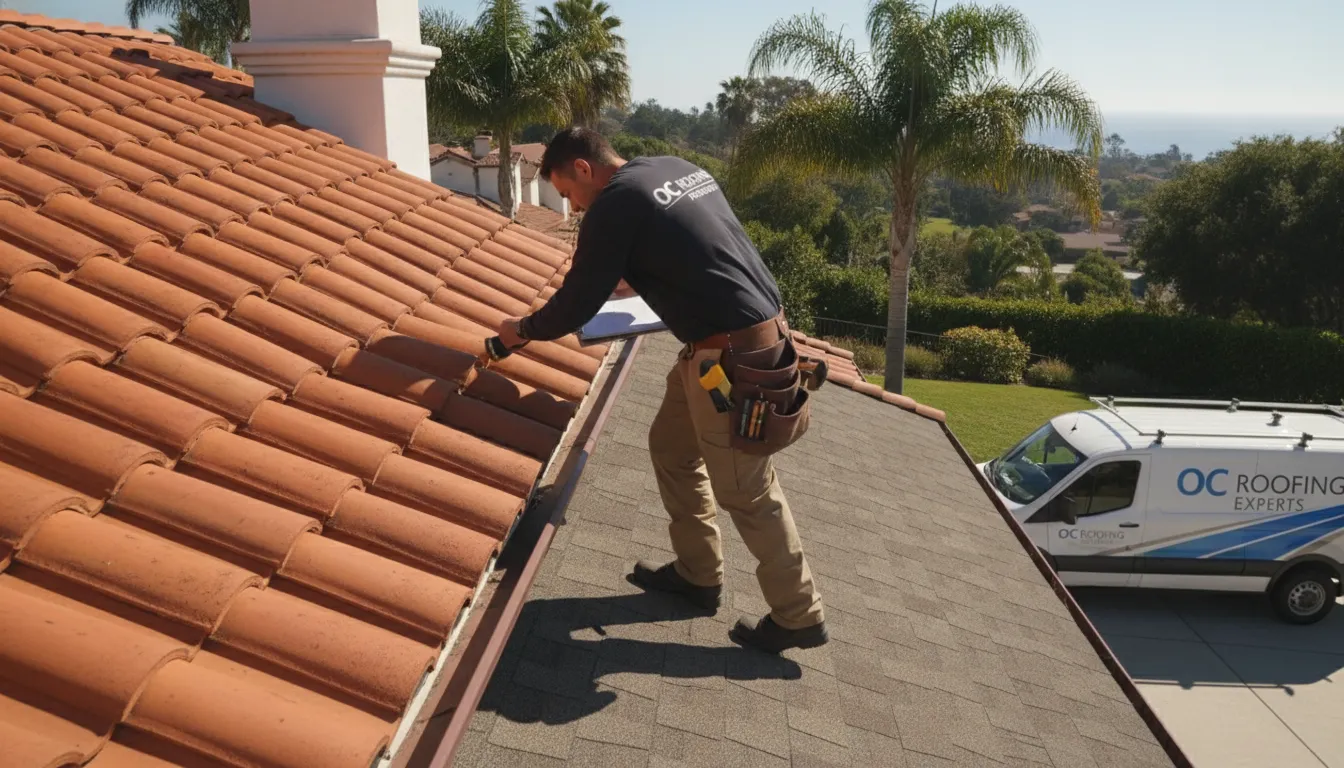
Winter storms in Southern California often bring strong winds that can lift shingles or move tiles out of place. You should look for missing, cracked, or curling shingles as early signs of wear. Finding these signs means your roof needs a fast fix.
Santa Ana winds can be very hard on older roofs in towns like Anaheim and Orange. They can blow debris against your roof or pull off loose parts. Checking for leaks in the attic is also vital after a wet winter. Look for dark spots on the wood or wet insulation.
These spots show where water got through during the rains. If you find a leak now, you can fix it before the summer heat makes it worse. Small holes can grow when the roof gets hot and moves. Finding these gaps early keeps your home dry and safe.
Prepping for the summer sun
The sun in Orange County is very strong in the summer months. High heat and UV rays can dry out the seals around your vents and pipes. When these seals crack, they no longer keep water out. Temperature changes between day and night also make your roof expand and contract.
This movement can pull metal flashings away from your chimney or walls. A spring check finds these loose spots before they cause a leak. Intense sun also makes shingle granules fall off over time. You might see these small rocks in your gutters after a storm.
This loss of granules means your roof has less shield from the sun. Without this shield, the heat can reach the lower layers of your roof faster. This can lead to cracks in the wood underneath. Keeping an eye on these layers helps your roof last much longer.
Clearing debris and gutters
Winter winds blow leaves, dirt, and branches onto your roof. This debris can trap water and cause rot in your wood deck. Clogged gutters are a big risk for homes in Irvine and Santa Ana. When water stays in the gutter, it can soak into the fascia boards.
This leads to mold and soft wood that attracts pests. Cleaning your gutters each spring is a simple way to protect your home. You should also trim back any tree limbs that touch your roof. In high winds, these limbs can act like saws and cut into your shingles.
They also give rats and squirrels a path to get onto your house. Once on the roof, these pests may try to chew their way inside. Keeping a clear space around your roof line prevents these issues. A clean and clear roof stays in top shape for years.
How Should You Prepare Your Roof for the Rainy Season?
Preparing your roof for winter rain in Orange County means clearing all gutters and downspouts of autumn debris, replacing UV-damaged sealants around vents and chimneys, inspecting for summer-baked shingles that are curling or cracked, and trimming tree branches away from the roof line. Fall preparation stops minor summer wear from becoming winter leaks when the first heavy rain arrives.
Orange County often has clear skies, but the end of the year brings a big shift in the weather. Fall is the best time to check your home for any wear from the summer sun. Making your home ready now makes sure your roof can handle the coming rainy season in Southern California. A quick fall check finds small flaws before they lead to a big leak. Fall roof checks make sure your home is ready for the rainy season and can handle the coming storms.
Clear Gutters and Drainage Paths
The most vital fall task is clearing your gutters and downspouts of all dirt and leaves. Dead leaves and soil can block the path of rain water as it falls. When water has nowhere to go, it pools on your roof and can seep under the shingles. Even short bursts of heavy rain in winter will test your roof drainage systems and cause new leaks. In areas like Garden Grove, clogged gutters are a leading cause of water damage to the roof edge. Make sure all downspouts lead water far away from your home base. This helps stop water from pooling near your walls or under your floors.
Repair Sealants and Metal Flashing
The intense sun in Santa Ana can dry out the seals around your roof vents and pipes. This heat weakens the rubber and caulk that keep your attic dry during the year. Over time, the constant sunshine weakens the roof membrane and dries out the seals until they crack. You should look for small cracks in the caulk around chimneys and vent pipes. Fixing these small gaps now is a key part of roof repair services that save you money later. You can also re-caulk these areas to stop water from getting in before the rain clouds arrive. Small cracks are easy to fix now but can lead to big rot if you wait.
Look for Signs of Shingle Damage
Summer heat does more than dry out seals; it also wears down the shingles on your roof. You should look for shingles that are curling, cracked, or missing in the sun. These signs show that the heat has baked the shingles and made them weak. If you see many granules in your gutters, it is a sign that your shingles are aging and losing their grip. Checking the roof edge and drip edge is also a good step. When these areas are clean, water flows off the roof as it should. This stops water from wicking back into your wood fascia.
It is wise to follow federal storm prep guides to get your home ready for any wet weather. An expert check can find these issues and make small repairs before the first big storm arrives. These small fixes help stop your roof from failing when it rains the most in the winter. A clean roof edge and solid shingles keep your home safe and dry all through the winter months.
What Warning Signs Should You Watch For Between Inspections?
Between professional inspections, Orange County homeowners should watch for missing or curling shingles, granules accumulating in gutters, water stains on interior ceilings or walls, light visible through attic roof boards, sagging roof lines, and peeling paint near the roofline. Catching these early warning signs prevents minor issues from becoming emergency roof repairs. If you spot any of these, call for a professional assessment right away.
Orange County weather often stays mild, but the mix of high UV rays and ocean salt can wear down your roof over time. You do not need to wait for your next annual check to spot trouble. Catching small issues early helps you avoid a full tear-off and keeps annual roof maintenance Orange County CA costs low. If you see any of these signs, it is time to call for professional help.
Visible shingle and material damage
Walk around your home and look up at your roof line from the ground. You might see shingles that are missing, cracked, or starting to curl at the edges. These are clear signs that the material is nearing the end of its life. According to FEMA guidelines, you should also check for gaps or damage in the flashing near chimneys and skylights. These metal layers are vital to keep water out of your home.
Check your gutters after a rain storm or a wind event. If you find small rocks or sand that match your roof color, your shingles are losing their granules. This loss means the material can no longer block UV rays well. Without this shield, the asphalt will dry out and crack. Finding these signs early lets you schedule roof inspection services before a leak starts.
Indoor signs of water entry
Not all roof damage is easy to see from the yard. Sometimes the first signs show up inside your home. Look at your ceilings and walls for brown or yellow water stains. These marks often mean you have a slow leak that has finally soaked through your attic insulation. Discoloration on the underside of your roof deck is also a big red flag that water is getting past your shingles.
You can also check for light coming through your roof boards from inside the attic. On a sunny day, turn off the lights and look for bright spots where wood should be solid. If light can get in, water will too. Catching these leaks early is the best way to prevent mold and wood rot. Professional teams can use moisture tools to find hidden wet spots that you might miss.
Structural shifts and exterior changes
Look at the lines of your roof to see if they stay straight and even. A sagging roof line or a dip in the surface can mean you have structural issues. This could be due to old water damage that has weakened the wood supports. You might also notice peeling paint or rotted wood near the roof line on the outside of your home. This often happens when gutters fail to move water away from the house correctly.
When roofs reach 15 years of age, they need closer care. A roof that is well-kept can last 25 years, but one that is ignored may fail much sooner. If you spot sagging or uneven spots, it is vital to get a pro to look at the deck. Taking quick action can save you thousands of dollars in major repairs later on.
What Does a Professional Annual Roof Inspection Include?
A professional annual roof inspection from Cert-A-Roof takes 45 to 90 minutes and includes a full examination of shingles or tiles, flashings, gutters, downspouts, vents, skylights, attic moisture levels, and interior ceiling signs. The inspection follows NRCIA standards and includes a digital report with photos delivered within 24 to 48 hours. This comprehensive check finds hidden issues that homeowners miss from the ground.
A professional roof inspection services visit from Cert-A-Roof is much more than a quick look from the street. Our experts use NRCIA rules to check every part of your roof system. This full check helps find small issues before they become big leaks. Most home visits take 45 to 90 minutes to finish. You get a clear digital report with photos within 24 to 48 hours. This report is a key tool for your home records and future insurance claims.
A full check of roof materials and flashings
The first step is a close look at the roof surface. Our team checks shingles or tiles for signs of wear. We look for missing, cracked, or curling pieces that let water in. We also check the flashings near pipes, chimneys, and valleys. These metal pieces are vital to keep water out of tight spots. A dry home stops mold growth and protects your family’s health. Our team makes sure all seals and edge spots are tight and secure.
Looking at gutters and vents
We also check how water flows off your roof. We look for debris in gutters and pipes that could cause clogs. Clogged gutters are a main cause of water damage in Orange County homes. We check vents and skylights for cracks or old sealants. Good attic vents help air move and keep the roof cool. This is very important in the Southern California sun where heat can dry out roof parts fast.
Internal and attic space check
A true roof check must look at the inside too. Our NRCIA-certified pros go into the attic to find hidden moisture or stains. We look at the interior ceilings for any signs of leaks. We check for wood rot or wet insulation that shows a problem from above. Cert-A-Roof has done over 75,000 inspections with these high standards. Our LeakFREE certification is even accepted by the FHA and VA. This shows the trust experts have in our work to protect your home value.
Frequently Asked Questions
What is annual roof maintenance?
Annual roof maintenance is the scheduled inspection, cleaning, and minor repair of your roofing system performed at regular intervals. For Orange County homeowners, this means twice-yearly checks in spring and fall. Each visit includes examining shingles or tiles, flashing, gutters, attic ventilation, and sealants. The goal is to catch small issues before they become expensive repairs.
How often should I have my roof maintained in Orange County?
Roofing associations and local Orange County contractors recommend professional roof inspections at least twice a year. Spring inspections address winter damage and prepare your roof for summer heat. Fall inspections get your roof ready for the rainy season. Homes with roofs 15 years or older may need more frequent checks since materials weaken over time.
How much does annual roof maintenance cost?
Routine roof maintenance and inspection in Orange County typically costs less than a single roof repair, which averages $394 to $1,961. Preventive maintenance generally saves homeowners 3 to 5 times its cost by catching problems early. Cert-A-Roof offers professional NRCIA-certified roof inspections with digital reports delivered within 24 to 48 hours.
What is the 25% rule for roofing?
The 25% rule is a guideline suggesting that if more than 25% of a roof is damaged or worn, a full replacement may be more cost-effective than making multiple repairs. Regular annual roof maintenance helps homeowners avoid reaching that threshold by catching and fixing damage early before it spreads across the roof surface.
Is annual roof maintenance worth it in Orange County?
Yes. Orange County’s combination of year-round UV exposure, coastal salt air, and seasonal winter rains creates unique stress on roofing systems. Without regular maintenance, roofs that could last 25 years may need replacement after only 15. Annual maintenance costs a fraction of emergency repairs and helps protect your home.
Ready to schedule a professional roof inspection?
Ignoring small leaks or clogged gutters now can lead to thousands of dollars in water damage during the next rainy season. Taking quick action today extends the life of your roof and keeps your Orange County home safe from seasonal storms. You will get peace of mind knowing your property has expert protection from the sun, wind, and rain. Waiting until a leak appears inside your house often means the damage is already severe and costly to fix. Regular checks help you find issues before they turn into major repairs that break your budget. A small fix today is much better than a full roof replacement later.


Comment (0)