SB 721 SB 326 Balcony Inspection Orange County Guide
If you own or manage a multifamily property in Orange County, California, you have likely heard about two important state laws: Senate Bill 721 and Senate Bill 326. These balcony inspection mandates require property owners to regularly inspect exterior elevated elements such as balconies, decks, stairways, and walkways. While both laws share the same goal of preventing structural failures, they apply to different types of properties, follow different timelines, and carry different requirements. Understanding the differences between SB 721 and SB 326 is essential for staying compliant, avoiding costly penalties, and protecting your residents.
Schedule your SB 721 or SB 326 balcony inspection in Orange County today to protect your property and avoid daily fines that can reach up to $500 per day.
SB 721 SB 326 Balcony Inspection Orange County: What Are These Laws?
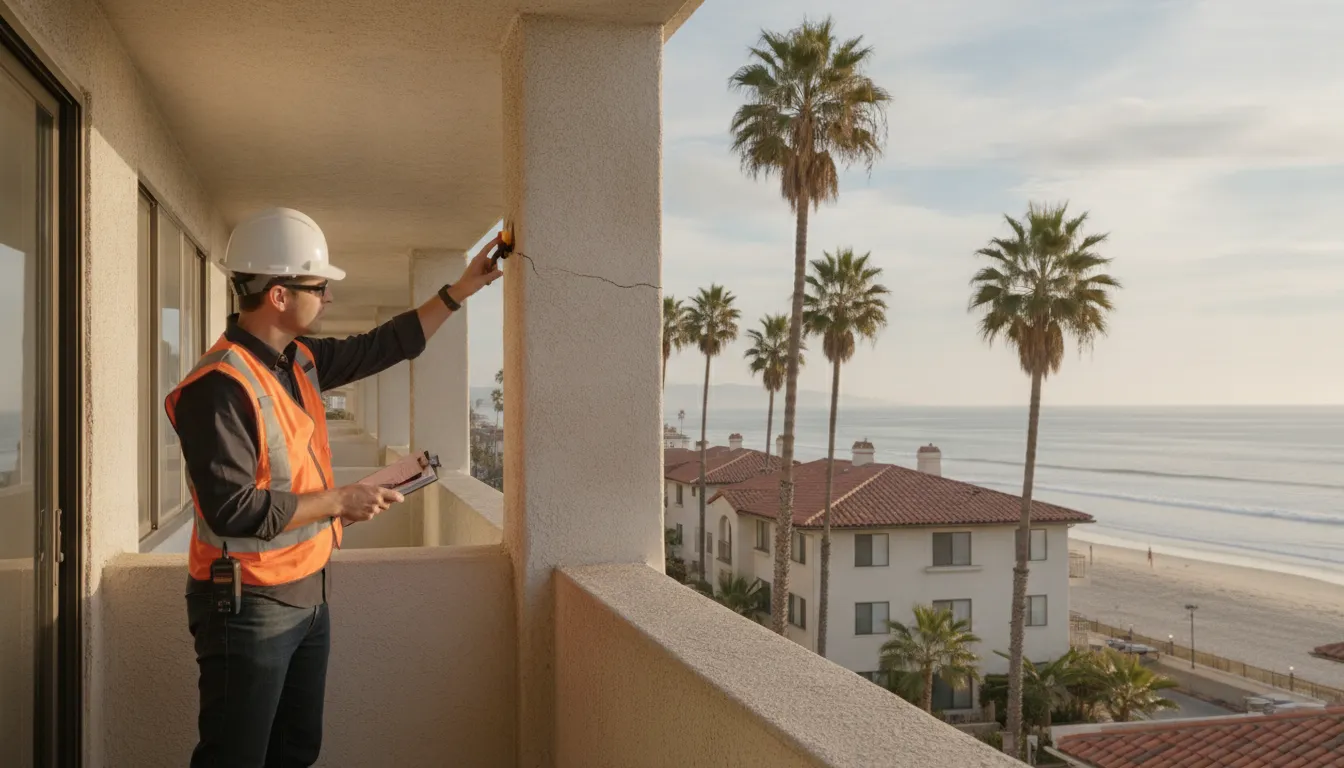
SB 721 and SB 326 are California state laws enacted in response to the 2015 Berkeley balcony collapse, a tragedy that killed six people and injured seven others. That incident exposed serious gaps in the inspection and maintenance of exterior elevated elements, known as EEEs, in multifamily residential buildings. Both laws mandate regular, thorough inspections of balconies, decks, stairways, walkways, and railings that are six feet or more above ground level and rely on wood or wood-based materials for structural support.
Despite their shared origins, SB 721 and SB 326 apply to distinctly different property types. SB 721 targets rental apartment buildings with three or more dwelling units, while SB 326 applies to condominium associations, homeowners associations, and community apartment projects. This distinction drives most of the other differences between the two laws, including inspection cycles, inspector qualifications, sampling requirements, and repair timelines.
Both laws were enacted following the deadliest structural failure in California in recent years. The Berkeley balcony collapse happened during a birthday party when a fourth-floor balcony gave way, sending 13 people crashing to the ground. California lawmakers responded by creating a comprehensive framework for inspecting and maintaining exterior elevated elements, specifically targeting wood-framed structures.
SB 721: Apartment Buildings With 3+ Units
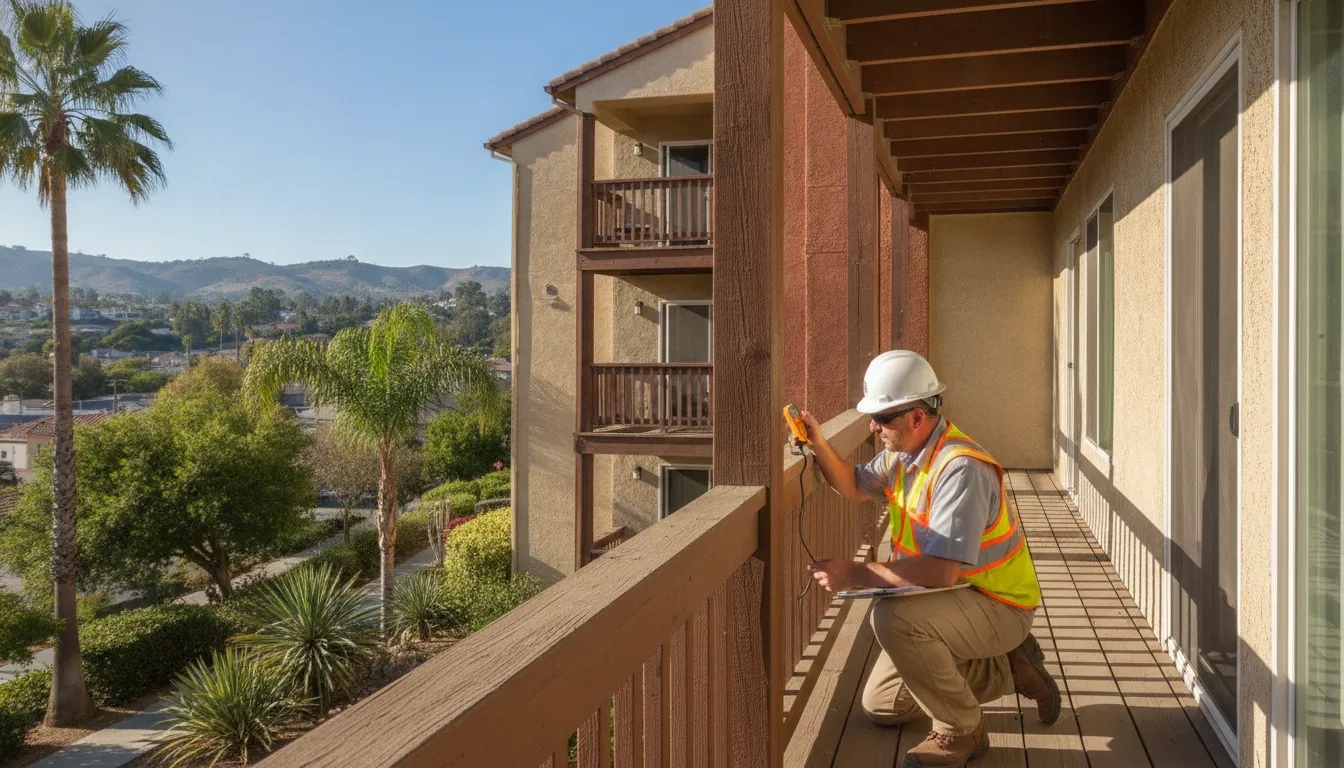
Senate Bill 721, signed into law on September 17, 2018 and effective January 1, 2019, created mandatory inspection requirements for multifamily rental properties. The law is codified in California Health and Safety Code Section 17973 and applies to any building with three or more multifamily dwelling units that contains exterior elevated elements meeting the height and material criteria.
SB 721 Key Deadlines and Requirements
- Initial deadline: January 1, 2026 (extended from 2025 by Assembly Bill 2579)
- Inspection cycle: Every 6 years
- Penalties: $100 to $500 per day for non-compliance
- Repair timeline: 120 days to complete all required repairs
- Report deadline: Within 45 days of the inspection
The initial inspection deadline for SB 721 was originally January 1, 2025, but Assembly Bill 2579 extended it to January 1, 2026. This one-year extension came after industry advocacy highlighted a critical shortage of qualified inspectors. Property owners who miss the January 1, 2026 deadline face daily penalties of $100 to $500 per day, plus increased liability exposure and insurance complications. It is still possible to become compliant after the deadline to stop fines from accumulating.
SB 721 operates on a six-year inspection cycle. Once the initial inspection is complete, follow-up inspections are required every six years thereafter. A licensed architect, a licensed civil or structural engineer, or a licensed contractor holding an A, B, or C-5 license with at least five years of experience building multistory wood-frame buildings can perform SB 721 inspections. The inspector must examine a minimum of 15 percent of each type of exterior elevated element through direct visual inspection, including exploratory openings to assess concealed wood framing for moisture damage and decay.
When the inspection identifies deficiencies, the property owner has 120 days to complete all required repairs. The inspection report must be submitted within 45 days of the inspection and must document the current condition of each EEE, estimate the remaining service life, and include specific recommendations.
Cert-A-Roof, through its Cert-A-Deck division, holds A, B, and C-5 contractor licenses and is fully qualified to perform SB 721 deck and balcony inspections throughout Orange County. With over 30 years of experience and more than 75,000 inspections completed, Cert-A-Deck delivers comprehensive reports with 24-hour turnaround and can also perform any required repairs. This dual capability represents a significant advantage under the 2022 amendment to SB 721, which allows the same qualified entity to handle both inspection and remediation.
SB 326: Condominiums and HOAs
Senate Bill 326 applies to condominium associations, homeowners associations, and community apartment projects that contain exterior elevated elements. While the inspection requirements share many similarities with SB 721, SB 326 imposes stricter rules on several key dimensions.
SB 326 Key Requirements
- Initial deadline: January 1, 2025 (already passed)
- Inspection cycle: Every 9 years
- Qualified inspectors: Licensed structural engineers, architects, or civil engineers only
- Sampling: 95% confidence level with 5% margin of error
- Record retention: Through two inspection cycles (up to 18 years)
The initial SB 326 inspection deadline was January 1, 2025, meaning the first compliance date has already passed. Properties that have not completed their inspections are now accruing daily penalties and face potential findings of negligence. SB 326 operates on a nine-year inspection cycle, longer than SB 721’s six-year cycle, reflecting the different ownership structures of HOAs and condominium associations.
Inspector qualifications under SB 326 are more restrictive than under SB 721. Only licensed structural engineers, architects, or civil engineers may perform SB 326 inspections. This narrower pool of qualified professionals creates potential capacity constraints as demand grows. HOA boards should verify that their inspector meets these stricter requirements to ensure the inspection is valid for compliance purposes.
The sampling methodology under SB 326 also differs substantially. Instead of a fixed 15 percent minimum, SB 326 requires a 95 percent confidence level with a 5 percent margin of error. In practice, this typically means inspecting a significantly larger number of individual elements, which can increase both the scope and cost of the inspection.
When SB 326 inspections identify dangerous conditions, those conditions require immediate preventive measures and repair. Standard deficiencies do not have a specified timeline, but boards must address them promptly. HOA boards must review reports at open board meetings and provide a written summary to all owners within 15 days. The report becomes part of the association’s reserve study, and records must be retained for at least two inspection cycles, potentially up to 18 years.
SB 721 vs SB 326: Key Differences at a Glance
The following table summarizes the major differences between SB 721 and SB 326 so Orange County property owners can quickly identify which law applies to their building:
| Requirement | SB 721 (Apartments) | SB 326 (Condos/HOAs) |
|---|---|---|
| Property Type | Rental apartment buildings with 3+ units | Condominium associations, HOAs, community apartment projects |
| First Deadline | January 1, 2026 | January 1, 2025 |
| Inspection Cycle | Every 6 years | Every 9 years |
| Qualified Inspectors | Licensed architects, engineers, or contractors with A/B/C-5 license | Licensed structural engineers, architects, or civil engineers only |
| Sampling | Minimum 15% of each EEE type | 95% confidence / 5% margin of error |
| Repair Timeline | 120 days to complete repairs | Immediate for dangerous conditions; no fixed timeline for others |
| Reporting | Report due within 45 days of inspection | Board review at open meeting; owner summary within 15 days |
| Penalties | $100-$500 per day | $100-$500 per day |
| Record Retention | Retain for local agency requests | Retain through two inspection cycles (up to 18 years) |
While both laws serve the same public safety purpose, the specific requirements vary significantly. Property owners should identify which law applies to their building first and then verify that their chosen inspector meets the appropriate qualification standards.
Why Orange County Property Owners Must Act Now
Orange County’s unique coastal climate creates additional urgency for balcony and deck inspections. The Mediterranean climate, proximity to the Pacific Ocean, and exposure to salt air, moisture, and temperature fluctuations accelerate the degradation of exterior building materials. Wooden balconies and decks are particularly vulnerable to rot, corrosion, and waterproofing failure, making regular inspections even more critical than in inland regions.
For condominium associations and HOAs, the January 1, 2025 compliance deadline for SB 326 has already passed. Properties that have not completed their inspections now face accumulating daily fines of up to $500 per day. Beyond penalties, non-compliant associations face increased liability and insurance complications.
For apartment building owners, the January 1, 2026 deadline for SB 721 is approaching rapidly. Given the limited number of qualified inspectors, the window to schedule an inspection is closing. Properties that wait may find it difficult to secure a qualified inspector before the deadline, exposing themselves to the same penalties that SB 326 properties now face.
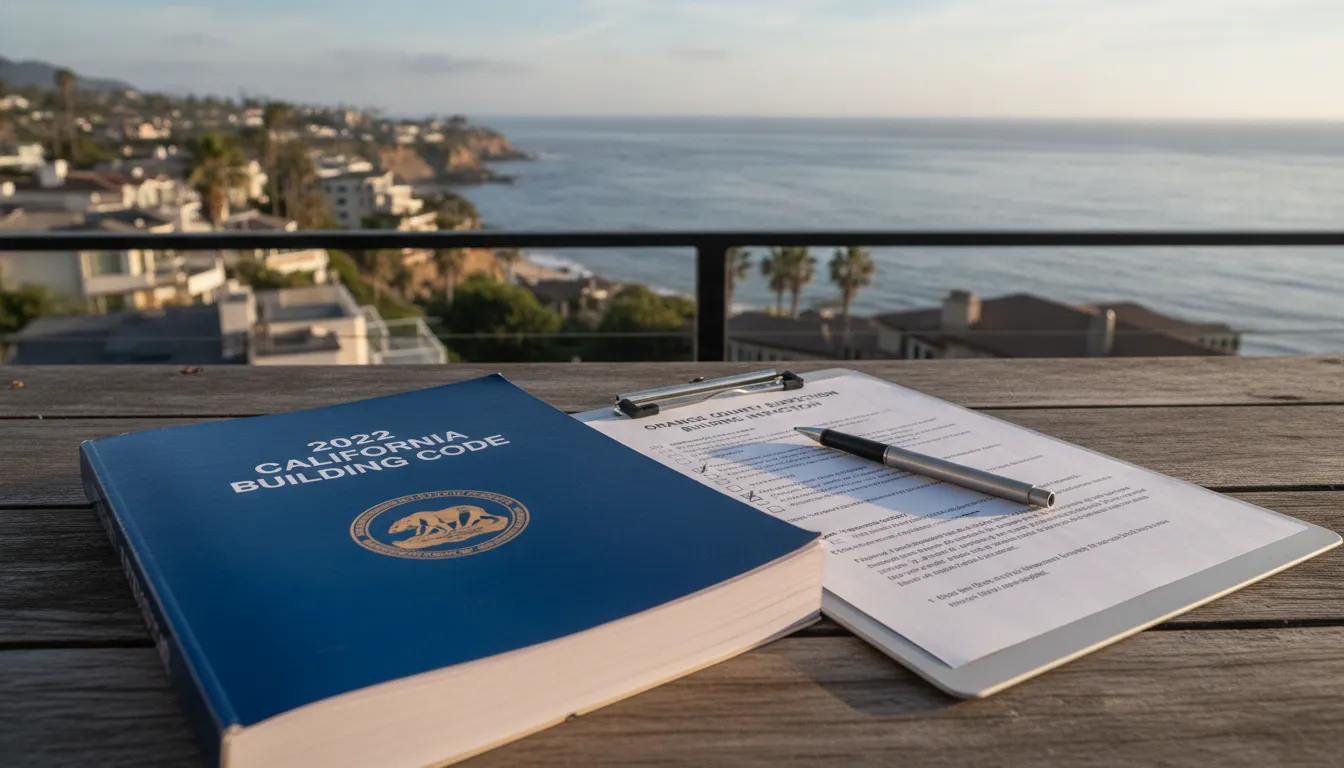
The limited pool of qualified inspectors is a statewide concern. SB 326 restricts inspections to licensed structural engineers, architects, and civil engineers only. SB 721 allows a broader pool, but qualified contractors with the appropriate license and multifamily experience remain in high demand. Property owners who delay risk paying premium rates or failing to secure an inspection slot at all.
Beyond compliance, regular balcony inspections protect property value. In a competitive market like Orange County, properties with up-to-date inspections and documented compliance command higher values and attract better tenants. Proper compliance documentation signals responsible ownership and reduces friction during sales or refinancing.
Cert-A-Roof’s Cert-A-Deck division serves more than 40 cities across Orange County. As a licensed A, B, and C-5 contractor with NRCIA-certified inspectors and over 30 years of experience, Cert-A-Deck is uniquely positioned to help apartment owners and HOA boards navigate their compliance requirements.
Do not wait until penalties start accruing. Contact Cert-A-Deck today to schedule your SB 721 or SB 326 balcony inspection in Orange County and secure your compliance before the deadline.
How Cert-A-Deck Helps You Comply
Cert-A-Roof’s Cert-A-Deck division provides comprehensive SB 721 and SB 326 inspection services throughout Orange County. With President Paul Watrous serving as the President of the National Roof Certification and Inspection Association, Cert-A-Deck brings unmatched authority and credibility to every inspection. This industry leadership means property owners get inspections that meet the highest professional standards.
Cert-A-Deck inspectors hold A, B, and C-5 contractor licenses, making them qualified under both the SB 721 and SB 326 frameworks. The division uses proprietary inspection methodology that documents current conditions, estimates remaining service life, and provides clear recommendations. Digital photographs accompany every finding, and comprehensive reports are delivered within 24 hours of the site visit.
A key advantage of Cert-A-Deck is the ability to perform both inspections and any required repairs. Under the 2022 amendment to SB 721, property owners benefit from a single provider handling the entire compliance lifecycle from initial assessment through remediation and follow-up reinspection. This integrated approach eliminates the coordination burden of managing separate inspection and repair contractors.
Cert-A-Deck also offers follow-up reinspections after repairs, issuing a final compliance report. For property managers with multiple buildings, Cert-A-Deck coordinates inspections across an entire portfolio with consolidated reporting and streamlined scheduling. For properties needing repairs, the in-house construction expertise means work is completed quickly and correctly without delays from coordinating separate firms. Learn more about Cert-A-Roof and the Cert-A-Deck team on the about page.
Frequently Asked Questions
What is the difference between SB 721 and SB 326?
SB 721 applies to rental apartment buildings with three or more dwelling units, while SB 326 applies to condominium associations and HOAs. Key differences include inspection cycles (6 years for SB 721, 9 years for SB 326) and inspector qualifications (broader under SB 721, restricted to engineers and architects under SB 326).
How much does a balcony inspection cost in Orange County?
Costs vary by property size and number of exterior elevated elements. Typical costs range from $300 to $500 per individual EEE for a visual inspection. Full property inspections for larger buildings range from $1,500 to $5,000 or more. Repair costs are additional and depend on findings.
Who can perform SB 721 inspections?
SB 721 inspections may be performed by licensed architects, civil or structural engineers, or licensed contractors holding an A, B, or C-5 license with at least five years of experience in wood-frame construction. Cert-A-Deck holds all required licenses for SB 721 inspections in Orange County.
What happens if my property fails an SB 326 inspection?
If dangerous conditions are found, the HOA must take immediate preventive measures and arrange repairs. The board must review the report at an open meeting and provide a summary to all owners within 15 days. Repairs become part of the reserve study and capital planning.
Are there penalties for missing the SB 721 deadline?
Yes. Properties that miss the January 1, 2026 deadline face daily penalties of $100 to $500 per day. Non-compliant properties also face increased liability, insurance complications, and difficulties with sales or refinancing.
Schedule Your SB 721 or SB 326 Inspection Today
Whether you manage an apartment complex in Anaheim or serve on an HOA board in Irvine, compliance with California balcony inspection laws is not optional. The deadlines are here or approaching quickly, and non-compliance carries severe consequences. Cert-A-Deck, the SB 721 and SB 326 inspection division of Cert-A-Roof, has the licenses, experience, and capacity to guide you through the entire compliance process. Contact Cert-A-Roof online or call 888-766-3800 to schedule your inspection today.
Comment (0)