Buying a House With an Old Roof California Guide
An older roof can change the risk, budget, and timing of a California home purchase.
Schedule your LeakFREE roof inspection before closing.
Buying a house with an old roof in California can still be a sound choice when you verify its current condition before closing. Ask for a roof-specific inspection, written repair or replacement estimates, and an early insurance review. Then use those findings to decide whether to request repairs, negotiate a credit or price change, or walk away. A LeakFREE roof certification can add clear documentation about the roof’s ability to remain leak-free for a stated term. Age matters, but visible condition, prior work, drainage, flashing, attic signs, and remaining service life matter more than a date alone.
The first step is learning what an old roof means for a California buyer, then turning that knowledge into a practical pre-closing plan.
Buying A House With An Old Roof California: What does an old roof mean for a California buyer?
When you are buying a house with an old roof California market trends can make the choice feel hard. Age is a big factor, but it is not the only thing to check. In our state, an older roof can change your costs for insurance and repairs. It can also affect your loan choice or how much you pay for the home. You need to know what a roof’s age tells you and what it might hide.
The 20-year insurance threshold
Many people find that a roof over 20 years old is a red flag for insurance companies. Some firms in California now refuse to cover homes if the roof is too old. They see it as a high risk for leaks or storm damage. If you cannot get a policy, you might not get a mortgage. You can learn more about these rules in the homeowners insurance guide from the state. This makes it vital to check the roof early in the sale.
If the roof is near this age, you might need a full replacement soon after you move in. This cost can be high, so you should plan for it in your budget. Some buyers ask for a price cut to help with the work. Others ask the seller to fix it before the deal is done. Knowing the age helps you talk about these options with the seller.
State laws and roof disclosures
California law says that sellers must tell you about any known roof issues. They use a form called a Transfer Disclosure Statement. This form lists leaks or other big problems that happened in the past. It is a key document for any buyer to read closely. But keep in mind that a seller might not know about every small flaw. A thorough check is the best way to be sure.
You should also ask for a roof certification to get more peace of mind. This is a promise from a pro that the roof will last for a set time. It usually covers two or three years of service life. This can make a lender feel safer about the home. It also gives you a clear look at the roof’s state before you sign.
Age versus actual condition
A roof’s age is just one part of the story. A 15-year-old roof that was well-kept might be in great shape. At the same time, a 10-year-old roof with poor care could be failing. Materials matter too, as tile roofs often last much longer than shingle ones. California sun can also wear down some parts faster than others.
You need to look for signs of wear like:
- Loose or broken tiles
- Worn shingle granules
- Clogged or rusted gutters
- Cracks in the flashings
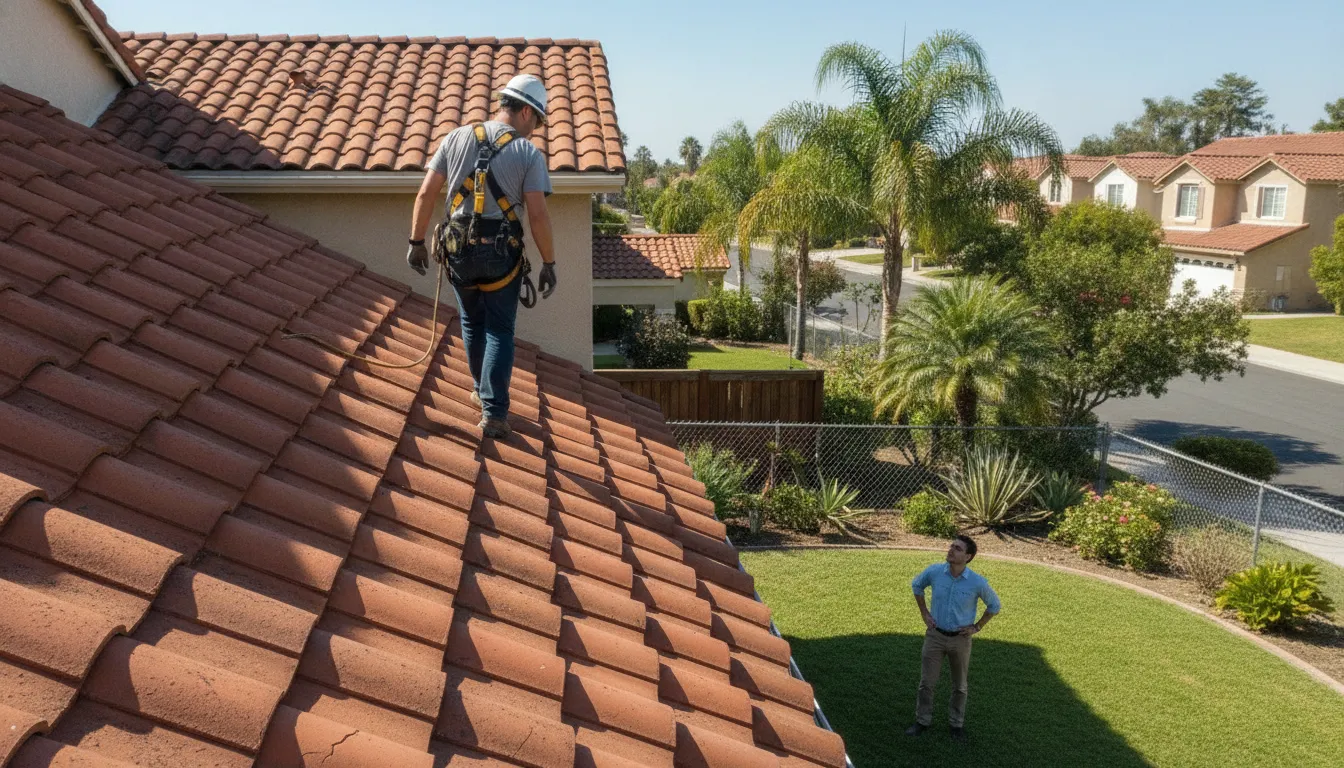
It is wise to get a full roof inspection before you buy. A pro will look at the vents, the flashings, and the layers of the roof. They will find issues that a general home inspector might miss. This check tells you how many years of life the roof has left. It is the best tool you have to avoid surprise costs later.
Pre-closing roof inspection checklist
Buying a house with an old roof California involves risks that need a clear plan. A standard home check often fails to spot deep issues or hidden leaks. To protect your investment, you must follow a set path before you sign the final papers.
Start by asking for the full history of the roof. You should request the state license number of the person who did the last repair. This helps you check if the work met local building codes. If the seller has no records, treat the roof as a high-risk item that needs an expert look.
Review interior and attic signs
Before you climb on the roof, look for signs of damage inside the home. Check the ceilings in every room for yellow spots or peeling paint. These marks often point to small leaks. Use a bright light to scan the corners where the walls meet the roof line.
You must also enter the attic to check the wood frame. Look for dark stains on the beams or damp spots on the padding. If the attic feels very hot or smells like mold, the roof inspection should check for poor venting. A roof that cannot breathe will age fast and may lead to wood rot.
Check exterior roof condition
Walk around the house to view the roof from the ground and a ladder. Note any missing or cracked shingles. These gaps let water reach the wood deck. In Southern California, sun damage can make shingles brittle and dry. Curled edges are a big sign that the roof is near its end.
Look at the metal seals around the chimney and vents. Most leaks start at these joints when the glue fails or the metal rusts. You should also check the gutters for piles of sand. Losing these small stones means the roof has lost its shield against the sun and rain.
Follow this pre-closing checklist
- Review the roof age and any past repair records or papers given by the current owner.
- Hire a pro to perform a roof certification that says the system will stay leak-free for a set time.
- Check the insurance status to ensure the old roof does not stop you from getting a plan under California insurance laws.
- Look for active leaks or mold growth in the attic space and along the main room ceilings.
- Check the gutters and pipes for signs of heavy shingle stone loss or poor drainage.
- Get a written bid for any needed repairs to use as a credit during your price talks.
How should you estimate repair or replacement costs?
When you are buying a house with an old roof in California, you must know what the work will cost. You cannot guess. A bad guess can lead to a big bill after you move in. You should start with a full inspection to see if the roof needs a small fix or a full change. A pro can tell you if the system is safe or if it will fail soon. This helps you set a real price for the home.
Many buyers try to guess the price based on what their friends paid. This is a mistake. Roof costs change based on the size, pitch, and materials of your home. A steep roof costs more to fix because it is harder to work on. Also, the cost of labor in Southern California is often higher than in other spots. You need a local view to get the right numbers for your budget.
Find the scope of work
The first step is to find out exactly what is wrong. A simple leak might only need a patch. But if the wood under the tiles is soft, you might need a new roof. In Southern California, sun and heat can make tiles brittle over time. This makes them crack when someone walks on them. A pro will check for cracked tiles, worn felt, and old metal flashing around chimneys.
You can use a drone inspection to see hard-to-reach spots. This helps find issues that a ground view might miss. The drone can take clear photos of every tile and seam. Once you have a report, you will know the full scope of the work. This report acts as your map for getting bids from local roofers. It prevents surprises once the work starts.
Compare bids from local experts
Get at least three bids from local roofers. Each bid should show the cost of parts and labor. In California, many homes must follow cool roof rules to save energy. These roofs reflect sun to keep your home cool. You can check the California Energy Commission standards to see if your new roof must meet these rules. A cool roof can save you money on your light bill each month.
| Factor | Minor Repair | Full Replacement |
|---|---|---|
| Average Cost | Lower initial cost | Higher initial cost |
| Job Scope | Fixes leaks or few tiles | New deck and materials |
| Time Needed | One to two days | Three to seven days |
| Expected Life | Adds three to five years | Adds twenty to fifty years |
| Insurance Help | May keep policy active | Often lowers your rate |
Bids will vary based on the type of material you choose. Asphalt shingles are often the cheapest and easiest to set up. Clay or concrete tiles cost more but last much longer. They also look great on many California homes. Make sure each roofer includes the cost of taking away the old roof. Always ask for a full price that covers every step of the job.
Plan for hidden damage
Always add a safety net to your budget. Many experts suggest adding ten to twenty percent for hidden issues. When workers pull up old tiles, they often find dry rot or pests. You cannot see these problems from the top. Fixing a weak roof deck is a must before the new roof goes on. If the wood is bad, the new tiles will not stay in place. This can lead to more leaks in the future.
In places like Orange County, termites and dry rot are common. These issues can double the cost of a simple repair if they are bad. If you find these problems during the sale, you can ask the seller to pay for the fix. This helps you cover the cost of a safe, dry home for your family. It keeps your house strong for years to come.
Can an old roof affect homeowners insurance in California?
Buying a house with an old roof in California can cause major issues with your home insurance. Many insurance firms in the state are now very strict about the age of a roof. They often view an older roof as a high risk for leaks or water damage. This risk makes them less likely to offer you a new policy. If you plan to buy a home, you should speak with your agent early in the steps to avoid a last-minute surprise.
How California insurers view roof age
Most insurance firms in the state set a firm limit on how old a roof can be. For example, some firms may deny coverage if a roof is more than 20 years old. They worry that a roof at the end of its life will fail during a heavy storm. If you buy a house with an aged roof, you might find it hard to get a normal policy. In some cases, you may need to use the California FAIR Plan. This plan often costs much more than a normal policy from a private firm.
Risks for policy renewal
Even if you get a policy now, the firm might drop you later. Some firms use aerial photos to check the state of your roof from above. They may also send an inspector to look for signs of wear or damage. If they find issues, they could send a notice that they will not renew your policy. This means you would need to find new coverage fast. Many buyers assume that a roof is fine if it does not have an active leak. But insurance firms look at the “useful life” left in the roof parts. You should not guess about your coverage before you close the deal.
Using inspections to secure coverage
To prevent insurance issues, you should get a certified roof inspection before you finish the sale. A clear report shows the true health of the roof to your insurance firm. A roof that looks old may still be in good shape. Some firms will accept a roof certification from a pro. This document states that the roof should last for at least two more years. Cert-A-Roof provides these reports to help owners keep their coverage. Having the right papers can save you from stress and high costs when buying a home.
How can the roof inspection strengthen your negotiation?
A written roof inspection turns concerns into documented facts you can use during negotiations. It can support requests for repairs, seller credits, or a price adjustment while helping both parties understand the scope and urgency of the work.
When you are buying a house with an old roof California, an expert report is your best tool. You can use the facts from a roof inspection to ask for a better deal. It gives you proof of the roof’s state and the costs of any needed fixes. This proof helps you talk to the seller from a place of strength. A good report turns a guess into a solid fact. You can then use this fact to ask for what you need.
Requesting seller credits for roof repairs
One common move is to ask for a seller credit. A credit means the seller gives you money back at the end of the sale to cover repair costs. This is often better than asking the seller to do the work. You get to pick your own contractor and ensure the job is done right. Some sellers may try to do cheap fixes just to close the sale. A credit avoids this risk and puts the power in your hands.
According to the California Department of Real Estate, buyers should review all inspection reports before they close. If the pro finds leaks or broken tiles, you can ask for a credit to fix them. This money stays in escrow to pay for the work after you move in. It keeps the deal moving while keeping your budget from big costs. It is a win for both sides in most cases.
Lowering the purchase price based on roof age
If the roof is near the end of its life, you might ask for a lower price. An old roof is a big future cost that you should not pay for now. You can show the seller the inspection report to prove the roof needs help soon. Many sellers will drop the price to avoid losing the sale. They know that the next buyer will find the same issues.
In Southern California, most roofs last twenty to thirty years. If a house has a twenty-five-year-old roof, it has very little value left. You can link this fact to our roof inspection services to get a clear estimate. This report shows how much the home’s value should drop due to the roof age. In areas like Orange or Anaheim, the sun and wind can wear down tiles fast. An old roof in these towns is a high risk that means a lower price.
Using the inspection to set repair rules
You can also ask the seller to make set repairs before you buy. This is common when a roof has clear safety issues or active leaks. Your real estate agent can help you write a request for repairs. This list should be based on the roof report to stay fair. If the seller agrees, they must hire a licensed pro to do the work.
An expert roof report tells you if the home is a good risk. You should work with your team to set clear rules for the roof. If the roof cannot get a LeakFREE Certification, it might be too risky to buy. This certification offers a warranty that protects you after the sale. Knowing when to ask for a fix or when to walk away is key. It keeps your money safe in the tough California market.
Request an appointment with Cert-A-Roof to document the roof before you negotiate.
When should you request a LeakFREE roof certification?
Request a LeakFREE roof certification during your inspection period, while there is still time to review findings and discuss them with the seller. It can be especially useful when the roof is older, repair records are thin, or a prior inspection found signs that need a closer look.
More than a quick visual check
A roof certification is different from a brief note that a roof looks acceptable. It follows a professional review of the roof system and documents whether the roof can be certified as leak-free for a stated term. If repairs are needed before certification, you can use that scope to understand what must happen next.
Cert-A-Roof explains its roof certification process for property owners and buyers who need clearer proof before a real estate decision.
Use certification before deadlines expire
Do not wait until the final walk-through. Book the review early enough to receive the report, ask questions, get any needed estimates, and speak with your agent and insurer. The goal is not to remove every future risk. It is to replace guesswork with a written assessment you can use before you accept the home.
Buyers can learn more about roof inspections and certifications for home purchases before scheduling.
Is buying a house with an old roof in California worth it?
An old roof is not an automatic deal-breaker. The better question is whether the home’s price, roof condition, insurance options, and likely near-term work fit your budget and risk tolerance. A sound decision uses written findings instead of assumptions based on age.
Build a complete decision file
Before removing contingencies, gather the roof inspection, repair history, permits when available, written estimates, certification information, and insurer feedback. Review the same facts with your real estate agent and other relevant professionals. This helps you see whether a manageable roof issue is being priced like a major problem, or whether a costly concern is being minimized.
Know your limits before negotiating
Set the most you are willing to spend after closing and the amount of uncertainty you can accept. Then compare that limit with the inspection findings and the seller’s response. A fair credit may make the purchase workable. A weak response to a serious finding may make walking away the safer choice.
The right home can still have an old roof. What matters is knowing the likely work, timing, and protection before the home becomes yours.
Call 888-766-3800 to schedule your LeakFREE roof inspection before closing.
Frequently asked questions
Is an old roof a reason to avoid a home?
No. An old roof is a reason to gather better facts. A roof inspection can show whether the roof needs minor work, major repairs, or replacement, so you can decide with a clear budget.
Should I get a roof inspection before closing?
Yes. A general home inspection may flag visible concerns, but a roof-focused inspection gives you more detail about leaks, worn areas, flashing, drainage, and likely next steps.
Can I negotiate after the roof inspection?
Inspection findings may support a request for seller repairs, a credit, or a price adjustment. Your options depend on the contract and market, so review them with your real estate agent.
What is a LeakFREE roof certification?
A LeakFREE roof certification is written assurance tied to a professional roof inspection and stated certification term. Buyers can request one before closing to reduce uncertainty about leaks.
Get clear answers before you close
Waiting until after closing can turn a known roof concern into an urgent expense. A professional review now gives you time to understand the condition, plan the budget, and negotiate from documented findings.
Ready to protect your purchase? Request a buyer roof inspection or LeakFREE roof certification before closing.
Comment (0)