California Cool Roof Requirements Explained
California cool roof requirements can affect far more than your choice of shingle or coating. On a hot Southern California day, the right reflective roofing system can help limit heat gain, but the standards that apply depend on the property and project.
Request a professional roof assessment before choosing materials so you can plan around the roof’s condition, project scope, and current local requirements.
California cool roof requirements are part of the state’s energy standards and may apply to new construction, additions, alterations, and some reroofing projects. The answer depends on the building type, climate zone, roof slope, project scope, and current local requirements. Cool-roof standards focus on solar reflectance and thermal emittance, which describe how a material reflects sunlight and releases absorbed heat. Property owners should confirm the current code and permit requirements with their local building department before selecting materials.
Understanding these mandates is the first step toward an efficient and compliant property. These rules provide a clear roadmap for choosing materials that protect your investment. We have simplified the core standards and climate zone rules to help you plan your next project. The path begins with the California cool roof requirements at a glance.
California cool roof requirements at a glance
California has some of the strictest building rules in the country. These rules are part of the Title 24 Energy Code. The latest version of this code goes into effect on January 1, 2026. It sets clear goals for how roofs should handle heat from the sun. The main goal is to make buildings more energy efficient and reduce the load on the power grid. If you are planning a roofing project, you must know how these rules apply to you.
Key factors for code compliance
Whether you must follow certain rules depends on where you live. California has 16 different climate zones. Each zone has its own set of standards for cooling and energy use. Inland areas with high heat often have more demanding rules than cooler coastal regions. You can find your specific zone by checking local maps or asking a pro. This is the first step in planning any roof work to ensure it meets all California roofing standards.
The type of building you own is also a major factor. California’s energy standards distinguish between residential and nonresidential projects, while apartments and other multifamily properties may require closer classification. Project scope matters too. New construction, additions, alterations, and reroofing can be treated differently. Confirm the details with the local building department before ordering products or beginning work.
Roof slope is another detail that changes the requirements. The state separates roofs into low-sloped and steep-sloped categories. A low-sloped roof is nearly flat, while a steep-sloped roof has a noticeable pitch. Each type has different targets for heat reflection and emittance. Making sure you know your roof slope is vital for picking the right materials and staying within the law.
Solar Reflectance Index (SRI) and material standards
The state uses the Solar Reflectance Index (SRI) to measure roof performance. This index shows how well a material reflects solar energy and stays cool. Materials must meet a minimum SRI based on their slope and climate zone. For example, low-sloped roofs often need an SRI of 75 or higher in many zones. This ensures the building stays cool even on the hottest summer days. Using the right cool roof code requirements is the best way to choose your products.
In contrast, steep-sloped roofs usually have lower SRI targets. In many areas, an SRI of 16 is enough for compliance. This allows for a wider range of colors and materials, such as shingles or tile. But even with these lower targets, the materials must still be tested and listed. Thermal emittance and solar reflectance are the two values used to calculate the SRI. Both are key to keeping your home or business comfortable throughout the year.
Traditional dark roofs can reach surface temperatures of 150 degrees Fahrenheit or more in the summer sun. According to the U.S. Department of Energy, a cool roof can stay more than 50 degrees cooler under the same conditions. This big drop in temperature helps your air conditioning unit work less. It also improves indoor comfort in rooms that do not have cooling systems. Over time, lower operating temperatures may even extend the service life of your entire roof system.
Why local building codes matter
While the state sets the main framework, local requirements and permit procedures can affect a project. Ask the building department which energy-code edition applies, how the project is classified, and what product documentation is required. This confirmation is especially important when a property sits near a jurisdiction boundary or the proposed work combines repair and replacement.
Working with an expert who knows these laws is a smart move. They can help you handle the forms and pick the right products. A thorough inspection can find any issues before they become big problems. They can also provide a LeakFREE® roof certification to prove your roof is in top shape. Cert-A-Roof experts help property owners across Southern California stay compliant with all state and local mandates.
When do cool roof standards apply?
Cool-roof provisions may apply when a project creates or replaces a roofing surface, but there is no single trigger that fits every property. New construction, additions, alterations, and reroofing are evaluated according to the applicable energy code and local permit process. A qualified roofer and the local building department can help clarify which provisions affect a specific scope of work.
Triggers for new buildings
Every new building in California must meet state energy goals. This means that almost all new homes and stores must use products that reflect solar heat. Standard dark roofs can get as hot as 150 degrees Fahrenheit in the summer sun. A cool roof can stay more than 50 degrees cooler under the same sky. For new builds, the state looks at the slope of your roof and your local zone to pick the exact parts you need.
In many parts of Southern California, new low-sloped roofs must have a high Solar Reflectance Index (SRI). This index shows how well the roof stays cool and keeps heat out. New homes with steep roofs also face rules, though the target numbers are a bit lower. By using these parts from the start, owners can lower their power bills and make their rooms much easier to cool during heat waves.
Standards for roof repairs
A small repair and a substantial reroofing project may be treated differently under the applicable code. If inspection shows that the roof needs broader work, review the proposed scope with the local building department before making material decisions. Cert-A-Roof’s roof replacement service can help owners evaluate the condition of the complete system.
If cool-roof provisions apply, product documentation may need to show aged solar reflectance, thermal emittance, or an allowed SRI value. Required values vary by project and roof type. Checking these details early can prevent material substitutions and permit delays.
Requirements for additions
If you add a new room or a second floor to your house, that new part must follow the latest energy code. The rules for the new roof section are usually the same as those for a brand-new house. Even if the rest of your roof is old, the new addition must stay cool. This can lead to a mix of parts on one building. It is smart to plan how the two sections will look together from the start.
Changes to existing buildings also trigger the code if they change the main structure or how it holds heat. This includes changing the shape of the roof or adding new skylights to a room. The state wants to make sure that any big change makes the building better at handling the sun. Following these rules helps you get your permits faster. It also makes sure your home meets modern safety and comfort levels without high energy costs.
| Project Type | Residential Trigger | Commercial Trigger |
|---|---|---|
| New Construction | Review residential energy standards | Review nonresidential energy standards |
| Roof Replacement | Scope and climate zone matter | Scope, assembly, and climate zone matter |
| Additions | Confirm requirements for new roof area | Confirm requirements for new roof area |
| Small Repairs | Confirm how local officials classify the work | Confirm how local officials classify the work |
How does reflective roofing reduce heat gain?
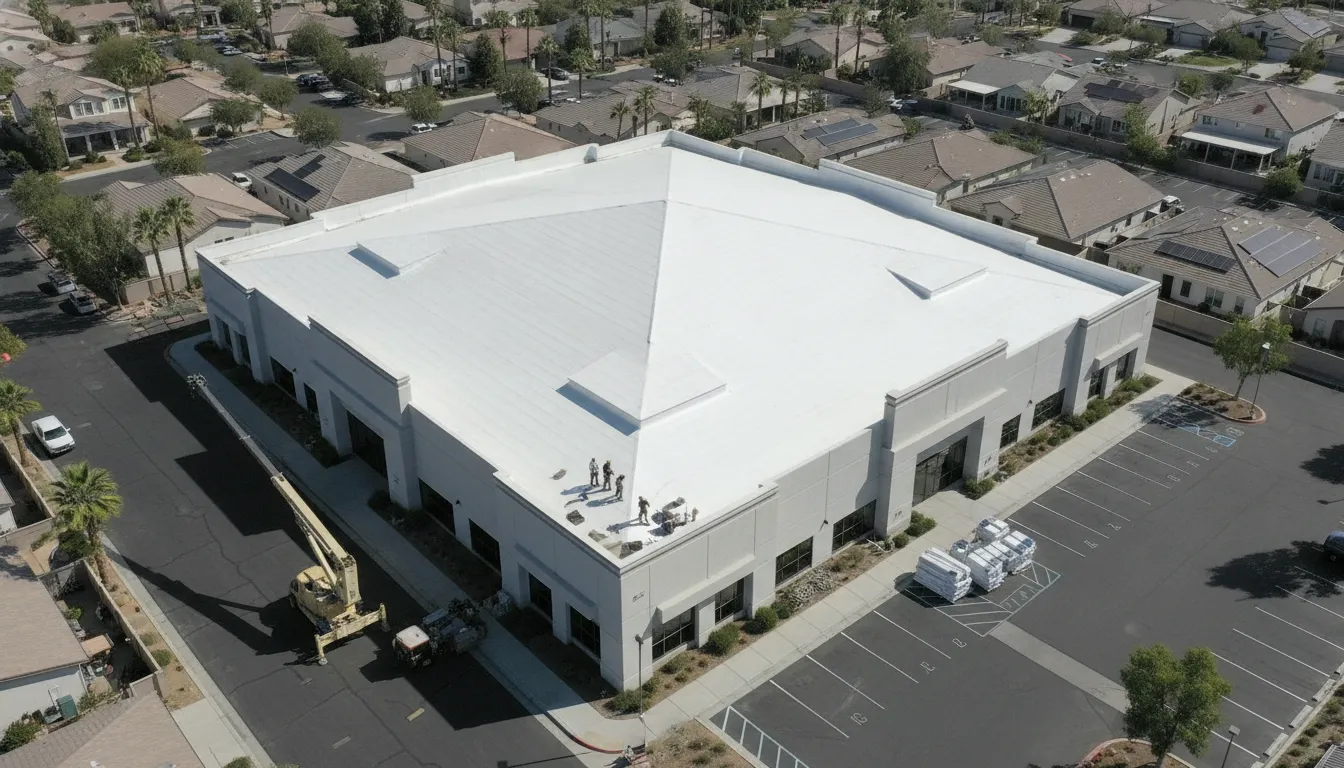
A cool roof works much like a light shirt on a hot day. While dark roofs can reach surface heat of 150 degrees Fahrenheit in the sun, a cool roof stays much lower. By using right materials, your home can stay over 50 degrees Fahrenheit cooler. This shift helps lower indoor heat. It keeps the roof from acting like a big heater for the rooms below.
Solar reflectance and thermal emittance
Two main things show how a roof handles heat. The first is solar reflectance. This is how well the roof bounces sun rays away. The second is thermal emittance. This is how well the roof sheds any heat it does soak up. High scores in both areas are key to meeting cool roof code requirements in Southern California. These ratings make sure less heat enters your home. This can help your roof last longer by keeping it at a lower heat.
Understanding the Solar Reflectance Index (SRI)
The Solar Reflectance Index, or SRI, is one value that combines both scores. It shows how hot a roof surface will get compared to black and white surfaces. For many California roofing standards, the state sets SRI goals to meet the energy code. Roofs with a high SRI are better at staying cool. They reflect most sun energy and shed what is left. This keeps your home cool and helps save on power bills.
Rated products and proof
To meet the Title 24 Energy Code, you must use rated goods. These ratings prove that the material meets state goals for SRI and aged reflectance. Using rated goods is not just about the law. It also helps you pick energy-efficient roofing that saves you money. When you pick a roof with the right proof, you make sure your building stays cool. You also help cut down on your monthly cooling costs.
How should you plan a code-aware roofing project?
Planning a roofing project in California requires more than picking a color. A clear process helps owners identify applicable requirements, compare documented product ratings, and coordinate the complete roof assembly. Commercial property owners can also review Cert-A-Roof’s commercial roofing services when planning a larger project.
Check your climate zone and slope
California has 16 climate zones, and applicable provisions can change by location. Roof slope also affects product selection and performance thresholds. Confirm the property’s climate zone, project classification, and current code edition before buying materials.
Verify material ratings
Product documentation should clearly identify relevant performance ratings. Look for rated products and confirm whether the permit process requires aged solar reflectance, thermal emittance, or SRI documentation. Do not assume a light color alone makes a roofing product compliant.
Check the whole-roof condition
Before you get a new surface, you must check the deck, vents, and drains. A bright new roof will not help if the base is weak. For property leads, this step is key for energy-efficient roofing and long-term care. A full check finds small leaks that could lead to big costs later on.
Project planning steps
- Find your California climate zone and confirm which code edition applies locally.
- Check whether your roof is steep-slope or low-slope, since this affects material options.
- Compare rated products and gather the documentation required for permits.
- Look at your current roof deck to make sure it can hold a new system.
- Get help from a pro to make sure your plan meets all local and state laws.
- Pick a team that knows how to prove your roof meets the code for city permits.
Following these steps makes sure your project is legal. Pro help lets owners pick the best reflective roofing materials for their needs. By planning now, you can cut energy bills and help your roof last longer (U.S. Department of Energy).
Which cool roof materials fit the complete roof system?
You can find cool roof products for almost any type of building. Whether you have a home or a store, many reflective roofing materials are ready to help you save energy. The right choice depends on the slope of your roof and your local climate. Most projects in Southern California must now follow strict cool roof code requirements to meet state goals.
Options for steep and low slopes
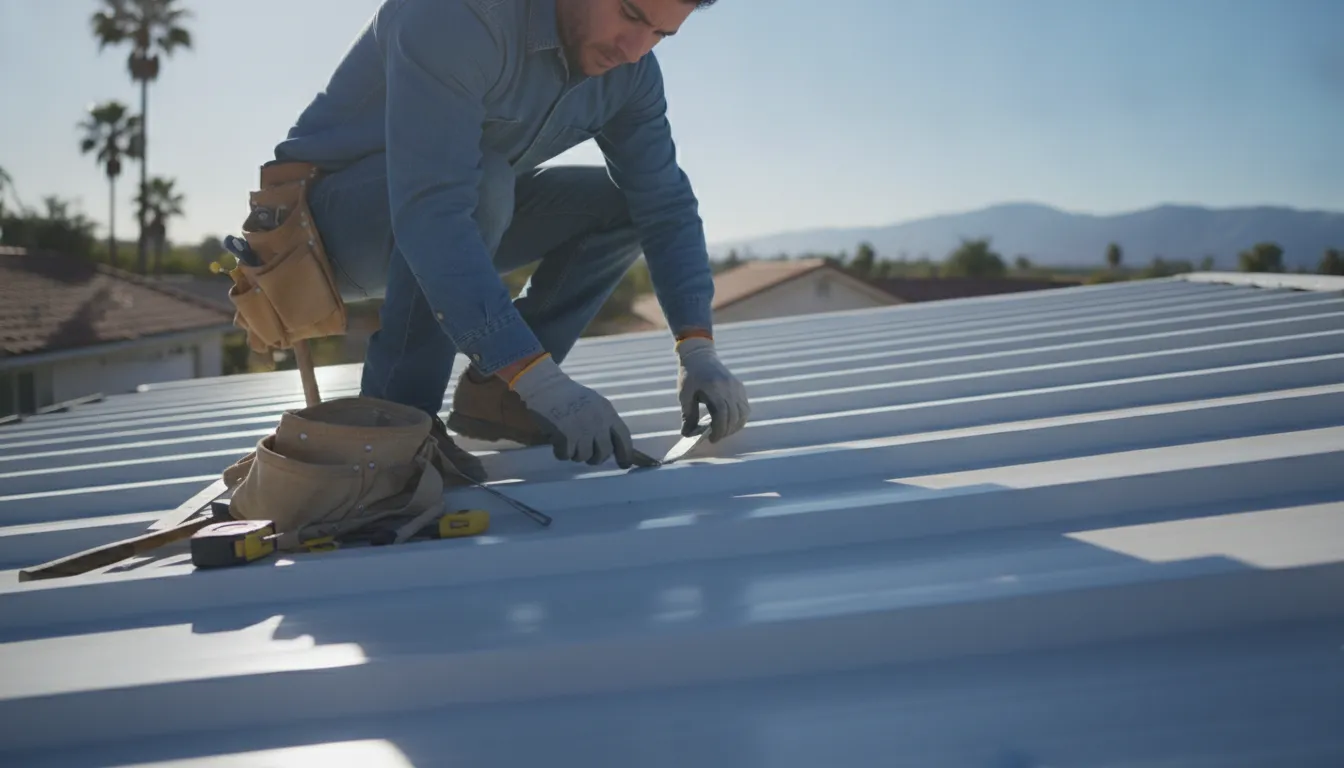
Steep roofs often use shingles, tiles, or metal. Reflective versions are available in a wider range of colors than many owners expect. Exact performance thresholds vary, so compare product ratings against the requirements confirmed for the project rather than relying on a general statewide number.
Low-slope roofs often use membranes or coating systems designed to reflect sunlight. Common options can include TPO, PVC, and eligible roof coatings. Whether a coating is appropriate depends on the existing assembly, drainage, condition, manufacturer instructions, and applicable requirements. A roof inspection should come before the product decision.
Balancing style and performance
Cool roofs work like light clothes on a hot day. They use solar-reflective surfaces to keep the building from taking in too much heat. A dark roof can get as hot as 150 degrees Fahrenheit in the sun. A cool roof under the same light can stay more than 50 degrees cooler. This change makes a big impact on your comfort and your energy bills.
You do not have to give up style for energy savings. Many modern shingles and tiles come in colors that look classic but still reflect the sun. These products use special granules to bounce light away. This helps you keep the look you want while meeting the latest state standards for energy use.
Considering the full roof setup
The top material is only one part of the system. Factors like insulation and how you use the building also change your energy savings. A full system check ensures that every part works well together. This helps you get the most life out of your new roof and keeps your indoor spaces nice all year long.
A good roof needs more than just a cool surface. Proper air flow and strong seals are also needed to stop leaks. When you pick a system, look at the full setup to avoid future problems. This whole-system path is the best way to reach goals for both law and how the roof works.
Common cool roof planning mistakes to avoid
Many owners in Southern California run into trouble when they plan a cool roof. Some skip small facts that lead to big fines or extra work. Avoiding these common traps will help you meet all cool roof code requirements for your building. It also helps make sure you get the full energy savings you want from the project.
Mistaking color for compliance
A common error is to think that any light or white roof is a cool roof. While light colors do reflect more heat, the state has very clear rules. The California Energy Code requires proof of solar reflectance and thermal emittance ratings. You must find products that carry a label from the Cool Roof Rating Council to be sure they qualify.
A roof might look bright but fail to meet the three-year aged reflectance rule. This metric tracks how well a roof stays cool as it gets dirty or old. If you buy the wrong goods, you may have to replace them to pass a final check. Always check the real ratings before you pay for any roofing supplies.
Missing local climate zone rules
Many people treat the state code as a single set of rules. However, California uses 16 clear climate zones to set local rules. Rules in Orange County may differ from those in San Diego or Montana. You must know your zone to pick the right roofing. Using the wrong rules can lead to a failed building permit.
Low-sloped roofs often need an aged solar reflectance of at least 0.63 in most zones. Steep-sloped roofs have other targets to meet. If you do not match the product to your zone, you might miss out on cash rebates. Check with a local expert to find out which California roofing standards apply to your exact street address.
Ignoring roof health and permits
A new cool coating or shingle cannot fix a roof that is already failing. One of the worst mistakes is to ignore the health of the roof deck or drainage. Some owners try to put a cool layer over wet or old materials. This trap can lead to mold and leaks that cost more to fix later on. A full check must happen before any new roofing goes on top.
Failing to get a permit is another big risk. You need a permit for most new roofs and re-roof projects in California. Without one, you lack the records needed to show your home meets state law. These records are also needed if you want to sell your home later. A cool roof can stay more than 50 degrees cooler than a dark roof. This only works if you set it up the right way from the start.
Residential and commercial cool roof decisions
Choosing a cool roof depends on the building type and its use. While both homes and businesses in Southern California must follow the Title 24 Energy Code, their needs often differ. Residential owners focus on looks and comfort. Commercial owners look for long-term savings and low upkeep. Cert-A-Roof helps both find the best reflective roofing materials for their needs.
Steep-slope versus low-slope needs
Most homes in Orange County have steep roofs. Commercial sites use flat or low-slope designs. California code sets different rules for these shapes. A steep roof needs a solar rating of 0.20 to meet cool roof code requirements. Flat roofs face stricter rules and often need a rating of 0.63 or higher. These rules ensure the building stays cool when the sun hits the surface.
Dark roofs can reach 150 degrees Fahrenheit in the heat of a California summer. A cool roof can stay more than 50 degrees cooler under the same sun. This heat gap is why flat-roofed businesses use white coatings or membranes. For homes, cool-colored shingles or tiles offer a mix of style and energy savings. Choosing a system that fits the roof slope is the first step.
Managing roof equipment and drainage
Commercial roofs hold heavy AC units, skylights, and pipes. These items add work to a cool roof project. Good drainage is key to stop water from pooling. Water can damage the reflective coatings. During a commercial roofing project, teams must work around this gear. A well-set system ensures the roof stays white and works well for many years.
Residential cool roofs have fewer units on top. They still need good airflow. Attic fans and vents help the roof by moving hot air out. Poor drainage on a home roof can lead to leaks and mold. This lowers the value of the home. Homeowners should work with experts who know how to blend energy-efficient roofing with the home’s structure and local weather.
Planning for long-term maintenance
A cool roof only works if it stays clean. Dirt, soot, and mold can make a white roof dark. This stops it from reflecting heat. Commercial owners set up yearly cleaning plans to keep energy bills low. Regular checks help find small leaks before they turn into big repair costs. Keeping the surface bright is the best way to get a high return on what you buy.
Homeowners also need to keep their roofs clear of leaves or branches. A home roof might not need a pro cleaning as often as a store. It still needs care. A clean roof helps the materials last longer by keeping temperatures low. Owners who follow a simple plan can enjoy a more comfortable home and lower power costs for the life of the roof.
Frequently Asked Questions
Does my California home need a cool roof?
Most homes in hot climate zones must follow these rules for new builds or large repairs. This includes many parts of Southern California like Orange County. If you replace a large part of your roof, you likely need cool materials. These products help keep your home from getting too hot in the sun. You should check the state climate zone map to see if your local area has these required energy standards.
What are California’s cool roof requirements?
The state sets rules for how roofs reflect light and shed heat. Under the Title 24 code, roofs must meet specific ratings for solar reflectance. For instance, steep roofs in many zones need a score of 0.20 or higher. These rules help lower the heat of the whole building. Using these products reduces the strain on the power grid during the hot summer months in California.
When does the cool roof code apply to roof replacements?
You must follow the code if you replace more than half of your roof area. It also applies if the new part is over 2,000 square feet. These rules depend on your local climate zone. Small repairs do not usually trigger the code. However, using cool materials is still a good idea for any project. These products can save you money and keep your home much cooler during the warm months of the year.
How do cool roofs reduce energy bills?
Cool roofs work by reflecting sunlight away from your home. This keeps the roof surface from getting very hot. According to the Department of Energy, this reduces the need for air conditioning. When your home stays cooler on its own, you do not have to run your cooling system as much. This leads to less energy use and lower monthly bills for most property owners.
Plan your code-aware cool roof project
A sound roof decision starts with the existing roof condition, the proposed scope, and confirmation of current local requirements. Cert-A-Roof can help you assess the system and compare practical roofing options for your property.
Ready to request a professional roof assessment? Our pros are here to help you. We will guide you through the whole path of your project. Visit our contact page to book your inspection and get started on your new cool roof today.

Comment (0)