Drone Roof Inspection for Tile Roofs
Drone Roof Inspection for Southern California Tile Roofs
A drone roof inspection is often the safest way to evaluate a fragile, steep, or hard-to-access roof without turning the inspection itself into a source of damage. That matters in Southern California, where clay tile, concrete tile, slate, metal, and complex rooflines are common. A trained inspector can use high-resolution aerial images to document roof conditions, identify visible defects, and decide whether repairs, a closer hands-on check, or LeakFREE certification steps make sense.
Need a safer roof inspection for a tile, metal, slate, concrete, or steep roof? Request an appointment with Cert-A-Roof or call 888-766-3800. Our NRCIA-certified inspectors serve Southern California with detailed roof reports and clear next steps.
This guide explains when drone inspections are the right choice, what they can and cannot confirm, how Cert-A-Roof’s NRCIA-certified process works, and how aerial findings can support repair estimates or the next step toward a LeakFREE roof certification.
What Is a Drone Roof Inspection?
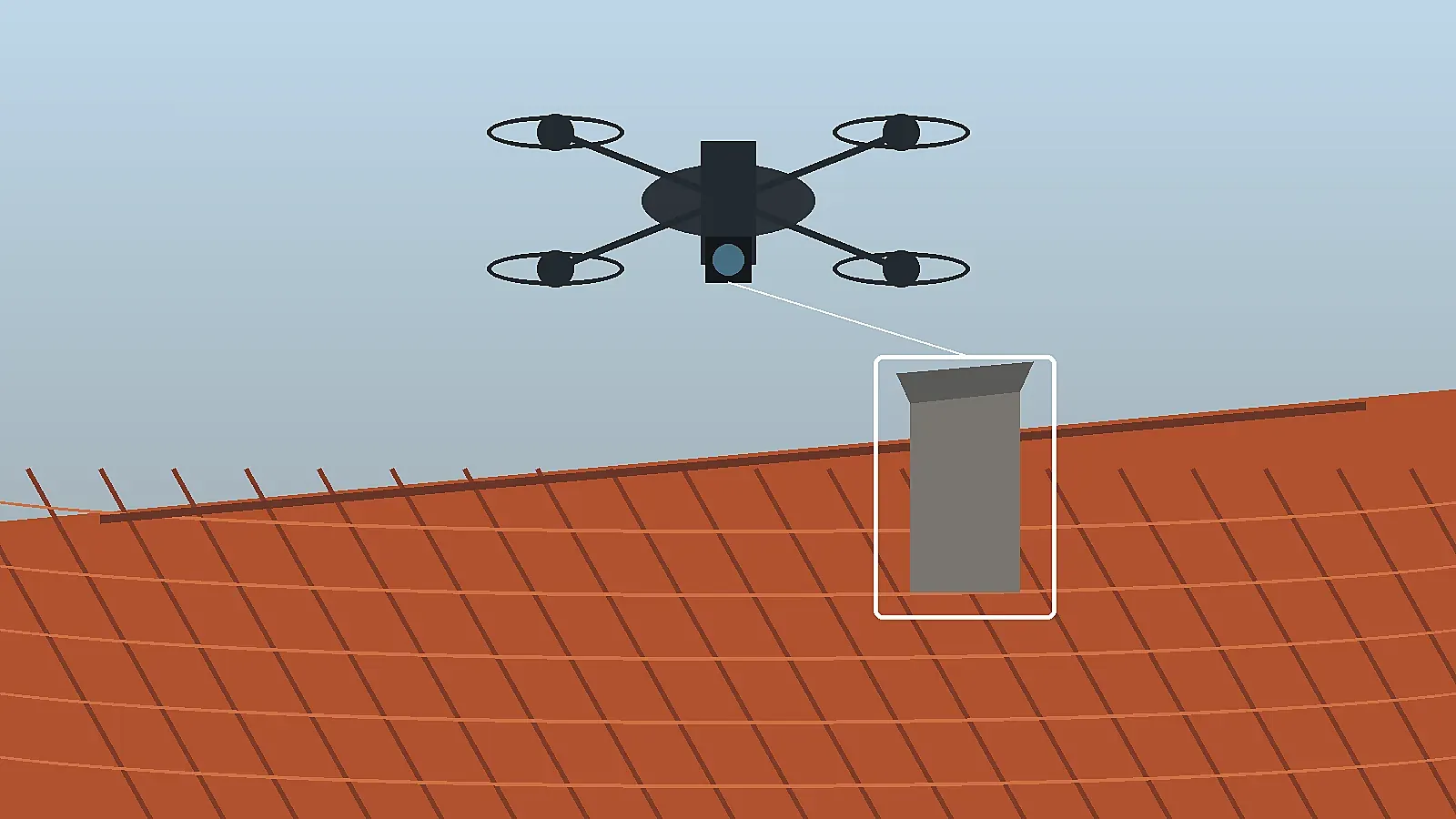
A drone roof inspection uses an FAA-registered aerial camera platform to capture detailed images and video of roof surfaces from above and around the structure. Instead of walking directly on every section of the roof, the inspector pilots the drone to view slopes, ridges, valleys, flashings, vents, skylights, chimneys, gutters, and visible roof-covering conditions.
The important word is inspection. A drone is not a replacement for professional judgment. It is a tool used by a qualified roof inspector to collect visual evidence from angles that may be unsafe, impractical, or damaging to reach on foot.
For many homes, especially those with fragile roofing materials, the drone helps answer three practical questions:
- Is the roof safe enough to walk without causing unnecessary damage?
- Are there visible defects that need repair, monitoring, or closer evaluation?
- Is the roof a candidate for additional inspection, repair estimating, or LeakFREE certification review?
A standard roof inspection may still include interior observations, attic review when accessible, moisture clues, and other site-specific checks. The drone adds a safer way to examine the roof exterior when direct foot traffic is risky.
Why Drone Inspections Matter for Southern California Roofs
Southern California roofs face a specific mix of challenges. Sun exposure dries out sealants and underlayment. Santa Ana winds can lift edges, move debris, and stress flashings. Coastal air can accelerate corrosion on metal details. Wildfire seasons make defensible maintenance more important. Older tile roofs may look solid from the ground while cracked, slipped, or displaced tiles hide on upper slopes.
At the same time, many Southern California roofing materials are not friendly to casual foot traffic. A well-meaning inspector, contractor, homebuyer, insurance adjuster, or homeowner can break tiles by stepping in the wrong area. That damage may not be obvious until the next rain.
A drone inspection reduces unnecessary roof loading and helps preserve the existing roof while still gathering useful documentation. For real estate transactions, insurance conversations, storm follow-up, and preventive maintenance planning, that documentation can be the difference between guessing and making an informed decision.
When Is a Drone Roof Inspection Safer Than Walking the Roof?
A drone roof inspection is most valuable when walking the roof would create a safety risk, damage risk, or access problem. The roof may still need closer evaluation in certain areas, but the drone can help determine where attention should go first.
Clay Tile Roofs
Clay tile is common on Spanish, Mediterranean, and custom homes throughout Orange County, Los Angeles County, San Diego County, Riverside County, and nearby Southern California communities. It is also one of the easiest materials to crack under concentrated foot pressure.
Clay tiles may already be brittle from age, heat, or previous repairs. A drone can document cracked tiles, slipped tiles, missing ridge caps, debris buildup, and visible flashing issues without forcing the inspector to step across the surface. If a closer look is needed, the inspector can target specific areas instead of walking the roof unnecessarily.
Concrete Tile Roofs
Concrete tile is heavier and generally tougher than clay, but it is not immune to breakage. Older concrete tile can crack, chip, or shift, especially around valleys, transitions, roof edges, and high-traffic service areas near vents or mechanical equipment.
Drone imagery can show alignment problems, broken tile corners, displaced pieces, and drainage concerns. This is especially useful on large homes where multiple roof planes make ground-level assessment unreliable.
Slate Roofs
Slate is durable, but individual slate pieces can be fragile and expensive to replace. Walking on slate without the right methods can create new cracks or worsen existing damage. Many slate roofs also have steep slopes, making fall risk a real concern.
A drone can capture high-angle views of cracked, missing, or sliding slate pieces while keeping people off delicate roof surfaces. If repair work is needed, the imagery helps the roofer focus on documented problem areas.
Metal Roofs
Metal roofs can be slippery, especially with morning moisture, coastal air, dust, or a steep pitch. Some metal panels can also dent or oil-can from foot traffic. Fasteners, seams, ridge details, penetrations, and transitions are often the areas that need the closest visual review.
Drone inspection is useful for scanning panel alignment, visible fastener concerns, corrosion, open seams, and flashing details. It can also help identify where a hands-on test or repair estimate is necessary without turning the entire roof into a walking surface.
Steep or Complex Roofs
Some roofs are simply not safe to walk without specialized equipment. Steep pitches, multi-story drops, narrow ridges, fragile edges, and complex valleys all raise the risk. A drone can capture visual evidence from multiple angles while reducing ladder time and fall exposure.
For homeowners, that means the inspection can often move forward without asking someone to take unnecessary risk. For real estate agents and buyers, it can also keep the transaction moving when a roof is difficult to access during a standard home inspection.
What Can a Drone Roof Inspection Find?
A drone roof inspection is best for visible exterior conditions. It can reveal a lot when images are reviewed by someone who understands roofing systems, drainage paths, material behavior, and common failure points.
Common findings include:
- Cracked, broken, slipped, or missing tiles
- Damaged or displaced ridge and hip caps
- Debris in valleys, gutters, and drainage paths
- Visible flashing problems at chimneys, skylights, vents, and walls
- Open penetrations or deteriorated sealant around pipes and vents
- Rust, corrosion, or staining on metal roof components
- Evidence of ponding or poor drainage on visible low-slope areas
- Tree contact, branch damage, or overhanging debris concerns
- Storm-related displacement after wind, hail, or heavy rain
Drone images can also help create a record of roof condition at a point in time. That can be useful before selling a home, after a storm, before repair work begins, or as part of a maintenance file for long-term ownership.
What a Drone Inspection Cannot Confirm by Itself
A drone is powerful, but it is not magic. It cannot see through roofing materials, test every hidden layer, or confirm the full condition of underlayment from the air. It also cannot always prove the source of an active leak without additional investigation.
Some situations may require a broader inspection process:
- Interior ceiling stains or active water entry
- Attic moisture, ventilation, or sheathing concerns
- Underlayment condition on older tile roofs
- Decking damage hidden below roof coverings
- Installation quality questions that require closer review
- Insurance or legal disputes that need forensic documentation
That is why the inspector matters. Cert-A-Roof uses drone imagery as part of a professional evaluation, not as a shortcut. If the aerial evidence points to a deeper concern, the recommendation should say so clearly.
How Cert-A-Roof’s NRCIA-Certified Process Works
Cert-A-Roof has completed more than 75,000 inspections and certifications and follows NRCIA-standardized roof inspection protocols. The goal is not to sell guesswork. The goal is to document roof condition, identify visible deficiencies, and give property owners a practical path forward.
For a drone roof inspection, the process typically includes:
- Appointment and roof-access review. The inspection team confirms the property, roof type, known concerns, and whether drone inspection is appropriate for the structure.
- Exterior site review. The inspector evaluates access, surrounding obstacles, tree coverage, wind conditions, and visible roof areas before flight.
- Drone image capture. The drone is used to document roof planes, ridges, valleys, flashings, penetrations, skylights, chimneys, and other visible exterior components.
- Inspector analysis. A qualified inspector reviews the images for roof-system concerns, not just cosmetic issues.
- Photo-based reporting. Findings are organized with observations, recommendations, and next steps.
- Repair or certification guidance. If repairs are needed, the report can support estimating. If the roof appears eligible, the next step may be LeakFREE certification review.
Cert-A-Roof’s inspection services are designed for homeowners, real estate professionals, property managers, insurance situations, and anyone who needs more than a casual opinion from the ground.
Not sure whether your roof needs a drone inspection, a standard inspection, or a repair inspection? Call 888-766-3800 or review Cert-A-Roof’s roof inspection services to choose the right starting point.
Can Drone Inspection Support Repair Estimates?
Yes. A drone roof inspection can support repair estimates when the visible defects are clear enough to document location, material type, and scope. For example, aerial images may show a cluster of cracked clay tiles near a valley, damaged flashing at a chimney, slipped concrete tiles near a ridge, or debris blocking water flow.
That documentation helps the repair conversation in several ways:
- It shows the homeowner what the inspector found.
- It helps the roofing team understand where repairs may be needed.
- It reduces vague estimates based only on ground-level observation.
- It creates before-repair documentation for the property file.
- It can clarify whether a targeted repair or broader evaluation is more appropriate.
Some repairs still require closer measurement, material matching, safe access planning, or hands-on confirmation. Drone images are a strong starting point, especially when they are paired with professional roofing experience and clear reporting.
If the roof needs more than inspection, Cert-A-Roof also provides roofing services for repairs, replacement, maintenance, and related roof work.
How Drone Findings Connect to LeakFREE Certification
A LeakFREE roof certification is not the same as a quick visual scan. Certification depends on whether the roof meets the required standard after inspection and, when needed, after repairs are completed. A drone inspection can be an important early step for roofs that are unsafe or unwise to walk.
For tile and steep roofs, drone findings may help identify visible deficiencies that must be addressed before certification can be considered. If the aerial inspection shows cracked tiles, open flashings, damaged caps, or other roof-system concerns, those items may need repair first.
Once the roof condition is documented and required repairs are handled, the property may move toward the certification process. This is especially valuable in real estate transactions where buyers, sellers, agents, lenders, or insurers need reliable roof documentation rather than informal assurances.
When Should Homeowners Schedule a Drone Roof Inspection?
Homeowners should consider a drone roof inspection when the roof material, slope, height, or condition makes walking risky. It is also useful when recent events may have affected roof performance.
Common timing triggers include:
- Before listing a home for sale
- During escrow when the general home inspection raises roof concerns
- After wind, hail, heavy rain, or flying debris
- When clay or concrete tile damage is suspected
- When a steep roof cannot be safely accessed
- Before requesting repair estimates
- As part of annual or seasonal roof maintenance
- Before pursuing LeakFREE certification
For preventive maintenance, many property owners pair drone documentation with regular roof inspections. The best schedule depends on roof age, material, tree coverage, prior repairs, weather exposure, and whether the property is involved in a transaction.
Drone Roof Inspection vs. Standard Roof Inspection
The best inspection method depends on the roof and the question being answered. A drone inspection is not automatically better than a standard inspection. It is better when it protects the roof, improves access, or captures evidence that would otherwise be difficult to obtain safely.
| Inspection Type | Best For | Limitations |
|---|---|---|
| Drone roof inspection | Fragile tile, slate, metal, steep roofs, complex rooflines, visible exterior documentation | Cannot see hidden underlayment, attic moisture, or every concealed leak source by itself |
| Standard roof inspection | Accessible roofs, broader exterior review, interior clues, attic observations when accessible | May not be safe or appropriate for fragile or steep roofs |
| Forensic roof inspection | Insurance claims, disputes, installation concerns, complex leak investigations | More involved and typically reserved for higher-stakes roof questions |
In practice, these methods can work together. A drone may identify the safest path for further evaluation. A standard or forensic inspection may then answer questions that aerial photos cannot fully resolve.
Questions to Ask Before Hiring a Drone Roof Inspector
Not every drone operator is a roof inspector. Aerial photos are only useful if the person interpreting them understands roof systems. Before scheduling, ask questions that separate a roofing inspection from a simple photo flight.
- Is the inspection performed or reviewed by a qualified roof inspector?
- Does the company understand clay tile, concrete tile, slate, metal, and steep roof risks?
- Will the report include photo observations and recommendations?
- Can the company provide repair estimates or next steps if issues are found?
- Can the inspection support a certification process if the roof qualifies?
- Does the company have roofing, inspection, and certification experience, not just drone experience?
Cert-A-Roof’s advantage is the combination of drone documentation, NRCIA-certified inspection protocols, roofing expertise, and certification pathways. That combination matters when the result may influence repairs, a real estate transaction, or long-term roof planning.
FAQ: Drone Roof Inspection
Is a drone roof inspection accurate?
A drone roof inspection can be highly useful for visible exterior conditions when images are captured and reviewed by a qualified roof inspector. It is strongest for documenting surfaces, flashings, penetrations, drainage areas, and material damage. Hidden conditions may still require additional inspection.
Can a drone inspection find roof leaks?
A drone may identify visible defects associated with leaks, such as cracked tiles, damaged flashing, open penetrations, or debris-blocked drainage. However, confirming the exact leak source may require interior review, attic inspection, water testing, or forensic investigation depending on the situation.
Is a drone inspection good for clay tile roofs?
Yes. Clay tile is one of the strongest use cases because it can crack under foot traffic. Drone imagery helps document visible issues while reducing the chance that inspection activity will damage fragile tiles.
Can drone photos be used for repair estimates?
Drone photos can support repair estimates when visible defects are clear and properly documented. Some repairs may still require closer measurement, safe access planning, or material verification before the final scope is set.
Schedule a Safer Roof Inspection
A drone roof inspection is not about using technology for its own sake. It is about protecting fragile roofing materials, improving safety, and giving homeowners better documentation before decisions are made. For Southern California tile, metal, slate, concrete, and steep roofs, that can make the inspection process safer and more useful.
If your roof is too fragile, steep, or difficult to access safely, call Cert-A-Roof at 888-766-3800 or request an appointment online. Our NRCIA-certified inspection process can help you understand roof condition, plan repairs, and determine whether LeakFREE certification is the right next step.
Comment (0)