Forensic Roof Inspection for Insurance Disputes
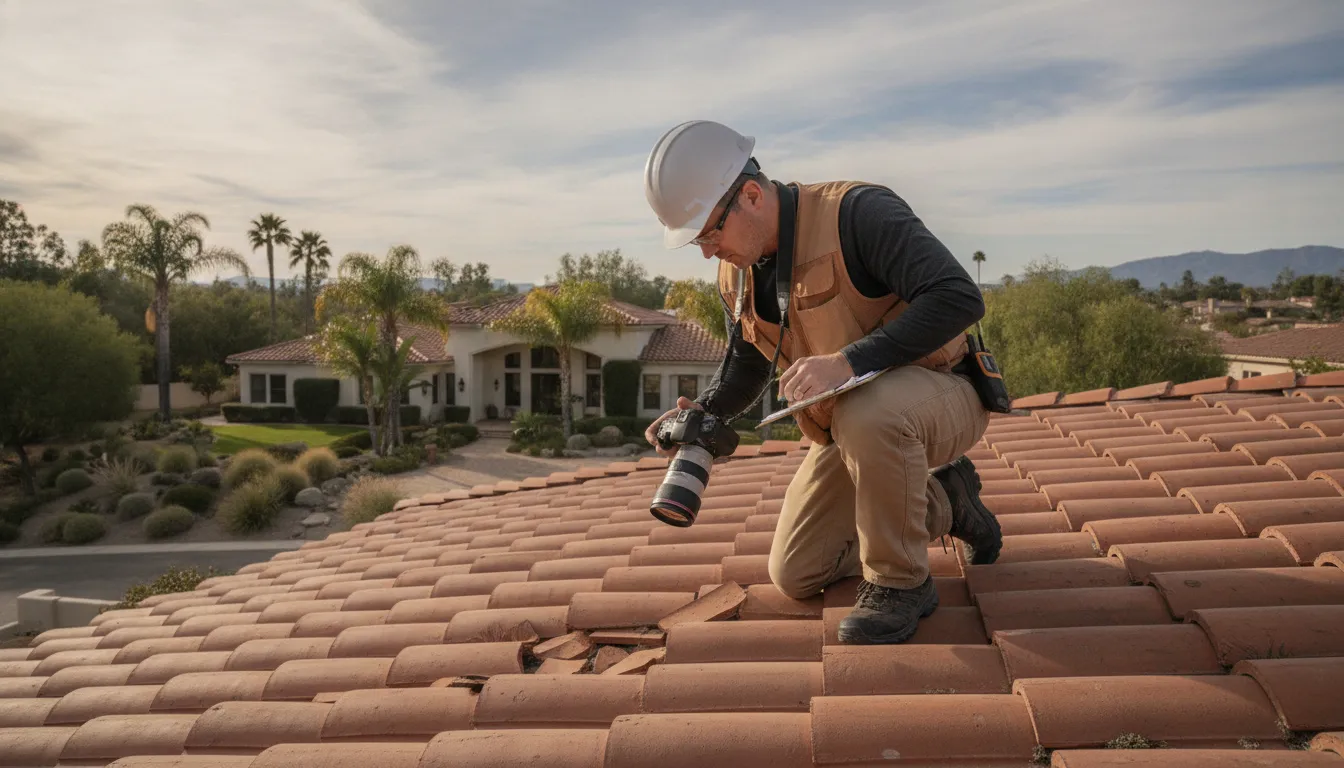
A roof claim can stall when the property owner and insurer disagree about what caused the damage. A forensic roof inspection turns that disagreement into a technical question that can be examined, documented, and explained. Instead of offering only a repair price, the inspector evaluates damage patterns, materials. Installation details, weather history, and other evidence to develop a defensible opinion about cause and scope.
Schedule a forensic roof inspection with Cert-A-Roof to get clear documentation before evidence is altered or lost.
This guide explains when a property owner may need a forensic inspection. What the process evaluates, and how the resulting report can support an insurance claim or legal dispute. It also explains why Cert-A-Roof’s Forensic ROOF process is different from a basic roofing estimate.
What is a forensic roof inspection?
A forensic roof inspection is a detailed investigation used to identify how and why a roof failed or became damaged. It connects observed conditions to likely causes through systematic documentation and technical analysis. The goal is not to advocate for one side, but to produce findings that an adjuster, attorney, contractor, or property owner can understand and evaluate.
A standard inspection typically identifies current roof conditions and recommended repairs. A forensic investigation goes further. It asks whether a condition is consistent with wind, hail, impact, installation error, age-related deterioration, deferred maintenance, or another cause. It also considers when the damage likely occurred and whether one cause may have made another problem worse.
That distinction matters in an insurance dispute. Coverage decisions often depend on cause, timing, and scope. A repair estimate can explain what work may be needed, but it usually does not establish why the work became necessary. A forensic report is designed to close that evidence gap.
Cert-A-Roof’s professional roof inspection services give property owners a starting point for understanding roof conditions. When the cause is disputed or litigation is possible, the more detailed Forensic ROOF process may be appropriate.
When do you need a forensic roof inspection?
A forensic roof inspection is most useful when the cause, date, or extent of roof damage is contested. Property owners often request one after a denied or underpaid claim, after multiple contractors offer conflicting explanations, or when a roof problem may lead to litigation. Early inspection helps preserve conditions before repairs change the evidence.
A claim was denied or underpaid
An insurer may attribute roof damage to wear, maintenance, or an installation defect, while the property owner believes a covered event caused it. A forensic inspector documents the physical evidence behind an independent technical opinion. That report can help the owner and insurer focus discussions on specific conditions rather than competing assumptions.
Damage appeared after a storm
Wind, hail, falling debris, and driven rain can leave different patterns. Some damage is obvious, but other signs may appear around flashing, fasteners, underlayment, or roof penetrations. An investigation can compare observed conditions with available weather information and the roof’s construction. The National Weather Service explains that hail size and wind conditions can vary significantly within the same storm, which is one reason site-specific evidence matters.
Experts or contractors disagree
Conflicting estimates can create more questions than answers. One contractor may recommend spot repairs, while another recommends replacement. A forensic inspection examines the basis for those recommendations and separates repair scope from cause analysis. Property owners preparing for a dispute can also review Cert-A-Roof’s resources for insurance companies and claim stakeholders.
Litigation or formal dispute resolution is possible
Attorneys and other professionals need reports that clearly show what was inspected, what was observed, and how conclusions were reached. Cert-A-Roof works with attorneys handling roof-related matters and understands that a useful report must be organized, readable, and supported by documented observations.
What does a forensic roof inspection evaluate?
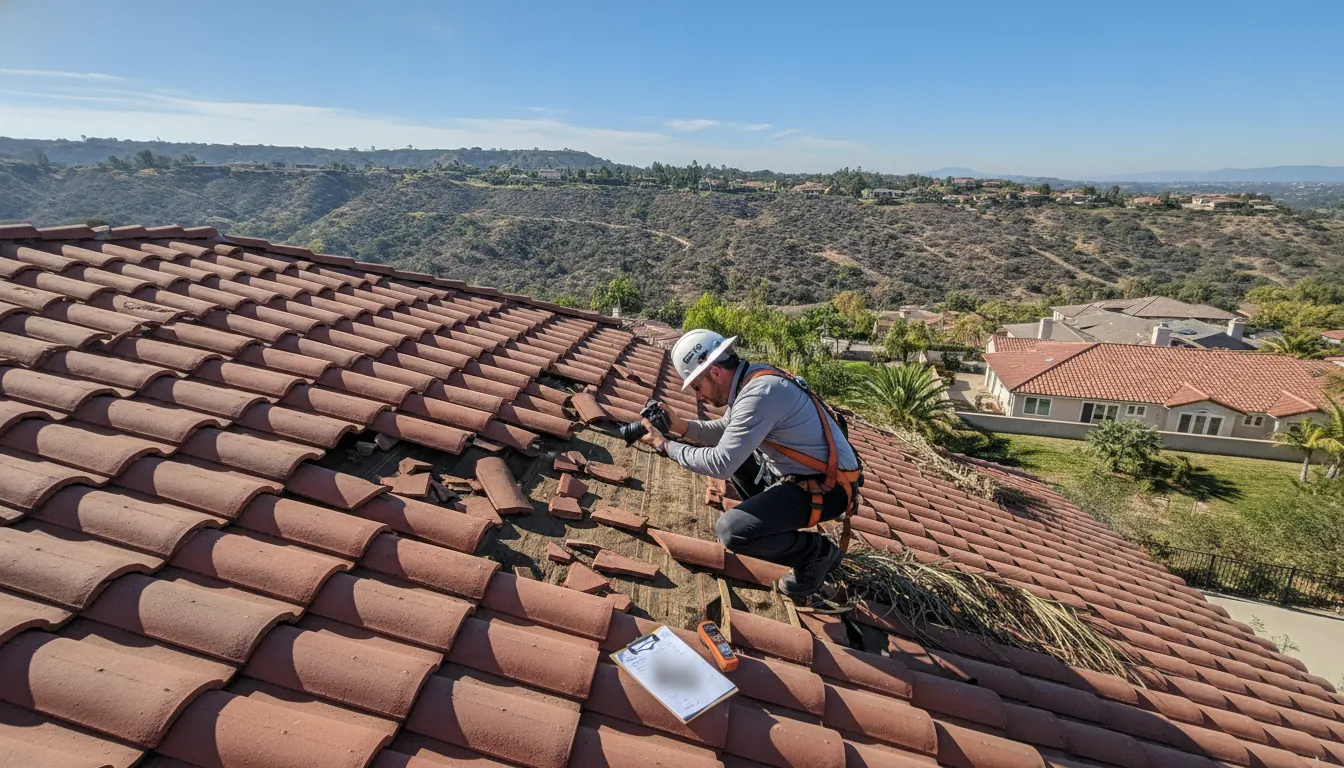
A forensic roof inspection evaluates the roof as a complete system, not as a collection of isolated defects. The inspector reviews exterior and accessible interior conditions, materials, installation details, drainage, penetrations, repairs, and damage patterns. The analysis may also incorporate records, weather information, testing, and photographs when those sources are relevant.
Damage patterns and physical indicators
Inspectors look for patterns that can distinguish a localized impact from widespread aging or a recurring installation issue. They may document displaced or fractured materials, surface marks, lifted components, seal failures, corrosion, moisture staining, and prior repair areas. The location and direction of a pattern can be as important as the condition itself.
Installation and building details
A roof may perform poorly because materials were installed incorrectly or because details at transitions, walls, valleys, drains, or penetrations are inadequate. Forensic work examines whether installation conditions are related to the reported loss. Cert-A-Roof also provides roof repair services, but the investigation should identify cause before the repair scope is treated as evidence.
Interior and moisture evidence
Accessible attics and interior areas may reveal moisture paths, staining, ventilation issues, or repeated leakage. A stain alone does not prove when water entered or identify its exact source. The inspector compares interior evidence with exterior conditions to develop a more complete explanation.
Records and timeline
Maintenance records, previous inspection reports, photographs, invoices, and claim documents can establish what was known before and after the reported event. Weather data may provide useful context, but it should be evaluated alongside property-specific evidence. A sound opinion explains both the evidence that supports a conclusion and any important limitations.
| Evaluation area | Basic estimate | Forensic roof inspection |
|---|---|---|
| Primary purpose | Price recommended work | Analyze cause, timing, and scope |
| Documentation | Selected photos and repair notes | Organized observations, patterns, and supporting evidence |
| Cause analysis | Often limited | Central part of the investigation |
| Records reviewed | Usually minimal | May include weather, maintenance, claim, and repair records |
| Best use | Planning routine repairs | Insurance disputes, complex failures, and litigation |
How does documentation support an insurance dispute?
Good documentation gives every party a common set of facts to review. A forensic report should connect photographs, locations, measurements, records, and technical reasoning so readers can follow how the inspector reached each conclusion. That clarity can support a claim discussion, appraisal, mediation, expert review, or litigation.
A useful report separates observation from opinion. For example, it may first identify and photograph a displaced roof component, then explain why the observed direction, surrounding conditions, and available event data support a particular cause. This structure makes the analysis easier to evaluate and reduces ambiguity.
Documentation is also valuable when several causes may be involved. A storm can expose an existing weakness, and a long-term maintenance issue can affect how much damage develops afterward. A credible report does not force every condition into a single explanation. It distinguishes supported conclusions from unresolved questions and states limitations.
The report can also help define a reasonable repair scope. If damage is limited to one area, the evidence should show that. If matching, access, installation, or system-wide conditions affect the practical scope, those issues should be documented too. Homeowners who want to understand their broader options can review Cert-A-Roof’s guidance for residential property owners.
Contact Cert-A-Roof before authorizing permanent repairs if your claim depends on preserving and documenting current roof conditions.
How Cert-A-Roof’s Forensic ROOF process differs
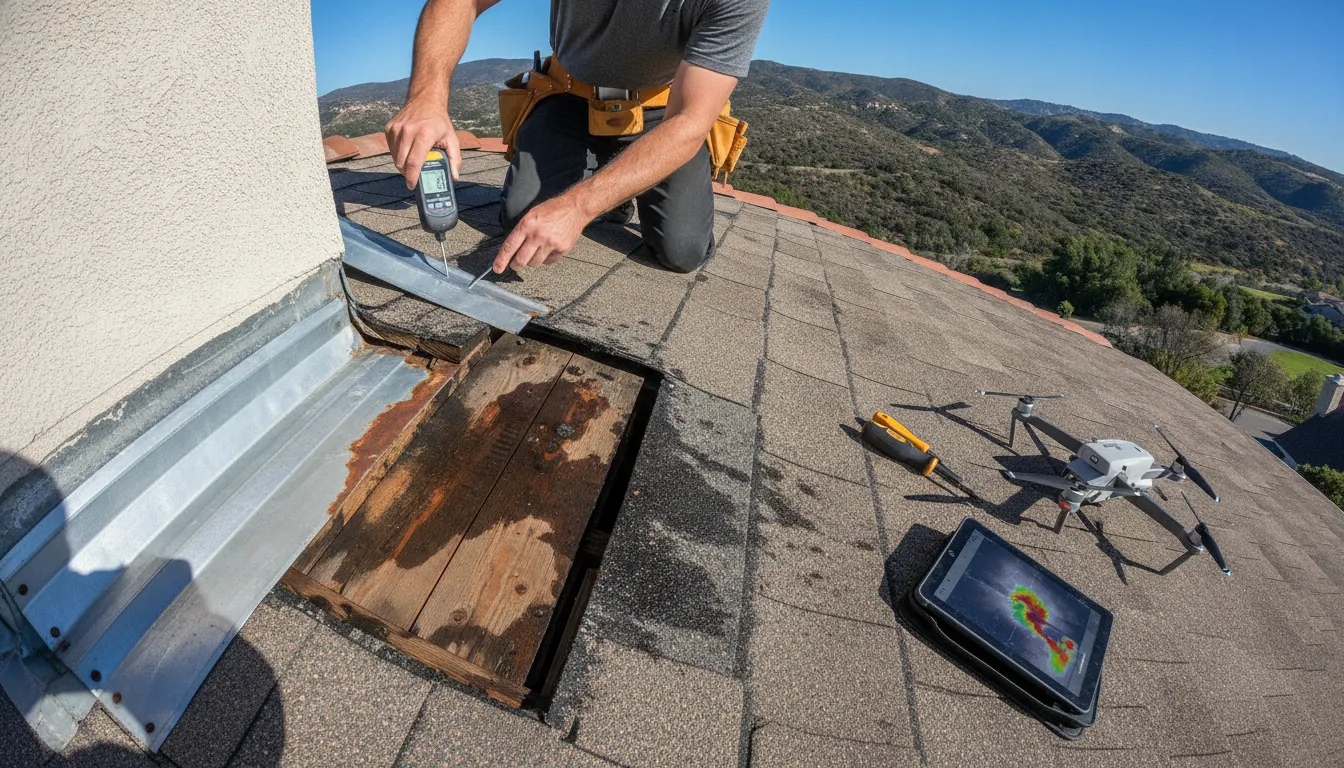
Cert-A-Roof’s Forensic ROOF process is designed for complex matters that require more than an opinion and a repair price. It evaluates installation quality, structural and material conditions, code-related details, and evidence relevant to the reported loss. Specialized testing may be recommended when it is needed to answer a material question.
The process begins by defining the question. Is the dispute about storm damage, installation quality, leak origin, repair scope, or several issues at once? A clear assignment keeps the inspection focused and helps ensure the final report addresses the decisions the client actually needs to make.
Next, the inspector documents observable conditions and available records. Conclusions are then built from the relationship between those facts. This is different from starting with a preferred outcome and looking only for evidence that supports it. The value of forensic work comes from a method that remains understandable even when the findings are not simple.
Cert-A-Roof inspectors are certified through the National Roof Certification and Inspection Association. Paul Watrous, President of Cert-A-Roof and NRCIA, brings industry leadership to the company’s inspection standards. Property owners can also learn how routine assessments and documentation fit into Cert-A-Roof’s broader roof inspection process.
A Forensic ROOF inspection is not necessary for every roof concern. A routine leak or clearly defined repair may be handled through a standard inspection and repair process. The forensic service is best reserved for disputed, high-stakes, or technically complex conditions where the cause and documentation matter as much as the repair itself.
How should you prepare for the inspection?
Prepare by preserving evidence, gathering records, and giving the inspector a clear account of the problem without directing the conclusion. Avoid permanent repairs until conditions are documented when it is safe to do so. Provide claim correspondence, photographs, maintenance history, prior reports, and a timeline of observed damage or leaks.
- Protect the property. Take reasonable temporary steps to prevent additional damage, and photograph the condition before and after temporary work.
- Gather records. Collect policy and claim correspondence, prior roof reports, invoices, warranties, permits, maintenance records, and dated photographs.
- Write a timeline. Note when the event occurred, when damage was first observed, when leaks appeared, and what actions were taken.
- Preserve removed materials. If emergency work requires removing roof materials, ask whether representative pieces should be retained and documented.
- Provide safe access. Make accessible attic, ceiling, and exterior areas available while keeping occupants away from unsafe spaces.
- List the disputed questions. Identify the specific disagreements the report should address, such as cause, extent, or repairability.
Do not clean, discard, or alter possible evidence solely to make the property look better before inspection. Safety and damage mitigation come first, but careful documentation helps preserve context. If permanent work is already complete, provide before-and-after photos and contractor records so the inspector can evaluate what remains available.
Frequently asked questions
How is a forensic roof inspection different from a standard roof inspection?
A standard inspection identifies roof conditions and maintenance or repair needs. A forensic inspection investigates why damage occurred, when it may have occurred, and how the evidence supports that opinion. It generally involves more extensive documentation, analysis, and reporting because the findings may be used in an insurance or legal dispute.
When should I request a forensic roof inspection?
Request one when the cause or scope of roof damage is disputed, after a denied or underpaid claim, when experts disagree, or when litigation is possible. Arrange the inspection as early as practical so repairs, cleanup, and later weather do not alter important evidence.
Can a forensic report guarantee that an insurance claim will be paid?
No. Coverage and payment decisions depend on the policy, insurer, evidence, and applicable process. A forensic report provides an independent technical analysis that can help the parties understand roof conditions and evaluate the disputed cause or scope.
How much does a Forensic ROOF inspection cost?
The scope and fee depend on the property, disputed questions, records, access, and whether specialized testing is needed. Cert-A-Roof’s knowledge base lists an approximate starting cost of $1,800 plus specialized inspection charges. Request a scope-specific quote before scheduling.
Get clear findings before the dispute progresses
A timely forensic roof inspection can preserve evidence, clarify the cause of damage, and give all parties a better basis for evaluating the claim. The most useful investigation starts with a focused question, follows the evidence, and explains its conclusions without guesswork. That is the purpose of Cert-A-Roof’s Forensic ROOF process.
Schedule your forensic roof inspection with Cert-A-Roof to discuss the disputed conditions and the documentation your matter requires.
Comment (0)