
Escrow roof repairs California: Closing Guide
A single cracked tile or hidden attic leak can slow a California home sale when the file is already under pressure. Buyers want protection, sellers want a fair scope, and agents need clean documentation before deadlines tighten.
Need roof documentation during escrow? Request escrow roof repair documentation from Cert-A-Roof before a roof question turns into a closing delay.
Escrow roof repairs California transactions often require a roof-specific inspection, a written repair scope, proof of completed work, and sometimes a roof certification before closing. California sellers generally must disclose known roof issues. The parties still negotiate how repairs, credits, or certifications will be handled. Professional documentation helps lenders, insurance reviewers, buyers, sellers, and agents understand the roof condition without guesswork.
Clear roof documentation can prevent a small inspection note from becoming a closing crisis. Buyers, sellers, and agents should understand how escrow roof repairs California can affect a closing.
How escrow roof repairs California can affect a closing
Summary: Escrow roof repairs California can affect closing timelines when a roof finding creates buyer, lender, insurance, or disclosure questions. A roof-specific inspection, clear repair scope, and completion proof help the team keep negotiations specific. A certification path can also prevent one vague inspection note from delaying the file.
The inspection changes the deal calendar
Escrow roof repairs California buyers and sellers face are rarely just a construction issue. They become a timing issue, a documentation issue, and often a confidence issue for every party in the file. A roof concern found during inspection can trigger new questions from the buyer, the seller, the agent, the lender, and the insurance carrier.
That does not mean the closing has to fall apart. It means the roof condition needs to be defined clearly. The faster the team can separate urgent repair needs from ordinary maintenance, the easier it is to keep negotiations focused and practical.
Need roof documentation during escrow? Start with a roof certification for real estate closing that helps the transaction team understand what is known, what was repaired, and what can be documented.
Roof findings can shift negotiations
A buyer may ask for repairs, a credit, a price adjustment, or proof that the roof is safe to insure. A seller may want to limit the scope to lender-required items. An agent may need language that keeps both sides moving without making promises the roof has not earned.
This is where a professional roof report matters. A vague note that says “roof needs work” creates room for fear. A written scope with photos, repair details, and a certification path gives the parties something concrete to negotiate.
Documentation protects momentum
Many escrow delays start when the roof concern is real, but the file lacks proof. Lenders and insurance companies may need more than a contractor invoice. They may want a condition report, a repair scope, proof of completion, and a certification that explains the roof status after the work.
Cert-A-Roof works as an inspection and certification authority, not just a repair vendor. That distinction matters in escrow. The goal is not to add noise to the transaction. The goal is to provide clear roof documentation that helps the parties make a sound decision before closing.

From inspection finding to repair scope
Summary: A repair scope translates the inspection finding into a transaction-ready plan. It identifies the roof condition, separates urgent work from maintenance, and explains what must be repaired. It also gives buyers, sellers, agents, escrow officers, lenders, and insurers a shared record.
Start with a defined roof condition
A roof issue in escrow should start with a clear condition finding. The question is not only whether the roof has damage. The real question is what the damage means for the sale, the lender, the insurance review, and the buyer’s future risk.
An independent roof evaluation helps reduce guesswork. Cert-A-Roof’s process is built around professional inspection, documentation, and certification. That is useful when a transaction needs facts more than opinions.
- Document the concern. Gather the buyer inspection note, seller disclosures, photos, and any roof age information available.
- Order a roof-specific inspection. A general home inspection can flag concerns, but roof escrow decisions need roof-focused detail.
- Define the repair scope. Separate safety, leak, drainage, flashing, and certification-related items from optional upgrades.
- Agree on responsibility. The buyer, seller, and agents can then discuss repairs, credits, or escrow terms with a clearer record.
- Complete and document the work. Photos, invoices, and repair notes help show what was actually corrected.
- Issue certification when appropriate. A certification can support lender, insurance, and buyer confidence when the roof qualifies.
A scope is not the same as a bid
A bid explains price. A scope explains what should be done and why. In escrow, the scope is often the more important first step because it keeps the conversation tied to condition and risk.
For example, a seller may receive three repair prices that include different assumptions. One may address the leak source, another may add maintenance work, and a third may push replacement. Without a neutral scope, the parties may argue over numbers before they agree on the problem.
Certification gives the file a finish line
When the roof can be repaired and certified, the transaction gains a cleaner close. The file can show the original concern, the repair path, and the final condition statement. That record is especially useful when an underwriter or insurance reviewer asks why the roof should not delay funding.
Agents can support clients by encouraging the roof question early. Waiting until the final days of escrow leaves less room for inspection, repair, reinspection, and lender review. Early documentation gives everyone more options.
What buyers, sellers, and agents each need
Summary: Buyers, sellers, and agents use roof documentation differently during escrow. Buyers need risk clarity, sellers need a controlled scope, and agents need fast, shareable records. A professional roof report supports all three groups when it explains condition, repair needs, and certification status clearly.
Different parties need different proof
Escrow roof repairs California transactions involve more than one point of view. Buyers want protection. Sellers want a fair and limited scope. Agents want a solution that keeps the file moving and avoids last-minute surprises.
The same roof report can serve each group, but only if it is written clearly. It should explain roof condition, repair needs, and certification status in terms that a transaction team can use.
For buyers, the main concern is future leak risk, insurance acceptance, and repair cost after closing. Helpful documentation includes the roof inspection report, photos, repair scope, and certification status.
For sellers, the main concern is keeping repair demands fair and avoiding open-ended obligations. Helpful documentation includes a defined scope, completed repair proof, and a written certification path.
For agents, the main concern is protecting timelines, disclosures, and client trust. Helpful documentation includes a clear summary, lender-ready records, and communication points for both sides.
| Path. | Use. | Risk. |
|---|---|---|
| Repair. | Active leak. | Scope gap. |
| Credit. | Cost issue. | Lender proof. |
| Certification. | Roof status. | Repair need. |
Buyers need risk clarity
A buyer should know whether the roof issue is minor, urgent, or likely to affect insurance and lending. That does not require panic. It requires a document that explains what was found and what should happen next.
Buyers can also use the report to decide whether a credit is enough. A credit may help with cost, but it does not fix a roof before closing. If the roof condition affects the loan or insurance, the buyer may need completed repairs instead.
Sellers need a controlled scope
Sellers often worry that one inspection comment will turn into an open-ended repair demand. A roof-specific scope helps prevent that. It can show which items affect function or certification and which items are routine maintenance.
That distinction helps negotiations stay fair. The seller can respond to documented conditions rather than broad fears about the roof. For background on selecting qualified help, see Cert-A-Roof’s guide to qualifying a roofing contractor for escrow.
Agents need speed and confidence
Agents are often the ones coordinating access, deadlines, signatures, and lender follow-up. They need roof documentation that can be shared quickly and understood without a long technical debate.
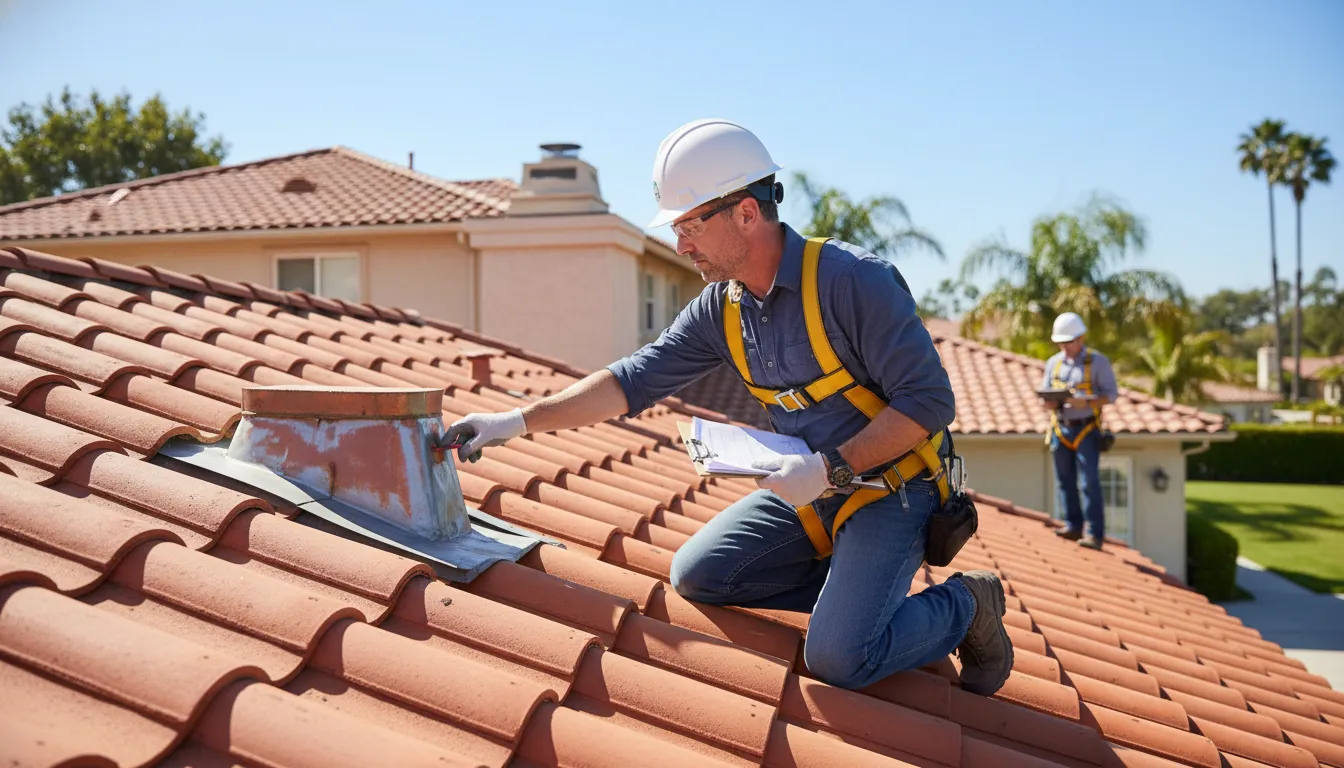
That is why Cert-A-Roof emphasizes professional reporting and a 24-48 hour turnaround on inspection reports when available. In a live escrow, days matter. Clear roof documents help agents protect the closing calendar while giving clients better information.
Why documentation matters for lenders and insurance
Summary: Lenders and insurance reviewers may ask for more than a contractor invoice when roof condition becomes part of escrow. They often need photos, inspection findings, repair records, and certification language. Those records explain whether the roof is stable, repaired, insurable, and acceptable for the transaction.
Lender guidelines and loan approvals
Lenders must manage risk before they finance a home. Mortgage underwriters may ask for clear proof that a roof is stable and free of active leaks. For some FHA or VA files, roof condition can become a closing condition. If a roof has issues, buyers may need to arrange obtaining roof certifications for escrow before closing. The certification helps show the roof condition after inspection and repair.
A certified inspection report helps properties meet these strict standards. Lenders need to know that the home’s primary shield against water is sound. Standard visual assessments from general contractors often fall short. Instead, a forensic investigation report details the roof’s true state with photos and facts. This detailed documentation ensures that buyers are meeting mortgage underwriter roof standards during the transaction. It reduces the chance of loan delays.
Insurance coverage and risk mitigation
Insurance companies must manage risk when they write home policies. They may inspect the roof or ask for proof of its age, material, repair history, and current condition. If you lack clear records, insurers may ask more questions before coverage is approved. A certified report gives them facts they can review.
Proper evaluations help show that a property has been reviewed by a roof specialist. In California, that matters because roof condition affects water intrusion risk, repair planning, and long-term ownership cost. Solid documentation does not guarantee insurance approval. It does give the reviewer a clearer record than a vague inspection note.
Escrow compliance and repair records
When a roof fails an inspection, it often triggers negotiations between the buyer and seller. While California sellers do not have a legal duty to fix every issue, they must disclose known defects. Many buyers will request repairs or price cuts before they close the deal. The escrow process helps manage these requests. The California Department of Real Estate explains how the escrow officer ensures all required repairs are complete before closing. Every agreed repair must be fully finished and signed off.
You must keep accurate records when dealing with escrow roof repairs California home sales often require. Clear receipts, permits, and repair records must go to the escrow officer. This ensures that funds are released properly and that the new owner gets a sound roof. Buyers should learn about real estate roof inspection requirements to protect their investments. Solid records prevent delays and keep the deal on track. They ensure a clean transfer of the property.
Should you request a repair, credit, or certification?
Summary: Repairs, credits, and certifications solve different escrow problems. Repairs address roof performance, credits address negotiated cost, and certifications address confidence in the roof condition. The right choice depends on the inspection finding, loan requirements, insurance concerns, and what the parties agree to before closing.
Repairs solve condition problems
A repair request is often the right choice when the roof issue affects active performance. Examples include leaks, failed flashing, broken tiles, damaged roof penetrations, or drainage concerns. If the issue may affect lender or insurance acceptance, repair before closing may be stronger than a simple credit.
Completed repairs also create a clearer record for the file. The transaction team can show what was found, what was corrected, and whether the roof meets the standard needed for certification. That is hard to replace with a general dollar concession.
Credits solve price problems
A credit can make sense when the buyer and seller agree the issue does not need to be corrected before closing. Credits may help the buyer handle maintenance after possession. They can also reduce conflict when the roof concern is real but not urgent.
Credits have limits. Some loans restrict how credits can be used. A credit also may not satisfy an underwriter or insurance carrier that wants roof condition proof. Buyers should not assume a credit will solve a documentation problem.
Certification solves confidence problems
A roof certification can help when the central issue is trust. Buyers want to know the roof has been evaluated. Sellers want to show they addressed the concern. Agents want a file that can be understood by lenders, insurers, and future reviewers.
Cert-A-Roof provides certification-focused roof documentation for real estate transactions. Learn more about obtaining roof certifications for escrow if your transaction needs a documented roof condition path.
Use the right tool for the problem
The best solution depends on the actual roof condition and the transaction terms. A repair may be needed for a leak. A credit may work for non-urgent maintenance. A certification may be the document that lets the file move forward with confidence.
Before choosing, get the roof issue defined by a qualified professional. That step helps prevent overpaying, under-repairing, or making a promise that cannot be documented before closing.
A fast playbook for real estate professionals
Summary: Real estate professionals can protect escrow timelines by raising roof questions early, collecting exact inspection language, and defining the decision needed. A certification-focused roof partner can then document the next step. Early documentation gives the file more time for inspection, repair, reinspection, and lender review.
Move the roof question early
Real estate professionals can protect a closing by moving roof concerns to the front of the process. Do not wait until loan conditions are due or the buyer is signing final disclosures. If the home inspection flags the roof, treat it as a file management item right away.
Early action gives the team time to inspect, scope, repair, reinspect, and document. It also gives both sides more room to negotiate in good faith.
- Collect the inspection language. Copy the exact roof concern from the home inspection report and attach photos when possible.
- Clarify the decision needed. Decide whether the file needs repair pricing, lender documentation, insurance support, or certification.
- Bring in a roof certification source. Use a roof-specific professional who can document condition, not just quote work.
- Separate required work from optional work. Keep lender or leak-related items distinct from general maintenance.
- Share one clean summary. Give buyers, sellers, escrow, and lending contacts the same roof record when appropriate.
- Confirm the finish line. Know whether the file needs completed repairs, proof of work, a certification, or a combination.
Keep communication precise
Roof language can create fear if it is too broad. “Bad roof” is not useful. “Active leak at a flashing transition. Repair recommended before certification” is much more helpful.
Precise language helps agents avoid overpromising. It also helps clients understand the difference between an immediate repair, a future maintenance item, and a certification condition.
Use a partner built for transactions
Cert-A-Roof supports real estate files with inspection and certification services built for escrow pressure. The company serves Southern California buyers, sellers, agents, lenders, and insurance stakeholders with professional roof documentation.
If your transaction needs a roof answer fast, visit Cert-A-Roof for roof inspections for real estate professionals. A qualified roof record can turn a vague concern into a manageable next step.
For agents managing a roof issue in escrow: connect with Cert-A-Roof for transaction-ready roof inspection, repair, and certification documentation.
Frequently Asked Questions
Summary: These common questions explain how California roof repair negotiations, seller disclosure duties, insurance issues, and FHA or VA loan requirements can affect escrow. Use them as a starting point, then confirm the specific repair, credit, or certification requirements with the lender, escrow officer, and roof professional.
Do sellers have to repair a roof in California?
California sellers generally are not forced to repair every roof issue before a sale. They do need to disclose known material defects. Buyers often use roof findings to negotiate repairs, price reductions, or escrow credits before closing.
What happens if a roof fails inspection during escrow?
A failed roof inspection during escrow typically triggers negotiations between the buyer and seller. According to the California Department of Real Estate, buyers can request repairs, price cuts, or escrow credits. Lenders might also delay funding until a certified roofing professional inspects the system and issues a formal certification.
How to get your home insurance to pay for roof replacement in California?
Insurance coverage depends on the policy and the cause of damage. A homeowner should document the issue, review the policy, contact the carrier, and get a professional roof inspection report. During escrow, this record can help the parties understand whether the issue is an insurance claim, a seller repair, or a buyer negotiation item.
Does an FHA loan require roof repairs before closing in California?
FHA and VA loans can raise roof condition questions when a roof appears unsafe, actively leaking, or near the end of its useful life. The lender may ask for repairs, inspection records, or certification before funding. Ask the lender and escrow officer what proof they need before choosing a credit or repair path.
Ready to keep your escrow roof issue moving?
Roof concerns do not have to derail a California real estate closing. The key is fast, professional documentation that explains the roof condition, repair scope, and certification path in terms the transaction team can use.
Cert-A-Roof supports buyers, sellers, agents, lenders, and insurance stakeholders with roof inspections, repairs, and certifications built for escrow timelines. Request escrow roof repair documentation or a roof certification before the closing calendar gets tight.

Comment (0)