Flat Roof Maintenance California: Complete SoCal Property Guide
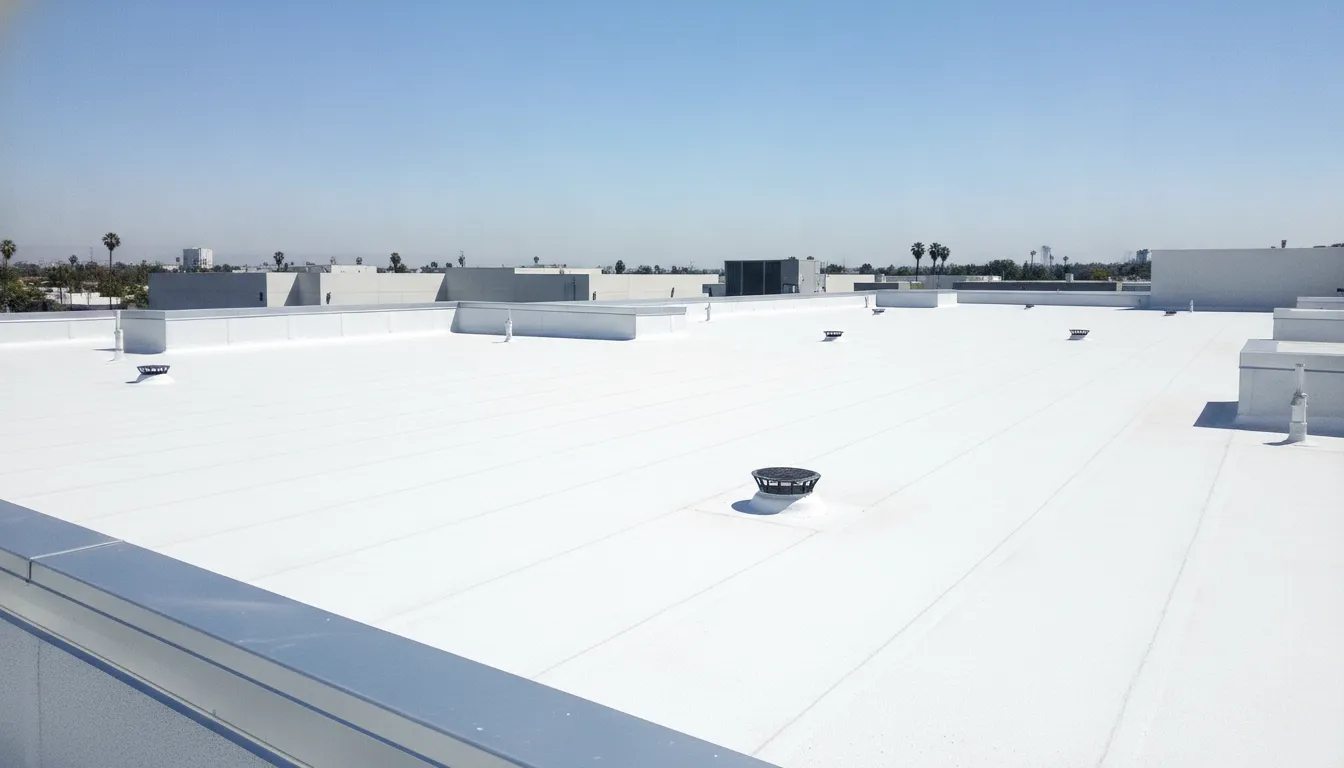
Flat roofs can look low-maintenance, but their broad, nearly level surfaces make small drainage or membrane problems easy to miss. In Southern California, intense sun can weather roofing materials while sudden rain puts extra pressure on drains, scuppers, and flashing. If you own a flat roof property, schedule a flat roof inspection with Cert-A-Roof today to catch small problems before they become costly repairs.
Effective flat roof maintenance California property owners can rely on starts with professional inspections at least twice a year, plus checks after major storms. Routine drain clearing, membrane reviews, and prompt repairs help identify ponding water, UV-related cracking, blisters, tears, and flashing damage before they become interior leaks or costly replacement projects.
A practical maintenance plan should account for the roof’s membrane type, drainage design, penetrations, access points, and surrounding vegetation. Understanding why Southern California conditions are hard on flat roof systems helps clarify which warning signs deserve immediate attention and which preventive steps protect the building year-round.
Flat Roof Maintenance California: Why Flat Roofs Need Special Maintenance in Southern California
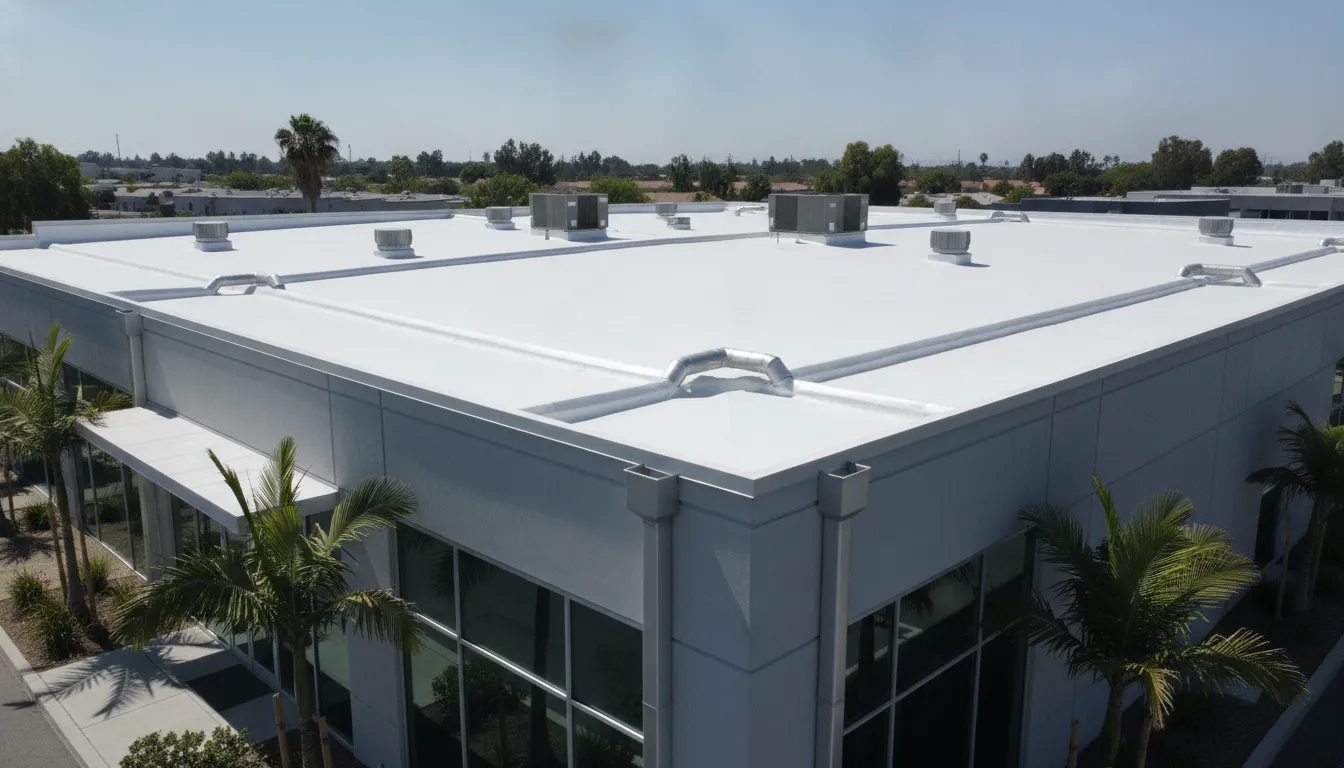
Flat and low-slope roofs are not maintenance-free surfaces. Their design, limited visibility, and exposure to Southern California weather create risks that can remain hidden until they become leaks or structural problems. A pitched roof is often easy to view from the ground. While a flat roof may conceal damage behind parapets, rooftop equipment, or a membrane that appears intact from below. Building owners may not realize anything is wrong until water reaches the interior. The Canada Mortgage and Housing Corporation notes that flat roofs can escape attention because they are not generally visible, allowing repair needs to go unnoticed (research on flat-roof performance).
Damage is harder to see from the ground
Small blisters, tears, loose fasteners, deteriorated flashing, and early membrane cracking may not produce an interior stain right away. A periodic inspection provides a closer look at the roof surface, penetrations, edges, and transitions before a minor defect becomes an active leak. This is especially important for commercial buildings and multifamily properties, where tenants or occupants may report interior damage only after moisture has already traveled through multiple layers.
Drainage does the work a steep slope would normally do
A flat roof still needs controlled drainage. Water management depends on drains, scuppers, gutters, tapered areas, and clear paths that move rain away from the building. The U.S. Department of Energy’s Building America Solution Center identifies drainage as the key to directing water down and away from a flat-roofed building (flat-roof water management guidance). Debris around a drain can cause pooling, and water that remains on the surface for more than 48 hours should be assessed for ponding and possible membrane deterioration.
Southern California weather accelerates wear
High solar exposure gradually weathers exposed membranes, contributing to brittleness, cracking, and surface deterioration. Then, when seasonal storms arrive, sudden heavy rain places immediate demands on drainage systems. Repeated expansion and contraction can also stress flashing at roof-to-wall junctions and around penetrations. Deferred maintenance gives these conditions time to compound. Cert-A-Roof’s guidance is straightforward: proactive maintenance generally costs less than emergency repairs or a premature replacement. A schedule for a flat roof inspection helps identify drainage and membrane concerns while there is still time to address them strategically.
Common Flat Roof Problems in Southern California
Southern California’s intense sun, seasonal rain, and windblown debris create a distinct maintenance profile for flat roofs. Problems often develop out of sight, then become expensive once water reaches insulation, decking, or interior finishes. During inspections, look for these conditions and address small changes before they become active leaks.
Ponding water and blocked drainage
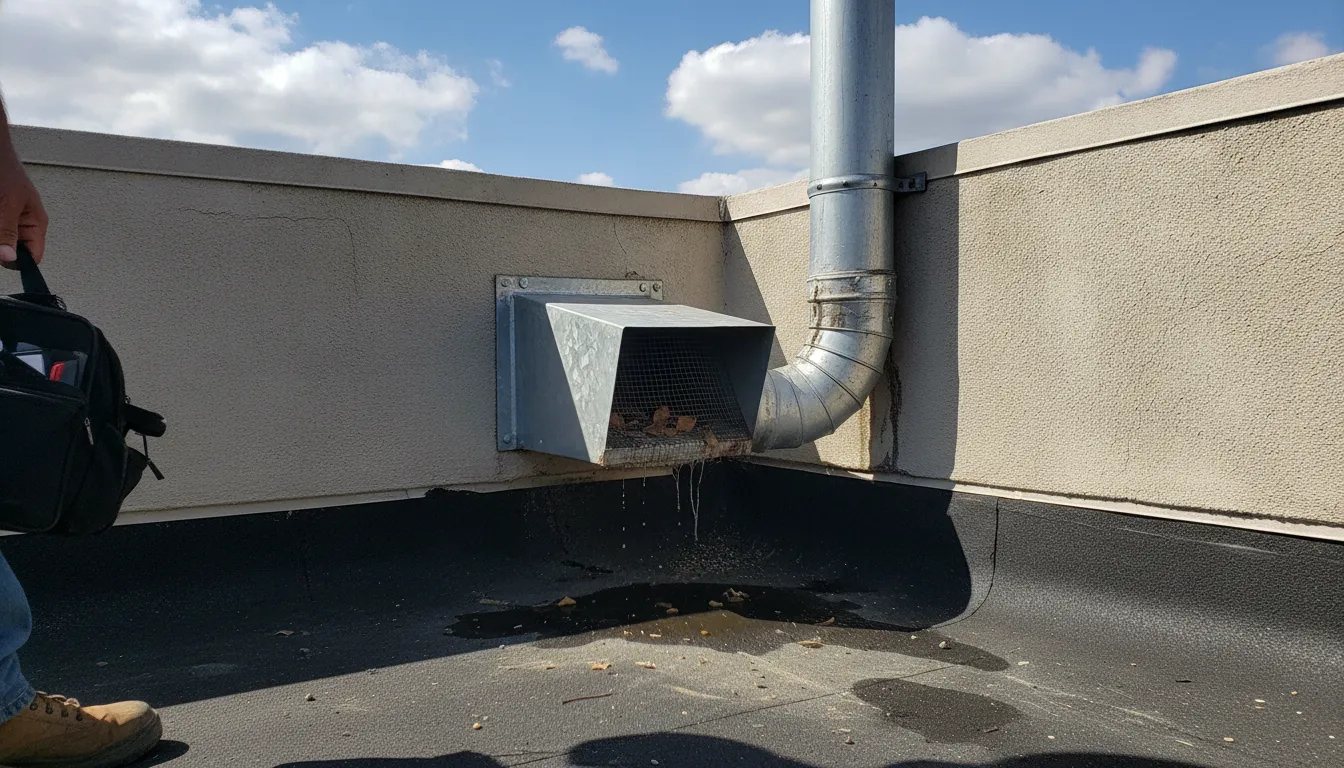
Flat roofs are designed to direct water toward drains, scuppers, or gutters, not to hold standing water indefinitely. After rain, check low areas and confirm that water drains within 48 hours. Water remaining longer than that is considered ponding and warrants assessment because it can accelerate membrane deterioration and increase leak risk. Debris around drains is a frequent cause: leaves, palm material, dirt, and roof equipment fragments can restrict flow and allow water to pool.
For a deeper explanation of warning signs and corrective options, review our guide to ponding water on flat roofs. Do not simply sweep water toward a blocked drain. Clearing the obstruction may help, but recurring ponding can indicate inadequate slope, a settled deck, or a drainage design problem.
Sun-damaged membranes, tears, and blisters
High UV exposure gradually weathers roofing membranes. Over time, the surface may become brittle, crack, or lose its protective finish, exposing underlying layers. Heat cycling can also stress seams and edges. Inspectors look for loose or split seams, punctures from foot traffic, small tears, and blisters caused by trapped moisture or air. A blister that has not opened may seem minor, but it can become an entry point when the membrane expands and contracts.
Small cracks and blisters should be evaluated and patched by a trained professional rather than cut open casually. The appropriate repair depends on the membrane system, the extent of moisture below it, and whether the surrounding material remains sound. Different systems, including TPO, EPDM, and modified bitumen, have different maintenance requirements.
Flashing failures and vegetation growth
Roof-to-wall junctions are high-movement areas. Thermal expansion and contraction can loosen or split flashing, leaving gaps where the roof membrane meets parapets, walls, vents, or other penetrations. These transitions deserve close inspection because a small flashing failure can send water beneath an otherwise intact roof surface.
Moss, algae, and other vegetation can trap moisture against the membrane and shorten its service life. Remove growth carefully and correct the moisture or drainage condition that allowed it to develop. Never use aggressive tools that could puncture the membrane. A documented inspection can distinguish surface maintenance from damage requiring repair and help prioritize the next step.
How Often Should You Inspect Your Flat Roof in California?
For most California properties, schedule a professional flat roof inspection at least twice a year: once before the rainy season and again after it ends. Southern California’s intense sun can gradually weaken roofing membranes, while sudden heavy rain tests drains, scuppers, and flashing. A twice-yearly schedule helps identify blisters, tears, and other small defects before they become active leaks. You should also arrange an inspection after a major storm, especially if wind, debris, unusually heavy rain, or rooftop equipment damage may have affected the system.
For a broader annual planning schedule, review these recommendations for annual flat roof inspections. You can also use a seasonal roof maintenance checklist to coordinate visual checks between professional visits.
What a professional inspection should cover
A qualified inspector should assess more than the visible membrane surface. The inspection should document:
- Membrane condition: Look for cracks, blisters, punctures, open seams, surface wear, and areas where UV exposure has caused brittleness or deterioration.
- Flashing and penetrations: Examine flashing at roof-to-wall transitions and around vents, HVAC units, pipes, and other penetrations. These high-movement areas can fail as the building and materials expand and contract.
- Drainage: Check drains, gutters, and scuppers for blockages or damage. Water should move freely away from the building, and areas that remain wet for more than 48 hours require assessment.
- Fasteners and details: Inspect exposed fasteners for backing out or corrosion, both of which can create entry points for water.
- Interior indicators: Review ceilings, walls, and occupied spaces for stains, peeling paint, damp surfaces, or other signs of concealed water damage.
Keep the inspection report with invoices, photographs, repair details, and installation records. A consistent history makes recurring problems easier to identify, supports maintenance decisions, and helps communicate the roof’s condition during a future property transaction.
Flat Roof Maintenance Checklist for SoCal Property Owners
Use this checklist during routine roof walks and before Southern California’s rainy season. A flat roof can hide damage from ground-level view, so the goal is to spot drainage problems, membrane wear, and stressed details before they become interior leaks. Keep a dated record of what you find, and do not walk on a wet, damaged, or unsafe roof.
-
Clear drains, scuppers, and gutters
Remove leaves, dirt, branches, and other debris from every drain opening, scupper, and gutter. Debris can restrict water flow, create ponding, and accelerate deterioration of the membrane and substrate. Confirm that water has a clear path away from the building. Drainage is one of the primary indicators of flat roof health, particularly when sudden heavy rain tests the system.
-
Inspect the membrane surface
Look for tears, open seams, blisters, cracks, exposed layers, and areas that appear unusually brittle or weathered. Southern California’s intense sun can contribute to membrane brittleness and cracking over time. Do not cut open a blister or apply an improvised patch. Small membrane defects should be assessed and repaired by a trained professional before water reaches the insulation or roof structure.
-
Check flashing at every penetration
Examine flashing where the roof meets walls, parapets, vents, pipes, skylights, and HVAC penetrations. Pay particular attention to roof-to-wall junctions because thermal movement can stress these details. Look for lifted edges, separated sealant, rust, gaps, or visible fastener problems. A flashing failure can let water enter even when the central membrane appears intact.
-
Watch for ponding water
After rain, inspect low areas and confirm that water drains within 48 hours. Water that remains longer than 48 hours is considered ponding and warrants assessment, since prolonged moisture can contribute to membrane deterioration and leaks. If the same area repeatedly holds water, cleaning the drain alone may not solve the problem. The roof may need a drainage evaluation.
-
Trim overhanging vegetation
Cut back branches that scrape the roof or drop leaves into drainage areas. Remove vegetation growth such as moss or algae where it is present, using a method appropriate for the roofing membrane. Plant growth can retain moisture against the roof surface and shorten membrane life. Keep the surrounding roof perimeter clear enough to support regular inspections.
-
Inspect rooftop equipment mounts
Check HVAC units and other rooftop equipment for loose mounts, corrosion, damaged supports, and movement. Equipment vibration can stress the membrane around its mounting points. Do not adjust electrical, mechanical, or structural equipment yourself. Instead, document the concern and coordinate with the appropriate licensed professional and roofing inspector.
-
Evaluate whether a reflective coating is appropriate
A compatible reflective roof coating may help reduce UV exposure and protect a sound membrane. But coating is not a substitute for repairing active leaks, blisters, open seams, or wet insulation. Confirm the existing membrane type, surface condition, product compatibility, preparation requirements, and local requirements before application. A professional assessment can determine whether coating is a practical maintenance measure or whether underlying repairs come first.
For a documented maintenance schedule and professional oversight, review Cert-A-Roof’s flat roof maintenance plans. Schedule an inspection promptly if you find active leaking, recurring ponding, widespread membrane damage, or compromised flashing.
What Affects Flat Roof Maintenance Costs in California?
The cost of maintaining a flat roof depends less on a single statewide average than on the roof’s condition, construction, and access. A small, accessible roof with a localized membrane issue may require a straightforward repair. A large commercial roof with standing water, wet insulation, failed seams, or difficult equipment access can require substantially more labor and materials.
Roof size, access, and membrane type
Roof size affects both material quantities and the time required to inspect, prepare, and complete the work. Access matters too. A roof that requires special staging, fall protection, equipment movement, or work around HVAC units generally takes more labor than one with a clear, safe access route.
The membrane also influences the maintenance approach. TPO, EPDM, and modified bitumen have different repair methods, materials, and long-term requirements. Published California cost ranges vary by system:
| Membrane Type | Material Cost per Sq Ft | Typical Lifespan |
|---|---|---|
| TPO | $3.50 – $14 | 20-30 years |
| EPDM (Rubber) | $4 – $13 | 20-30 years |
| Modified Bitumen | $4 – $8 | 10-20 years |
| PVC | $5 – $12 | 20-30 years |
| Built-Up Roofing (BUR) | $4 – $10 | 20-30 years |
These figures are planning ranges, not a substitute for evaluating the actual roof.
Severity of the problem
A minor patch is not priced like a major repair. One California roofing cost analysis places small to moderate flat roof repairs at roughly $750 to $3,500. Larger commercial repairs can reach $5,000 to $15,000 or more when water has affected insulation, drainage, seams, or the roof deck. See the published cost discussion from General Roofing Co. for the factors behind those ranges.
Labor is a major part of the total. California flat-roof labor is commonly estimated at $3 to $7 per square foot and may represent 50% to 60% of a project total. Emergency access, tear-out, disposal, permits, and repairs around penetrations can add to the final amount.
Why preventive maintenance protects your budget
Routine maintenance is generally less expensive than responding to an emergency after a leak has spread into insulation, decking, or interior finishes. Clearing drainage paths, documenting membrane conditions, and addressing small blisters, tears, or flashing failures early can reduce the chance of a larger repair. Debris around drains can cause ponding, and water that remains on a flat roof for more than 48 hours warrants assessment.
Cert-A-Roof follows an inspection-first process. We assess the roof’s membrane, drainage, penetrations, and visible problem areas before providing a quote based on the findings. To understand the condition of your roof and the appropriate next step, schedule a flat roof inspection rather than relying on a generic price per square foot.
When to Call a Professional Roofer vs. DIY Maintenance
Some flat roof maintenance tasks are reasonable for a property owner, but roof access and repair work can become hazardous quickly. A safe rule is to handle surface-level housekeeping only when conditions are dry, the roof is easy to access, and you can work without stepping on fragile materials. Flat roofs can conceal weak areas, and walking across a membrane may cause damage or expose you to a fall risk. When in doubt, stay on the ground and schedule an assessment.
DIY tasks that are generally appropriate
With appropriate safety precautions, owners may clear leaves and loose debris from accessible areas. Keep nearby drains and scuppers free of obstructions, and trim branches that overhang the roof. A visual inspection from a safe location can also identify standing water, visible punctures, stained surfaces, or vegetation growth. Do not probe the membrane, cut into a blister, apply an unfamiliar patch, or use tools that could puncture the roofing system. Photographing a concern from a safe position and recording when it appeared gives the inspector useful context.
Regular housekeeping matters because debris around drains can restrict water flow and contribute to ponding. Water that remains on a flat roof for more than 48 hours requires assessment, not a guess at the cause. Owners can monitor the area after rain, but correcting slope, drainage, or membrane defects requires a professional diagnosis.
Repairs that require professional help
Call a qualified roofer or inspector for membrane tears, cracks, blisters, or other openings. Small defects can allow water into insulation and structural materials, so a trained professional should determine whether a localized repair is appropriate. Flashing failures at roof-to-wall junctions and around vents or other penetrations also require skilled repair because thermal movement and complicated transitions can make a surface patch ineffective.
Professional help is especially important when:
- Ponding water does not drain within 48 hours or returns in the same location.
- Roof-mounted HVAC equipment, curbs, fasteners, or mounts appear loose, damaged, or affected by vibration.
- Interior ceilings, walls, insulation, or finishes show staining, peeling, dampness, or other signs of water damage.
- You notice sagging, soft decking, exposed structure, or any other possible structural concern.
- A storm creates an active leak or sudden membrane damage, requiring emergency roof repair.
Attempting complex repairs yourself may worsen the damage and can void applicable manufacturer or contractor warranties. It can also hide the underlying drainage or structural problem. A professional can identify the source, document the condition, and recommend repair, replacement, or monitoring based on evidence.
Why an inspection should come before a quote
Cert-A-Roof follows an inspection-led process. An inspector assesses the roof system, documents findings, and then provides a quote based on what the inspection shows. That approach helps distinguish routine maintenance from a membrane, flashing, equipment, or structural issue that needs a more complete solution. Property owners who want ongoing oversight can review flat roof maintenance plans for a proactive way to manage recurring inspections and repairs.
Frequently Asked Questions
How often should I have my flat roof inspected in California?
Schedule a professional inspection at least twice a year, ideally before and after Southern California’s rainy season. Add an inspection after a major storm, roof work, or any suspected leak so small membrane or flashing problems can be addressed early.
What are the warning signs of flat roof failure?
Look for ponding water, membrane tears, cracks, blisters, brittle or weathered surfaces, failed flashing, and loose or corroded fasteners. Inside the building, stained ceilings, peeling paint, damp walls, or musty areas can indicate that water has already entered.
Can I prevent ponding water on a flat roof?
Keep drains, scuppers, and gutters clear of leaves and debris, and check that water can flow freely after rain. Water that remains on the roof for more than 48 hours is considered ponding and should be professionally assessed because it can accelerate membrane deterioration. Learn about ponding water solutions.
Does Southern California sun damage flat roof membranes?
Yes. Prolonged UV exposure can make roofing membranes brittle, cause cracking, and weather the surface until underlying layers are more exposed. The appropriate protective coating or repair depends on the membrane type and its condition, so have the roof evaluated before applying a product.
When is replacement necessary instead of maintenance?
Maintenance and targeted repairs may be appropriate for isolated tears, small cracks, or early flashing problems. Replacement becomes more likely when damage is widespread, the roof deck or structure is affected. Drainage problems are persistent, or the membrane has reached the end of its service life. A documented inspection can help determine the safest option.
Schedule Your Flat Roof Inspection
Regular professional attention can help identify ponding water, membrane damage, and drainage concerns before they become larger maintenance problems. To take the next step, schedule a flat roof inspection with Cert-A-Roof. You can also call 888-261-0331 to discuss your inspection needs and protect your Southern California property with a clear assessment.
Comment (0)