Why Roof Certification Fail California Reports Happen
A roof can look sound from the curb and still fail certification. One hidden leak path, damaged section, or code-related installation defect can delay closing plans and require repairs before the roof qualifies.
A roof certification fail California result means an inspector identified conditions that keep the roof from qualifying for the defined certification period. Common failure points include active or probable leak sources, severe material damage, defective installation, structural concerns, and unpermitted work found during inspection. California-related compliance issues can also include missing flashing, inadequate ventilation, or missing permit and product records required for the work. For example, county re-roof requirements call for flashing at wall intersections and roof openings to help stop water intrusion, according to Contra Costa County guidance. When a roof does not qualify, owners typically need a documented repair scope, completed corrections, and a follow-up review before certification is issued.
Need a clear next step? Schedule a LeakFREE roof inspection to document current roof conditions and understand what needs attention.
If you are facing a failed report during a sale, refinance, or insurance request, the immediate question is what failed and whether repair can restore eligibility. Why a roof certification can fail in California explains those failure points first, then connects them to practical next steps. The path begins with the inspection findings and a repair plan that can be reviewed again.
Why a roof certification can fail in California
What a failed certification means
A failed roof certification does not mean a roof has been judged without a clear standard. It means the current findings do not support a LeakFREE certification for the requested period. For an owner or buyer, that result identifies work or records needed before certification can be considered again.
In a California sale, this result can affect planning, negotiation, and escrow timing. A written finding lets the parties address roof condition before they rely on certification documents. Owners who receive that finding can review the steps to follow after a failed roof inspection as they plan the next move.
Conditions that prevent certification
LeakFREE certification is based on observed roof condition, safe inspection, and completed repairs. A roof may not qualify when the inspector finds active leak risk, severe material damage, poor installation, or structural defects. Missing repair work also matters, since a roof cannot be certified on the promise that issues will be corrected later.
California properties can also present installation or record issues that need correction. Local reroof requirements show why details matter. Contra Costa County requires flashing at roof and wall intersections, gutters, slope changes, and roof openings. It also requires permits before reroof installations and repairs begin. These residential reroof requirements show defects or missing records that can delay a clean certification result.
- Leak paths at penetrations, transitions, or worn roofing materials.
- Unfinished or incomplete repairs noted during the inspection.
- Installation details that do not control water at vulnerable edges and joints.
- Unsafe access or missing records needed to complete the review.
How a failed result affects a transaction
A failed result is a condition report, not an arbitrary rejection. It gives sellers, buyers, property managers, and their advisers a defined issue to resolve. In a transaction, that can guide repair requests, budget talks, supporting paperwork, or a decision to seek certification after corrections are complete.
The next step is usually to review the noted conditions and complete the required repair scope. A qualified roof can then be reviewed again for certification. When repairs are part of a pending sale, guidance on handling roof repairs during California escrow can help owners organize timing and documentation.
This process protects the value of a roof certification. Certification should confirm that the roof qualifies under the inspection standard at that point in time. It should not hide known defects, incomplete work, or conditions that still need repair.
Common issues that cause a roof certification fail California result
A roof certification fail California result usually means the roof cannot yet be certified in its present condition. The finding is not a guess about future wear. It points to conditions that need repair, safe review, or both before the roof can qualify.
For a homeowner, the useful question is what kept the roof from passing. A report may point to one clear repair, or to several linked concerns. Understanding the steps to follow after a failed roof inspection helps owners plan repairs and a follow-up review.
Active leaks and trapped water
Active leaking is a direct warning sign because a certifiable roof must keep water out. The inspector may find wet areas, ceiling stains tied to roof entry, or a leak around a roof opening. A patch that hides a symptom may not fix the path water takes into the home.
Ponding is another concern on low-slope areas. Water that remains after weather clears can point to poor drainage, a sagging surface, or trouble at a drain. The review focuses on the cause and any harm below the surface, not just the water seen on inspection day.
Flashing matters at walls, roof openings, gutters, and changes in slope or direction. Loose, missing, bent, or failed flashing can let water move under nearby roofing. County residential re-roof requirements call for roof flashing at these water-sensitive transitions.
Broken roofing and worn underlayment
Broken tile, cracked shingles, missing pieces, and lifted edges can expose the layers that keep the deck dry. One damaged piece may be repairable. Several damaged areas can show broader wear, impact damage, or poor prior work that must be fixed before certification.
The visible surface is only part of the review. Underlayment sheds water beneath tile or shingles. Worn or torn material can matter even when many outer pieces still look sound.
Low-slope roofs may also need added layers below the visible roofing. The same county guidance requires two underlayment layers for some installations on slopes from 2:12 to 4:12. The inspector checks whether the existing assembly can keep water from the deck.
A prior repair can fail review if it leaves cracked material, exposed fasteners, or an unresolved water path. Homeowners should keep invoices, photos, and work details ready. Records show what was repaired, while the roof shows whether the work solved the issue.
Unsafe access and incomplete work
An inspector cannot complete a sound roof review when access puts people at risk. A loose ladder or exposed nails may stop the review. Debris can also block a safe, full check of roof conditions.
A California county inspection checklist calls for secured ladder access and a safe site clear of excess debris. Clearing access does not ensure certification. It makes it possible for the inspector to assess the roof without an avoidable safety problem.
Incomplete repairs can cause the same practical problem: the roof is not ready for a final result. Open repairs, unsealed penetrations, or promised work that was not done leave conditions unresolved. The owner should finish the specified work and arrange the needed review, rather than assume a repair plan is enough.
What is the difference between a roof inspection and certification?
Condition report or qualified certification?
A roof inspection is a condition check. It records visible wear, damage, leak concerns, and items that may need attention. For a useful distinction, see the difference between NRCIA and general home inspections.
A roof certification answers a narrower question: does the roof qualify under the certification protocol? Cert-A-Roof uses an NRCIA-certified LeakFREE process for roofs that qualify. If defects are found, certification does not issue until needed work is done and reviewed.
| Point. | General roof inspection. | Roof certification and LeakFREE process. |
|---|---|---|
| Scope. | Condition, wear, damage, and leak concerns. | Qualification under the certification protocol. |
| Deliverable. | Findings and recommended repairs. | Certification if the roof qualifies. |
| When needed. | Maintenance planning or concern review. | When proof of qualifying roof condition is requested. |
| Next step. | Plan repairs or monitoring. | Correct issues, then seek review. |
Why an inspection may not lead to certification
A roof can be inspected and still not qualify for certification. The inspection may find active leak paths, severe material damage, poor installation, or other defects. In California, water control details also matter. County re-roof requirements call for roof flashing at key intersections and roof openings.
This is why the phrase “roof certification fail California” can be confusing. A failed certification is not the same as a skipped inspection. It means the inspection found an issue that must be fixed before the roof can qualify.
What happens when a roof does not qualify?
The next step is not guesswork. The report should state what kept the roof from qualifying and what repairs are needed. Owners and transaction teams can then plan the work and arrange licensed repairs. After corrections, they can request another review.
When a sale or insurance request is in progress, clear records help keep decisions on track. Review the steps to follow after a failed roof inspection before scheduling repairs or a follow-up certification review.
What do inspectors look for before certifying a roof?
Safe access and surface condition
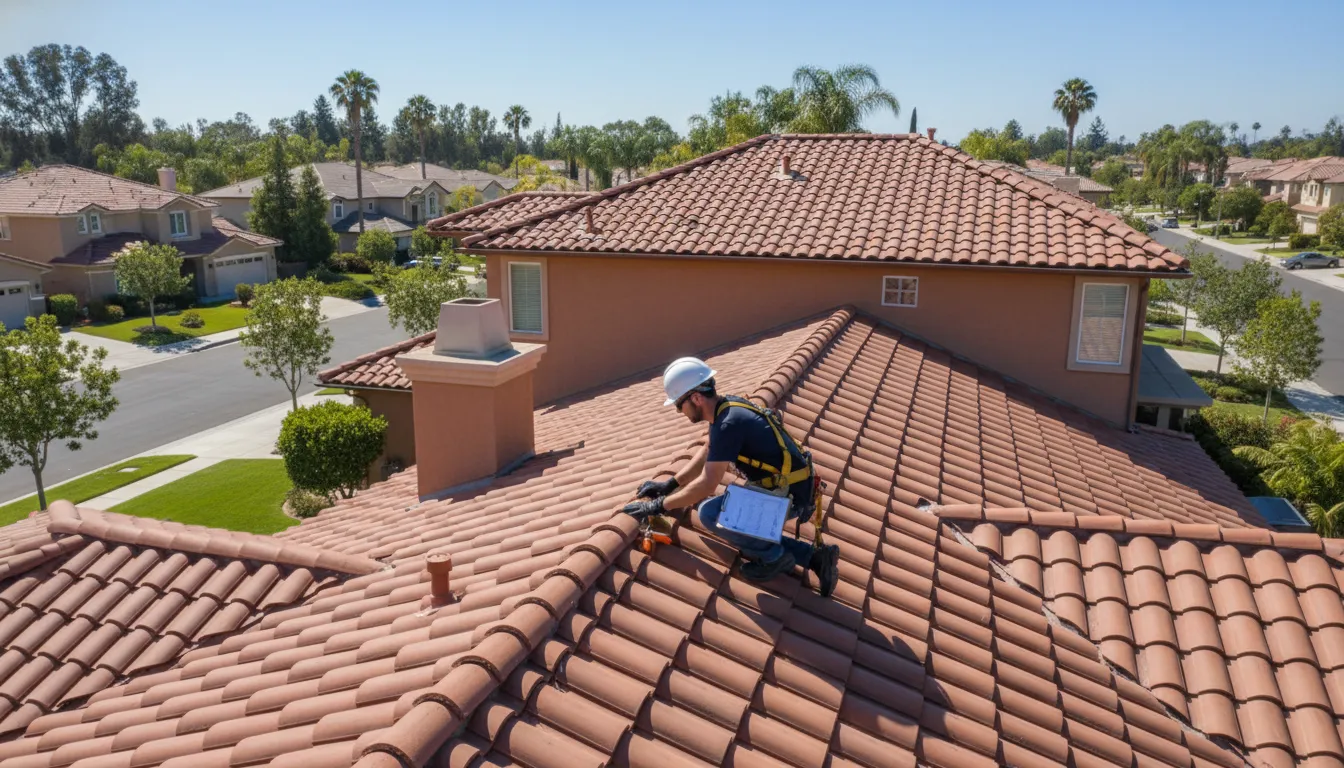
An inspector first needs a safe path to the roof and a clear work area. One California county checklist calls for a ladder secured for safe access and debris removed from the inspection area. As noted in the roof sheathing inspection checklist, unsafe access can stop a close review before the roof surface is judged.
Once on the roof, the inspector records cracked, missing, loose, or worn covering materials. They also note repairs that look incomplete, mismatched, or likely to hide damage. These findings matter because certification asks whether the roof qualifies in its present condition, not whether it could be repaired later.
Surface condition is more than a count of damaged tiles or shingles. The review considers wear patterns, exposed fasteners, lifted edges, ponding clues, and whether repairs blend into a sound field. A small patch may need more attention when nearby material is brittle or movement has opened a water path.
Water entry and drainage details
Flashing is checked at walls, roof intersections, gutters, slope changes, and openings such as vents or skylights. California re-roof requirements call for flashing at these water-sensitive points. An inspector also looks at pipe boots, sealant, fasteners, edge metal, and drip edges for gaps or poor laps.
Drainage tells part of the same story. Gutters, scuppers, valleys, and downspouts should move water away instead of holding debris or directing flow beneath a roof edge. Inside accessible areas, staining, damp material, or daylight can point to past or active leaks.
The inspector may ask how long a stain has been present and whether it returns after rain. A dry ceiling on inspection day does not erase signs of earlier intrusion. The goal is to trace signs back to likely entry points and document what must be corrected.
Hidden layers and supporting records
Not every key item is fully visible after a roof is complete. Inspectors may use edge details, exposed areas, permits, photos, and product records to assess underlayment and earlier work. Edge views or work records can show whether the concealed water-shedding layer needs further review.
For an owner asking why a roof certification may fail in California, records are part of the answer. Plans, permit cards, and installation specifications can help confirm that completed repairs match required work. Missing records or unclear prior repairs may delay certification until concerns are resolved.
Open defects can also keep a roof from qualifying until repairs are complete. Owners who receive findings can review the steps to follow after a failed roof inspection before planning the next inspection.
What should you do after a failed roof certification?
First review and immediate priorities
A roof certification fail in California is not a cue to rush into broad repairs. Start with the written report and find each item that kept the roof from qualifying. Treat leaks, unsafe access, weak materials, and water entry points as first priorities. California guidance requires flashing at roof intersections, gutters, slope changes, and roof openings to help control water entry, as shown in residential re-roof requirements.
Owners and sellers need a clear work list. Buyers and agents need proof that the noted defects were handled. Property managers should map repair work to each affected building or unit. For a fuller look at the process, review these steps to follow after a failed roof inspection.
A five-step repair plan
-
Read the report line by line. Mark the defect, its location, and any photo or note tied to it. Ask the inspector to clarify an item that is unclear before work starts.
-
Secure active and safety-related problems first. Address leaks, loose materials, unsafe access, and signs of water entry before cosmetic items. Protect occupied space and keep people away from unsafe areas.
-
Define the needed repair work. Share the failed report with a qualified roofing contractor. Request a written scope that lists repairs by report item, material, and roof area.
-
Confirm permits and repair records. Before work begins, check permit needs with the local authority. Keep approvals, contracts, invoices, product details, before-and-after photos, and any warranty documents together.
-
Schedule reinspection after work is complete. Provide repair records and ask what access the inspector will need. Do not assume an invoice alone clears a failed certification item.
Repair records and reinspection
Documentation matters when the roof is part of a sale, insurance file, loan review, or managed property record. The file should connect each failed item to completed work and supporting images. Clear records can also keep repair questions from delaying a transaction or a management decision.
For California re-roof installations and repairs, one county requirement states that a permit is required before work begins. Confirm what applies at your property with the local office. Save permits with the repair scope and photos, so the record is easy to review.
Reinspection should occur only after the listed work is finished and the site is ready for safe access. One California inspection checklist states that all work must be complete at inspection; partial or phased inspections may require added fees. Review the roof sheathing inspection checklist when organizing job records and access.
Keep the original failed report, repair scope, permits when needed, paid receipts, photos, and the updated certification decision in one file. That record helps each party track what was found, what was corrected, and what still needs action.
Which repairs help a roof pass reinspection?
A search for “roof certification fail California” often starts with one practical question: what needs to be fixed next? The answer comes from the failed inspection report, not a standard repair package. Repairs must correct the listed conditions before a new review can decide whether the roof qualifies.
Water entry points and worn materials
Leaks are a clear place to start because a roof must keep water out. A repair may address a damaged roof area, then replace broken tiles or missing shingles nearby. The goal is a complete, weather-shedding surface, not a cosmetic patch.
Flashing also matters at edges, walls, valleys, roof openings, and changes in slope. California re-roof guidance requires roof flashing at wall and roof intersections and around roof openings. If flashing is loose, missing, or poorly placed, correction can remove a noted water-entry risk.
- Repair known leak sources and check the area around each repair.
- Replace cracked tile, lifted shingles, or missing roof-covering pieces listed in the report.
- Correct flashing where roof planes meet walls, pipes, vents, skylights, or gutters.
Drainage, underlayment, and penetrations
Water must leave the roof along a clear path. Clogged gutters, blocked drains, poor edge details, or debris at valleys can keep water where defects are present. Drainage work may include clearing flow paths and fixing edge or gutter details noted during the inspection.
Exposed underlayment calls for prompt review because it is not the finished outer roof covering. The repair may require replacing missing surface material or rebuilding an affected area. For readers planning repairs during a sale, see the guide to handling roof repairs during California escrow.
Roof penetrations need the same attention. Vents, pipes, mounts, and skylights can fail at seals or flashing. A qualified repairer can correct the specific defect shown in the report, without assuming every penetration needs replacement.
Some repairs involve more than one detail. For example, a damaged area near a pipe may need new surface material and corrected flashing. The report should guide the repair scope so important findings are not missed.
Completed work and proof for reinspection
A reinspection should take place after the listed work is complete and the site is ready to review. Keep the failed report, repair scope, invoices, photographs, and permit records when they apply. A county checklist states that approved plans and a permit card are kept at the jobsite.
Documentation helps the inspector match each completed repair to the prior finding. It does not guarantee certification. Organizing records before scheduling a new review can help prevent missing information from slowing the process.
Why an NRCIA-certified process matters
When a search for “roof certification fail California” follows a disappointing report, the next question is practical. What evidence will support a sound next step? A basic visual check may note concerns. An NRCIA-certified process records conditions under defined inspection protocols and shows whether the roof qualifies for certification.
Cert-A-Roof uses an NRCIA-certified inspection process and offers LeakFREE certification for roofs that qualify. That distinction matters because a certification is not a promise made before inspection. It follows documented findings and, when needed, a repair path.
From failed findings to clear scope
Failure is not a dead end. Major issues or structural defects can keep a roof from qualifying. The report should state which conditions need work. Cert-A-Roof’s roof inspection process gives owners and real estate teams a basis for planning repairs and review.
The inspection scope may address leaks, severe material damage, improper installation, or unpermitted work. Naming the finding helps the owner seek the right repair, instead of relying on a general patch. It also gives the next reviewer a clear point to verify.
California work may also call for code-related checks. Local residential re-roof requirements address flashing at wall and roof intersections and gutters. They also address slope changes and roof openings. These published county requirements show why small-looking details can matter during a follow-up review.
What certification adds
An inspection documents roof condition. A LeakFREE certification goes further only when the roof qualifies under the certification process. This approach avoids treating a concern as cleared until repairs, records, and follow-up findings support that result.
For a homeowner or transaction team, that sequence provides a usable record of the roof’s status. Review Cert-A-Roof’s roof certification process to see how qualification fits after inspection and any needed corrective work.
A documented process also keeps different parties focused on the same issue list. Owners can understand why the roof did not qualify. Buyers, agents, or managers can see what was addressed before certification is considered again.
A measured next step
After a failed result, the goal is not to rush past the findings. The goal is to define the cause and complete needed work through licensed professionals. Documentation can then be ready for follow-up review.
This order helps owners make decisions with the same report in hand. It keeps certification tied to verified roof condition, rather than assumptions based on appearance alone. When a roof qualifies, the certification reflects a process built around inspection findings and documented next steps.
Frequently Asked Questions
How does a roof certification fail in California?
A California roof certification can fail when an inspection finds active leaks, damaged roofing, unsafe conditions, improper installation, or defects that prevent qualification. Code-related concerns may also include missing flashing or poor attic ventilation. Published residential re-roof requirements identify flashing and cross-ventilation requirements. The inspection report should list corrections needed before the roof is considered again.
What roof defects commonly cause a California certification failure?
Common failure points include leaking penetrations, deteriorated shingles or tiles, damaged underlayment, improper flashing, drainage defects, and visible installation problems. Flashing is especially important around roof openings, walls, gutters, and slope changes. The published California county requirements require flashing at those areas. A certification inspection may also flag structural damage or work that cannot be verified.
Can a failed roof certification be fixed without replacing the whole roof?
Yes, a failed roof certification may be corrected with targeted repairs when defects are limited and the remaining roof is serviceable. Typical corrections can include replacing damaged materials, repairing flashing, sealing leak sources, or improving drainage. If damage is widespread, the decking is unsound, or the roof cannot meet the certification standard, replacement may be needed. The inspector’s findings should guide the repair scope.
What should I do after a roof certification fails during escrow?
Start by reviewing the written inspection findings and the specific corrections required for certification. Ask a qualified roofing contractor for a repair scope, cost estimate, and completion timeline. The buyer, seller, and real estate professionals can then decide who handles repairs or credits. After approved work is complete, arrange a follow-up inspection so certification status is documented before closing deadlines are affected.
Does a roof repair need a permit after a failed certification in California?
Permit requirements depend on the repair scope and the local building authority. Before work begins, confirm requirements with the city or county where the property is located. For example, Contra Costa County residential re-roof requirements state that permits are required for re-roof installations and repairs before work starts. A contractor should also confirm required inspections and product documentation.
Ready to address a failed roof certification?
A failed roof certification can delay a sale, hold up coverage decisions, or leave needed repairs unresolved. Waiting may also narrow your options when buyers, lenders, or property managers need clear documentation before moving forward. Starting now gives you time to identify concerns, plan repairs, and prepare for a follow-up inspection without a last-minute rush.
If your roof did not qualify, take the next practical step before deadlines become harder to manage. An early inspection can give everyone involved a defined starting point for repair decisions and your next certification review. Schedule a LeakFREE roof inspection to document current conditions, understand needed next steps, and move toward certification with a clear plan.

Comment (0)