Roof Certification for Insurance Risk Review
An insurer cannot evaluate roof risk from age alone. A dated report can separate documented condition from assumption when coverage, renewal, or a claim is under review.
Roof certification for insurance is a documented professional assessment of a roof’s current condition for underwriting, renewal, claim, or risk-review decisions. It records observed roof covering condition, leak or damage evidence, relevant components, photographs, and recommendations rather than leaving decisions to age alone. Cert-A-Roof’s NRCIA-based reports use a forensic method. According to its company information, the reports are widely accepted by insurance companies, lenders, and real estate professionals. Reports are generally provided within 24 to 48 hours, helping owners and insurance professionals address deadlines with clear findings and documented next steps. It does not guarantee coverage or claim approval; the insurer still applies policy terms and its own final risk standards.
The central question is what evidence an insurer can review before making a policy or claim decision. Next is What roof certification for insurance actually documents, the foundation for underwriting, renewal, claims, and informed risk review. The path begins with a clear explanation of what the report actually documents.
What roof certification for insurance actually documents
Direct answer: A roof certification for insurance documents the roof condition observed on the inspection date. It should give insurance reviewers a concise record of visible roof covering condition, leak indicators, storm concerns, repair needs, and photos. It should also note any limits that affect the certainty of the findings.
A dated condition record
A roof certification for insurance is a written condition record prepared after a focused roof inspection. It gives an owner, property manager, agent, or underwriter a common set of observations to review. The report addresses the roof system, not the full building or an insurer’s final decision.
A sound report identifies the inspected property, inspection date, inspector, roof type, and accessible areas reviewed. It records visible wear, defects, storm damage concerns, prior repair signs, and items that could not be inspected. That scope helps readers see what the report confirms and what remains unknown.
This focus differs from a broad home review. Cert-A-Roof’s NRCIA roof certification explains why a roof-specific evaluation can provide clearer documentation of the roof covering and its observed condition.
Evidence of serviceability and leaks
Condition is only one part of the file. A certification may state whether the roof appears serviceable at the inspection date. It may also give an estimated remaining useful life, based on visible condition, material type, installation details available, and observed upkeep.
Leak status needs exact wording. An inspector can document active leaks, visible moisture signs, patched areas, open penetrations, and failed flashing. The report may also record that no leak evidence was observed during the visit. It should not promise that a roof will never leak or that hidden damage cannot exist.
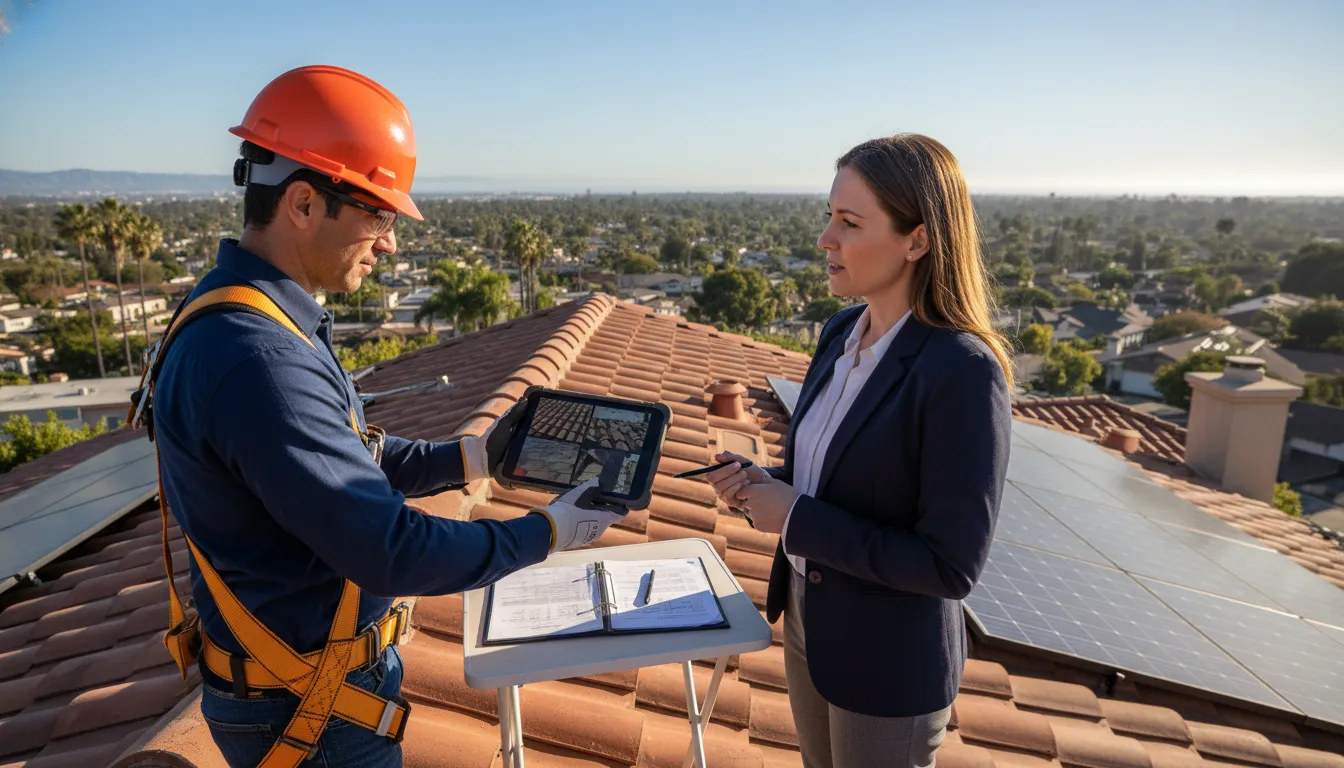
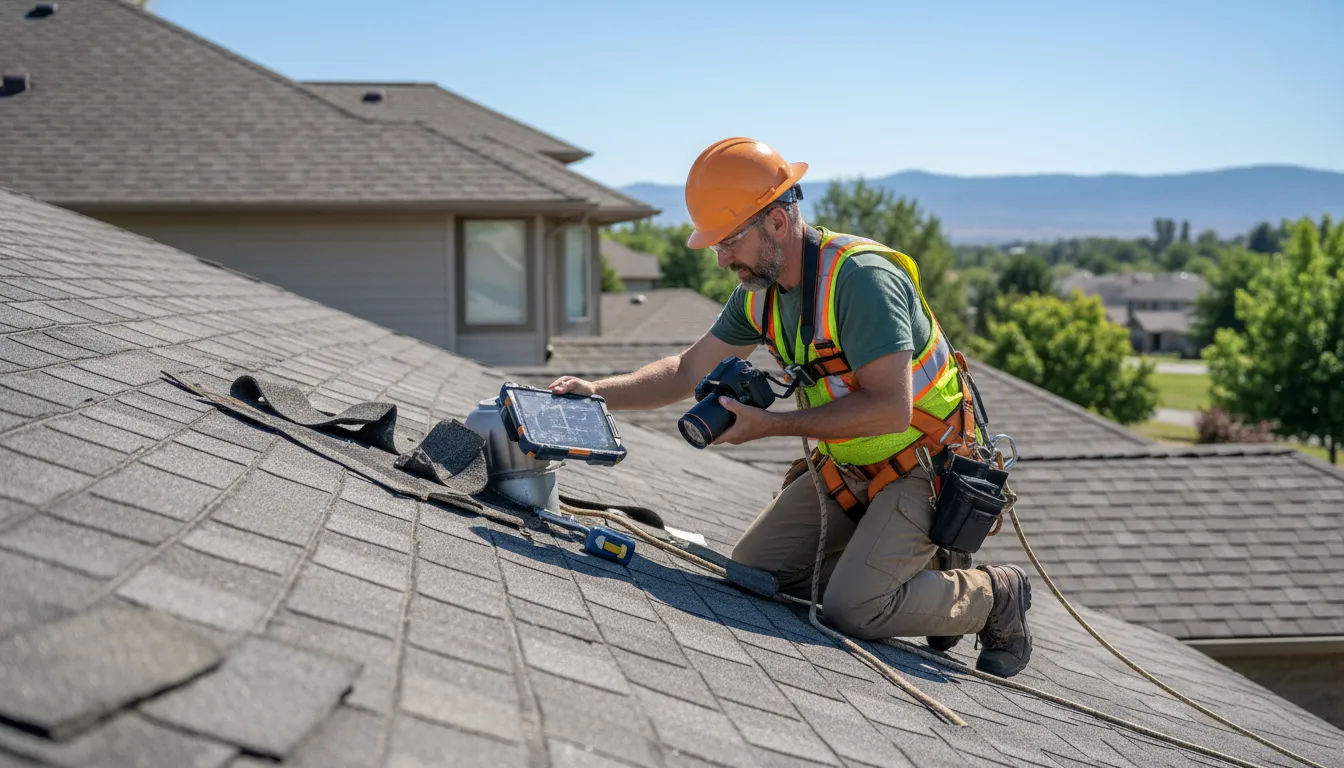
Photos make these findings easier to audit. Useful images show roof planes, penetrations, drainage areas, flashing, damaged material, repairs, and interior staining when access allows. Captions and location notes let reviewers connect each photo to an observation and a recommended action.

Repair recommendations and insurance use
If defects are found, the report may call for repair, replacement, maintenance, or more review before certification. Recommendations should name the issue and location, then show whether correction is needed for a certifiable condition. Repair invoices, after-repair photos, and a follow-up review may complete the file.
Supporting material records can matter in certain insurance reviews. For example, the Texas Department of Insurance states that roofing materials must meet recognized impact testing standards to qualify for an impact-resistant discount. A condition report and a material rating serve different purposes, so each document should be identified clearly.
For an underwriter, a roof certification reduces uncertainty by organizing observed facts, images, limits, and corrective steps in one record. For an owner or manager, it creates a clear basis for repair planning and insurance discussions. It supports risk review, but the carrier still sets coverage, eligibility, pricing, and any discount decision.
How roof inspection for insurance underwriting supports risk review
Consistent findings for a coverage decision
Roof inspection for insurance underwriting gives the reviewer a documented view of a roof at one point in time. The report records the roof system, visible condition, prior repairs that can be confirmed, and areas that need attention. A roof certification for insurance is useful when it states what was inspected and supports each finding with clear evidence.
An underwriter must weigh roof risk apart from the rest of the property. A focused inspection can describe worn covering, missing or damaged materials, exposed flashing, drainage issues, and signs of active leakage. This scope is different from a broad home review, as explained in Cert-A-Roof’s guide to an NRCIA roof certification.
Risk factors shown in the report
Age is a starting point, not the entire decision. A report becomes more useful when it pairs known roof age with present condition, repair history, and documented maintenance. It should also note storm-related damage that is visible on the inspection date, without assuming when the damage occurred.
Underwriting teams can use the findings to sort issues by urgency. A minor maintenance item does not carry the same risk as an active leak or failed roof covering. When impact resistance affects a policy decision, consult the Texas Department of Insurance roofing guidance. It states that materials must meet a recognized lab test standard to qualify for an impact-resistant discount.
- Roof details: known age, covering type, layers, slopes, and accessible areas inspected.
- Visible condition: wear, cracked or missing materials, flashings, penetrations, drainage, and leak evidence.
- Exposure record: noted storm signs, repair records supplied, and maintenance that can be confirmed.
- Urgency: items needing prompt repair, routine upkeep, or added review before a decision.
Documentation that can be reviewed
A strong report separates observed facts from recommendations. Dated photos, location notes, access limits, and a clear summary help an underwriter see why an issue was marked urgent. They also reduce the need to interpret unclear notes or rely on an unsupported estimate of remaining roof life.
Documentation also matters after a reported storm or leak. The condition record may help a carrier compare inspection findings with repair invoices or claim materials. Property owners who need that context can review how certified reports for insurance claims support a clearer file.
For the risk reviewer, the aim is not a promise that no future problem will occur. The aim is a traceable record of condition, repair needs, and limits at inspection time. That record supports a more informed underwriting review and a clear request for repairs when action is needed.
Roof certification vs. inspection report: what is the difference?
Three documents, three purposes
A roof inspection report records what an inspector observes at the property. It may describe roof materials, visible wear, leak signs, flashing, drainage, and areas that need repair. The report gives owners a condition record, but it is not always a certification.
A roof certification letter goes a step further. It states a professional opinion about whether the roof meets stated certification criteria. The opinion follows an inspection and any required repairs. For an insurance request, it may help an underwriter review roof risk with clear support.
Insurance-oriented documentation is the full submission package requested by a carrier or agent. It may include an inspection report, certification letter, photos, repair records, permits, or material details. The requested items depend on the insurer and the purpose of its review.
| Point. | Inspection report. | Certification letter. | Insurance document. |
|---|---|---|---|
| Audience. | Owner or buyer. | Owner, lender, buyer, or insurer. | Agent or underwriter. |
| Contents. | Observed condition, photos, and repair notes. | Certified opinion tied to inspected condition. | Requested forms and supporting records. |
| Use. | Plan repairs or maintenance. | Support a risk or transaction review. | Support underwriting, renewal, or claim review. |
| Limit. | May not answer certification needs. | Does not set insurance terms. | Does not ensure coverage or discounts. |
What insurers need to decide
When someone asks for roof certification for insurance, start with the exact request. The carrier may be seeking present roof condition, proof of repairs, or proof of a qualifying material. Sending only a general report can leave a required question unanswered.
The same roof may support different files for different reviews. An owner checking maintenance needs an observed condition record. An underwriter reviewing eligibility may ask for a signed opinion and supporting evidence. The document should answer the question in the request, not a nearby question.
Some insurance decisions require records beyond a condition opinion. The Texas Department of Insurance roofing discount guidance addresses tested impact-resistant materials. It says materials must meet a recognized test standard for a discount. It also states that each insurer sets discount amounts for each material class.
This distinction matters because a certification letter cannot prove every policy requirement. A roof can be documented as serviceable. An insurer may still request material testing, repair invoices, or a carrier form. A complete submission matches the document to the decision being made.
Choosing the right report
If you need a condition baseline, request an inspection report. If a lender, buyer, or insurer asks for a certified roof opinion, request a certification letter based on the required standard. Cert-A-Roof’s NRCIA roof certification information explains why a specialized roof review differs from a broad home inspection.
For an insurance submission, provide the written request to the inspector before the site visit. Include carrier forms or requested photo details, if supplied. This step helps align observed conditions and certification language with the insurer’s question.
Keep the report, certification letter, photos, and repair records together. If an insurer asks for more proof, that file set makes follow-up clearer. A focused package also prevents a maintenance note from being mistaken for a certification opinion.
When do insurers request roof certification documentation?
Underwriting and renewal reviews
An insurer may request roof certification for insurance while reviewing a new policy application. The request helps the underwriter document visible roof condition, serviceability, and signs of active defects. It can arise when roof records are incomplete, or when stated repairs need support.
Renewal review can raise the same question. A carrier may ask for current roof documentation when age, prior repairs, leaks, or condition concerns affect its risk review. A certified report records obse
Observed conditions are recorded at inspection time. The carrier then applies its own policy and underwriting rules.
Roof-related discounts are a separate issue from basic condition review. The Texas Department of Insurance says impact-resistant roofing materials must pass testing under a recognized standard. Testing may be required before the material qualifies for a discount. The insurer determines available credits under its rules.
Property purchase and lender requests
Roof documentation may be requested during a property purchase, especially when insurance approval supports a closing timeline. A buyer, lender, escrow contact, or insurance agent may need a report that identifies roof condition and any recommended work. This request is not the same as a general home inspection.
The document may also support lender or escrow file requirements before funds are released. In loan-specific transactions, the documentation question may relate to FHA and VA roof certification requirements. The lender and insurer decide which records are needed for each transaction.
When deadlines are fixed, request the required report format before the inspection is scheduled. Confirm the property address, insurer or lender contact, due date, and any required photographs. This reduces delays caused by missing file details or a report sent to the wrong reviewer.
Storm events and portfolio risk audits
After wind, hail, or a leak report, an owner may need roof documentation during claim discussions. A certified report can record observed conditions and supporting images; it does not decide coverage or claim payment. Owners can review the role of certified reports for insurance claims before sharing records with a carrier.
Commercial owners and portfolio managers may also request consistent roof reports across several properties. These audits help organize roof condition records for risk review, renewals, budgeting, or lender files. Each carrier, lender, and property contract may set different documentation needs.
If an insurer asks for certification, obtain the request in writing when possible. Note the due date, named insured, property, required inspection scope, and delivery contact. Questions about coverage, policy terms, or legal duties should be directed to the insurer, agent, lender, or qualified adviser.
How property owners and insurance professionals can get ready
A roof certification for insurance is easier to review when the request begins with clear records and clear questions. Property owners can prepare the roof history. Agents and underwriters can state what evidence they need for a risk review or policy decision.
Records and review goals
Start with the property address, roof age if known, material type, permits, invoices, warranties, and records of repairs or storm work. If a leak or claim led to the request, gather dates, photos, and prior correspondence. These items help the inspector focus on known concerns.
Insurance professionals should list the questions the report must address. Examples include visible damage, active leak signs, serviceable condition, prior repairs, and any required proof of material type. Property owners can also review how roof insurance claim documentation may relate to a leak concern.
-
Gather the roof file. Assemble permits, invoices, warranties, repair records, prior reports, and dated photos. Note missing items instead of guessing about past work.
-
Define the insurance request. Ask the carrier, agent, or underwriter what form of report is needed. Record any due date and requested proof.
-
Schedule the inspection. Provide the address, access details, roof history, and known concerns. Clear communication helps the inspector plan a sound forensic roof investigation.
-
Review photos and findings. Compare each noted issue with its photo and location. Ask for clear wording if a finding could affect underwriting review.
-
Complete recommended repairs. Use the findings to plan work that is needed for certification. Keep invoices and after-repair photos with the inspection record.
-
Retain the final documents. Store the final certification, report, photos, repair proof, and carrier correspondence together. Send only the requested records through an approved channel.
Evidence that supports a decision
A certified review is more useful than a general description of the roof. It connects observed conditions, photos, and repair records in one file. When a specialized review is needed, learn how an NRCIA roof certification differs from a general home inspection.
Ask about state and carrier rules before assuming that a material will affect premium review. For example, the Texas Department of Insurance states that roofing materials must pass impact-resistance testing under a recognized standard to qualify for a discount in Texas.
Final file control
Before submitting records, confirm the property address, inspection date, photo set, repair receipts, and signed certification are complete. Insurance professionals should note what was reviewed and what remains open. Property owners should keep the same final file for later renewal, sale, or claim questions.
A consistent file helps each party review the same evidence. Keep versions dated, preserve original photos, and record who received the final report. If new work is later completed, add the invoice and related photos instead of replacing the earlier record.
What should a roof certification say for insurance review?
An underwriter needs a report that reduces uncertainty, not a sales pitch. A roof certification for insurance should state what was inspected, what was observed, and what remains unknown. It should use plain language that a carrier can review without guessing at the inspector’s basis.
Identity and inspection scope
Begin with the property’s address, inspection date, inspector name, credentials, and report identifier. List the roof covering type, visible system components, access method, and site conditions that affected the inspection. These basics connect each finding to the roof actually reviewed.
Identify the requesting party and the reason for the report, such as underwriting or renewal review. Note whether records, repair invoices, permits, or product labels were supplied. That record helps a reviewer tell observed conditions from facts supplied by others.
A specialized inspection should distinguish roof evidence from a general home review or repair proposal. Cert-A-Roof’s NRCIA roof certification resource explains the value of a defined roof-focused scope. The report should name any areas that were not visible or safe to access.
Condition findings that can be reviewed
Condition language should be specific and supported by photos. Record the material and condition of slopes, flashings, penetrations, drainage points, and visible signs of leaks or damage. Caption each photo by roof area and finding so the reviewer can follow the evidence.
- Roof covering type and visible wear or damage.
- Flashings, roof penetrations, drainage, and accessible edges.
- Leak evidence, repair evidence, and noted deficiencies.
- Recommended repairs, if needed before certification.
- Certification status and the basis for that status.
If the certificate states an estimated remaining useful life, the estimate should have a stated basis. Name the observed conditions, roof covering, repairs made or needed, and limits behind that estimate. Do not present an unsupported life span as a guaranteed outcome.
Recommended repairs should point to a finding and the affected roof area. A report should also make clear when no repair is required based on visible conditions. This direct wording keeps the review focused on documented risk, rather than broad assurances.
Documentation for coverage questions
An insurance professional may need proof about a specific roof product or feature. For example, when impact resistance is part of an insurance review, product records matter. The Texas Department of Insurance guidance for roofing discounts states that qualifying materials must be lab tested under a recognized standard.
That same guidance identifies tested roof coverings by impact class. A certificate should not infer a class from appearance alone. If a class is relevant, attach or cite product proof that links the installed covering to the stated class.
The same discipline applies to the full certificate: tie each conclusion to inspection evidence or supplied records. List completed repairs with supporting photos, and separate open deficiencies from corrected items. If labels, permits, warranties, or prior repair records were not reviewed, say so.
The certification statement should give the status and its limits. State whether observed conditions support certification on the inspection date, with any required repairs noted. Clear documentation lets underwriting staff review risk, request records, or make their own coverage decision.
Using certified roof documentation in claims and renewal conversations
A roof certification for insurance gives a property owner a dated record of observed roof conditions. It can guide questions after a storm or during a renewal review. It also helps when an insurer asks about roof condition. It does not guarantee claim payment, coverage, a premium change, or policy approval.
Records after a storm
After wind, rain, or hail, the first question is often what changed and when. A certified report can document visible findings, roof components inspected, photos, and any advised action. This gives the owner, contractor, adjuster, or agent a clear starting point.
The record should stay factual. A report can describe roof evidence. The carrier reviews coverage under the policy and claim facts. Owners with storm concerns can review certified reports for insurance claims before starting a discussion.
- Keep the inspection report, certification, photos, repair records, and invoices together.
- Note the storm date and the date any damage or leak was first seen.
- Send requested records promptly, and keep copies of all files submitted.
Evidence for renewal review
During renewal, an insurance professional may ask about roof age, condition, repairs, or materials. Documentation helps answer those questions with records rather than memory. A current report may show inspected conditions and completed repairs. It cannot predict the insurer’s decision.
Material records can matter in a premium discussion. The Texas Department of Insurance says qualifying impact-resistant roofing must be tested under a recognized standard. It also states that each insurer sets its own discount amount.
That Texas guidance does not set rules for every location. It shows why owners should keep product details, test classifications, invoices, and certified inspection records. An agent or carrier can explain which records apply to the policy and state.
A roof condition question
Sometimes there is no storm or open claim. An underwriter, lender, buyer, or property manager may need a supported view of roof condition. A Forensic ROOF inspection provides a structured record. This is more useful than a quick opinion without documentation.
If a leak is reported, records help separate observed conditions from coverage or repair scope decisions. Cert-A-Roof’s article on roof insurance claim documentation explains why a reported leak and an insurance decision differ.
Keep reports in a stable file with maintenance and repair records. When a question arises, share the most relevant document. Ask what other evidence is needed. Clear records help each party review the same roof information before a policy decision is made.
Frequently Asked Questions
How much does a roof certification for insurance cost?
Cost varies with roof size, access, complexity, inspection scope, and whether added testing or follow-up work is required. One published estimate places typical roof certifications at $300 to more than $600, as reported by Roof Life of Oregon. Ask for a written scope before scheduling, because an insurance documentation request may require more than a basic condition inspection.
How long does a roof inspection for insurance take?
Inspection time depends on roof size, material, slope, access, and the documentation requested by the insurer. A basic inspection can be brief; a published roof certification FAQ reports a standard visit of around 20 minutes, according to Suncoast Certified Home Inspections. A forensic review with extensive photographs, leak evidence, or complex access may require more time.
Who can provide a certified roof inspection for insurance purposes?
A roof certification for insurance should be prepared by a qualified professional who can inspect the roof and issue clear, supported documentation. Ask the insurer whether it requires a particular form, license, or inspection standard. Cert-A-Roof uses NRCIA-based certified reports. Its company information states these reports are widely accepted by insurance companies, lenders, and real estate professionals because of their forensic method.
Ready to request certified roof documentation?
When current roof conditions are not documented, underwriting, renewal, or claim conversations can slow while decision-makers seek clearer information. Starting now helps your file move forward with certified documentation ready for review before a deadline creates avoidable pressure. An organized roof record gives your team a clear basis for the next insurance discussion.
Ready to plan the next step for an underwriting, risk, claim, or renewal file? Request certified roof documentation for insurance review to gather the information needed for a focused discussion. Schedule a review before submission dates narrow your choices and add preventable back-and-forth. A timely request supports orderly review without last-minute uncertainty. Contact Cert-A-Roof today to begin the request process early, instead of waiting until documentation is urgent.

Comment (0)