

Roof Maintenance Checklist Southern California Guide
Roof Maintenance Checklist Southern California Homeowners Can Use
Southern California roofs face months of intense sun, windblown debris, salt air in coastal neighborhoods, and short but forceful winter storms. A practical roof maintenance checklist helps homeowners catch small defects before the first heavy rain turns them into interior leaks. Use this guide to plan safe visual checks, routine cleaning, and professional inspections without walking on fragile roofing materials.
Schedule an NRCIA-certified roof inspection with Cert-A-Roof to document your roof’s condition and identify repairs before storm season.
The basic routine is straightforward: inspect from the ground twice a year, clear drainage paths. Look for damaged roof coverings and flashing, check ceilings and the attic for moisture, and arrange a professional inspection when anything changes. Clay and concrete tile can crack under foot traffic, so leave close-up roof checks to trained professionals.
Roof maintenance checklist Southern California homes need
A complete Southern California roof check covers drainage, roof coverings, penetrations, interior warning signs, nearby trees, and storm readiness. Review the following items in spring and again before the region’s winter rain. Add another visual check after high winds, hail, falling branches, or any event that could disturb the roof.
- Scan the roof from the ground. Look for slipped or cracked tile, missing shingles, lifted edges, sagging areas, and debris piles. Binoculars can help without creating a fall risk.
- Check gutters and downspouts. Remove leaves and confirm that water can move away from the foundation. Note loose sections, corrosion, and staining beneath seams.
- Review flashing and penetrations. From a safe vantage point, look around chimneys, vents, skylights, and roof-to-wall transitions for lifted metal, gaps, or failing sealant.
- Inspect ceilings and attic spaces. Watch for stains, damp insulation, musty odors, or daylight entering where it should not.
- Prepare for the next storm. Trim unsafe overhanging branches, secure loose outdoor items, and address known defects before rain is forecast.
Take dated photos from the same viewpoints each time. Comparing images makes gradual movement, discoloration, and wear easier to recognize. If a concern appears, contact a qualified roofer rather than attempting a temporary patch that could conceal the underlying problem.
When should Southern California homeowners inspect a roof?
Inspect a roof visually at least twice a year, ideally in spring and before winter rain, and check it again after severe weather or nearby construction. Timing matters because a dry-season inspection leaves time to correct drainage and waterproofing problems before storms arrive.
| Timing | What to check | Why it matters |
|---|---|---|
| Spring | Storm debris, drainage, interior moisture signs | Reveals damage after the wet season |
| Late summer or fall | Tile or shingle condition, flashing, gutters | Creates time for work before winter rain |
| After high winds or hail | Displaced materials, branches, new leaks | Identifies event-related changes quickly |
| Before a sale or insurance request | Overall condition and documentation | Supports informed property decisions |
Age alone does not reveal a roof’s condition. Installation quality, exposure, drainage, previous repairs, and maintenance history all matter. A professional roof inspection provides a closer evaluation and written record when a ground-level review is not enough.
Keep gutters and roof drainage paths clear
Clear gutters and drainage paths so brief Southern California storms can leave the roof without backing up beneath roofing materials. Even in a dry climate, leaves, palm debris, dust, and roofing granules can collect in gutters and at low points.
From the ground, look for plants growing from gutters, water marks on fascia, separated joints, and downspouts that discharge against the house. During rain, observe whether water spills over an edge or ponds where it should flow. Do not lean a ladder against an unstable gutter or work near electrical lines.
What gutter problems need professional attention?
Loose fasteners, persistent overflow, damaged fascia, and drainage problems that continue after cleaning deserve professional review. They can indicate poor slope, hidden deterioration, or a roof-design issue rather than ordinary debris. Cert-A-Roof can evaluate drainage as part of a broader roof maintenance plan. If gutter problems or cracked flashing are found, professional roof repair can address these defects before they lead to interior leaks.
How do you spot tile or shingle roof damage?
Look for changes in alignment, color, and surface condition rather than climbing onto the roof. A shifted tile, missing shingle, exposed underlayment, or new debris on the ground can signal a vulnerable area. Tile roofs require special caution because individual units can break under foot traffic even when they look sound.

Tile roof warning signs
- Cracked, chipped, slipped, or missing tiles
- Exposed underlayment or visible gaps between courses
- Fragments in gutters or around the property
- Mortar or sealant that is cracked or separating
Shingle roof warning signs
- Missing, curled, creased, or lifted shingles
- Bare patches or unusual granule accumulation in gutters
- Exposed fasteners and damaged edges
- Localized discoloration or sagging
Do not slide a displaced tile back into place without understanding why it moved. The visible defect may sit above damaged underlayment or failed flashing. A trained inspector can examine the system while limiting unnecessary damage.
Ask Cert-A-Roof about professional roof maintenance when your ground-level check reveals damaged tile, shingles, or drainage concerns.
Check flashing, skylights, vents, and roof transitions
Roof penetrations and transitions are common leak-prone areas because they depend on careful flashing and waterproofing details. Pay attention to chimneys, plumbing vents, skylights, valleys, and places where a roof meets a wall. From a safe location, look for gaps, lifted metal, cracks, corrosion, and sealant that has separated.
Inside the home, inspect ceilings beneath these features. Brown rings, peeling paint, damp drywall, and musty odors can indicate moisture entry. A stain may appear away from the actual opening because water can travel along framing before it becomes visible.
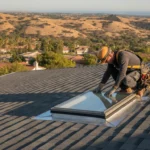
Skylight maintenance basics
Keep leaves and debris from collecting around skylights, and note condensation or discoloration between panes. Do not assume every skylight leak requires replacement. The problem may involve surrounding flashing, nearby roofing, or interior condensation. A professional diagnosis helps identify the correct repair scope.
Separate safe homeowner checks from professional roof work
Homeowners can monitor visible conditions, but roof access, diagnosis, and repair should be left to qualified professionals. This distinction reduces fall risk and helps avoid accidental damage to tile, shingles, flashing, and waterproofing layers.
Safe homeowner tasks generally include observing the roof from the ground, checking accessible ceilings. Noting attic odors or moisture, photographing visible changes, and clearing debris that can be reached without climbing. Homeowners can also watch how water moves through downspouts during rain and keep records of previous work.
Tasks that need a trained professional
- Walking on or closely examining clay and concrete tile
- Repairing flashing around chimneys, walls, vents, and skylights
- Diagnosing the source of stains or active water entry
- Replacing roofing materials or exposed waterproofing components
- Evaluating steep, fragile, wet, or otherwise unsafe roof surfaces
Temporary sealant applied to a visible gap may not correct the actual water-entry path. It can also make a later diagnosis harder. When you find a defect, document its location and arrange an inspection instead of attempting an unverified repair.
Prepare your roof before Southern California storms
Storm preparation means correcting known defects before rain, clearing drainage, and documenting the roof’s pre-storm condition. Waiting until a storm is forecast can leave too little time for a careful inspection or permanent repair.
- Arrange tree trimming for unsafe limbs that hang above the roof.
- Secure patio items and other objects that wind could lift.
- Confirm that gutters and downspouts are open.
- Photograph roof elevations and interior ceilings before the season.
- Keep the roofing contractor’s contact information accessible.
- Address active leaks promptly rather than covering them with cosmetic repairs.
After a storm, begin with a ground-level review. Check for fallen branches, displaced materials, and new interior moisture. Avoid entering areas with active electrical hazards or severe ceiling damage. For emergency or broader repair needs, review Cert-A-Roof’s roofing services.
Document roof conditions and maintenance work
A simple roof record helps homeowners recognize changes, explain concerns clearly, and make better repair decisions. Keep inspection reports, invoices, warranties, and dated photographs together. Record when gutters were cleaned, branches were trimmed, leaks appeared, and repairs were completed.
Photograph each roof elevation from a consistent ground-level position. Add close-up images only when they can be taken safely. After a storm or repair, repeat those views and compare them with earlier images. A small shift or stain can be difficult to remember months later, but it is easy to see in a side-by-side comparison.
What should a useful roof maintenance record include?
- The date and reason for each visual check or professional inspection
- Photos of roof surfaces, drainage areas, and interior warning signs
- Descriptions of observed defects and their locations
- Copies of repair proposals, paid invoices, and available warranties
- Notes about wind, rain, falling debris, or other events
Documentation does not replace an inspection, but it gives the inspector a clearer history. It can also help distinguish a new issue from an older condition. Store digital copies where they remain accessible during a move or emergency.
When should you call for an NRCIA-certified roof inspection?
Call for a certified inspection when you see damage, discover a leak, need reliable documentation, or cannot safely evaluate the roof yourself. A professional inspection is also useful before storm season, during a real estate transaction, and when planning maintenance for an aging roof.
An NRCIA-certified roof inspection goes beyond a quick estimate. Cert-A-Roof evaluates roof coverings, flashing, drainage, penetrations, and visible interior evidence using a consistent process. The resulting documentation helps property owners understand observed conditions and prioritize the next steps.
Call sooner when you notice these signs
- New ceiling stains, damp insulation, or musty odors
- Missing, shifted, or cracked roofing materials
- Persistent gutter overflow or ponding
- Damage after wind, hail, or falling debris
- A need for inspection records during a property decision
Cert-A-Roof has served Southern California property owners for more than 30 years and specializes in certified roof inspections, maintenance, repair, and replacement. A documented review can separate an isolated defect from a broader roof-system concern.
What happens during a professional roof inspection?
The exact process depends on the property and roof type. An inspector typically reviews visible roof coverings, penetrations, flashing, drainage, and accessible interior areas for evidence of moisture. Findings should identify observed conditions and recommended next steps rather than relying on a quick glance from the ground.
Homeowners can prepare by sharing prior reports, repair records, and the locations of any interior stains. Clear access to attic openings and relevant rooms when practical. If the roof is fragile, steep, or otherwise unsafe to walk, the inspector can determine an appropriate evaluation method.
Frequently asked questions
How often should a roof be maintained in Southern California?
Homeowners should visually review the roof at least twice a year and after severe weather. Professional inspection frequency depends on roof material, age, exposure, and any known concerns.
Can I walk on a clay tile roof to inspect it?
Walking on clay or concrete tile can break roofing materials and creates a fall risk. Use ground-level observations and hire a trained professional for close-up evaluation.
What is the most important task before the rainy season?
Clear drainage paths and correct known defects before rain arrives. Gutters, downspouts, flashing, valleys, and roof penetrations deserve special attention.
Does a ceiling stain always mean the roof is leaking?
Not always. Plumbing or condensation can also create stains. However, any new moisture sign should be investigated promptly so the source can be confirmed.
Protect your roof with a documented maintenance inspection
A consistent maintenance routine can reveal changes early, reduce surprises during storms, and give you a useful record of roof condition. Use this checklist for safe observations, then rely on qualified professionals for close-up evaluation and repair decisions.
Schedule a Cert-A-Roof inspection to get a detailed assessment and clear next steps for your Southern California property.

Comment (0)