Roof Certification for FHA Loan California Guide
A request for a roof certification can arrive at a stressful point in a California real estate transaction. An appraiser may have noted worn materials, a lender may want more detail, or a buyer may need clear proof about the roof’s condition before closing. When that happens, the right inspection and documentation can help the parties address the concern without losing valuable time.
Schedule a professional roof certification inspection for your California real estate transaction.
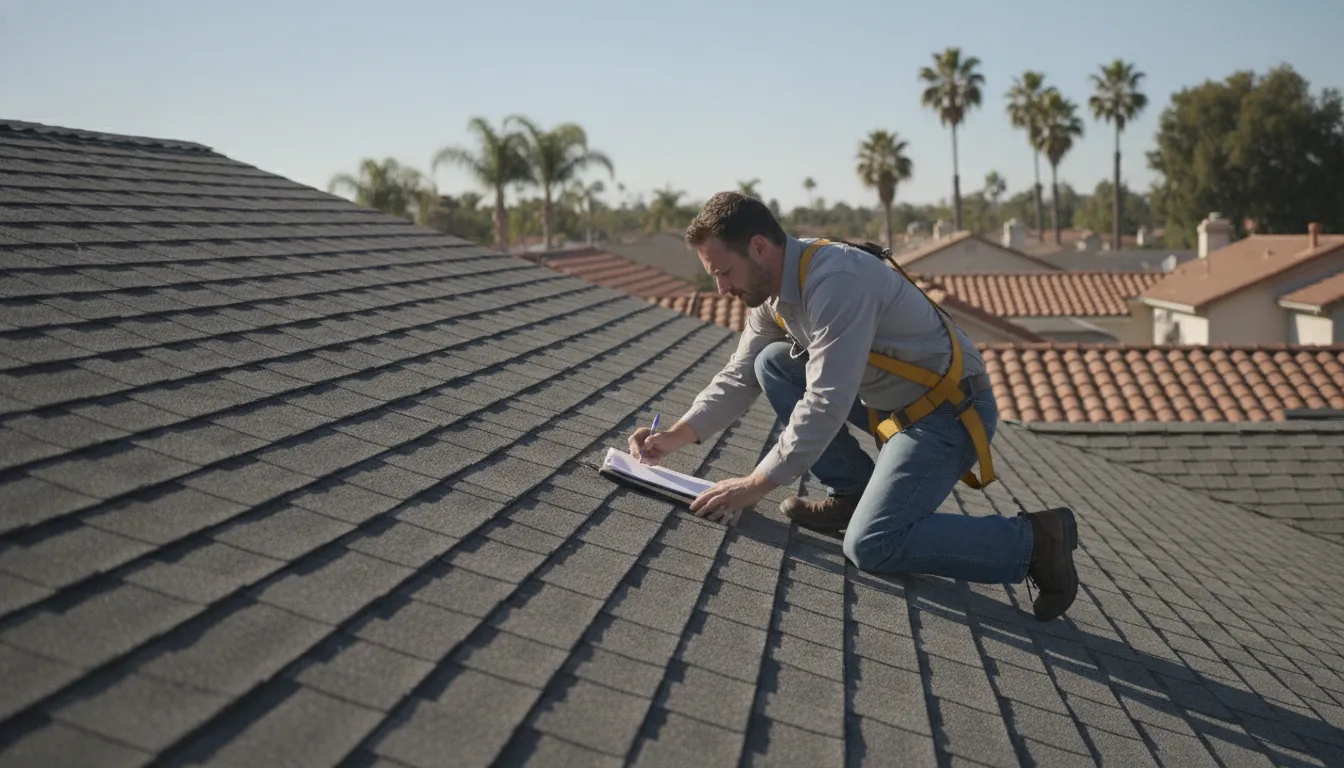
A roof certification for FHA loan California transactions is not automatically required for every home. The need often depends on the appraiser’s observations, the lender’s conditions, and the roof’s visible condition. A VA roof certification California lender requests follows a similar practical path. A qualified roof inspector assesses the roof, documents findings, and identifies work that may be needed before a certification can be issued.
This guide explains when a certification may enter escrow, what a LeakFREE roof inspection covers, how FHA and VA requests compare, and how buyers, sellers, agents, and lenders can keep the process moving.
When is a roof certification for FHA loan California transactions needed?
A roof certification for FHA loan California transactions may be needed when an appraisal flags a roof concern or a lender requests focused documentation before funding. Cert-A-Roof can inspect and document the roof condition, but the lender decides whether the submitted documentation satisfies the loan condition.
A roof certification is not the same as a routine appraisal. An appraiser reviews the property for the loan program and may flag visible concerns. A roof inspector performs a more focused assessment of the roof system. If the appraisal notes a possible leak, damaged roofing, a worn surface, or an unclear remaining service life, the lender may ask for a roof inspection or certification before funding.
Common reasons a lender asks for more roof documentation
The lender makes the final decision about its required documents. Still, several conditions commonly trigger a request for a closer roof review:
- Active or suspected leaks are visible inside or outside the home.
- Missing, broken, curled, or heavily worn roofing materials are noted.
- Flashing, penetrations, or roof-to-wall transitions appear damaged.
- Prior repairs are visible, but their condition is unclear.
- The appraiser cannot determine whether the roof has adequate remaining life.
- A lender condition specifically calls for inspection by a qualified professional.
Why the lender’s exact request matters
Before scheduling, the buyer, seller, or agent should get the lender’s condition in writing. The wording may call for a roof inspection, a repair clearance, a certification, or proof of remaining service life. These are related but not identical requests. Sharing the exact language with the inspector helps ensure that the resulting report addresses the stated concern.
Do not assume that one form will satisfy every lender. Loan files and property conditions differ. Confirm the lender’s expectations early, then use a qualified inspector who can supply clear and professional documentation.
How FHA and VA roof certification requests compare
FHA and VA roof requests commonly begin with an appraisal observation, followed by a lender condition for inspection, repair, or certification. In both cases, Cert-A-Roof can provide specialized inspection documentation, while the lender reviews the submitted documents and decides whether the condition is satisfied.
FHA and VA transactions both place importance on a property’s condition, safety, and ability to serve as a home. In either loan process, an appraiser may note a roof concern that needs more review. Neither process should be reduced to a blanket statement that every California transaction always requires a roof certification. The lender and appraiser findings guide the next step.
| Topic | FHA transaction | VA transaction |
|---|---|---|
| Initial roof concern | Often begins with an appraisal observation or lender condition | Often begins with an appraisal observation or lender condition |
| Specialized review | Lender may request inspection, repair, or certification | Lender may request inspection, repair, or certification |
| Who decides what is needed | The lender reviews the loan file and required documentation | The lender reviews the loan file and required documentation |
| Best next step | Share the written condition with a qualified roof inspector | Share the written condition with a qualified roof inspector |
FHA roof concerns in practical terms
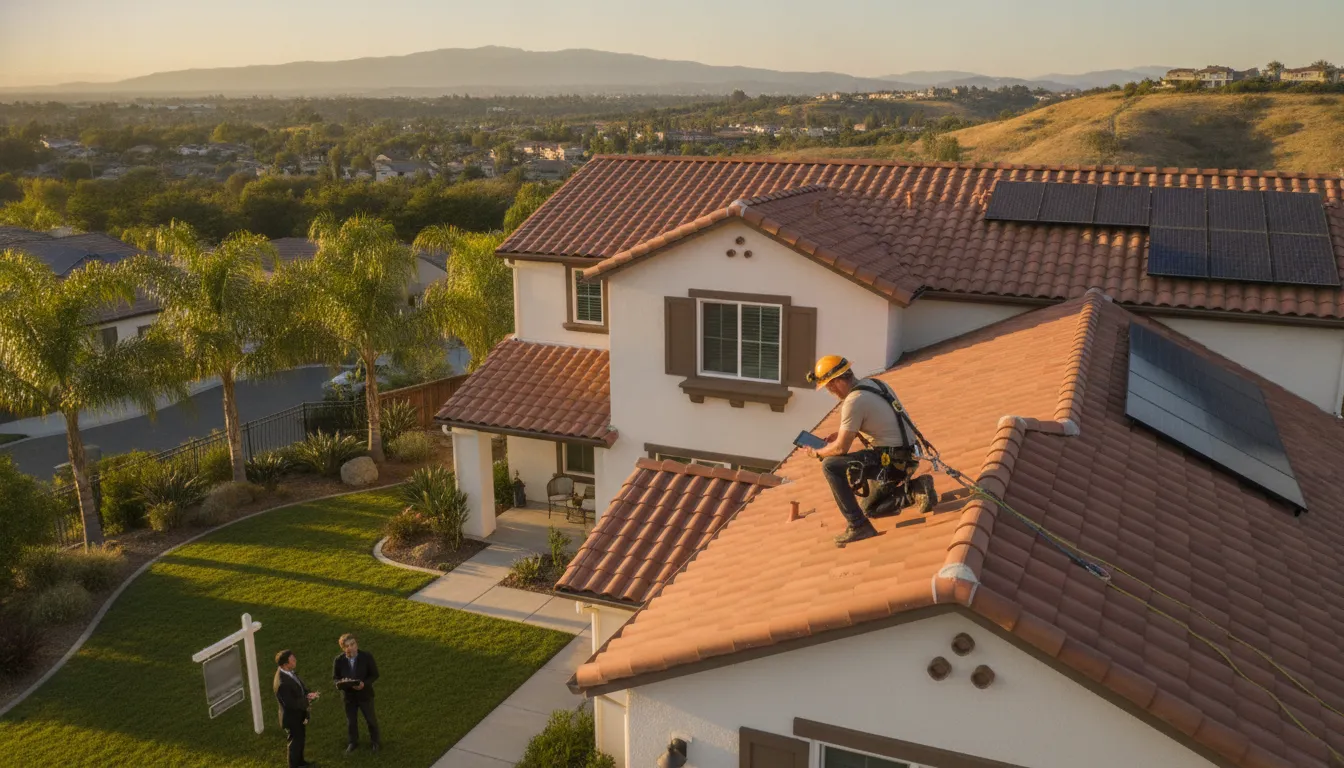
For an FHA-financed purchase, a roof issue noted in the appraisal can lead to a condition that must be resolved before closing. The inspector’s job is to assess observable roof conditions and explain whether repairs are needed. If work is required, the process may include repair and a follow-up review before acceptable documentation can be provided.
VA roof certification California requests
A VA transaction can follow a similar sequence. When a roof concern is identified, the lender may seek a professional opinion or proof that the problem has been corrected. Agents and borrowers should ask for the exact condition rather than relying on a general checklist. That protects the timeline and helps prevent ordering the wrong service.
What does a LeakFREE roof inspection look for?
A Cert-A-Roof LeakFREE inspection evaluates accessible roof surfaces, transitions, penetrations, drainage, visible defects, and evidence of water intrusion. The resulting organized record helps buyers, sellers, agents, and lenders understand the roof condition and whether repairs or a follow-up inspection are needed before certification.
A LeakFREE roof inspection is designed to assess the roof system in a thorough and consistent way. It looks beyond a quick visual glance from the ground. The inspector reviews accessible roof areas and documents the conditions that could allow water to enter the building. The goal is a clear record that helps the parties understand the roof’s condition and next steps.
Roof surfaces, transitions, and drainage
The review considers roofing materials and the areas where water intrusion often starts. Those areas can include flashing, roof penetrations, valleys, edges, transitions, and drainage paths. The inspector also looks for signs of age, wear, damage, failed seals, poor prior repairs, and debris or drainage problems that could affect performance.
Interior evidence can also matter when accessible. Staining, moisture marks, or signs of prior leaks may help explain a concern raised during the appraisal. A focused professional roof inspection connects those observations to the visible roof conditions instead of relying on assumptions.
Documentation and recommended repairs
The report should clearly describe the inspected property, the areas reviewed, the observed conditions, and any recommended action. Photos can help lenders and transaction parties understand why a repair is or is not needed. If defects prevent certification, the report should make the repair scope clear enough for the parties to plan the next step.
A certification is not a promise that a roof will never need maintenance. It documents the roof’s assessed condition under the certification program at that time. Learn more about Cert-A-Roof’s roof certification service and the documentation available for real estate transactions.
How the roof certification process fits into escrow
The roof certification process fits into escrow by turning a lender condition into a clear sequence: confirm the request, inspect the roof, complete any necessary repairs, reinspect when needed, and submit final documentation. Cert-A-Roof helps transaction teams document each roof-related step clearly for lender review.
Roof questions can delay escrow when the request arrives late or the parties do not know who should act. A simple, documented workflow helps everyone coordinate. The process below may vary based on the lender’s condition and the inspection findings.
- Get the condition in writing. Ask the lender or loan team for the exact roof-related requirement. Confirm whether it calls for an inspection, repairs, certification, or another document.
- Share the request with the transaction team. The buyer, seller, agents, and relevant loan contacts should know what has been requested and the target date for completion.
- Schedule a qualified roof inspection. Give the inspector the lender’s wording, property address, access details, and any known history of leaks or repairs.
- Review the findings. The report may support certification, recommend repairs, or identify a need for further access or review.
- Complete required repairs. If defects must be corrected, the responsible party arranges the work based on the transaction agreement and lender requirements.
- Arrange follow-up documentation. A reinspection may be needed to confirm that required roof work was completed before certification or clearance is issued.
- Send the final documents to the lender. Deliver the requested report or certification promptly and confirm that the loan team considers the condition satisfied.
Real estate professionals can coordinate with Cert-A-Roof early to protect the closing timeline.
Schedule early enough to protect the closing date
Waiting until the final days of escrow creates risk. Inspection access, repair work, weather, and reinspection can each affect timing. Once a roof condition appears, agents should confirm deadlines and schedule the next step quickly. Early action gives the parties more room to review findings and make informed decisions.
Who coordinates a roof certification during a real estate transaction?
The lender defines the required roof document, the buyer and seller handle transaction decisions, agents coordinate timing and access, and the roof inspector evaluates and documents the roof. Cert-A-Roof works with the transaction team on the inspection and documentation, while clear role assignments reduce avoidable delays.
Several people take part in resolving a roof condition, but their roles are different. Clear communication prevents duplicated work and missed deadlines. The lender states what documentation is needed. The transaction parties arrange access and decide how permitted repairs will be handled. The roof inspector evaluates and documents the roof.
Buyers and sellers
Buyers should understand what the lender needs and review the inspection findings as part of their broader property decision. Sellers should provide reasonable access and share known roof information when appropriate. Responsibility for inspection fees or repairs depends on the purchase agreement and negotiations, not on a universal FHA or VA rule.
Agents, lenders, and inspectors
Real estate agents help coordinate the people, documents, and timeline. Lenders and loan officers clarify the condition and decide whether submitted documents satisfy it. Inspectors assess roof conditions and report their findings within the scope of the requested service. Cert-A-Roof offers support for real estate professionals managing roof questions during California transactions.
The most effective approach is simple: get the request in writing, send it to the inspector, and keep the resulting documents together. That gives every decision-maker the same information.
Why NRCIA-backed documentation matters
NRCIA-backed documentation matters because it creates a consistent, professional record of the roof areas reviewed, the observed conditions, and any work required before certification. Cert-A-Roof uses this structured approach to give lenders and transaction parties clearer, more actionable information than an informal opinion.
In a real estate transaction, a brief note that says a roof is “fine” may not give a lender or buyer enough useful detail. Consistent inspection practices and organized documentation help explain what was reviewed, what was found, and whether work was needed. NRCIA-backed processes support that structured approach.
A clearer record for all parties
Professional documentation can reduce confusion between the appraisal concern and the roof inspector’s findings. It gives agents a record to share, helps buyers and sellers understand the issue, and gives lenders information they can evaluate. Photos and clear descriptions also make it easier to distinguish an active problem from normal aging or a past repair.
Certification follows inspection, not assumption
A credible certification should follow a completed assessment. If the inspector finds conditions that prevent certification, those findings should be addressed first. This protects the value of the document and gives the parties a practical path toward resolution. The lender still determines whether the documentation meets its loan condition.
How early action reduces transaction risk
A roof condition is easier to manage when the team treats it as a sequence rather than a last-minute paperwork request. First, the lender clarifies the exact document it expects. Next, the inspector identifies whether the concern is limited to documentation or requires corrective work. The parties can then make repair and scheduling decisions with a shared record instead of relying on verbal summaries.
This sequence also reduces the chance of paying for the wrong service. An inspection, certification, repair clearance, and remaining-life statement may sound similar, but they answer different questions. Sending the written lender condition to Cert-A-Roof before the appointment helps align the inspection scope with the loan file. It also gives agents a better basis for setting expectations with buyers and sellers.
Frequently asked questions
Is a roof certification required for every FHA loan in California?
No. A roof certification is not automatically required in every FHA transaction. A lender may request one when the appraisal or other information raises a roof concern. Ask the lender for the exact written condition before ordering a service.
Does every VA loan require a roof certification in California?
No. A VA roof certification California request often depends on the property’s condition, appraisal findings, and lender requirements. If a roof issue is flagged, the lender may request a specialized inspection, repair documentation, or certification.
What happens if the roof does not qualify for certification?
The inspector should explain the conditions that must be corrected. The transaction parties can then arrange repairs as allowed by their agreement. A follow-up inspection may be needed before the certification or final documentation can be issued.
How long does a roof certification take during escrow?
Timing depends on scheduling, access, the roof’s condition, and whether repairs or a reinspection are needed. Contact the inspector as soon as the lender flags a concern. Early scheduling provides more time to address findings before closing.
Can a general home inspection replace a roof certification?
Not when the lender specifically asks for a roof certification or specialized roof document. A general home inspection and a roof certification have different scopes. Confirm the lender’s wording and provide it to the roof inspector.
Ready to resolve an FHA or VA roof condition?
If a lender, appraiser, buyer, seller, or agent needs clear roof documentation, Cert-A-Roof can help determine the right next step. Schedule a thorough inspection early so your transaction team has time to review findings, complete any needed work, and submit the requested documents.
Request your roof certification inspection for a California real estate transaction.
What to have ready before you schedule
Gather the property address, the lender’s written condition, the appraisal excerpt that mentions the roof, and any known repair records. Share access limits and the escrow deadline when you book. This simple preparation helps the inspector understand the request and gives the transaction team a more useful report.
After the inspection, send the full document to the lender instead of forwarding only a photo or short summary. Keep copies of repair invoices and follow-up findings with the file. Clear records help each party see what was found, what was corrected, and what remains for the lender to review.
Comment (0)