
Roof Inspection for Insurance Renewal Guide
A roof inspection for insurance renewal helps homeowners document roof condition before a policy review becomes urgent. Insurance carriers may ask for photos, repair records, or a recent inspection when they review risk. A clear report can help you answer those questions with facts instead of guesses.
Need documentation for a renewal deadline? Schedule a certified roof inspection so you have a written report before your carrier asks for one.
This guide explains why carriers request roof condition documentation, what inspectors look for, and how a professional report can support your next conversation with an agent or underwriter.
What a roof inspection for insurance renewal proves
A roof inspection for insurance renewal proves one simple thing: the roof has been reviewed by a qualified professional at a specific point in time. That matters because a carrier may not be able to judge condition from age alone. A roof can look old in a file but still have useful life. It can also look fine from the street while hiding repair needs.
Current condition
The report records the visible condition of the roof covering, flashings, drainage areas, penetrations, and repair needs. It also gives the homeowner a dated document to share. That is more useful than a verbal opinion when a renewal decision is time sensitive.
Insurance companies may use in-person inspections and aerial imagery to evaluate maintenance and claim risk. A professional inspection adds site-level detail. It can show where a concern is real, where it is cosmetic, and where a repair has already been completed.
Maintenance history
Renewal reviews often focus on risk. A roof with missing material, unrepaired damage, heavy debris, or poor drainage may raise questions. A report helps organize those items. It can also show that the homeowner is maintaining the roof instead of waiting for a leak.
For homeowners, the goal is not to argue with the carrier. The goal is to provide useful records. If the insurer asks for more detail, you can refer to the report, repair invoices, and photos in one place.
Renewal-specific focus
This is different from a general roof estimate. A contractor estimate may focus on selling a repair or replacement. A renewal-focused inspection should focus on condition, documentation, and next steps. Cert-A-Roof provides professional investigations with detailed reporting, not just a quick opinion from the curb.
For broader insurance documentation needs, Cert-A-Roof also explains roof inspection and certification for insurance. This article focuses on the renewal moment, when homeowners need to be ready before the next policy period begins.
Insurance company roof inspection requirements homeowners should expect
Insurance company roof inspection requirements vary by carrier, policy, property age, and roof type. Your agent or insurer is the final source for what they need. Still, most requests look for the same basic proof: roof age, visible condition, repair status, and clear documentation.
Common review points
Carriers may consider roof age and material durability when they review renewal eligibility. Asphalt, wood, rubber, tile, slate, and other materials do not age the same way. That is why the report should identify the roof material and describe its actual condition.
Inspectors often look for missing, lifted, curled, cracked, or worn roofing material. They may also note multiple layers, unrepaired damage, excessive debris, moss, and overhanging limbs. These items matter because they can affect water shedding and future claim risk.
| Review area | Why it matters |
|---|---|
| Roof age | Helps the carrier judge material risk. |
| Visible damage | Shows broken, missing, or worn areas. |
| Leak risk | Flags weak points before water enters. |
| Repair history | Shows what work was completed. |
| Maintenance | Notes debris, drainage, and tree issues. |
Documentation quality
A strong report should be easy to read. It should name the roof areas reviewed, show photos, and explain the meaning of each finding. The report should not leave the homeowner guessing which items are urgent and which are routine maintenance.
Ask your carrier what format it accepts before you submit records. Some insurers want a complete report. Others may ask for selected pages, repair photos, or contractor invoices. If the request is unclear, ask your agent to confirm the exact documents and due date.
What requirements do not mean
An inspection request does not always mean your policy is in trouble. It may be a normal underwriting step. It may also be triggered by roof age, an exterior image, recent weather, or local claim patterns. Treat the request as a documentation task first.
If your carrier asks about a leak, start with the facts. Cert-A-Roof has a separate guide on whether homeowners insurance covers roof leaks. Coverage questions belong with your insurer, but roof condition documentation can still help the conversation.
When should you schedule the inspection before renewal?
Schedule the inspection before your renewal deadline becomes urgent. A few weeks of lead time gives you room to review the findings, ask questions, and handle any needed roof work.
Start before the renewal date
Book the inspection several weeks before your policy renewal date. If your insurer asks for proof of condition, you can provide a recent report without rushing. Early scheduling also gives you time to gather photos, repair records, and other documents.
Do not wait for a last-minute request if your roof is older. Insurers may consider roof age and material durability when they review renewal eligibility. In Southern California, planning ahead also helps you avoid a scramble during a busy repair window.
Reasons to move the inspection up
Move the appointment up after a recent storm or when you see a leak. Also act sooner if you notice missing shingles, loose material, or debris on the roof. These signs may need a closer look before you submit renewal documents.
- Your renewal date is approaching.
- Your roof is older or its age is unclear.
- A recent storm may have caused damage.
- You can see a leak, stain, or missing roof material.
- You plan to sell or refinance the property.
A sale or refinance can add another deadline. A certified report can help organize the condition findings and related records. If storm damage may be involved, review the steps for a hail damage insurance claim as well.
Time for repairs and records
The inspection date is not the finish line. If the report notes a repair, leave enough time to complete the work and save the invoice. Keep the final report, photos, and repair records together so they are easy to send.
Ask your insurer which records it wants and when they are due. Requirements can vary by carrier and policy. A timely roof inspection for insurance renewal gives you a practical window to respond instead of reacting at the deadline.
What inspectors look for on the roof
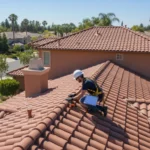
A roof inspection for insurance renewal is a condition check, not a quick glance from the curb. The inspector records the roof covering, visible wear, weak points, and signs of water entry. A certified roof inspection also creates a clear record of the findings.
Roof materials and visible damage
The inspection starts with the main roofing material. The inspector notes asphalt shingles, tile, slate, or another covering, then checks its present condition. Age matters, but condition matters too.
Inspectors look for cracked, curled, lifted, loose, or missing shingles. On tile roofs, they check for cracked, slipped, or missing tiles. They also note worn areas, debris, moss, and overhanging limbs.
Water entry points and drainage
Next, the inspector checks areas where water can get through the roof. These include flashing around walls, chimneys, skylights, and roof valleys. Vents, pipes, and other roof penetrations also need close review.
- Gutters and downspouts are checked for clogs, damage, and poor flow.
- Flat or low-slope sections are checked for ponding water.
- Roof edges, eaves, and fascia are checked for visible wear or rot.
- Drainage paths are checked for debris that can hold water against the roof.
The inspection may extend beyond the roof surface when access allows. Attic or interior signs can add context, such as stains, damp areas, or marks near a ceiling. These signs help guide a closer check of the area above.
Photos and repair recommendations
A useful report shows what the inspector found and where each issue appears. Photos make the report easier to review with an insurer. Notes should separate maintenance items from defects that need repair.
If repairs are recommended, the report should state the affected area and the needed work. It should also show the roof condition after the work is complete. That paper trail gives the homeowner a practical record for the renewal file.
How a certified report helps your renewal conversation
A clear record of roof condition
A certified report gives you a written record before you speak with your agent. Cert-A-Roof follows NRCIA-standardized inspection protocols and provides detailed documentation. The report gives the conversation a clear starting point: the roof’s observed condition.
That record matters because insurers may review roof risk during renewal. A professional report adds site-level detail when an aerial image does not tell the full story. It can also show if a listed issue has already been repaired.
Repairs and maintenance records
A useful report should separate observed conditions from recommended next steps. For example, it can show whether a concern calls for maintenance, a focused repair, or further review. That makes it easier to ask your agent what documentation the carrier needs.
Keep the report with invoices, repair photos, and other roof records. This file can help you show what was inspected and what work was completed. It also helps distinguish current maintenance from a past leak or weather event.
Mid-renewal deadline coming up? Use Cert-A-Roof’s certified roof inspection services to create a clear report before you submit documents.
A more focused agent conversation
A certified report does not guarantee renewal or set the carrier’s decision. Each insurer applies its own underwriting rules. Still, an NRCIA-standardized report gives you a practical document to share. It can support questions about condition, maintenance, or completed repairs.
Before sending the report, ask your agent which pages, photos, and receipts the carrier wants. Also ask whether any issue needs a repair invoice or a follow-up inspection. If you still need documentation, a certified inspection can provide a detailed record for that renewal discussion.
How to prepare if your carrier asks for repairs
If a carrier asks for repairs, start by slowing the process down enough to understand the request. You need to know what the insurer saw, what it wants corrected, and when the documents are due.
- Read the notice carefully. Look for the specific roof issue, deadline, and proof requested. Save the notice with your policy records.
- Ask your agent for clarification. If the request is vague, ask whether photos, invoices, or a full report are required.
- Schedule a professional inspection. A qualified inspector can confirm the condition and document the affected areas.
- Complete needed repairs. If repairs are required, keep the scope, invoice, and completion photos.
- Send a clean document packet. Include the report, repair records, and any forms the insurer requested.
- Keep copies. Save every email, report, photo, and invoice in one folder for future renewal reviews.
Do not guess at the repair scope
Homeowners often feel pressure to fix everything at once. That may not be the right first step. An inspection can show which items affect the renewal request and which items are normal maintenance.
It can also help you avoid sending unclear photos or incomplete notes. If the carrier needs proof, a clean packet is easier to review. Clear records help your agent advocate for the file and reduce back-and-forth.
Know when replacement may enter the discussion
Sometimes a report shows that repair is not enough. This can happen when roof materials are near the end of their service life or when damage is widespread. The inspector should explain the finding in plain language.
Do not treat that as a coverage decision. It is a condition finding. Your insurer decides what it needs for renewal, and a licensed contractor can explain repair or replacement options. Your job is to gather the facts early.
Why use an NRCIA-certified roof inspector instead of a quick estimate?
A quick estimate may be useful when you already know what repair you want. It is less useful when an insurance carrier needs condition documentation. For renewal, the document itself matters.
Inspection versus estimate
An estimate usually focuses on the cost of work. An inspection focuses on the condition of the roof. It records what is visible, where issues appear, and what should happen next. Those are different purposes.
Cert-A-Roof’s NRCIA-standardized process is built for documentation. The company serves homeowners, property owners, real estate professionals, and insurance-related needs across Southern California. Reports are designed to help people understand roof condition and next steps.
Turnaround and clarity
Timing can matter when a renewal deadline is close. Cert-A-Roof offers a 24 to 48 hour report turnaround for time-sensitive insurance and real estate needs. That speed can help when the carrier has already asked for records.
Clarity matters too. A report should be easy for the homeowner, agent, and repair team to understand. It should not bury the key finding. It should explain whether the issue is maintenance, repair, or a larger roof concern.
Documentation without overpromising
No inspection company can promise an insurance outcome. A carrier may still ask for more records, repairs, or a follow-up review. What a certified inspection can do is give you a credible record of the roof’s current condition.
That record helps you move from worry to action. You know what was found. You know what needs attention. You also have a document you can share when the renewal conversation starts.
Frequently asked questions
Do home insurance companies require a roof inspection for renewal?
Some do, especially when the roof is older, the carrier sees a concern, or the property has a recent claim history. Requirements vary by insurer and policy. Ask your agent what documents are required before your renewal date.
How can a roof inspection help with insurance renewal?
It gives you a dated report with photos, roof condition notes, and repair recommendations. That report can help you answer underwriting questions and organize repair records. It does not guarantee renewal, but it can support a clearer conversation.
What happens if a roof fails an insurance inspection?
The carrier may ask for repairs, replacement, more documentation, or a follow-up inspection. In some cases, it may choose not to renew a policy. Read the notice carefully and ask your agent exactly what proof is needed.
Will a roof inspection reduce insurance costs?
Not always. An inspection is mainly a documentation tool. A clean report or completed repairs may help prevent delays, disputes, or renewal concerns, but pricing decisions belong to the insurer.
How long does a roof inspection take?
The time depends on roof size, access, slope, material, and the level of documentation needed. Ask the inspection company what to expect when you schedule. Also ask when the written report will be delivered.
Schedule your certified roof inspection before renewal
Do not wait until a renewal notice turns into a deadline. Cert-A-Roof helps Southern California homeowners document roof condition with certified inspections, clear reports, and practical next steps.
Schedule a certified roof inspection and get the records you need for your insurance renewal conversation.

Comment (0)