NRCIA Roof Inspection vs Home Inspection
NRCIA Roof Inspection vs Home Inspection: What Buyers Need to Know
A general home inspection is a smart step before you buy a house, but it is not the same as an NRCIA roof inspection. The difference matters when the roof is older, the seller cannot document prior repairs, the lender flags roof concerns, or you need clear proof that the roof is unlikely to leak after closing.
Buying a home and need roof clarity before your contingency period ends? Schedule a professional roof inspection with Cert-A-Roof so you can make your next decision with documented findings.
The short version: a home inspector looks at the home as a whole. An NRCIA-certified roof inspector focuses on the roofing system, follows roof-specific standards, documents roof conditions in detail, and can determine whether the roof qualifies for a LeakFREE certification. For buyers, that deeper roof evaluation can affect negotiations, insurance questions, lender requirements, repair planning, and peace of mind.
Quick Answer: Home Inspection vs NRCIA Roof Inspection
A home inspection gives buyers a broad review of the property. It may mention visible roof concerns, but it is usually not designed to certify the roof, estimate its leak risk, or document every roof component in detail. An NRCIA roof inspection is a specialized roof evaluation performed by a roof inspection professional trained to assess the roof system against roof-specific criteria.
| Category | General home inspection | NRCIA roof inspection |
|---|---|---|
| Main purpose | Review the overall home condition | Evaluate the roof system and leak risk |
| Scope | Structure, systems, accessible areas, visible defects | Roof covering, flashings, penetrations, drainage, attic indicators, repair needs |
| Roof depth | Limited compared with a roof-only inspection | Detailed roof-focused documentation |
| Certification | Does not certify the roof | Can determine eligibility for LeakFREE certification |
| Best used for | Broad buyer due diligence | Roof-specific risk, real estate negotiations, lender or insurance documentation |
The two inspections are not competitors. They answer different questions. A home inspection asks, “What should I know about this house?” An NRCIA roof inspection asks, “What is the current condition of this roof, what needs attention, and can it be certified against leaks?”
What a General Home Inspection Usually Covers
A home inspection is meant to help buyers understand the visible condition of a property before closing. The Consumer Financial Protection Bureau advises buyers to schedule an independent home inspection early so they have time to resolve major problems, negotiate repairs, or cancel under an inspection contingency if the contract allows it.
Most home inspectors review many parts of the property, including foundation, structure, electrical, plumbing, HVAC, windows, doors, drainage, attic access, and visible roofing conditions. That broad scope is useful. It helps buyers spot major concerns and understand whether the home has defects that could affect value, safety, or livability.
But the breadth of a home inspection is also its limit. The inspector may not walk every roof, remove materials, diagnose every leak source, or provide a roof certification. Many home inspection reports include cautious language such as “recommend evaluation by a licensed roofing contractor” when the inspector sees aging materials, stains, missing components, prior patching, or restricted access.
That referral is not a failure. It is the proper next step when a generalist identifies a specialist issue. Roofs are complex systems, and a missed roof defect can become one of the most expensive surprises a buyer faces after closing.
What an NRCIA Roof Inspection Adds
An NRCIA roof inspection is built around the roof itself. Instead of treating the roof as one item in a long checklist, the inspection examines the components that determine whether the roof can shed water, resist leaks, and protect the home over time.
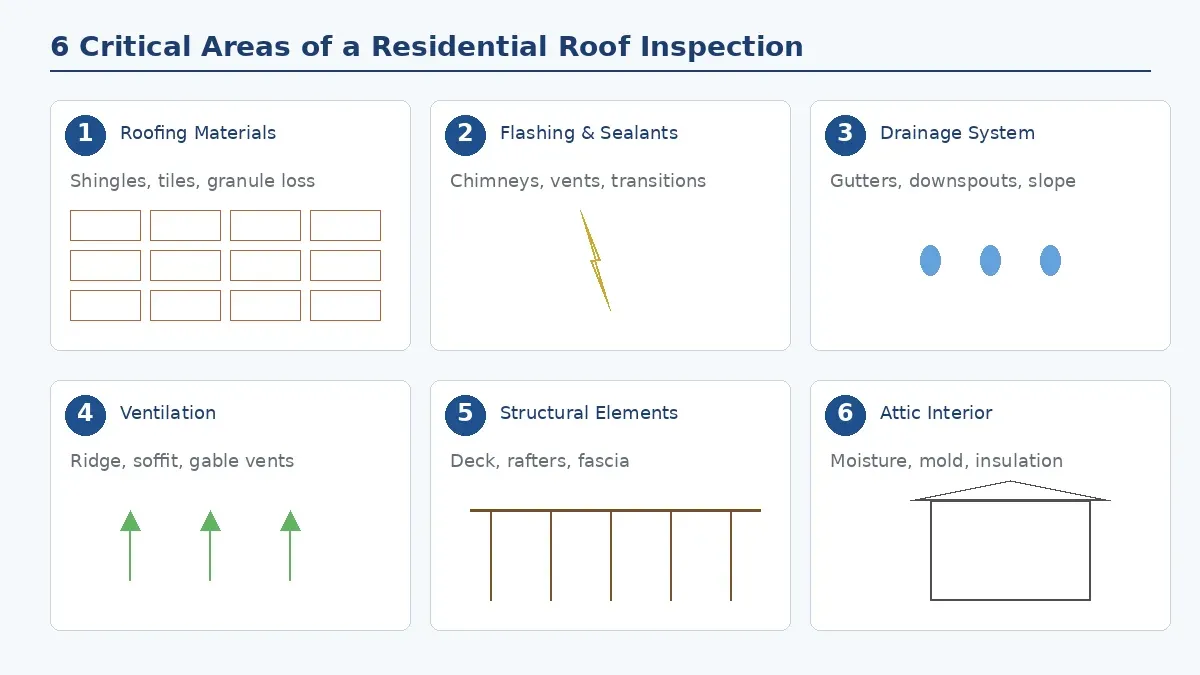
Cert-A-Roof inspectors are trained through the National Roof Certification and Inspection Association and use a roof-focused process for evaluating the roof system. A professional roof inspection may review the exterior roof covering, flashings, valleys, penetrations, vents, chimneys, skylights, gutters, drainage behavior, accessible attic indicators, signs of previous leaks, and areas where poor workmanship can create future problems.
The result is not just a verbal opinion. Buyers receive documentation with findings, photos, and recommendations. That documentation can help answer practical transaction questions:
- Is the roof currently leaking or at high risk of leaking?
- Are the visible defects minor, urgent, or deal-changing?
- What repairs should be completed before closing?
- Can the roof qualify for a certification after inspection or repairs?
- What documentation can be shared with the lender, insurer, seller, or agent?
For a buyer, those answers are more useful than a vague roof note buried inside a general home inspection report. They turn roof risk into a clearer decision.
Why a Home Inspection Is Not a Substitute for a Roof Certification
A home inspection report may say the roof appears serviceable, shows wear, or needs further evaluation. It does not certify that the roof will remain leak-free for a defined period. It also does not provide the same roof-specific documentation as a dedicated inspection.
A LeakFREE roof certification is different. It is issued only when the roof meets certification criteria. If the roof has conditions that must be repaired first, those items have to be addressed before certification can be completed. That distinction protects buyers because the certification is tied to a defined standard rather than a quick visual impression.
Think of it this way: a home inspection is broad due diligence. A roof certification is roof-specific assurance. One helps you understand the house. The other helps you document roof performance and leak risk.
This matters most in real estate because roof problems can affect more than repair costs. They can delay closing, trigger renegotiation, create insurance questions, or make a lender ask for additional documentation before funding the loan.
When Buyers Should Order a Separate Roof Inspection
Not every home purchase requires the same level of roof evaluation. A newer roof with complete permits, transferable warranties, and no visible concerns may need less investigation than a 22-year-old tile roof with staining in the attic and no repair records. Still, buyers should strongly consider an NRCIA roof inspection when any of the following apply.
The roof is older or near the end of its expected service life
Age alone does not prove a roof is failing, but it raises the stakes. Older roofs often have worn flashings, brittle materials, prior repairs, and hidden weak points. A specialized inspection helps separate normal aging from defects that should be corrected before closing.
The home inspection recommends a roofing specialist
If the general inspector recommends further roof evaluation, do not ignore that note. It means the inspector saw something outside the scope of a general inspection or could not verify roof condition with enough confidence.
The seller has limited roof documentation
Buyers often ask for permits, invoices, warranty documents, and repair history. When that paperwork is missing, a roof inspection becomes the best available current-condition record.
The lender, insurer, or escrow process raises roof questions
Some transactions become complicated when roof age, visible damage, deferred maintenance, or appraisal findings create concern. A clear roof report can help the buyer, agent, lender, or insurer understand what is actually happening.
You are buying in Southern California or another high-sun climate
Southern California roofs face heat, UV exposure, seasonal storms, wind, and long dry periods that can mask slow deterioration until rain returns. Cert-A-Roof serves buyers across Orange County and Southern California, where tile, shingle, flat, and mixed roof systems each have different inspection concerns.
If your home inspector flagged the roof, do not wait until the end of escrow. Review Cert-A-Roof services for buyers and get roof-specific documentation while you still have time to negotiate.
How Roof Documentation Supports Negotiations
Roof concerns can become emotional during a home purchase. Sellers may believe the roof is fine because it has not leaked recently. Buyers may worry that every stain means a full replacement is coming. Agents need a practical path forward before deadlines expire.
A specialized roof report gives everyone a cleaner basis for discussion. Instead of arguing over assumptions, the parties can review photos, findings, and repair recommendations. That can support several outcomes:
- The seller completes needed repairs before closing.
- The buyer negotiates a credit or price adjustment.
- The parties agree on certification after qualifying repairs.
- The buyer decides the roof risk is acceptable.
- The buyer cancels under the inspection contingency if the risk is too high and the contract allows it.
Documentation is especially useful when the roof condition affects financing or insurance. The CFPB notes that major repairs identified during inspection or appraisal can complicate closing, and a lender may require repairs before funding in some situations. When the issue is roof-related, a dedicated roof inspection can help clarify whether the concern is minor, repairable, or serious enough to affect the transaction.
How LeakFREE Certification Fits Into a Real Estate Transaction
Cert-A-Roof’s LeakFREE process is designed for situations where buyers, sellers, and agents need more than a basic opinion. After a LeakFREE inspection, the roof may qualify for certification if it meets the required criteria. If repairs are needed, Cert-A-Roof can identify the work required to bring the roof to a certifiable condition.
For buyers, this can be valuable because it converts uncertainty into a defined path. Instead of asking, “Is the roof okay?” the better question becomes, “What has to happen for this roof to qualify for certification?” That question leads to clearer repair scopes, better negotiation terms, and stronger post-closing expectations.
The Cert-A-Roof difference is built on roof inspection standards, documented findings, and accountability. The company has more than 30 years of experience and has completed more than 75,000 inspections and certifications. That matters in a transaction because buyers need a roof professional who understands both roofing conditions and the time pressure of escrow.
What Buyers Should Ask Before Closing
Use the home inspection and roof inspection together. The home inspection helps you understand the property as a whole. The roof inspection helps you understand one of the property’s most expensive protective systems.
Before you remove contingencies or accept a seller response, ask these questions:
- Did the home inspection include clear photos of the roof?
- Did the inspector walk the roof, inspect from a ladder, use a drone, or view from the ground?
- Did the report recommend further evaluation by a roofing professional?
- How old is the roof, and can the seller prove it?
- Are there signs of prior leaks, patched areas, ponding water, cracked tiles, missing shingles, damaged flashing, or attic staining?
- Would a roof certification help satisfy your risk tolerance, lender concerns, or insurance questions?
If the answers are unclear, order the roof inspection. The cost of roof due diligence is small compared with buying a home and discovering a leak during the first storm season.
Need a buyer-focused roof report before closing? Contact Cert-A-Roof to schedule a LeakFREE inspection and find out whether the roof can qualify for certification.
How to Use Both Inspections the Right Way
The best buyer strategy is not to choose between a home inspection and an NRCIA roof inspection. Use each one for the job it is meant to do.
- Start with the general home inspection. This gives you the broad condition report you need for the whole property.
- Review every roof-related note. Look for language about age, damage, limited access, active leaks, prior repairs, or recommendations for specialist evaluation.
- Order the roof inspection early. Do not wait until the last day of your contingency period.
- Compare the reports. Use the general report for context and the NRCIA roof inspection for roof-specific decision making.
- Negotiate from documentation. Ask for repairs, credits, certification, or further terms based on specific findings, not guesses.
For buyers who want more background before ordering, Cert-A-Roof’s residential roof inspection guide explains what a roof inspection covers, common inspection areas, timing, and why routine inspection can prevent expensive surprises.
FAQ: NRCIA Roof Inspection vs Home Inspection
Do I still need a home inspection if I get an NRCIA roof inspection?
Yes. A roof inspection does not replace the broad property review that a home inspection provides. Buyers usually benefit from both because they answer different questions.
Can a home inspector certify a roof?
A general home inspection does not usually certify a roof. Roof certification requires a roof-specific inspection process and a roof that meets the applicable certification criteria.
Will a roof inspection help with insurance?
It can. Insurers may ask questions about roof age, condition, damage, or repair status. A documented roof inspection gives buyers and homeowners clearer information to provide when roof condition becomes part of the insurance conversation.
Can a lender require roof repairs before closing?
In some transactions, yes. If an inspection or appraisal identifies major repairs, closing can become more complicated. A lender may require repairs or other conditions depending on the loan program and property condition.
What if the roof does not qualify for LeakFREE certification?
The inspection can identify what needs to be corrected. Once qualifying repairs are completed and the roof meets the criteria, certification may become possible.
The Bottom Line for Buyers
A home inspection is an essential first step, but it is not a roof certification and it is not a substitute for an NRCIA roof inspection when roof condition matters to the deal. If the roof is older, the report is unclear, documentation is missing, or a lender or insurer asks questions, get a roof specialist involved before closing.
Cert-A-Roof helps buyers move from uncertainty to documented answers. With NRCIA-certified inspections, roof-specific reporting, and LeakFREE certification options, buyers can understand roof risk before they inherit it.
Ready to protect your purchase? Schedule your Cert-A-Roof inspection and get the roof documentation you need before closing.
Comment (0)