How Often Should You Have Your Roof Inspected?
How Often Should You Have Your Roof Inspected?
A roof rarely announces a small defect before it becomes an expensive leak.
Concerned about your roof’s condition? Schedule a certified roof inspection with Cert-A-Roof today.
How often should you have your roof inspected? For most Southern California homes, a professional inspection every one to two years is a practical baseline. Choose annual inspections when the roof is older, has a repair history, sits under trees, or faces strong sun and coastal exposure. Schedule an extra check after heavy rain, high wind, falling debris, roof access, or any new water stain. Between professional visits, homeowners can safely watch for changes from the ground and inside the attic, but they should not walk on the roof.
A consistent schedule gives you time to address small defects and document the roof’s condition. The best interval depends on the system in front of you, so start with the baseline and adjust it for age, material, weather, and warning signs.
How often should you have your roof inspected?
For most Southern California homes, scheduling a professional roof inspection every one to two years is a sound baseline. An annual inspection is the safer choice for an older roof, a roof with a repair history, or a property exposed to trees, coastal air, or intense sun. The schedule should also change when conditions change. Do not wait for the next routine visit after a major storm, visible damage, or a new interior water stain.
A calendar is only the starting point
A roof can look sound from the street while water enters around flashing, vents, skylights, or other transitions. Regular inspections create a record of its condition and let you address small defects before they spread. This is especially useful because a slow leak may harm insulation and wood long before water reaches a living space.
Set a recurring reminder for the same month each year, ideally before the season when your area receives the most rain. Keep each report, photo set, invoice, and repair note together. Comparing records from year to year makes it easier to spot changes and plan maintenance.
Use safe checks between professional visits
Homeowners can watch for trouble without climbing onto the roof. After wind or rain, look from the ground for displaced material, debris, sagging lines, or damaged gutters. Check ceilings and the attic for stains, damp areas, or musty odors. These simple checks do not replace an inspection, but they can show when to call sooner.
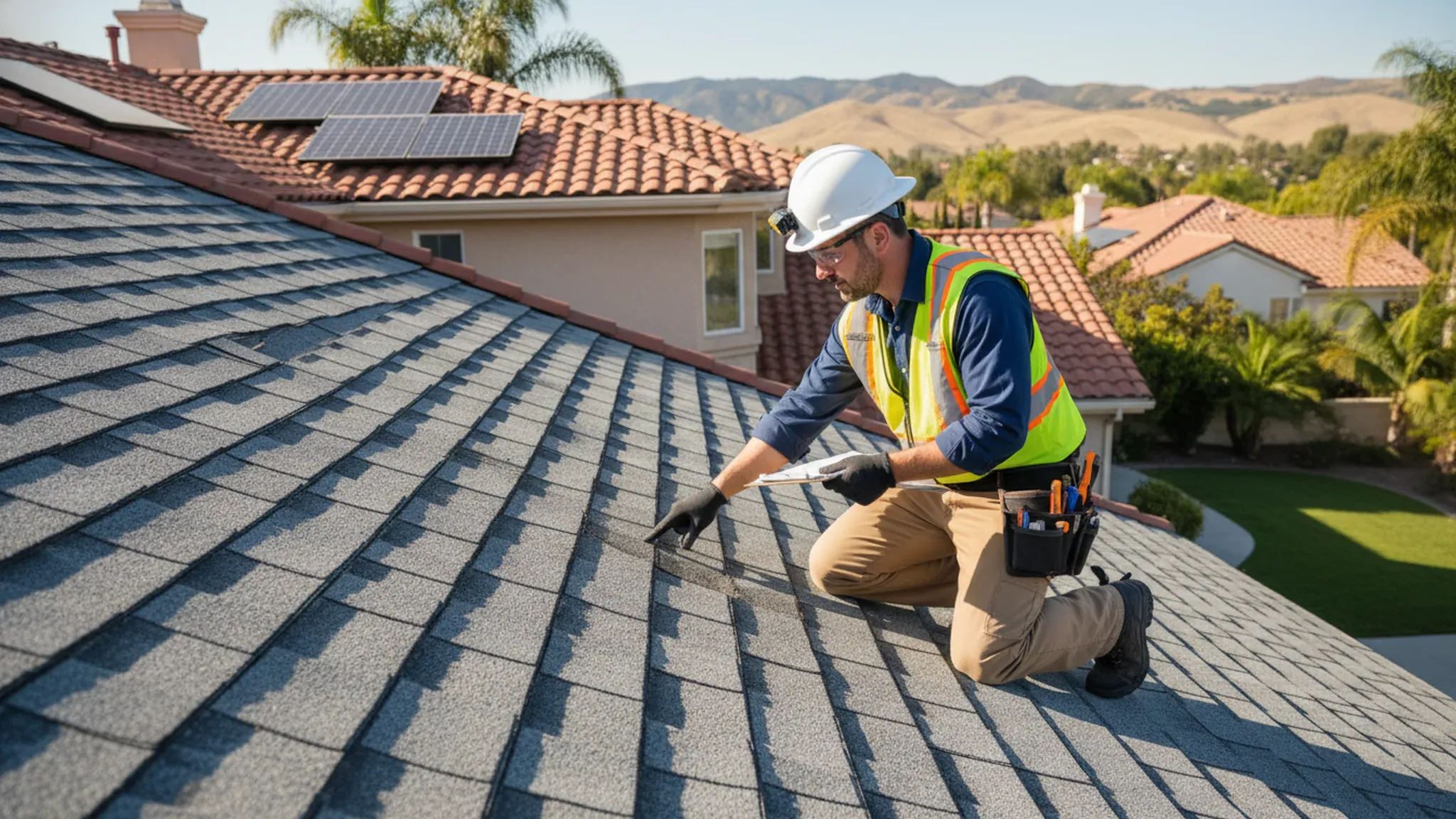
A professional has the training and equipment to assess roof surfaces, penetrations, drainage, and hard-to-see areas safely. If you notice a change, schedule a professional roof inspection rather than trying to walk the roof yourself.
Times when annual checks make sense
- The roof is older or its installation date is unknown.
- The property has had prior leaks or repeated repairs.
- Trees hang over the roof or regularly drop debris.
- The home is near the coast or receives strong sun exposure.
- You are preparing to buy, sell, refinance, or plan major work.
The right answer to how often should you have your roof inspected is therefore not one fixed number. Start with a regular one-to-two-year schedule, then shorten the interval when the roof, weather, or property gives you a reason.
Adjust the schedule for roof age and material
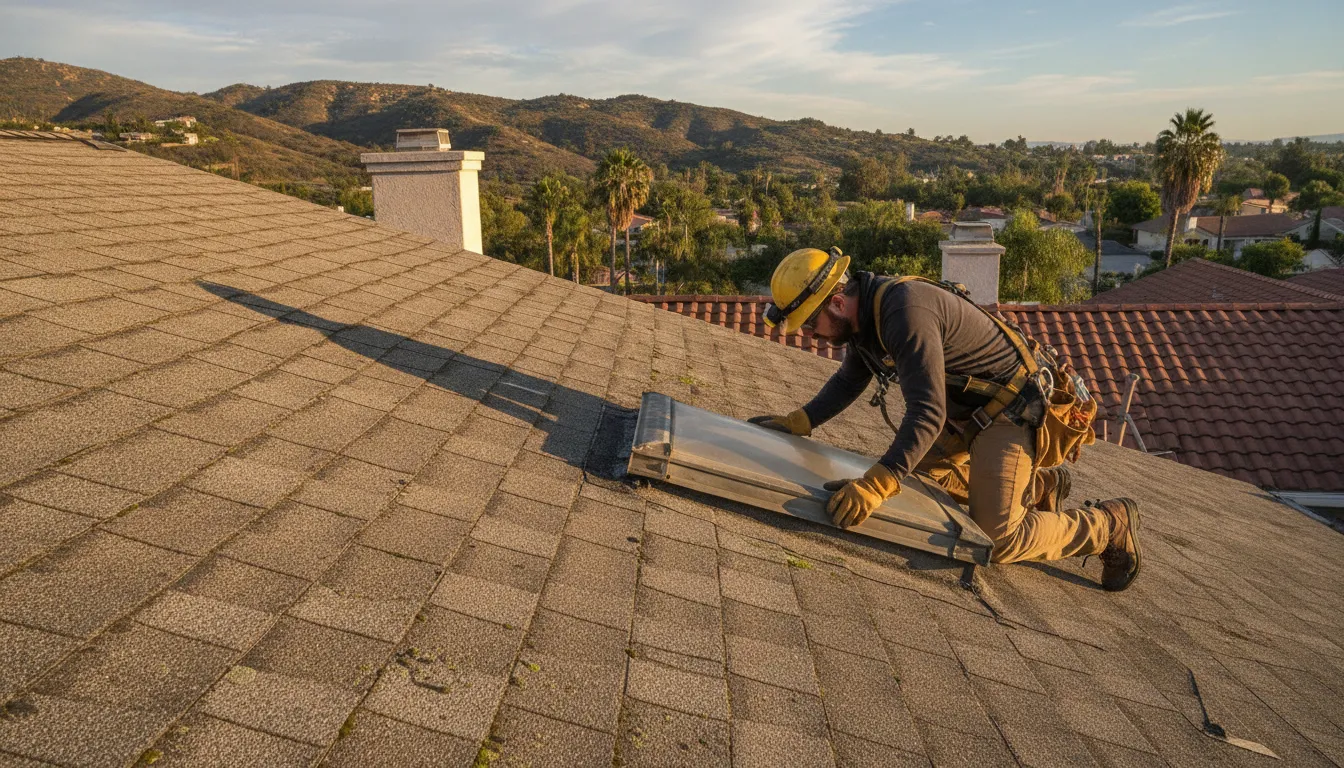
Roof age and material affect how quickly wear becomes a concern. Installation quality, slope, ventilation, repairs, and exposure also matter, so material alone cannot set the exact schedule. An inspection should assess the full system rather than judge it only by its birthday.
A practical planning guide
| Roof type or condition | Practical inspection approach | Items that deserve attention |
|---|---|---|
| Asphalt shingles | Every one to two years; consider annual checks as wear becomes visible | Granule loss, lifted edges, cracks, exposed fasteners, flashing |
| Clay or concrete tile | Every one to two years and after impact or access work | Cracked or shifted tiles, underlayment clues, flashings, debris |
| Metal roof | Every one to two years and after severe wind | Seams, fasteners, coatings, corrosion, penetrations |
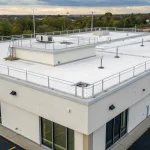
| Flat or low-slope roof | Annual checks are prudent, with extra attention after heavy rain | Ponding, drains, seams, blisters, edge details |
| Wood shake | Annual checks are prudent | Splits, decay, moss, loose shakes, flashing, fire-related concerns |
Older roofs need closer tracking
Wear does not happen at an even pace. A roof may perform well for years, then begin showing several defects in a short period. Once repairs become more common, annual inspections help you compare changes and decide whether continued maintenance or replacement planning makes more sense.
If you do not know the roof’s age, ask for any prior permits, invoices, warranties, and inspection reports. A professional can also document the present condition and flag components that need prompt work. That report gives you a useful baseline even when the installation date remains unclear.
The hidden layers still matter
Tile and metal can appear durable from outside, yet the roof still depends on underlayment, flashings, fasteners, sealants, and drainage. Those components may age differently from the visible surface. For that reason, a roof with long-lasting surface material still benefits from a consistent inspection schedule.
Low-slope roofs deserve special attention because slow drainage or ponding can stress seams and penetrations. Tile roofs can be damaged by foot traffic, and replacing a broken tile does not always address the layer below it. A complete inspection looks for these system-level risks and records them clearly.
Use the table as a planning tool, not a warranty or guarantee. A qualified inspector can tailor the timing to your roof’s actual condition, material, age, repair history, and exposure.
When should you schedule an extra roof inspection?
A routine schedule works until an event raises the risk of damage. Schedule an extra inspection after severe weather, visible changes, or work that may have disturbed the roof. Prompt documentation helps you understand what changed and which repairs should come first.
After wind, rain, or falling debris
Strong wind can lift shingles, shift tiles, loosen edge materials, and move flashing. Heavy rain may reveal drainage problems or a leak that stayed hidden during dry months. Branches and other debris can crack materials or block valleys and drains. If a storm leaves visible damage or an interior stain, arrange a professional check as soon as conditions are safe.
Do not assume that a small ceiling spot means a small roof defect. Water can travel along framing before it appears inside. Move belongings away from the wet area, document what you see, and avoid climbing onto the roof. Schedule a professional roof repair if you suspect damage has occurred.
Southern California exposure
Long periods of sun and heat can age some roof materials and sealants. Coastal air can also affect exposed metal parts. Wildfire ash and windblown debris may collect in drainage paths or around roof details. These conditions make regular checks important even when there has not been a dramatic storm.
Tree cover adds another variable. Leaves and needles can trap moisture, clog drainage, and hide defects. If branches touch the roof or debris builds up quickly, you may need inspection and maintenance more often than a nearby home without trees.
After contractors or equipment work
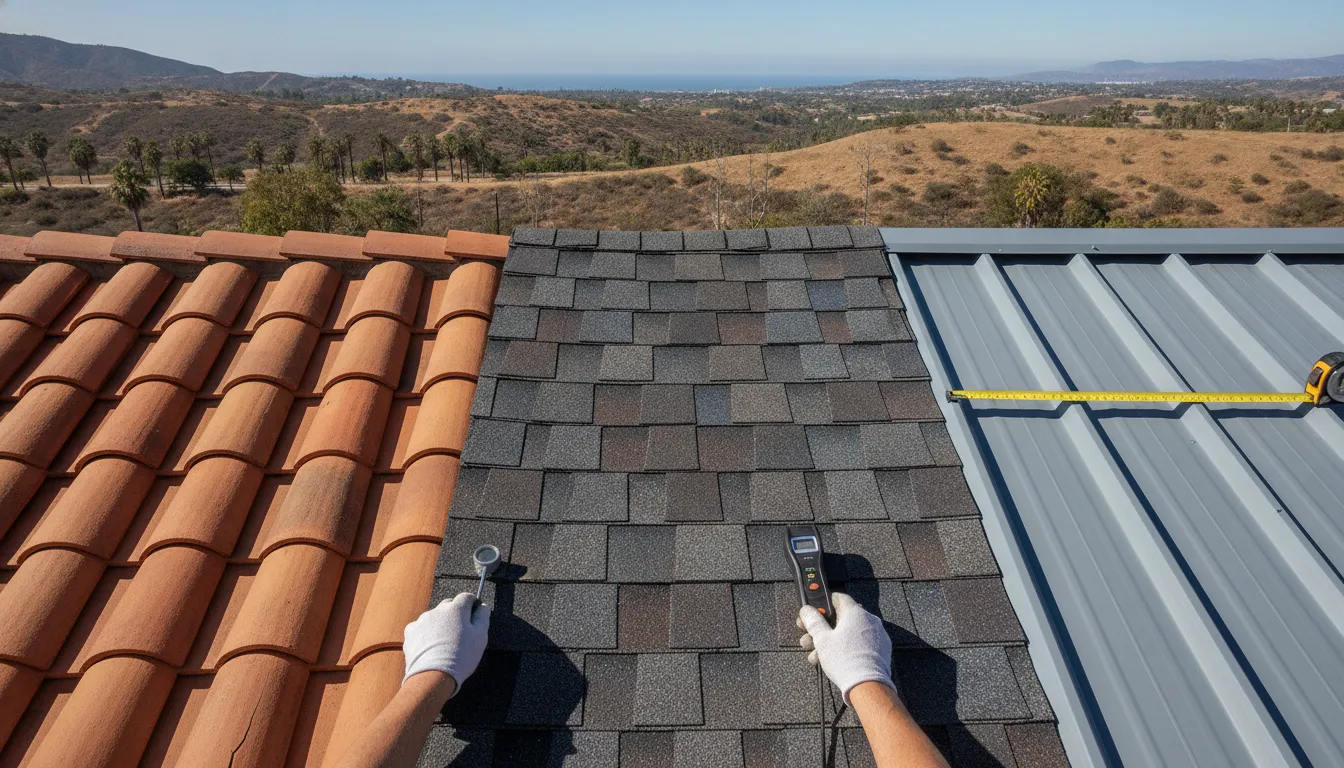
Schedule a check after solar, HVAC, skylight, antenna, or other work that affects the roof. New penetrations and foot traffic can create weak points if they are not detailed correctly. An inspection can document the finished condition and find cracked tiles, disturbed flashing, or drainage issues.
You should also arrange an inspection before a home purchase, sale, or major remodel. A general property inspection provides broad information, while a dedicated roof inspection focuses on the roofing system and its condition. If repairs are needed, a clear report helps you plan the next step and discuss a roof certification when appropriate.
- Call promptly after visible storm damage or a new leak.
- Schedule a check after roof access or new rooftop equipment.
- Increase monitoring when heat, coastal air, trees, or debris add stress.
- Get a dedicated inspection for major property decisions.
Warning signs that should move up your inspection
Do not wait for the next planned visit when your home shows signs of roof trouble. Water can travel away from the original defect, so even a small stain deserves attention. Stay off the roof and use the safe checks below.
Clues from inside your home
Check ceilings and upper walls for new stains, peeling paint, damp areas, or a musty smell. In an accessible attic, look for wet insulation, dark marks on wood, or daylight through the deck. Use caution and avoid stepping between structural supports.
Signs visible from the ground
Walk around the property and look for missing, cracked, curled, or shifted roofing material. Note sagging lines, loose gutters, damaged flashing, or debris on the roof. Granules or pieces of roof material on the ground can also signal wear or storm damage.
A safe inspection trigger checklist
- Document interior stains, drips, and odors with photos and dates.
- Look at the roofline and visible surfaces from the ground.
- Check whether gutters, downspouts, valleys, or drains appear blocked.
- Note recent storms, falling debris, or contractor access.
- Move belongings away from active water and contain drips safely.
- Call a qualified professional for a full inspection and written findings.
Never climb onto a wet, steep, tile, or damaged roof. Walking on the roof can cause injury and may create more damage. A professional roof inspection is the safer way to find the source and determine what work is needed.
What does a professional roof inspection include?
A professional inspection evaluates the roof as a system, not just the visible surface. The inspector looks for active defects, signs of prior repairs, drainage concerns, and areas likely to need maintenance. The exact scope depends on the property and safe access.
Exterior and system components
The review may cover shingles, tiles, metal panels, membranes, edges, valleys, gutters, and drainage paths. Inspectors pay close attention to flashings and penetrations around vents, chimneys, skylights, and rooftop equipment because these transitions can be vulnerable to water entry.
Where accessible, the inspector may also review attic or interior clues that help trace moisture and assess the roof deck. Findings should distinguish urgent defects from maintenance items and conditions worth monitoring.
Clear documentation for decisions
A useful report records the observed condition, identifies concern areas, and includes photos when possible. This documentation helps owners prioritize repairs, compare changes over time, and plan a maintenance budget. It can also support discussions during a purchase, sale, or other property decision.
Keep the report with prior repair invoices and roof records. When the next inspection occurs, that history can help the inspector understand whether a condition is stable or getting worse.
Inspection and certification are not identical
A roof inspection is an assessment of present conditions. A roof certification is a separate result with its own requirements. If you need a certification for a real estate or lending purpose, ask what evaluation and repairs may be required.
Cert-A-Roof provides roof inspection and certification services for property owners who want clear information about their roof. A thorough review gives you a sound basis for maintenance, repair planning, and the next safe step.
Frequently asked questions about roof inspections
Can I inspect my own roof?
You can safely check ceilings, attic areas, gutters, and the roofline from the ground. Do not climb onto the roof. A professional has the training and equipment to inspect the surface, flashings, drainage, and penetrations safely.
Should I get a roof inspection after heavy rain?
Schedule one if heavy rain causes a new stain, drip, musty odor, drainage problem, or visible roof change. A prompt check can trace the source and document the condition before the next storm.
Does a newer roof still need inspections?
Yes. A newer roof can still have damage from wind, debris, foot traffic, or installation details. Regular inspections also create records that help you track condition and address issues early.
What is the difference between a roof inspection and roof certification?
An inspection documents the roof’s condition and any needed work. A certification is a separate outcome that may be available when the roof meets the certifier’s requirements. Ask the inspector what applies to your property.
Schedule your certified roof inspection
A regular inspection schedule helps you find roof concerns before the next storm or property decision makes them urgent. Cert-A-Roof provides thorough roof inspections and clear documentation for Southern California property owners. Schedule a certified roof inspection to understand your roof’s condition and plan the right next step.
Comment (0)