Your Complete Guide to Flat Roof Security
A flat roof can be a building’s biggest asset or its greatest liability. The difference often comes down to proactive care versus reactive panic. Waiting until after a break-in, an act of vandalism, or the theft of an expensive HVAC unit to think about security is a costly mistake. A smart flat roof security strategy is an investment in prevention, protecting your property from intruders, weather damage, and legal liabilities. It’s about creating layers of defense that work together to keep your building safe. We’ll cover the practical steps you can take to fortify your roof, from physical deterrents to modern monitoring technology.
Key Takeaways
- Combine physical and tech security: A truly secure roof relies on more than one strategy. Use physical deterrents like perimeter fencing and secured ladders in combination with technology like surveillance cameras and motion sensors to create a layered defense that makes your property a much harder target.
- Make maintenance a security habit: Regular roof inspections are one of your best security tools. Proactive upkeep helps you find and fix vulnerabilities, such as degrading materials or faulty locks on access hatches, before they can be exploited by intruders or severe weather.
- Protect yourself legally and financially: Staying on top of your responsibilities as a property owner is crucial. Ensure your roof meets local building codes and your insurance requirements, as this protects you from liability and helps guarantee that any future claims are honored.
What Makes a Flat Roof a Security Risk?
Flat roofs are a practical choice for many commercial buildings and modern homes, but their design introduces security challenges that pitched roofs don’t have. When we think about roof security, our minds often go straight to leaks and weather damage. However, the physical security of your property is just as important. A flat roof can unfortunately offer an easy and discreet entry point for intruders, making it a weak link in your building’s overall safety. Understanding these specific risks is the first step toward creating a solid security plan that protects your property from the top down.
Unwanted Access and Intruders
The most obvious risk with a flat roof is how easy it can be to get onto. Unlike a steep, sloped roof, a flat surface is simple to walk on. Intruders can often gain access from nearby trees, adjacent buildings, or with a basic ladder. This makes your property vulnerable to break-ins, especially through skylights, maintenance hatches, or upper-story windows that might otherwise seem out of reach. If your maintenance crew can get up there without much trouble, so can someone with bad intentions. This is a major concern for commercial properties that may be unoccupied overnight, turning the roof into a hidden entry point.
Vandalism and Property Damage
Once someone has unauthorized access to your roof, your property is exposed to vandalism. This can range from graffiti on rooftop surfaces to intentional damage to the roof membrane itself, which can lead to serious leaks and costly fixes. Rooftop equipment like vents and HVAC units can also become targets. A roof that appears neglected can attract this kind of unwanted attention, signaling that the property isn’t closely monitored. Promptly addressing any damage with professional roof repair services is key to preventing small issues from turning into major structural problems and maintaining your property’s professional appearance.
Theft of Rooftop Equipment
Many flat roofs house thousands of dollars worth of essential equipment. HVAC units, solar panels, copper wiring, and satellite dishes are all common targets for theft. Because the roof is typically out of sight from the street, thieves can work undetected. The cost of replacing this equipment is high, but the damage doesn’t stop there. Thieves often cause significant harm to the roof structure while removing heavy items, leading to leaks and compromising your building’s integrity. A regular roof inspection can help ensure that all your rooftop equipment is properly secured and that there are no signs of tampering.
Vulnerabilities from Weather
Security isn’t just about protecting against people; it’s also about protecting against the elements. Weather creates vulnerabilities that can compromise your roof’s structural security. Here in Southern California, the relentless sun is a major factor. Long-term exposure to UV radiation can cause roofing materials to become brittle and crack. While we don’t get constant rain, heavy downpours can lead to ponding water, which adds stress to the roof structure. Over time, these weather-related weaknesses can make it physically easier for someone to force entry through a degraded section of the roof. Consistent roof maintenance is your best defense against these slow but steady threats. If weather-related damage occurs, professional roof repair can restore your roof’s structural integrity.
How to Physically Secure Your Flat Roof
A secure building starts from the top down. Taking direct, physical steps to fortify your flat roof is your first and best line of defense against unwanted access. These measures act as powerful deterrents, making your property a much harder target for intruders and protecting it from potential damage. Here are four practical ways to physically secure your roof.
Install Perimeter Barriers and Fencing
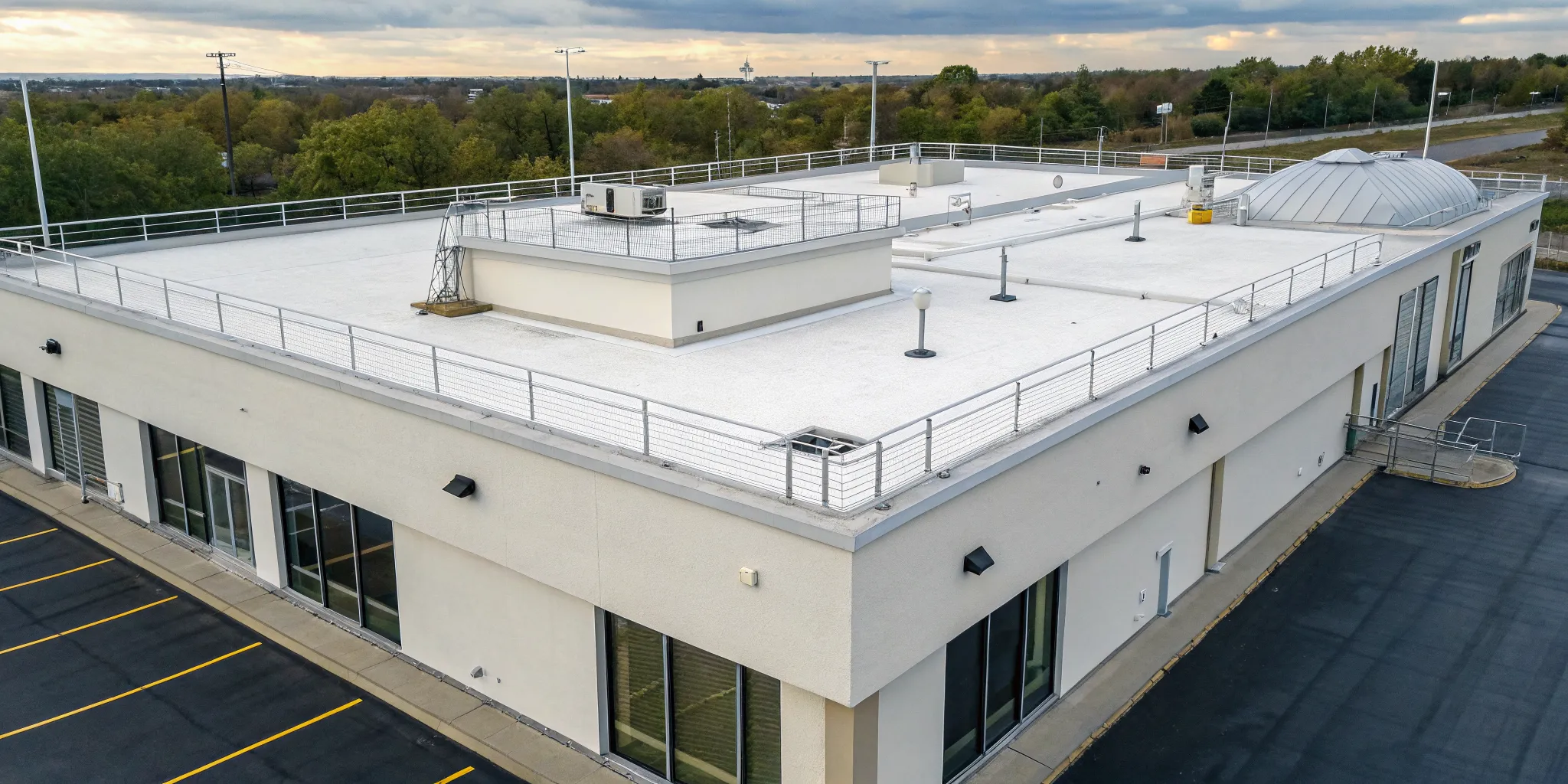
One of the most effective ways to secure a flat roof is to install a barrier around its edge. Think of it as putting a strong fence around your yard. Options like guardrails, fences, or raised parapet walls create a clear boundary that discourages casual entry and makes it much more difficult for someone to climb onto your roof. This approach provides collective protection, which keeps everyone safe without requiring special gear. Not only do these barriers prevent accidental falls for maintenance workers, but they also serve as a significant obstacle for anyone trying to gain unauthorized access.
Secure Ladders and Access Points
Your roof is only as secure as its weakest access point. Pay close attention to ladders, roof hatches, and skylights. If you have a fixed ladder, enclose it in a lockable cage or install a locking cover at the bottom to prevent anyone from climbing it. Any portable ladders should be stored securely inside your building or a locked shed, never left outside where they could be used to access your roof. Roof hatches should always be locked from the inside and can be reinforced for extra security. Remember, flat roof safety is paramount, and controlling who can get up there is a critical first step.
Use Lighting to Deter Trespassers
A well-lit property is a less attractive target. Intruders prefer to work in the dark where they can’t be seen, so strategic lighting can be a simple yet powerful deterrent. Install motion-activated floodlights that illuminate roof access points, the base of your building, and the roof itself. The sudden brightness can startle a potential trespasser and make them feel exposed, often causing them to flee. Good lighting not only discourages break-ins but also helps protect valuable rooftop equipment like HVAC units. A secure roof is a key part of your building’s overall safety and security, protecting the assets both on it and within the building.
Add Anti-Climb Devices
To stop determined intruders, make your building’s exterior difficult to scale. Anti-climb devices are designed to do just that. You can apply anti-climb paint to drainpipes and walls; it’s a thick, non-drying coating that makes surfaces slippery and hard to grip. Another option is installing rotating spikes or guards on top of walls and fences. These devices make it nearly impossible to get a firm hold. By adding these features, you prevent unauthorized individuals from reaching common hazards on flat roofs, such as skylights or equipment, keeping both your property and potential trespassers safer.
Why Regular Maintenance is Key to Roof Security
Security is more than just installing cameras and alarms. A proactive approach to roof care is one of the most effective ways to protect your property. Regular maintenance not only extends the life of your roof but also plays a huge role in keeping it secure from intruders and safe for anyone who needs to be up there. Think of it as your first line of defense, addressing small issues before they become major vulnerabilities.
Inspect and Secure Access Points
Your roof’s access points, like hatches and skylights, are potential weak spots if they aren’t properly secured. Regular checks ensure that locks are working and frames haven’t been damaged by the weather. These are exactly the details an intruder might look for. A professional roof inspection can identify these vulnerabilities and other common hazards, giving you a clear path to securing every potential entry point. This keeps your property safe from intruders and authorized personnel safe from accidents.
Maintain the Roof’s Structural Integrity
A roof in poor condition is a security risk. Problems like ponding water and material degradation can weaken the roof deck over time. This not only creates a safety hazard but can also make it easier for someone to force their way through. Maintaining your roof’s structural integrity is essential. Promptly addressing issues keeps your roof strong against both the elements and potential intruders. Our comprehensive roofing services can help you handle repairs before they compromise your building’s security.
Clear Debris That Could Aid Climbing
What’s around your building is just as important as what’s on your roof. Overhanging tree branches or nearby dumpsters can provide an easy ladder for an unwanted visitor. On the roof itself, debris like fallen branches and leaves creates tripping hazards. Keeping the area around your building and the roof surface clear is a simple but effective security measure. It removes potential climbing aids and ensures a safer environment for maintenance crews, reducing the risk of slips and falls.
Check That Security Equipment Works
If you’ve invested in security measures like cameras or motion-sensor lights, you need to know they’ll work when it counts. Weather exposure and general wear can cause equipment to fail without warning. Integrating security equipment checks into your routine is crucial. Make sure cameras have a clear view and lights turn on as expected. Regular professional roof maintenance can include these checks, ensuring your security system is always operational and providing the protection you rely on.
Using Technology to Monitor Your Flat Roof
Physical barriers are a great start, but technology gives you eyes and ears on your roof 24/7. Integrating smart security tools can deter potential intruders and give you immediate alerts if something is wrong. These systems work together to create a powerful, layered defense for your property. From high-definition cameras to motion sensors, you can build a setup that provides peace of mind, whether you’re at home or away.
Modern security tech is more accessible and user-friendly than ever, allowing you to monitor your property right from your smartphone. A professional can help you determine the best combination of tools for your specific needs, ensuring every angle is covered. This proactive approach not only protects against theft and vandalism but also helps you keep a close watch on your roof’s condition, especially after severe weather.
Surveillance Camera Systems
Installing surveillance cameras is one of the most effective ways to monitor your flat roof. Visible cameras act as a strong deterrent, and recorded footage is invaluable if you ever need to identify an intruder or document an incident. Modern rooftop surveillance cameras offer incredible features, including night vision, weather resistance, and high-definition video. For full coverage, consider a 180-degree panoramic camera to see the entire roof at once or a PTZ (pan-tilt-zoom) camera that you can control remotely to focus on specific areas. This technology allows you to keep a watchful eye on your property from anywhere, providing both security and convenience.
Motion Detection Sensors
Motion detection sensors add a proactive layer of security to your roof. Instead of just recording an event, these sensors can detect unauthorized movement and trigger an immediate response. When someone steps onto your roof, the system can activate alarms, turn on bright lights, or send an alert directly to your phone. This gives you a critical head start to react before any damage occurs. By setting up a security system that guards the entire surface of your rooftop, you can effectively minimize the risk of break-ins, vandalism, and theft of expensive equipment like HVAC units.
Alarms and Smart Alerts
Connecting your cameras and sensors to an alarm system creates a fully integrated security network. When a sensor is tripped, a loud alarm can scare off intruders while smart alerts instantly notify you and your security provider. This immediate notification is key. You can receive a text message or a push notification with a live video feed from the triggered camera, allowing you to assess the situation in real-time. This setup transforms your security from a passive recording system into an active defense mechanism, ensuring you’re always in the loop and able to take swift action when it matters most.
Remote Monitoring Services
For property owners who can’t be on-site all the time, remote monitoring services offer a perfect solution. These services can watch over your property for you, with trained professionals ready to respond to any alerts. If suspicious activity is detected, they can verify the threat and contact law enforcement on your behalf. Many modern rooftop surveillance options are also incredibly flexible. Some systems are portable and don’t require permanent installation, making them ideal for commercial properties or temporary job sites. This service provides an extra layer of professional oversight, ensuring your roof is protected around the clock.
Keeping People Safe: Fall Protection and Safety Rules
Securing your flat roof isn’t just about preventing unauthorized access; it’s also about ensuring the safety of everyone who is supposed to be up there, from maintenance crews to HVAC technicians. Even though a roof may look flat, its minimal slope can still present significant fall hazards. Accidents can and do happen, which is why having clear safety rules and the right equipment is non-negotiable. For any property owner, this is a major area of responsibility that protects both people and your property.
Creating a safe environment for any rooftop work protects individuals and shields you from serious liability. It involves a combination of following legal guidelines, using proper gear, ensuring adequate training, and having a solid plan for emergencies. By putting these measures in place, you establish a secure setting that prioritizes well-being above all else. A professional roof inspection is a great first step, as it can help identify potential hazards before they become problems, forming the foundation of a safe rooftop environment. This proactive approach ensures that anyone working on your roof can do so with confidence and security, knowing that every precaution has been taken.
Following OSHA Guidelines
When it comes to workplace safety, the Occupational Safety and Health Administration (OSHA) sets the standard. These are not just suggestions; they are legal requirements designed to prevent accidents, injuries, and fatalities. For anyone working on a roof, OSHA guidelines provide a clear framework for fall protection. They specify when safety systems are required and what types are appropriate for different situations. Adhering to these rules is essential for any contractor you hire and is a key indicator of their professionalism and commitment to safety. It ensures that all work performed on your property meets a high standard of care.
Using Safety Equipment and Guardrails
The right safety equipment is your first line of defense against falls. The specific gear needed often depends on how close a person is working to the roof’s edge. For work happening within six feet of the edge, options like a guardrail system, a travel restraint system that prevents a worker from reaching the edge, or a personal fall arrest system are often required. For openings like skylights or roof hatches, secure covers are essential. When you hire a professional team for roofing services, you should expect them to arrive with and correctly use all the necessary safety equipment for the job.
Training for Authorized Staff
Having the best safety gear doesn’t help if no one knows how to use it properly. That’s why comprehensive training is crucial for any staff or contractors who need to access your roof. Authorized personnel should be fully trained on fall hazards, the correct use of safety equipment, and emergency procedures. This ensures they can perform their duties confidently and safely, minimizing risks for everyone involved. A well-trained team is a hallmark of a reputable company, reflecting a culture where safety is a top priority and every member understands their role in maintaining a secure work environment.
Planning for Emergencies
Even with the best precautions, you should always be prepared for the unexpected. A clear and accessible emergency plan is a critical part of any rooftop safety protocol. This plan should include knowing the exact location of first-aid kits and having a straightforward procedure for contacting medical help quickly if an accident occurs. Everyone authorized to be on the roof should be familiar with this plan before they begin work. Thinking through these scenarios ahead of time can make a significant difference in the outcome of an emergency, ensuring a swift and effective response when it matters most.
Understanding the Legal and Insurance Side of Roof Security
Beyond physical barriers and high-tech gadgets, securing your flat roof involves managing your legal and financial responsibilities. As a property owner, you carry a certain amount of liability, and your insurance provider has specific expectations for how you maintain your property. Understanding these requirements is just as important as installing a security camera. It protects you from potential lawsuits, ensures your insurance claims are honored, and keeps you in compliance with local regulations. Let’s walk through what you need to know to keep your property protected on all fronts, from legal paperwork to building codes.
Your Liability as a Property Owner
As a property owner, you are legally and financially responsible for what happens on your roof. This concept, known as roof inspection liability, means that if an accident occurs due to a poorly maintained roof, you could be held accountable. For example, if a loose piece of roofing material falls and damages a neighbor’s property or injures someone, the liability falls on you. The same goes for unauthorized individuals who might gain access and hurt themselves. Regular, professional inspections are your first line of defense. They not only identify potential security risks but also create a record of due diligence, showing you’ve taken reasonable steps to maintain a safe environment.
What Your Insurance Requires
Your insurance company views your roof as a key factor in determining your property’s risk profile. For flat roofs, an insurer may require a review after just ten years of age, as they are often more susceptible to wear and tear. A roof in poor condition can lead to higher premiums, reduced coverage, or even policy cancellation. While your property insurance generally covers damage from events like storms or fire, a claim could be denied if the damage resulted from negligence or a lack of maintenance. A certified roof inspection can provide the documentation your insurer needs to see that your roof is in good shape, keeping your policy secure and your premiums in check.
Meeting Building Code Standards
Local building codes are not just suggestions; they are legally enforceable standards designed to ensure safety and structural integrity. These codes dictate everything from the types of materials you can use to the safety features you must have in place, like proper drainage and secure access points. Failing to meet these standards can result in fines and create significant problems if you decide to sell your property. More importantly, a non-compliant roof can void your insurance coverage in the event of a claim. Working with a certified professional ensures that all roofing services, from minor repairs to major security upgrades, are fully compliant with Orange County’s specific building codes.
How to Document and Report Incidents
If a security breach or weather-related incident occurs, a clear and immediate response is crucial for a successful insurance claim. First, ensure everyone is safe and contact the authorities if there has been a crime like vandalism or theft. Next, document everything. Take clear photos and videos of the damage from multiple angles before anything is moved or repaired. Write down a detailed account of what happened, including the date and time. Contact your insurance agent as soon as possible to report the incident and begin the claims process. Finally, call a professional for a storm damage assessment to get an expert opinion on the extent of the repairs needed.
Smart Ways to Control Roof Access
Beyond physical barriers, managing who can get onto your roof is a critical layer of security. You want to make it easy for authorized personnel, like HVAC technicians or our team at Cert-A-Roof, to do their jobs while keeping everyone else out. Setting up clear, modern access controls gives you complete command over who steps foot on your roof and when. This isn’t just about preventing break-ins; it’s about safety, liability, and protecting the valuable equipment you have up there. A well-thought-out access plan combines technology with clear procedures for your staff and any visitors.
Key Card and Biometric Systems
Gone are the days of worrying about lost or copied keys. Modern access control systems give you precise control. Key card systems, which use a simple swipe or tap, are a popular and effective way to grant access only to approved individuals. You can easily activate or deactivate cards as needed. For an even higher level of security, biometric access control systems use unique identifiers like fingerprints or facial scans. This completely eliminates the risk of someone borrowing a key card, ensuring the person accessing the roof is exactly who they’re supposed to be.
Protocols for Restricted Ladder Access
Your roof ladder is a direct gateway, so it needs its own security protocol. You can easily integrate ladder access points with your key card or biometric system, requiring a scan before the ladder can be used or accessed. This simple step ensures that only trained and authorized individuals can get up there. To reinforce this, consider adding lockable ladder covers and clear signage that states access is restricted. Combining a physical barrier with a tech-based control system creates a powerful deterrent and a clear message that your roof is off-limits to unauthorized people.
Employee Training and Authorization
The most advanced security tech is only as effective as the people using it. Proper training is essential to make sure your team understands how to use the access systems and why these security measures are so important. Regular training should cover not just how to operate the system but also the procedures for reporting a lost card or a suspicious attempt to gain access. When your employees are well-informed, they become your first line of defense, helping to maintain the integrity of your entire roof security plan.
Procedures for Managing Visitors
Whether it’s a contractor or an inspector, you need a clear process for any non-employee who needs roof access. Start by requiring visitors to be pre-registered and scheduled. When they arrive, issue a temporary access card that is only active for the duration of their visit. Most importantly, a visitor should always be escorted by an authorized employee. Keeping a detailed log of every visitor, including their entry and exit times, provides a valuable record that can help you track all activity and enhance your property’s overall security.
What’s the Cost of Flat Roof Security?
Thinking about securing your flat roof often brings one big question to mind: how much is this going to cost? The truth is, there’s a solution for nearly every budget. The price of a security system isn’t a single, fixed number; it depends entirely on your specific needs, the size of your property, and the level of protection you’re looking for. You can start with simple, affordable measures and scale up to a more advanced setup over time. It’s helpful to think of roof security not as a one-time expense, but as an investment in protecting your property from damage, theft, and other liabilities.
Whether you’re a homeowner looking for basic peace of mind or a commercial property manager protecting valuable rooftop equipment, there are different tiers of security systems available. These range from budget-friendly DIY kits to comprehensive, professionally monitored solutions that offer round-the-clock protection. The key is to find the right balance between your security needs and what you’re comfortable spending. By understanding the options, you can make an informed decision that protects your property and gives you confidence that your roof is secure. Below, we’ll walk through the different cost levels and what you can expect from each, so you can find the perfect fit.
Budget-Friendly Security Options
You don’t need to spend a fortune to get effective security for your flat roof. For property owners watching their budget, several excellent DIY security systems provide essential protection without a hefty price tag or long-term contracts. These systems are easy to install yourself and often come with optional monitoring plans, so you only pay for what you need. For example, some systems strike a great balance between affordable equipment and flexible monitoring. You can find packages that start around a few hundred dollars and don’t require a monthly fee, making them a perfect entry point for securing your roof. These kits usually include basics like motion sensors and alarms, which are often enough to deter potential trespassers and alert you to any unauthorized access.
Mid-Range Security Solutions
If your security needs go beyond the basics, mid-range solutions offer more advanced features without the premium price of a high-end system. This category is ideal for property owners who want a bit more control and coverage, such as professional monitoring, cellular backup in case of a power outage, and a wider variety of sensors. These systems often provide a great mix of affordability and comprehensive protection. Many companies in this tier offer flexible monthly plans that include 24/7 professional monitoring, which means someone is always keeping an eye on your property. This added layer of security ensures a rapid response from emergency services if an alarm is triggered. Mid-range options give you access to better technology and more robust features, providing enhanced security and greater peace of mind.
Comprehensive Security Systems
For commercial properties or homes with significant security concerns, a comprehensive system is the best choice. These high-end solutions are designed for maximum protection and often include state-of-the-art technology like high-definition surveillance cameras with night vision, sophisticated motion detectors, and smart alerts sent directly to your phone. They are typically professionally installed and come with 24/7 monitoring services. While the upfront investment is higher, these systems offer unparalleled security. They can be customized to cover every potential vulnerability on your flat roof, from access points to valuable equipment like HVAC units. For a business, this level of security is essential for protecting assets and minimizing liability. For a homeowner, it provides the ultimate assurance that your property is safe and secure from every angle.
The Benefits of a Long-Term Investment
Viewing roof security as a long-term investment can help put the costs into perspective. A quality security system does more than just deter intruders; it actively protects you from expensive repairs and potential losses. Vandalism or theft of rooftop equipment can lead to thousands of dollars in damages, not to mention the cost of replacing what was stolen. Preventing just one incident can often cover the entire cost of your security system. When you consider that the average cost of a flat roof replacement can be substantial, investing in security to extend its lifespan makes financial sense. Furthermore, a well-secured property may qualify for lower insurance premiums, adding to your long-term savings. Ultimately, a good security system is a smart investment in your property’s value and longevity.
When to Call a Pro for a Security Assessment
While DIY inspections can help you spot obvious issues, there are times when you really need a professional’s eye. A security assessment goes beyond a quick look; it’s a detailed evaluation of your roof’s condition, vulnerabilities, and overall safety. Bringing in a certified expert not only gives you a clearer picture of your roof’s health but also provides peace of mind that you haven’t missed a critical weakness. Knowing when to make that call is key to protecting your property and preventing small problems from turning into major headaches.
Signs You Need an Expert Opinion
Sometimes your roof sends clear signals that it needs professional attention. If you notice persistent issues like leaks, inadequate drainage, or visible material degradation like cracks and blisters, it’s time to call for help. These problems don’t just affect your roof’s integrity; they can create security vulnerabilities. For example, a weakened section of the roof could be an easy entry point for intruders. You should also schedule an assessment after a severe weather event or if you’re preparing to buy or sell a property. An expert can identify subtle damage an untrained eye might miss and give you a full report on its condition.
The Value of Certified Roofing Professionals
Hiring a certified professional is about more than just getting a second opinion; it’s about transferring risk and gaining credible insight. Professionals carry the proper insurance and understand roof inspection liability, which protects you from legal and financial responsibility during the evaluation. Their findings are documented in a formal report that can be essential for insurance claims, especially when damage is caused by covered events like wind or fire. A certified inspector from a trusted company like Cert-A-Roof has the training to spot complex issues and provide the official documentation you need to act with confidence.
What to Expect During a Security Assessment
When a professional arrives, their first priority is safety. Inspecting a roof involves significant risks, like navigating slippery surfaces at great heights, so they come equipped with the right safety gear. The assessment itself is a comprehensive process. The inspector will examine every aspect of your flat roof, including the surface material, drainage systems, flashing, and all access points like hatches and skylights. They will also check the security of any rooftop equipment. Afterward, you’ll receive a detailed report, often with photos, that outlines their findings and provides clear, actionable recommendations for any necessary repairs or security improvements.
Related Articles
- 6 Types of Commercial Flat Roofing Explained – Cert-A-Roof Roof Inspections
- The 4 Main Types of Commercial Roofing Systems – Cert-A-Roof Roof Inspections
Frequently Asked Questions
My budget is tight. What’s the most effective first step I can take to secure my flat roof? Start with the basics, which are often the most effective. Your first priority should be controlling access. Make sure any portable ladders are locked away securely and that fixed ladders have a lockable cage or cover. After that, installing motion-activated floodlights near access points is a relatively low-cost way to make your property a much less appealing target for anyone trying to go unnoticed.
How often should I get a professional security assessment for my roof? A good rule of thumb is to have a professional look at your roof at least once a year. This allows an expert to catch potential vulnerabilities before they become serious problems. You should also consider scheduling an assessment after any major weather event, like a severe storm, or if you notice any signs of wear and tear, such as ponding water or cracked materials.
Will improving my roof’s security lower my insurance costs? While every insurance policy is different, many providers look very favorably on proactive property maintenance and security upgrades. Taking steps to secure your roof can reduce your property’s overall risk profile, which may lead to lower premiums. A certified inspection report that documents your roof’s excellent condition and security features can be a powerful tool when speaking with your insurance agent.
Besides intruders, what other security risks should I worry about with a flat roof? Security isn’t just about people. The elements pose a constant threat that can create vulnerabilities. Here in Southern California, intense sun exposure can make roofing materials brittle over time, while heavy rains can lead to ponding water that weakens the roof structure. These weather-related issues can make it physically easier for someone to force entry, turning a maintenance problem into a security liability.
I have a lot of expensive equipment on my roof. What are the best ways to protect it? Protecting rooftop equipment requires a layered approach. Start with physical deterrents like installing a perimeter fence or guardrail to make access more difficult. Next, add visible surveillance cameras, as they are one of the strongest deterrents against theft. Finally, schedule regular professional inspections to ensure all equipment is properly secured and to check for any early signs of tampering.
Comment (0)