How to Choose Commercial Roofing Contractors in SoCal
A commercial roof isn’t just a cover; it’s a complex system that requires specialized expertise, especially here in Southern California. The constant sun exposure, unique drainage needs of flat roofs, and presence of HVAC equipment create challenges that residential roofers simply aren’t equipped to handle. Making the right choice means finding a contractor who lives and breathes commercial projects. This is about more than just getting a good price; it’s about ensuring the long-term health of your property. This article will break down what separates the experts from the rest, giving you a clear checklist for evaluating the commercial roofing contractors southern california businesses trust with their most important asset.
Key Takeaways
- Prioritize credentials and local expertise: Always verify a contractor’s license and insurance, and choose a team with proven experience handling Southern California’s intense sun and specific commercial roofing challenges.
- Select materials built for our climate: Opt for durable, energy-efficient roofing systems like cool roofs or TPO membranes that are designed to lower cooling costs and withstand years of UV exposure, providing better long-term value.
- Implement a proactive maintenance strategy: Partner with a roofer who offers comprehensive services, including regular inspections and maintenance plans, to manage your roof as a long-term asset and prevent costly surprise repairs.
What Makes a Great SoCal Commercial Roofer?
Finding the right commercial roofer in Southern California is about more than just getting a good price. Your business’s roof is a major asset, protecting everything underneath it from the elements. The best contractors understand the specific demands of our local climate and the unique challenges of commercial buildings. They combine technical skill with professional integrity. When you’re vetting potential partners, there are a few key qualities that separate the experts from the rest. Let’s look at what you should be searching for.
Proper Licensing and Insurance
This is the absolute baseline. A great commercial roofer operates with all the necessary licenses and insurance, and they should be ready to show you proof without hesitation. This isn’t just a formality; it protects your business from liability if something goes wrong on the job. A professional contractor will also have experience managing the paperwork that comes with a big project, from pulling permits to working with insurance adjusters if there’s storm damage. You can easily verify a contractor’s license online to confirm they are in good standing. Don’t skip this step, it’s your first line of defense in hiring a trustworthy team.
Expertise in the Local Climate
Southern California’s weather is great for the beach, but it can be tough on a commercial roof. The constant, intense sun can cause serious UV damage over time, leading to cracked and blistered materials. A roofer from another state just won’t have the firsthand experience with these conditions. A true SoCal expert understands which materials and systems can withstand the heat and will recommend solutions like cool roofs to improve energy efficiency. They know how to prepare for our rare but heavy rains to prevent leaks. This local knowledge is critical for a roof that lasts, making it a key part of our commercial roofing services.
A Focus on Commercial Properties
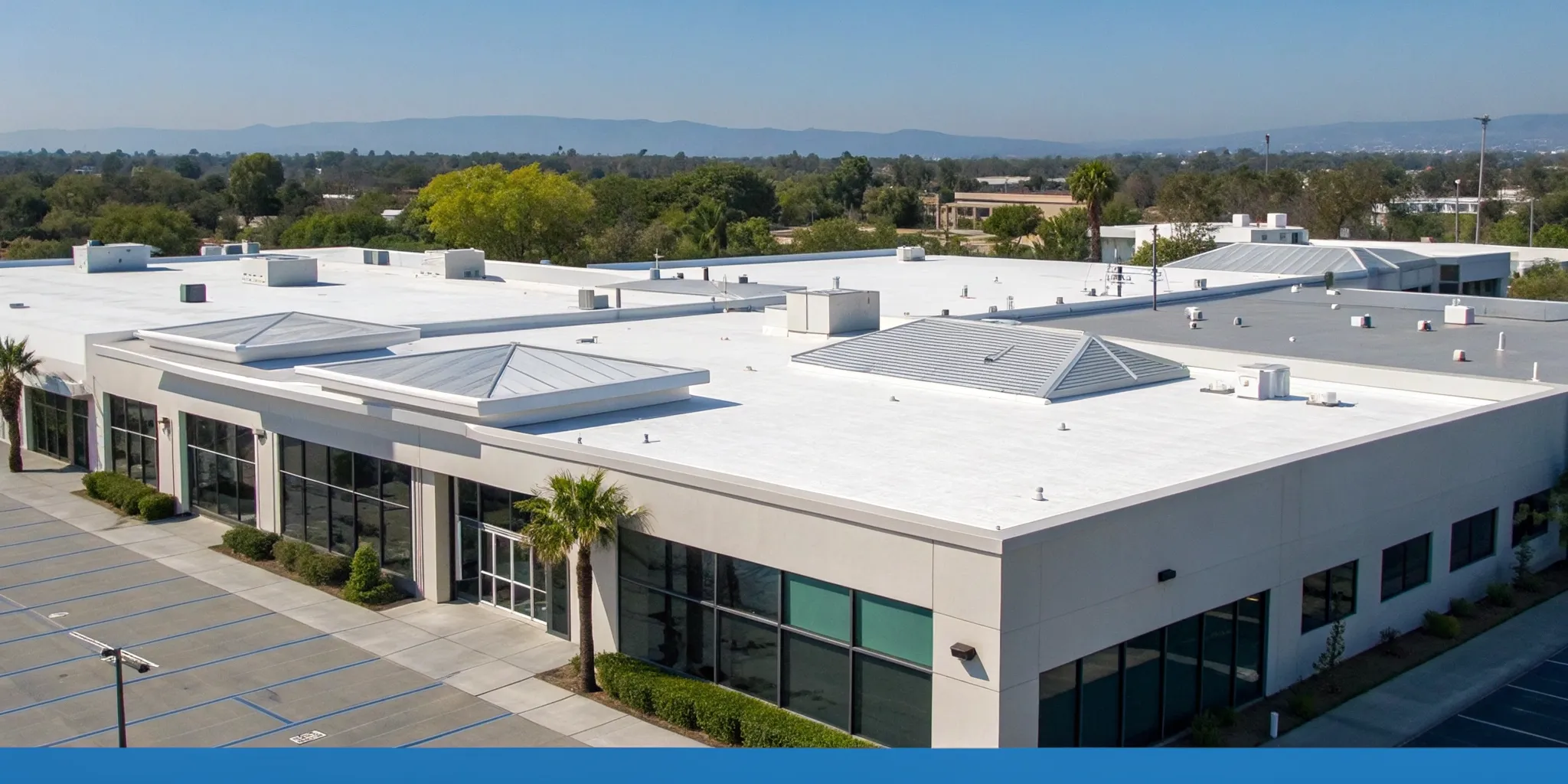
Residential and commercial roofing are two different worlds. Your business likely has a flat or low-slope roof, which comes with its own set of challenges like standing water, seam failures, and drainage issues. These roofs also have to accommodate HVAC units, vents, and other equipment. A contractor who primarily works on pitched residential roofs may not have the specialized skills to properly install or repair a commercial system. Look for a company with a strong portfolio of commercial projects. They will have the right equipment, safety protocols, and experience to handle the scale and complexity of your property, ensuring the job is done right the first time.
Finding a Top-Tier Commercial Roofing Contractor
When you’re vetting potential commercial roofing contractors, you’re looking for more than just someone who can lay down materials. You need a partner who understands the unique demands of Southern California’s climate and the specific needs of a commercial property. The right contractor brings a combination of certified expertise, proven processes, and technical skill to the table. This ensures your roof isn’t just a reactive expense, but a well-managed asset that protects your investment for years to come. So, what separates the best from the rest? It often starts with a commitment to a higher standard of quality and a clear, proactive approach to roof management.
The Cert-A-Roof Standard: Certified Excellence
One of the clearest indicators of a contractor’s commitment to quality is their adherence to rigorous industry standards. A roof certification from a trusted name like Cert-A-Roof shows that a contractor is dedicated to excellence and stays current with the latest roofing technologies and materials. This is especially important in Southern California, where the climate can be tough on commercial roofs. A certified professional will know which materials, like durable modified bitumen, perform best in our coastal environment. Choosing a certified contractor means you’re getting a team that has proven its expertise and is equipped to handle the specific challenges your property faces, ensuring a high-quality, long-lasting result.
What to Look For in a Leading Roofer
Beyond certifications, a top-tier roofer demonstrates their value through their processes. Look for a contractor who offers a strong roof maintenance plan. This proactive approach involves tracking your roof’s condition and planning for future needs, which helps extend its life and prevents costly emergency repairs. It turns your roof into a predictable line item instead of a surprise expense. Also, ask about their team. With a skilled labor shortage affecting the industry, it’s vital to choose a company with a consistent, experienced crew. Pay close attention to their expertise in critical details like flashing installation, as this is where many roofing systems fail. A contractor with a proven track record in these areas provides peace of mind and protects your property.
Key Services Your Commercial Roofer Should Offer
When you partner with a commercial roofing contractor, you’re looking for more than just a quick fix. You need a team that offers a full suite of services to protect your investment for the long haul. A top-tier roofer acts as a long-term partner, equipped to handle everything from a brand-new installation to routine check-ups and emergency calls. Ensuring your potential contractor provides these key services is the best way to safeguard your property, prevent disruptions to your business, and manage your maintenance budget effectively. A company that covers all the bases demonstrates a deep understanding of commercial properties and a commitment to quality care.
New Roof Installation and Replacement
Whether you’re building a new facility or it’s time to replace an aging roof, your contractor should have extensive experience in both new construction and re-roofing. This isn’t a small job; it’s a major investment in your property’s future. A great contractor will guide you through selecting the right materials for the Southern California climate and your building’s specific needs. They should be able to execute a flawless roof installation that is durable, compliant with local codes, and built to last. This ensures your business is protected by a reliable, high-quality roofing system from day one.
Roof Repair and Emergency Services
Roofing issues rarely happen at a convenient time. A sudden leak or storm damage can disrupt your operations and lead to costly interior damage. That’s why it’s essential to choose a contractor who offers comprehensive roof repair and emergency services. Having a reliable team on call can be a lifesaver, minimizing downtime and protecting your assets when the unexpected happens. Look for a company that can respond quickly to urgent needs, because a fast, effective repair is crucial for getting your business back to normal and preventing a small problem from becoming a major one.
Preventive Maintenance Plans
The smartest way to manage your roof is to be proactive, not reactive. A quality commercial roofer should offer preventive maintenance plans designed to extend the life of your roof and catch small issues before they escalate. Think of it as managing your roof like any other critical business asset. Regular, scheduled check-ups can identify potential weak spots, clear debris, and ensure proper drainage, which significantly reduces the risk of surprise leaks and emergency spending. A solid roof maintenance program is one of the best ways to maximize your initial investment and keep your property secure.
Roof Inspections and Certifications
Regular, thorough inspections are the foundation of good roof management. A professional roofer should provide detailed assessments that give you a clear picture of your roof’s current condition. This is especially important for ensuring proper drainage and identifying early signs of wear and tear. Beyond a standard check-up, a company that offers a formal Roof Certification provides an extra layer of assurance. This certification validates the roof’s condition, which can be invaluable for property transactions, insurance purposes, and your own peace of mind, confirming that your roof is sound and leak-free.
How to Choose the Right Commercial Roofing Contractor
Finding the right commercial roofing contractor can feel like a huge task, but it doesn’t have to be overwhelming. When you know what to look for, you can confidently sort through your options and find a true partner for your project. A great contractor does more than just install a roof; they provide peace of mind. Let’s walk through the essential steps to vet your potential roofer and ensure you’re making a smart investment in your property.
Check Their Credentials and References
First things first, always verify a contractor’s credentials. This is the baseline for any professional you hire. Your roofer must have a valid California contractor’s license and carry both liability insurance and workers’ compensation. Don’t just take their word for it; ask for proof. This protects your business from any liability in case of accidents on your property.
Beyond the paperwork, you need a team with proven experience. Selecting a knowledgeable and experienced roofing contractor is key to ensuring your commercial roof can withstand California’s unique climate. Ask for a list of recent commercial clients and take the time to call them. Inquire about their experience, whether the project stayed on schedule and budget, and how the contractor handled any challenges that came up. A reputable company will be happy to connect you with its satisfied customers.
Review Their Portfolio and Past Work
A contractor’s portfolio is a visual resume of their capabilities. When you review their past work, look for projects similar to yours in size and scope. Do they have experience with the specific roofing material you’re considering? A robust photo gallery can show you the quality of their workmanship and their attention to detail.
Look for a contractor who thinks about the long-term health of your roof. A proactive roofer will discuss a roof asset management strategy, which involves tracking the roof’s age, condition, and maintenance needs to extend its life and prevent costly emergencies. This approach shows they are invested in being a long-term partner, not just completing a one-off job. Their portfolio should reflect a history of durable, well-maintained commercial roofing systems.
Compare Warranties and Service Guarantees
A solid warranty is one of the best indicators of a contractor’s confidence in their work. It’s important to remember that even premium roofing materials can fail if they are installed incorrectly. That’s why you need to understand the two main types of warranties: the manufacturer’s warranty, which covers the materials themselves, and the contractor’s workmanship warranty, which covers the installation.
Ask for detailed written copies of both. Read the fine print to see what’s covered, what could void the warranty, and how long it lasts. A strong workmanship guarantee is a sign that the contractor stands behind their quality. This is also where services like a roof certification can be valuable, as they provide a professional assessment and guarantee of the roof’s condition for a set period.
Evaluate Their Communication and Process
Clear and consistent communication can make or break a roofing project. From the very first conversation, pay attention to how the contractor interacts with you. Do they listen to your concerns and answer your questions thoroughly? A professional roofer should provide a clear, detailed proposal, a realistic timeline, and a dedicated point of contact for your project.
A great contractor also manages the complexities beyond the roof itself. Since roofing work often depends on the weather, you need a partner who is experienced in managing insurance documentation, working with adjusters, and expediting permits. This level of project management keeps things moving smoothly and minimizes disruptions to your business. If you want to see what great communication looks like, reach out to our team to discuss your project.
What Will Commercial Roofing Cost in Southern California?
Budgeting for a new commercial roof can feel like a huge task, but it doesn’t have to be overwhelming. While there isn’t a one-size-fits-all price, understanding what goes into the final cost will help you plan effectively and make a smart investment for your business. The price of a commercial roofing project in Southern California depends on a few key variables, from the materials you choose to the specific details of your building.
Think of it less as a single expense and more as a collection of factors that come together to form the final quote. The size of your roof is the most obvious starting point, but its shape, slope, and any existing equipment on it also play a big role. A flat, wide-open roof will have a different price tag than a multi-level roof with numerous vents, skylights, and HVAC units to work around. By breaking down the costs, you can see exactly where your money is going and feel confident in your decisions. Let’s walk through the main factors that influence price, some typical cost ranges for different materials, and how you can get an accurate quote for your property.
Factors That Influence Project Costs
Several key elements determine the final cost of your commercial roofing project. The most significant is the roof’s size and complexity; a larger roof or one with multiple levels and a steep pitch will naturally require more materials and labor. The type of roofing material you select is another major factor. Beyond that, consider the accessibility of your roof. If it’s difficult for crews and equipment to access, costs can increase. The presence of rooftop equipment like HVAC units, vents, or skylights also adds to the complexity and cost, as does the need for custom flashing or work around parapet walls. A thorough roof inspection can identify these factors early on.
Average Price Ranges for Different Roof Types
To give you a general idea of what to expect, here are some average price ranges for common commercial roofing materials in Southern California. Keep in mind these are just estimates, and your actual costs will vary.
- TPO (Thermoplastic Polyolefin): Often costs between $5 and $8 per square foot.
- EPDM (Ethylene Propylene Diene Monomer): Typically falls in the $6 to $10 per square foot range.
- Metal Roofing: Can range from $7 to $12 per square foot, depending on the metal type.
- Asphalt Shingles: A budget-friendly option, usually between $5 and $10 per square foot.
Seeing examples in a photo gallery can help you visualize how these materials look on different commercial properties.
How to Get Accurate Quotes and Plan Your Budget
Getting a clear and accurate quote is the best way to plan your budget. First, always get estimates from a few different qualified contractors to compare services and pricing. When you request a quote, provide as much detail as possible about your project, including the roof size and your preferred materials. Finally, think about the long-term value. Investing in higher-quality, durable materials might cost more upfront, but it can save you significant money on maintenance and repairs down the road. The best way to start is by having a professional assess your property to give you a detailed and reliable estimate. You can contact us to schedule an assessment.
What Are the Best Commercial Roofing Materials for SoCal?
Choosing the right material for your commercial roof in Southern California isn’t just about looks; it’s about finding a solution that can handle intense sun, high temperatures, and the occasional downpour. The best options offer a blend of durability, energy efficiency, and long-term value to protect your investment. Your building’s structure, your budget, and your energy goals will all play a part in the final decision. Let’s walk through some of the most popular and effective materials for our local climate.
Single-Ply Membrane Systems (TPO, PVC, EPDM)
If you have a flat or low-slope roof, single-ply membranes are likely on your radar, and for good reason. These materials, like TPO, PVC, and EPDM, are synthetic rubber or plastic sheets that are rolled onto the roof surface. They are a top choice for many commercial buildings because they offer strong, versatile performance. Because they are manufactured in a factory, their quality and thickness are incredibly consistent. TPO is especially popular in SoCal for its naturally reflective, heat-resistant surface, which helps keep the building cooler without any extra coatings. These systems provide a seamless, waterproof barrier that stands up well to the elements.
Metal Roofing Options
When you think about longevity, it’s hard to beat a metal roof. These systems can last 40 to 60 years, sometimes even longer, making them a fantastic long-term investment. Metal is highly resistant to fire, a critical feature in California, and it holds up beautifully against extreme weather. Beyond its strength, metal roofing requires very little maintenance over its long lifespan. It also helps save energy by reflecting solar heat away from the building, which can lower your cooling costs during our long, hot summers. From standing seam to corrugated panels, there are plenty of styles to fit your building’s aesthetic.
Modified Bitumen and Built-Up Roofing
Modified bitumen is a classic, time-tested material that delivers reliable waterproofing and durability. Think of it as the next generation of traditional asphalt roofing. It’s made of asphalt layers reinforced with fabrics, creating a tough yet flexible surface that can handle foot traffic and resist wear and tear. A modified bitumen roof typically lasts between 20 and 25 years and is excellent at keeping water out, making it a solid choice for buildings where leak prevention is the top priority. It’s a practical, workhorse material that provides a great balance of performance and cost for many commercial roofing projects.
Cool Roofs for Better Energy Efficiency
A cool roof is specifically designed to reflect more sunlight and absorb less heat than a standard roof. This simple concept can have a huge impact on your building’s internal temperature and your energy bills. According to the U.S. Department of Energy, reflective roofs can significantly reduce cooling costs, which is a major advantage in Southern California. Materials like white TPO membranes or metal roofs with reflective coatings are excellent cool roof options. Investing in a cool roof not only makes your building more comfortable but also lowers your carbon footprint, making it a smart choice for both your budget and the environment.
What Common Issues Should You Watch For?
When you invest in a commercial roofing project, you want everything to go smoothly. But even with the best intentions, problems can arise. Knowing the common pitfalls helps you ask the right questions and choose a contractor who is prepared to handle them. A great partner will be transparent about these challenges from the start and have clear processes for managing them, ensuring your project stays on track and your business operations continue with minimal interruption.
Potential Business Disruptions
A roofing project is a major undertaking that can disrupt your daily operations. Southern California’s weather, from intense heat waves to unexpected rain, can cause project delays and affect how roofing materials perform. A professional contractor should have a solid plan for working around these conditions. They need to communicate clearly about scheduling, how they’ll protect your property and inventory, and what their contingency plans are for bad weather. The goal is to find a team that respects your time and works efficiently to minimize any impact on your business.
Workmanship and Quality Control
The quality of your roof depends entirely on the skill of the team installing it. Even the most expensive, high-end materials can fail if they aren’t installed correctly. Details like flashing installation, which seals the joints and edges of your roof, are highly technical and a common source of future leaks if done poorly. This is why it’s so important to work with a contractor who prioritizes quality control. Ask about their training, supervision on job sites, and whether they perform a final roof inspection to guarantee every detail meets industry standards.
Cost Transparency and Unexpected Changes
No one likes financial surprises, especially on a large-scale project. A common issue is a final bill that’s much higher than the initial estimate due to “unexpected” problems. A trustworthy contractor will provide a detailed, transparent quote that breaks down all costs. They should also discuss how they handle unforeseen issues, like discovering rotted decking after removing the old roof. A proactive contractor will help you develop a long-term management plan for your roof, which helps you budget for future maintenance and avoid costly emergency spending.
Long-Term Maintenance Needs
Your responsibility as a property owner doesn’t end once the installation is complete. Your commercial roof is an asset that requires ongoing care to perform its best. Regular inspections and maintenance are critical for preventing common SoCal issues like ponding water after a rainstorm or sun damage from intense UV exposure. Choosing the right materials for our climate is the first step, but a consistent maintenance plan is what ensures a long service life. Partner with a company that offers comprehensive roofing services, including preventive maintenance, to protect your investment for years to come.
Why a Quality Commercial Roof Matters for Your Business
It’s easy to think of your commercial roof as just a part of the building, but it’s actually one of your most important business assets. A high-quality, well-maintained roof does more than just keep the rain out. It protects your inventory and equipment, contributes to your building’s energy efficiency, and preserves your property’s long-term value. Neglecting your roof can lead to unexpected disruptions, expensive emergency repairs, and damage that impacts your bottom line. Investing in a quality roof installed by a professional contractor is a strategic decision that pays off by safeguarding your operations and your investment for years to come.
Protect Your Property from the Elements
In Southern California, a sudden downpour can quickly expose any weaknesses in your roofing system. Roof leaks are a common problem for commercial buildings here, and even a small one can cause significant damage to your inventory, equipment, and interior structures. Beyond the initial water damage, persistent moisture can lead to mold growth and compromise the building’s structural integrity. Regular roof inspections are the best way to catch potential issues like poor drainage or material degradation before they become serious problems. A sturdy, reliable roof is your first line of defense, ensuring that your assets, employees, and customers stay safe and dry, no matter the weather.
Improve Energy Efficiency and Save Money
With our sunny climate, cooling costs can take a huge bite out of a business’s budget. Your roof plays a major role in your building’s energy consumption. Modern roofing materials, often called “cool roofs,” are designed to reflect more sunlight and absorb less heat than traditional roofing. By installing an energy-efficient roof, you can significantly lower the temperature inside your building, which means your HVAC system doesn’t have to work as hard. This translates directly into lower utility bills each month and reduces wear and tear on your cooling equipment, saving you money on both energy and future maintenance.
Maintain Your Property’s Value and Curb Appeal
Your roof is a major factor in your property’s overall value and curb appeal. A stained, sagging, or damaged roof can make a negative first impression on clients and customers. More importantly, it can be a major red flag for potential buyers or insurers. Proactively managing your roof with a clear maintenance plan turns it from a reactive cost into a predictable asset. A well-documented history of professional care, backed by a Roof Certification, demonstrates that the roof is in excellent condition. This not only extends its service life but also protects your investment and makes your property more valuable on the market.
Red Flags to Avoid When Hiring a Roofing Contractor
Choosing the right commercial roofer is about more than just finding someone with the right skills; it’s about finding a trustworthy partner for your business. A faulty roof can lead to property damage, disrupt your operations, and create unexpected expenses that hit your bottom line. That’s why it’s so important to be selective. Unfortunately, not every contractor operates with the same level of integrity, and a bad choice can have long-lasting consequences. Knowing the warning signs can save you from costly mistakes, project delays, and major headaches down the road. A great roofer will be transparent, patient, and professional from the very first conversation. They’ll take the time to understand your needs and answer your questions without making you feel pressured. If your gut tells you something is off, it’s probably right. Pay close attention to how a potential contractor communicates, what they promise, and what they put in writing. Protecting your investment starts with spotting these red flags early and walking away before you get locked into a bad deal. A solid contractor builds trust from day one, while a questionable one often shows their true colors through their sales tactics, estimates, and approach to paperwork.
High-Pressure Sales Tactics
If a roofing contractor makes you feel rushed or pressured, consider it a major warning sign. Tactics like “limited-time offers” that expire the same day or pushing you to sign a contract on the spot are designed to prevent you from doing your due diligence. A reputable professional understands that a new commercial roof is a significant investment. They will respect your need to review estimates, check references, and weigh your options. A true partner will provide a detailed proposal and give you the space to make an informed decision that’s right for your business. Your roofer should be a source of solutions, not stress.
Vague Estimates and Unusually Low Bids
While an affordable price is always appealing, an unusually low bid should raise questions. If an estimate seems too good to be true, it probably is. Some contractors cut corners by using subpar materials or inexperienced labor, which can lead to premature roof failure and expensive repairs later. A professional estimate should be detailed and transparent, clearly itemizing the costs for materials, labor, permits, and cleanup. Be wary of any contractor who provides a vague, one-line quote. You need a clear understanding of the full scope of work to avoid surprise costs and ensure you’re getting quality roofing services.
Missing Permits or Documentation
Proper permits and documentation are not optional. A legitimate contractor will never suggest skipping the permitting process to save time or money. Adhering to local building codes is essential for ensuring your roof is safe, compliant, and installed correctly. A contractor who is careless with paperwork is likely careless with their work, too. They should be fully licensed, insured, and prepared to provide you with proof. Furthermore, a professional team will handle all necessary permits and documentation as part of their service, ensuring your project meets all legal requirements and qualifies for a proper roof certification.
Related Articles
- Commercial – Cert-A-Roof Roof Inspections
- Roof Repair – Cert-A-Roof Roof Inspections
- Roof Repair – Cert-A-Roof Roof Inspections
- Roof Maintenance – Cert-A-Roof Roof Inspections
Frequently Asked Questions
How often should I have my commercial roof inspected? For most commercial properties in Southern California, a professional inspection twice a year is a smart move. We typically recommend one in the spring to assess any impact from winter rains and another in the fall to prepare for the coming wet season and check for sun damage after a long, hot summer. Regular check-ups are the best way to catch small issues before they become costly emergencies, extending the life of your roof.
What’s the difference between a roof certification and a warranty? This is a great question because they serve different purposes. A warranty typically covers defects in either the roofing materials (from the manufacturer) or the installation quality (from the contractor). A roof certification, on the other hand, is a professional guarantee that the roof is in good, leak-free condition at the time of inspection and will remain so for a set period. It’s an assurance of the roof’s current health, which is valuable for property sales or insurance needs.
My roof isn’t leaking. Do I still need a maintenance plan? Absolutely. Think of a maintenance plan like changing the oil in your car; you do it to prevent major engine trouble, not just after it breaks down. A proactive plan addresses the slow wear and tear from our intense sun and seasonal rains. It involves clearing debris, checking seals, and ensuring proper drainage, which stops small, unseen problems from turning into disruptive and expensive leaks down the road.
How does a good contractor handle unexpected issues, like finding hidden damage? A true professional will never just add surprise charges to your bill. If hidden damage like rotted decking is discovered after the project begins, the process should be transparent. The crew should stop work on that area, document the problem thoroughly (often with photos), and present you with a clear change order that explains the issue, the proposed solution, and any additional costs. You should always have the final say before any extra work proceeds.
Why is a “cool roof” so beneficial for a business in Southern California? A cool roof is a strategic choice for our climate because it directly tackles high energy costs. These roofs are made of reflective materials that bounce sunlight and heat away from your building instead of absorbing it. This keeps the interior temperature lower, so your air conditioning system doesn’t have to work nearly as hard. The result is a noticeable reduction in your monthly utility bills and less strain on your HVAC equipment.
Comment (0)