How to Choose the Best Roof Inspection Company
How to Choose the Best Roof Inspection Company
Your roof is the first line of defense against rain, wind, heat, and water intrusion. Choosing between roof inspection companies is not a small decision. The right inspector gives you documented answers, helps you plan repairs with confidence, and can protect you during a real estate transaction, insurance claim, or maintenance review. The wrong one may give you a quick opinion, miss important damage, or push repairs you do not actually need.
Need a certified inspection from a company with more than 75,000 completed inspections? Contact Cert-A-Roof to request an appointment or call 888-766-3800.
This guide explains what professional roof inspection companies do, which qualifications matter, what questions to ask, and which red flags should make you keep looking. It also explains why NRCIA certification, detailed reporting, and independence from sales pressure can make the difference between a useful inspection and an expensive guess.
What Does a Roof Inspection Company Do?
A roof inspection company provides a professional evaluation of a roof’s condition, expected service life, visible deficiencies, and likely maintenance needs. A thorough inspection is different from a repair estimate. A repair estimate is usually focused on selling or pricing work. A professional inspection should focus on documentation, facts, and risk.
During a detailed roof inspection, a qualified inspector reviews the full roofing system, including:
- Roof coverings such as shingles, tile, metal, membrane, or other surface materials
- Flashing around chimneys, skylights, vents, valleys, walls, and pipe penetrations
- Drainage details, gutters, downspouts, ponding, and water flow patterns
- Visible signs of leaks, staining, moisture intrusion, or prior patching
- Interior indicators such as attic ventilation, ceiling stains, and insulation condition when accessible
- Installation quality, material wear, and conditions that may shorten roof life
The final product should be a written report with photos, observations, and recommendations. That report can support a home purchase negotiation, insurance documentation, ongoing maintenance planning, or a decision about whether repair or replacement is the better next step.
Why Choosing the Right Roof Inspector Matters
Many property owners search for the fastest or cheapest option, but roof inspections are not interchangeable. Two inspectors can look at the same roof and deliver very different levels of detail. One may provide a few verbal comments. Another may deliver a standardized report that explains what was inspected, what was found, why it matters, and what should happen next.
That difference matters because roof problems are often hidden until they become expensive. A small flashing defect can lead to interior damage. Poor drainage can shorten the life of a flat roof. A cracked tile roof may need a careful drone inspection instead of foot traffic that could create more damage. A rushed inspection can miss these issues entirely.
For buyers and sellers, inspection quality can affect negotiations and lender confidence. For homeowners, it can prevent unnecessary repairs and help prioritize real problems. For insurance matters, documentation quality can influence how clearly a claim is presented. In each case, the value of the inspection depends on the inspector’s training, process, and reporting standards.
Key Qualifications to Look for in Roof Inspection Companies
The best roof inspection companies can prove their expertise before they ever step on your property. Look for these qualifications when comparing options.
NRCIA certification
NRCIA stands for the National Roof Certification and Inspection Association. It is an important credential because NRCIA-certified inspectors follow standardized inspection protocols and reporting expectations. That consistency reduces the chance that an inspection depends only on one person’s casual opinion.
NRCIA certification is especially valuable when you need documentation for a real estate transaction, insurance situation, or roof certification. A company familiar with NRCIA standards can explain what qualifies for a certification, what needs repair first, and what documentation you will receive.
Licensing, bonding, and insurance
Ask whether the company is properly licensed, bonded, and insured for the work it performs in your state. Insurance protects you if there is accidental damage or an injury during the inspection. Licensing and bonding show that the company is operating under professional standards rather than offering informal opinions.
Roof-specific experience
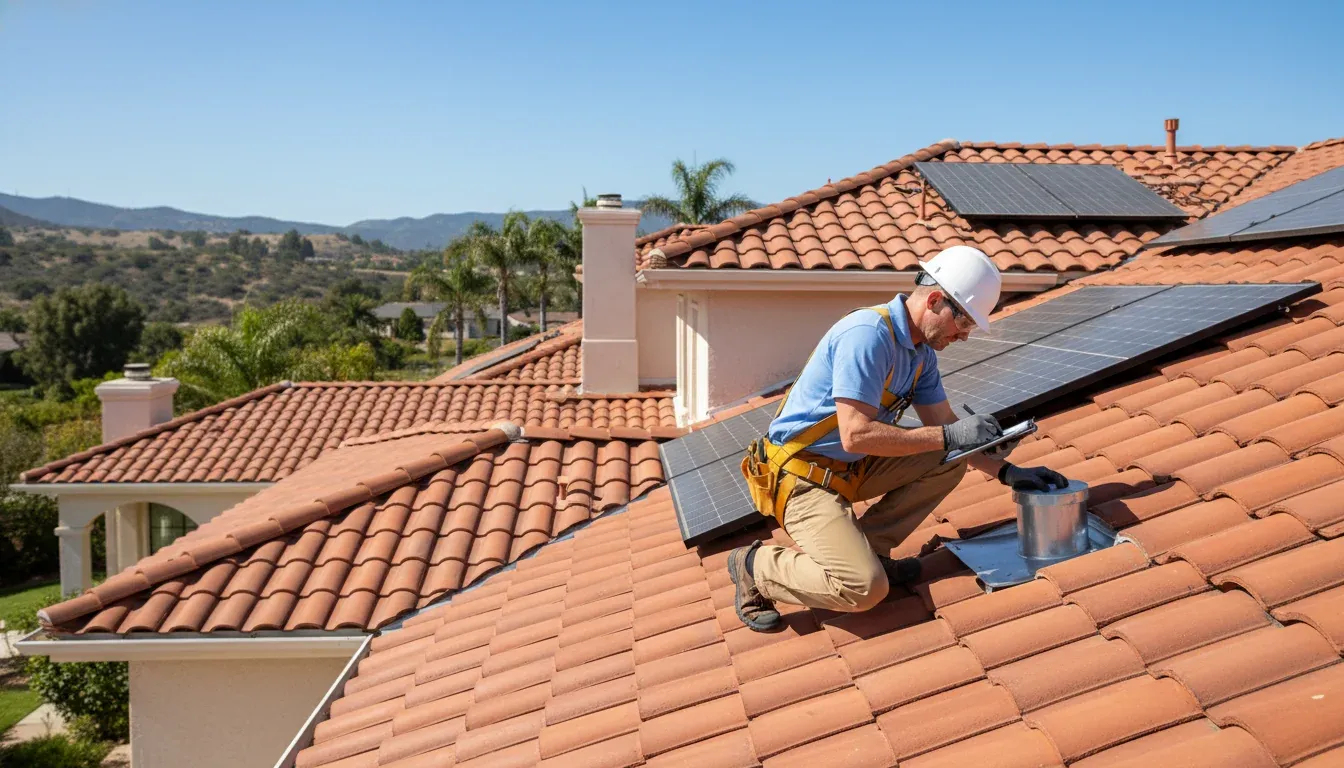
A general home inspector may include the roof as one part of a larger property inspection, but that is not the same as hiring a dedicated roof inspection specialist. Roof-focused companies spend their time evaluating roofing systems, roof materials, installation details, leak patterns, drainage problems, and certification requirements.
Experience also matters by roof type. Tile, shingle, metal, slate, flat, commercial, and low-slope systems each require different knowledge. Ask whether the company has inspected your type of roof before and how they approach fragile or dangerous roofs.
Clear reporting standards
A professional report should include photos, condition notes, recommendations, and enough detail for you to understand the issue without standing on the roof yourself. If a company cannot show a sample report, that is a warning sign. A report is not an extra. It is the core deliverable.
Certified Inspector vs. Roofing Contractor: What Is the Difference?
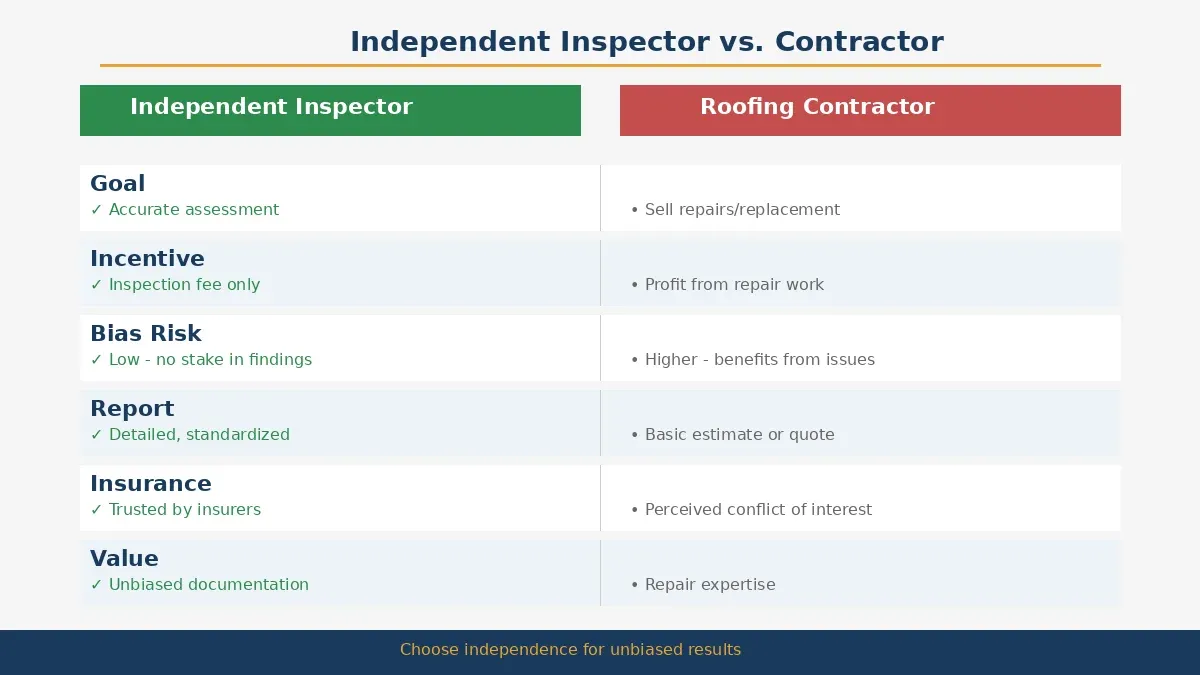
Some roofing contractors offer inspections, and many are honest professionals. The issue is not whether contractors can identify roof problems. The issue is incentive. If the same person inspecting the roof also profits from selling the repair, you should be aware of the potential conflict.
| Comparison Point | Certified Roof Inspector | Roofing Contractor Estimate |
|---|---|---|
| Primary purpose | Document roof condition | Price repair or replacement work |
| Ideal use | Real estate, insurance, maintenance, second opinions | When you already know work is needed |
| Deliverable | Inspection report with findings and photos | Repair or replacement proposal |
| Bias risk | Lower when inspection is separated from sales pressure | Higher if findings lead directly to paid work |
An independent inspection is most useful when you need clarity before deciding what to do. Once you have a documented report, you can compare repair proposals more confidently and avoid paying for work that does not address the real issue.
Questions to Ask Before Hiring a Roof Inspection Company
Before choosing a provider, ask direct questions. Reputable roof inspection companies should answer clearly and provide documentation when requested.
1. What certifications do your inspectors hold?
Ask for specific credentials, not general claims. If the company mentions NRCIA certification, ask how that affects the inspection process and reporting. A qualified company should be able to explain its standards in plain language.
2. What exactly is included in the inspection?
A complete inspection should cover more than a quick look from the ground. Ask whether the company checks flashing, penetrations, drainage, materials, visible structural concerns, interior indicators, and photos. If the roof is fragile or steep, ask whether drone inspection is available.
3. Will I receive a written report with photos?
The answer should be yes. A verbal summary is not enough for important property decisions. Ask when the report will be delivered and what it includes.
4. Do you provide roof certifications?
If you need a certification for a transaction, lender, insurance company, or buyer, confirm whether the company can provide one. Cert-A-Roof offers roof certifications through its LeakFREE certification program when a roof meets the required standards.
5. Are you properly licensed and insured?
Ask for proof. A professional company will not be offended by this question. It is a basic part of protecting your property.
6. What happens if the inspection finds problems?
The company should explain how findings are documented, how recommendations are prioritized, and whether repair estimates are separate from the inspection findings. The goal is clarity, not pressure.
Want a roof inspection report you can actually use? Request an appointment with Cert-A-Roof or call 888-766-3800 to speak with the team.
Red Flags When Comparing Roof Inspection Companies
Some warning signs are easy to miss when you are trying to solve a roof concern quickly. Be cautious if you notice any of the following.
- No written report: A company that only gives verbal feedback is not providing the documentation most property owners need.
- Pressure to approve repairs immediately: Urgency can be valid after active storm damage or a serious leak, but pressure tactics are different from professional recommendations.
- No proof of insurance: Do not allow anyone onto your roof without confirming they are properly insured.
- Vague credentials: Phrases like “roof expert” or “experienced inspector” are not the same as verifiable certification.
- Very low pricing with limited scope: A cheap inspection may only be a basic visual check, which can miss hidden or developing problems.
- No sample report: If the company is proud of its work, it should be willing to show what the final report looks like.
- Storm chaser behavior: After major weather events, out-of-area companies may offer fast inspections that are mainly designed to sell repairs.
These red flags do not always mean a company is dishonest, but they do mean you need more information before moving forward.
What Should a Professional Roof Inspection Report Include?
A useful roof inspection report should be specific enough to support decisions. At minimum, look for:
- Property and roof identification details
- Photos of roof surfaces, penetrations, flashings, drainage details, and observed defects
- Notes on roof material type and visible condition
- Clear explanation of deficiencies and why they matter
- Recommended next steps for repair, maintenance, monitoring, or certification
- Severity or priority levels when multiple issues are found
- Inspector information and company credentials
For homeowners who want to understand the inspection process in more detail, Cert-A-Roof’s roof inspection checklist explains what professionals look for when examining a roofing system.
How Cert-A-Roof Sets the Standard for Roof Inspections
Cert-A-Roof has served Southern California and Western Montana for more than 30 years and has completed more than 75,000 inspections and certifications. The company was founded by Les Watrous and is known for its focus on professional inspection, certification, documentation, and integrity.
Cert-A-Roof stands out from other roof inspection companies because it combines field experience with standardized protocols and certification-focused reporting. Its services include LeakFREE roof inspections, annual roof inspections, insurance claim inspections, drone inspections, Forensic ROOF inspections, roof repair inspections, commercial inspections, and certification services.
The company also operates with deep NRCIA involvement. Paul Watrous serves as President of the National Roof Certification and Inspection Association, which reinforces Cert-A-Roof’s role in the professional roof inspection and certification space.
Property owners choose Cert-A-Roof for several reasons:
- More than 75,000 completed inspections and certifications
- More than 30 years serving property owners, real estate professionals, and commercial clients
- NRCIA-certified inspection standards
- LeakFREE roof certification options when a roof qualifies
- Detailed electronic reports, typically delivered within 24 to 48 hours for many inspection types
- Roofing, inspection, repair, certification, and compliance knowledge under one experienced team
You can learn more about the company’s background on the Cert-A-Roof about page.
How to Make Your Final Choice
When comparing roof inspection companies, choose the provider that gives you the most confidence in three areas: process, proof, and professionalism.
Process means the company follows a clear inspection method rather than improvising. Proof means credentials, insurance, photos, and written reporting. Professionalism means the company explains findings without pressure and helps you understand the next step.
If you are buying or selling a home, dealing with insurance documentation, planning roof maintenance, or trying to understand whether repairs are truly needed, a certified inspection is one of the smartest first steps you can take.
For a professional roof inspection from an NRCIA-focused team, contact Cert-A-Roof today or call 888-766-3800.
Frequently Asked Questions About Roof Inspection Companies
What is the difference between a roof inspection and a roof certification?
A roof inspection evaluates the current condition of the roof and documents findings. A roof certification goes further by confirming that the roof meets specific standards for a defined period, often with warranty-backed protection when the roof qualifies.
How much does a roof inspection cost?
Pricing depends on roof size, access, roof type, inspection scope, and location. A basic residential inspection usually costs less than a specialized forensic, commercial, or insurance claim inspection. The safest approach is to request a quote based on your property and inspection need.
Are free roof inspections reliable?
Some free inspections can identify obvious damage, but they are often tied to repair sales. If you need an unbiased report for a transaction, insurance matter, maintenance plan, or second opinion, a paid professional inspection from a certified roof inspector is usually more reliable.
How often should I schedule a roof inspection?
Many property owners benefit from an annual inspection, and inspections are also wise after major storms, before buying or selling property, when leaks appear, or when the roof is approaching the later years of its expected life.
Can a roof inspection help with an insurance claim?
Yes. A detailed inspection report can document visible damage, roof condition, photos, and professional observations. If your situation involves insurance, choose a company experienced with roof inspections for insurance so the report is prepared with the right level of detail.
Comment (0)