How Long Do Asphalt Shingle Roofs Last? 4 Key Factors
Living in Southern California means we get plenty of sunshine, but that constant sun exposure can be tough on our homes, especially our roofs. That’s why the question of “how long do asphalt shingle roofs last” is so critical for homeowners in our area. The intense UV rays can bake the life out of shingles, causing them to become brittle and crack years ahead of schedule. This guide is tailored for SoCal residents, explaining how our unique climate impacts different types of asphalt shingles and what you can do to protect your roof from the elements, ensuring you get the maximum possible lifespan out of this crucial part of your home.
Key Takeaways
- Your Roof’s Lifespan Starts with Your Shingle Choice: The longevity of your roof, ranging from 15 to 40 years, is primarily determined by the type of asphalt shingle you select. While basic three-tab shingles are economical, upgrading to architectural or premium shingles offers significantly more durability and a longer-lasting investment.
- Look Beyond the Shingles for True Durability: The quality of the installation and proper attic ventilation are just as critical as the materials themselves. A poorly installed roof will fail prematurely, regardless of shingle quality, especially under the constant stress of the Southern California sun.
- Proactive Maintenance is Your Best Defense: You can extend your roof’s life by addressing small issues before they become major problems. Regularly cleaning your gutters, scheduling professional inspections, and watching for warning signs like curling shingles or granule loss are key to preventing costly, unexpected repairs.
How Long Should Your Asphalt Shingle Roof Last?
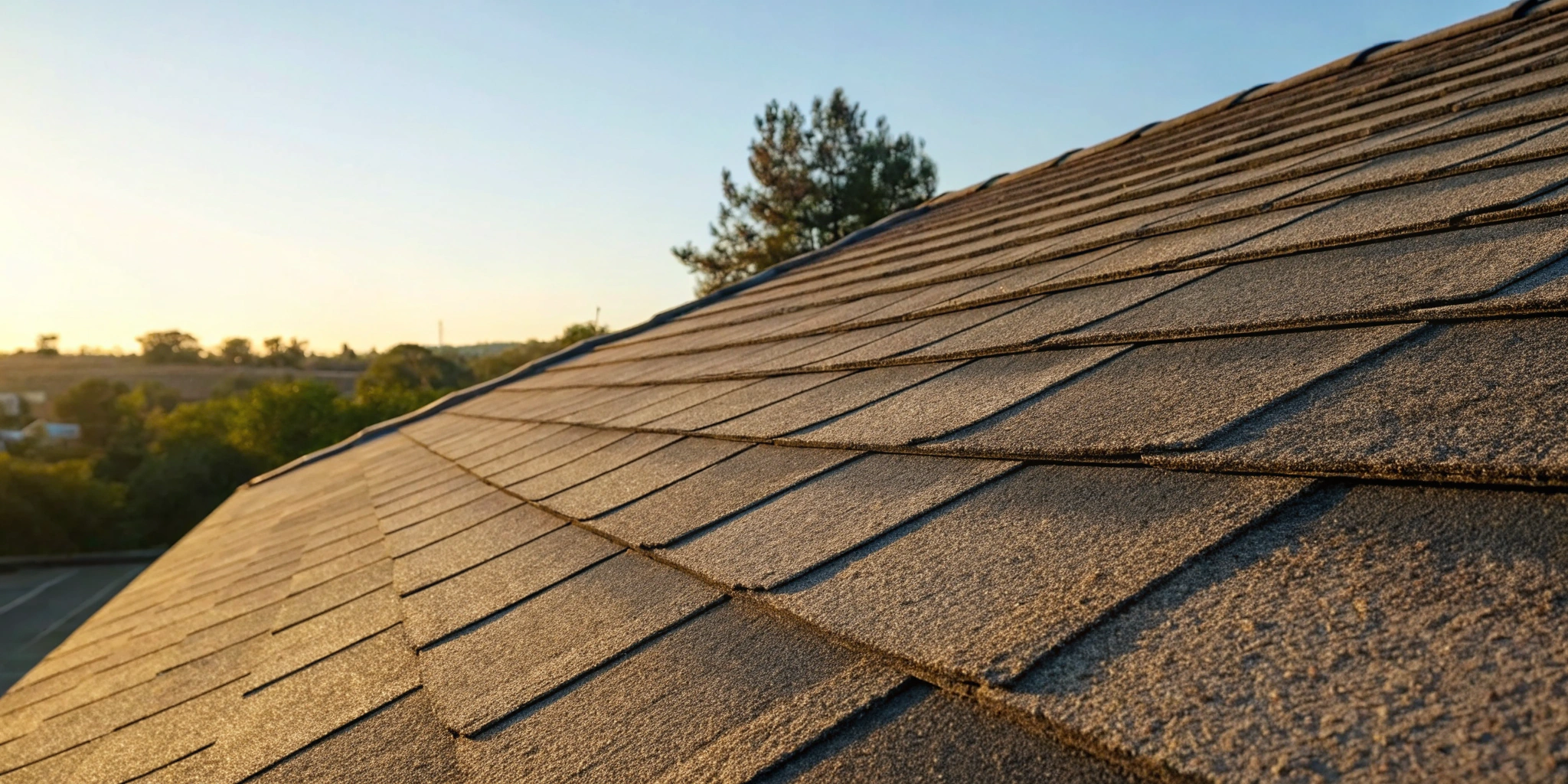
When you’re thinking about your roof, one of the first questions that comes to mind is, “How long will it last?” For asphalt shingles, the most common roofing material in the country, the answer is a range: typically between 15 and 30 years. However, not all asphalt shingles are created equal, and the type you have plays a huge role in its longevity.
Think of it like this:
- Three-Tab Shingles: These are the most basic and affordable option. They generally have a lifespan of about 15 to 20 years. They’re a solid choice, but you’ll likely be planning for a replacement sooner than with other types.
- Architectural Shingles: A step up in quality and durability, these shingles are thicker and designed to look more like wood shake. Major manufacturers like Owens Corning state that you can expect them to last around 20 to 30 years.
- Premium Shingles: These are the top-of-the-line asphalt shingles, offering the best performance and aesthetic appeal. They can last anywhere from 25 to 40 years, providing long-term peace of mind.
It’s also important to remember that a “30-year warranty” doesn’t always guarantee a 30-year lifespan. That warranty covers manufacturing defects, but it doesn’t account for real-world factors like weather, installation quality, or maintenance. An older roof, for instance, might show signs of failure after just 14 or 15 years, even if its original warranty was for much longer. That’s why understanding the specific conditions affecting your home is key to knowing your roof’s true timeline. A professional roof inspection can give you a much clearer picture of your roof’s current health and expected lifespan.
What Affects Your Roof’s Lifespan?
You’ve probably seen a 25- or 30-year warranty on a package of asphalt shingles and thought, “Great, I’m set for the next few decades!” While that number is a good starting point, it’s more of a lab-tested ideal than a real-world guarantee. The actual lifespan of your roof depends on a handful of key factors that can either help it reach that milestone or cut its life short. Think of it like this: two people can buy the exact same car, but how long it lasts will come down to where they drive it, who worked on it, and how well they take care of it.
Your roof is no different. From the relentless Southern California sun to the quality of the initial installation, several elements play a huge role in its durability. Understanding these factors helps you make smarter decisions, whether you’re installing a new roof or trying to get the most out of your current one. It’s about moving from hoping your roof lasts to actively ensuring it does. We’ll walk through the four biggest influences on your roof’s longevity: our local climate, the quality of the installation, your maintenance habits, and your attic’s ventilation. Knowing what to look for can save you from premature repairs and give you peace of mind.
SoCal’s Climate and Weather
Here in Southern California, we love our sunny weather, but our roofs feel the heat. Constant exposure to intense UV rays is one of the biggest challenges for an asphalt shingle roof. Over time, the sun can bake the essential oils out of the shingles, causing them to become brittle, dry, and prone to cracking. While a 30-year shingle is designed to be durable, its actual lifespan often lands between 15 and 30 years, and a lot of that variation comes down to the local weather. Add in the occasional Santa Ana winds that can lift and tear shingles, and you have a recipe for accelerated wear. That’s why choosing materials and a roofing services team familiar with our climate is so important.
The Quality of the Installation
You can buy the most expensive, high-end shingles on the market, but if they aren’t installed correctly, you’re throwing your money away. The quality of your roof’s installation is arguably the single most important factor in its longevity. Poor installation will absolutely make your roof wear out faster. Common mistakes like improper nailing, failing to seal the flashing around chimneys and vents, or incorrect shingle alignment can create immediate vulnerabilities. These small errors can allow water to seep in from day one, leading to leaks, rot, and a roof that fails years before it should. This is why it’s critical to work with a certified, experienced contractor who has a proven track record of quality work.
Your Maintenance Routine
A roof is easy to ignore until a problem, like a leak, demands your attention. But a proactive approach to maintenance can add years to its life. Simple habits make a huge difference. This includes keeping your gutters clean so water can drain properly, trimming back overhanging tree branches that could scrape the shingles or fall during a storm, and performing visual checks from the ground. If you spot anything concerning, like curling shingles or dark streaks, it’s best to call a professional right away. A small, inexpensive repair today can prevent a major, costly replacement down the road. Think of it as an investment in protecting your entire home.
Proper Attic Ventilation
What happens inside your attic has a direct impact on the health of your roof. Proper ventilation is crucial for regulating temperature and moisture levels, but it’s often overlooked. In the summer, a poorly ventilated attic can get incredibly hot, essentially “baking” your shingles from the underside and causing them to deteriorate much faster. In the winter, warm, moist air can get trapped, leading to condensation and mold growth that can rot your roof’s decking. A well-balanced system of intake and exhaust vents allows your attic to breathe, keeping it cooler in the summer and drier in the winter, which is essential for a long-lasting roof. A professional roof inspection can tell you if your ventilation is up to par.
A Guide to Asphalt Shingles and Their Longevity
When you hear “asphalt shingles,” you might picture one specific type, but there’s a whole family of them. Think of it like buying a car—you have your standard models, your upgraded packages, and your luxury lines. Each comes with a different price tag and, more importantly, a different expected lifespan. Understanding the difference between these options is the first step in choosing a roof that fits your home, your budget, and your long-term plans. Let’s break down the three main players in the asphalt shingle world so you can feel confident in your choice.
Three-Tab Shingles
Three-tab shingles are the classic, most common type you’ll see on homes across the country. They have a distinct flat, single-layer appearance with cutouts that make them look like three separate pieces. They’re popular because they’re one of the most affordable roofing options out there. Typically, you can expect a three-tab shingle roof to last about 20 years. Of course, this number depends heavily on factors like our intense Southern California climate and the quality of the initial roof installation. While they get the job done, they are more susceptible to wind damage compared to their thicker counterparts.
Architectural Shingles
If you’re looking for a step up in both style and substance, architectural shingles are a fantastic choice. Also called dimensional shingles, they feature multiple layers of asphalt fused together, which creates a richer, more varied texture that can even mimic the look of natural wood shake. This layered construction doesn’t just look good—it makes them much more durable. Architectural shingles generally last about 30 years, offering a great balance between cost and longevity. Their added weight and dimension also provide better resistance to wind and other weather, and you can see the beautiful look they create in our project gallery.
Premium Shingles
At the top of the line, you’ll find premium asphalt shingles. These are the heavy-hitters of the roofing world, designed for maximum durability and aesthetic appeal. They are thicker, heavier, and often incorporate advanced features like enhanced impact resistance or special granules that reflect solar heat. Because of their superior construction, premium shingles can last anywhere from 25 to 40 years. While they do come with a higher price tag, their extended lifespan and superior protection can make them a smart long-term investment for your property. A roof this robust provides incredible peace of mind, especially when it comes with a roof certification that guarantees its quality.
Telltale Signs You Need a Roof Replacement
Even the most durable asphalt shingle roof has a finite lifespan. While regular maintenance can certainly help you get the most out of your investment, there comes a time when a full replacement is the smartest and safest option. Ignoring the warning signs can lead to bigger, more expensive problems down the road, like water damage, mold, and structural issues. The key is learning to spot the clues your roof is giving you before a small issue becomes a major headache.
Think of it like a regular health check-up for your home; you want to catch things early. A quick visual inspection from the ground a few times a year, especially after a major storm, can help you stay ahead of any potential problems. If you notice any of the signs we’re about to cover, it doesn’t automatically mean you need to panic and schedule a replacement tomorrow. However, it does mean it’s time to call in a professional for a thorough roof inspection. An expert can assess the extent of the wear, check for hidden damage, and give you a clear picture of your roof’s remaining life and the best course of action. This professional assessment gives you the information you need to make a confident decision for your home and your budget.
Cracked, Curling, or Missing Shingles
Take a look at your roof from the ground. Do you see shingles that are starting to curl up at the edges, or ones that look cracked and brittle? Years of exposure to the Southern California sun can bake the life right out of asphalt shingles, causing them to lose their flexibility. These damaged shingles are a weak point in your roof’s armor. Water can easily find its way underneath them, leading to leaks and rot in the underlying roof deck. If you spot entire shingles missing, especially after a windy day, that’s an even more urgent sign that your roof’s integrity is compromised and needs immediate attention for storm damage repair.
Granules Collecting in Your Gutters
When you clean your gutters, do you notice a buildup of coarse, black, sand-like particles? Those are asphalt granules, and they serve a critical purpose: protecting your shingles from the sun’s damaging UV rays. While it’s normal for a new roof to shed some loose granules, finding a large accumulation in your gutters is a red flag. It means the shingles are aging and deteriorating, leaving them exposed and vulnerable to the elements. As this protective layer wears away, the shingles will become brittle and start to fail much more quickly. It’s a clear signal that your roof is nearing the end of its effective life.
Water Stains on Your Ceiling
This is one of the most unmistakable signs of a roof leak. If you see discolored brown or yellow stains on your ceiling or walls, your roof is actively failing to keep water out. It’s also a good idea to periodically check your attic, if you can do so safely. Look for damp insulation, dark streaks on the wood, or any visible daylight peeking through the roof boards. By the time a water stain appears inside your home, the leak has likely been present for some time, potentially causing unseen damage like mold or rot. Don’t just paint over the spot; it’s crucial to have a professional find and fix the source of the leak.
The Age of Your Roof
Sometimes, the most important sign isn’t visible at all—it’s simply your roof’s age. A typical asphalt shingle roof lasts between 15 and 30 years, depending on the shingle quality and local climate. If your roof is approaching the 20-year mark or you have no idea how old it is, it’s wise to start planning for a replacement. An older roof is much more susceptible to damage from wind and rain, and waiting for it to fail can result in an emergency situation. Being proactive about a roof replacement allows you to plan and budget accordingly, rather than being forced into a hasty decision when a major leak appears.
How to Extend the Life of Your Asphalt Roof
Your roof is a major investment, and you want it to last as long as possible. The good news is that you have a lot of control over its lifespan. With a bit of proactive care, you can protect your asphalt shingles from the elements and prevent small issues from turning into costly headaches. Think of it like regular maintenance for your car—a little attention now saves you from major repairs down the road. By adopting a few simple habits, you can help your roof reach or even exceed its expected lifespan, keeping your home safe and secure for years to come.
Schedule Regular Professional Inspections
It’s easy to forget about your roof until something goes wrong, but one of the best things you can do is schedule regular check-ups. A professional roof inspection is essential because trained experts know exactly what to look for. They can safely assess every part of your roof, from the shingles to the flashing, and identify potential weak spots you might miss from the ground. Catching a small problem, like a few loose shingles or cracked sealant, before it allows water to seep in can save you thousands in repairs. Think of it as a preventative health screening for your home—it gives you peace of mind and a clear plan for any needed maintenance.
Keep Gutters Clear and Debris-Free
Your gutters are your roof’s first line of defense against water damage. When they get clogged with leaves, twigs, and other debris, rainwater has nowhere to go. It can back up and seep under your shingles, potentially rotting the wood decking underneath. Clogged gutters can also become heavy and pull away from the house. Cleaning them out at least twice a year is a must. While you’re up there, take a peek at what’s inside. Finding a lot of tiny shingle bits, or granules, is a sign that your roof is aging and losing its protective layer, which shields it from the sun’s harsh UV rays.
Address Algae and Moss Growth
Have you ever noticed dark streaks or green, fuzzy patches on your roof? Those aren’t just cosmetic issues. Algae can feed on the limestone filler in asphalt shingles, while moss can be even more destructive. According to roofing experts, extensive moss growth can lift the edges of your shingles, breaking their seal and creating a pathway for water to get underneath. This trapped moisture can lead to rot and leaks over time. While it might be tempting to pressure wash it away, that can do more harm than good by stripping off the protective granules. It’s best to have a professional assess the growth and recommend a safe cleaning method.
Don’t Delay on Minor Repairs
A single missing shingle might not seem like a big deal, but it leaves a section of your roof exposed to the elements. Sun, wind, and rain can quickly degrade the underlying materials, turning a tiny issue into a significant leak. That’s why it’s so important to address minor problems as soon as you spot them. If you find yourself constantly patching up leaks or replacing shingles, it might be a sign that your roof is nearing the end of its life. However, taking care of small roofing repairs promptly can prevent widespread damage and help you get a few more years out of your current roof.
Ensure Your Attic Can Breathe
What happens in your attic has a huge impact on the health of your roof. Proper ventilation allows hot, moist air to escape, keeping your attic temperature regulated. Without it, heat can build up and essentially bake your asphalt shingles from the inside out, causing them to become brittle and wear out much faster. In cooler, wetter weather, poor ventilation can also lead to condensation, which encourages mold growth and can rot your roof’s wooden structure. A professional can check to make sure your intake and exhaust vents are working correctly, ensuring your attic has the airflow it needs to protect your roof from within.
When Is It Time to Call a Roofing Professional?
Knowing the signs of roof trouble is one thing, but knowing when to pick up the phone is another. While it can be tempting to climb up there yourself, roofing is a job best left to the experts for safety and accuracy. A professional can spot subtle issues you might miss and has the right equipment to do the job safely. If you’re questioning whether a problem is big enough to warrant a call, it probably is. Acting quickly can save you from much bigger headaches and expenses down the road. Here are the key moments when you should absolutely call in a roofing professional.
For Routine Inspections and Peace of Mind
You don’t need to wait for a leak to appear in your living room to have your roof checked. Scheduling routine professional inspections is one of the smartest things you can do for your home. Think of it like a regular health check-up. A trained expert knows exactly what to look for and can safely assess every part of your roof, from the shingles to the flashing. They can identify potential weak spots and small issues before they escalate into costly repairs. A yearly roof inspection gives you invaluable peace of mind, knowing your home’s first line of defense is in solid shape.
When You Spot Storm Damage or Leaks
After a major Southern California storm rolls through, it’s wise to check for damage. High winds, heavy rain, or hail can leave behind both obvious and hidden problems. If you notice missing shingles or other visible damage from the ground, it’s time to call a pro. An even more urgent sign is evidence of a leak, like water spots on your ceiling or walls. This means your roof’s defenses have been breached, and water could be causing damage to your home’s structure and insulation. Prompt storm damage repair is critical to prevent further issues like mold growth and rot.
Choosing a Certified Contractor You Can Trust
When you see signs of an aging roof, storm damage, or a leak, don’t delay. Contacting a roofing contractor as soon as possible can stop a small problem from turning into a major disaster. But it’s important to call someone you can trust. Look for a certified, insured, and experienced professional who has a strong reputation in the community. A certified contractor provides an extra layer of confidence that the job will be done right. When you work with a team that stands behind their work, you’re not just getting a repair; you’re investing in the long-term protection of your home.
Frequently Asked Questions
My shingle warranty says 30 years. Does that mean my roof is guaranteed to last that long? Think of a shingle warranty as a guarantee against manufacturing defects, not a promise of a specific lifespan. It’s a great indicator of the shingle’s quality, but it doesn’t account for real-world factors like our intense Southern California sun, the quality of the initial installation, or how well the roof is maintained. Your roof’s actual lifespan depends on these conditions, which is why a 30-year shingle might show signs of aging sooner in our climate.
Are the more expensive architectural or premium shingles really worth the extra cost? It really comes down to your long-term goals for your home. While three-tab shingles are a solid, budget-friendly choice, upgrading to architectural or premium shingles is an investment in durability and peace of mind. Their layered construction makes them much tougher against wind and sun damage, and they offer a more dimensional, high-end look. Over the life of your home, their extended lifespan can mean you avoid the cost and hassle of a future replacement for many more years.
How can I tell if my roof needs a simple repair or a full replacement? Generally, if the damage is isolated to one small area—like a few shingles that blew off in a storm—a professional repair is often all you need. However, if you’re seeing widespread issues like curling shingles across the entire roof, significant granule loss in your gutters, or if the roof is simply over 20 years old, a replacement is likely the smarter and safer option. The best way to know for sure is to have a professional assess the overall condition.
How often should I have my roof professionally inspected? A professional inspection once a year is a great rule of thumb. This proactive check-up allows an expert to spot and address small issues, like cracked sealant around vents, before they can turn into major leaks. It’s also a very good idea to schedule an inspection after any significant weather event, like a major wind or rain storm, just to ensure no damage occurred.
My roof doesn’t have any leaks. Why is proper attic ventilation so important? Proper attic ventilation protects your roof from the inside out. During our hot summers, a poorly ventilated attic can trap extreme heat, which essentially bakes your shingles from underneath and causes them to become brittle and age prematurely. In the winter, it prevents moisture from building up, which can lead to mold and rot in your roof’s wooden structure. Good airflow is a quiet but critical part of making your entire roofing system last.
Comment (0)