DIY Flat Roof Patch: A Step-by-Step Guide
That first telltale water stain on the ceiling can send a shiver of dread down any homeowner’s spine. Your mind immediately jumps to worst-case scenarios involving buckets, tarps, and a massive repair bill. But a small leak doesn’t always mean you need a full roof replacement. For many common issues on a flat roof, a simple and effective flat roof patch is all you need to stop the water in its tracks. Think of it as first aid for your home. This guide is your go-to resource for tackling the job with confidence, walking you through everything from picking the right materials to avoiding common mistakes.
Key Takeaways
- Start with a clean surface and the right material: A successful patch depends entirely on proper preparation. Always begin by thoroughly cleaning and drying the damaged area, and make sure the patching product you choose is compatible with your specific roofing material to avoid causing more damage.
- Use reinforcing fabric for a stronger repair: For a patch that will last, embed a fiberglass mesh fabric between two layers of roofing cement. This simple technique adds significant strength and helps your repair hold up against the elements for years to come.
- Know when a patch isn’t enough: A patch is a great fix for small, isolated issues. However, if you find widespread damage, feel soft or spongy spots on the roof, or if a leak returns after a repair, it’s a sign of a larger problem that needs a professional inspection.
What Is a Flat Roof Patch?
Think of a flat roof patch as first aid for your roof. It’s a targeted repair method designed to seal off a specific area of damage, like a crack, blister, or small puncture. Instead of redoing the entire roof, you’re applying a durable, waterproof material directly over the problem spot to stop a leak in its tracks and prevent water from seeping into your home or building’s structure. The process usually involves cleaning the area, applying a specialized roofing cement or liquid sealant, and sometimes embedding a reinforcing fabric mesh to add strength and durability.
A patch is an excellent solution for isolated issues on a roof that is otherwise in good condition. It’s a cost-effective way to address minor wear and tear before it spirals into a much larger, more expensive problem. By catching and patching these small imperfections early, you can extend the overall lifespan of your roof and maintain its integrity. While it’s not a permanent fix for an old or failing roof, a well-applied patch is a crucial part of regular roof maintenance that keeps your property protected from the elements.
Signs Your Flat Roof Needs a Patch
Knowing what to look for is the first step in protecting your roof. Small signs of trouble can appear long before you see a drip from your ceiling. Keep an eye out for any blistering or bubble-like spots on the roof’s surface, which often trap air or moisture. You should also look for visible cracks, splits, or punctures in the roofing material. Inside your home, new water stains on the ceiling or walls are a classic red flag. Another telltale sign is ponding water, where water gathers in low spots for more than 48 hours after it rains. A regular visual check can help you spot these issues early, but for a complete assessment, a professional roof inspection will give you the clearest picture of your roof’s health.
Patching vs. Replacing: How to Decide
Deciding between a patch and a full replacement comes down to the scope of the damage and the age of your roof. A patch is the right call for one or two small, contained problem areas on a relatively young roof. If you’ve got a single leak or a small crack, a patch is a smart, economical fix.
However, if you’re dealing with widespread issues like multiple leaks, extensive blistering across the surface, or if your roof is nearing the end of its expected lifespan, patching is just a temporary band-aid. A key warning sign is feeling soft or spongy spots when you walk on the roof, as this suggests the underlying insulation or decking is waterlogged and compromised. In these cases, a full replacement is the better long-term investment. When the damage is extensive or you feel at all unsafe, it’s always best to call for a professional roof repair assessment.
The Best Products for Patching a Flat Roof
Walking into a home improvement store can feel overwhelming with so many options lining the shelves. When it comes to patching a flat roof, choosing the right product isn’t just about grabbing the first tub of sealant you see. The best material for your roof depends entirely on what your roof is made of, the size of the repair, and your local climate. Using the wrong product can do more harm than good, potentially turning a small leak into a much bigger problem.
Think of it like this: you wouldn’t use wood glue to fix a ceramic mug. The same principle applies to your roof. Materials like EPDM, TPO, and modified bitumen each have unique properties and require specific patching compounds to create a lasting, waterproof seal. Getting this right is the key to a successful DIY repair. Before you start, it’s a great idea to identify your roofing material. If you’re unsure, a professional roof inspection can give you a clear picture of what you’re working with and what it needs. This section will walk you through some of the most trusted products on the market so you can make an informed choice.
Patching Materials We Trust
When you’re looking for reliable patching materials, a few key players consistently come up. For sealants, products like Henry Rubberized Wet Patch are popular for their ability to be applied in damp conditions. Polyurethane-based liquid sealants are another excellent choice, known for their durability and flexibility. For the patch itself, which provides structure to the repair, you’ll want to use materials like fiberglass mesh, EPDM rubber, or a piece of TPO membrane. The most important rule is to ensure the patch material is compatible with your existing roof. Using an asphalt-based product on a rubber roof, for example, can cause the material to degrade over time.
A Look at Henry Patches
You’ve probably seen Henry products at your local hardware store, and for good reason. Henry 208 Wet Patch is a go-to for many DIYers because it’s accessible and effective for small repairs. The best way to use it for a durable fix is with a three-layer method. First, clean the area thoroughly and apply a layer of the Wet Patch. While it’s still tacky, embed a piece of fiberglass mesh into the sealant, pressing it down firmly. Then, apply a final, generous layer of Wet Patch over the mesh, extending it a few inches beyond the patch on all sides. This sandwiching technique creates a much stronger, more resilient repair that can better withstand the elements.
Exploring GAF Roofing Patches
If your roof is made from GAF materials, sticking with their brand for repairs is often a smart move. GAF offers repair kits and products specifically designed for their roofing systems, whether you have an SBS, EPDM, or TPO roof. This takes the guesswork out of compatibility. For a typical repair, you would start by cutting out the damaged section in a clean square or rectangle. Then, you’d apply a layer of roofing cement, like GAF Matrix 201, to the area, making sure to spread it at least two inches beyond the edges of the hole. This ensures the patch has a strong, watertight bond with the existing roof surface.
Understanding Liquid Rubber Products
An excellent alternative to traditional asphalt-based patches is liquid rubber, a polyurethane product you can often find in the paint aisle. Experienced roofers often prefer this option for its incredible longevity and ease of use. Unlike some roofing cements that can harden or crack in the can over time, liquid rubber remains stable and ready to use. When applied, it creates a seamless, flexible membrane that moves with your roof as it expands and contracts with temperature changes. This flexibility helps prevent future cracks and can last for decades, making it a fantastic long-term solution for flat roof repairs.
Patches for Specific Roofs (EPDM, TPO, Modified Bitumen)
This is where paying attention to detail is critical. If your flat roof is made of modern materials like EPDM (a synthetic rubber) or TPO (a single-ply membrane), you must avoid any asphalt-based patching products. Asphalt contains oils that can cause EPDM and TPO to swell, blister, and break down, completely compromising your repair. Always read the product label carefully to confirm it’s safe for your specific roof type. For modified bitumen roofs, you’ll want a patch that is also bitumen-based to ensure a proper bond. When in doubt, using the wrong material can lead to costly damage, so it’s always better to double-check or consult with our team about our roofing services.
Key Features to Look for in Patching Materials
Choosing the right patching material is about more than just grabbing the first bucket you see at the hardware store. The success of your DIY repair hinges on picking a product with the right features for your specific roof and climate. Think of it like cooking; the quality of your ingredients directly impacts the final dish. To make sure your patch holds up against the elements and protects your home, focus on these four key characteristics.
Waterproofing and Adhesion Strength
The two most important jobs of a roof patch are to keep water out and to stay put. That’s why waterproofing capability and adhesion strength are non-negotiable. A high-quality patch creates a seamless, watertight barrier that prevents moisture from seeping through. For that barrier to work, the material must bond tightly to your existing roof. The most important step is to clean and completely dry the repair area. Any dirt, debris, or even a little dampness will stop your patch from sticking well. A weak bond means your patch could peel or lift, leaving your roof vulnerable all over again. Taking the time to properly prepare the surface is the best way to guarantee a strong, lasting seal.
Weather and Temperature Resistance
Your roof is constantly exposed to the elements, from intense sun to sudden downpours. Your patching material needs to be tough enough to handle it all. Look for products designed to withstand UV radiation, which can cause materials to degrade and crack over time. It also needs to remain flexible through temperature changes, expanding in the heat and contracting in the cooler nights without failing. Keep in mind that application conditions matter, too. For many products, like polyurethane, the roof needs to be completely dry when you put it on for it to work best. Always check the manufacturer’s instructions for the ideal application temperature and weather conditions to ensure your patch cures correctly and performs as expected.
Compatibility with Your Existing Roof
This is a big one. Using a patch that isn’t compatible with your roofing material can cause more harm than good. For example, you should never use asphalt-based products, like most common roofing cements, on EPDM or TPO roofs because they will damage the membrane. Before you buy anything, you need to know what kind of flat roof you have. If you’re not sure, it’s worth getting a professional roof inspection to identify the material and assess the damage. Choosing a compatible product ensures the patch will bond correctly and won’t react negatively with your existing roof, which is key for a durable, long-term repair.
Application and Curing Time
Finally, consider the practical side of applying the patch. Some materials are easier to work with than others, so look for a product that matches your DIY skill level. Pay close attention to the instructions for application thickness. A common recommendation is to spread a thin layer, about 1/8 inch, of roofing cement over the damaged spot, making sure it goes at least six inches beyond the edges of the problem area. Also, check the curing time. This is how long the patch needs to dry and harden completely. A faster curing time might be convenient, but don’t rush the process. A patch that hasn’t fully cured is a weak patch.
Comparing Patch Products: Performance and Price
When you walk down the roofing aisle, the number of patch products can feel overwhelming. How do you choose the right one? It really comes down to your goal. Are you looking for a quick, temporary fix to stop a leak, or are you aiming for a durable, long-term repair? Both approaches have their place, and the best product for you will balance performance with price. Let’s look at some options so you can make an informed decision for your roof.
Budget-Friendly Options
If you need a cost-effective solution to get you through a few months of rain, a product like Henry Wet Patch is a popular choice. It’s known for being easy to use and effective for temporary repairs. For a more solid fix, many DIYers use a layering technique: apply a layer of the wet patch, embed fiberglass mesh into it, then cover the mesh with a final layer. This creates a stronger seal that can hold up until you can schedule a more permanent roof repair.
Premium, Long-Term Solutions
For a repair that’s meant to last, look beyond standard roofing tars. High-quality polyurethane products, often found in the paint department, can offer incredible longevity, sometimes lasting for decades. While the initial cost is higher, these sealants provide a more durable and flexible patch that withstands the elements without cracking. They are also generally easier to work with and won’t harden in the can. If you’re tackling a repair you don’t want to think about again for a long time, investing in a premium product is a smart move.
Breaking Down the Cost
When you think about the cost, remember the product is only part of the equation. A successful repair is 90% preparation and 10% application. The real investment is your time in cleaning the area and finding the true source of the leak. On a flat roof, water can travel a long way before it drips inside, which is why a professional roof inspection can be so valuable. Patching the wrong spot wastes time and money, and a small crack can eventually lead to major issues like wood rot, a much more expensive problem.
Your Toolkit for Patching a Flat Roof
Before you climb up that ladder, let’s talk about what you’ll need. Having the right tools and materials on hand makes the job go smoother and, more importantly, safer. We’ll break down everything into three categories: safety gear, prep supplies, and application tools. Getting this right is half the battle and sets you up for a patch that will actually last.
Essential Tools and Safety Gear
Safety should always be your top priority when working on a roof. First, make sure you have a sturdy, reliable ladder and always place it on level ground. Wear shoes with non-slip soles to give you solid footing, and put on a pair of safety glasses to protect your eyes. It’s also smart to wear gloves to keep your hands clean. And here’s a crucial tip: never work on a wet, icy, or windy roof. If you have any doubts about safety or the extent of the damage, a professional roof inspection is always the safest bet.
Supplies for Prepping the Surface
A successful patch starts with a clean slate. The single most important step is to thoroughly clean and dry the area you plan to repair. If your patch doesn’t stick, it’s usually because the surface wasn’t prepped correctly. You’ll need a stiff-bristled brush to scrub away dirt, leaves, and any loose roofing material. A trowel can help scrape off old, failing sealant. Once you’ve cleared the debris, make sure the area is completely dry. Even a little bit of dampness can ruin the adhesion, so have some old rags or towels ready to wipe it down.
The Right Tools for Application
With a clean and safe workspace, you’re ready for your application tools. You’ll need a utility knife to cut your patching material or reinforcing fabric to the right size. A putty knife or trowel is essential for spreading roofing cement or sealant evenly across the damaged area. For cracks or areas that need extra durability, we recommend using a reinforcing fabric like fiberglass mesh. You’ll press this fabric into the first layer of wet sealant to create a stronger, more resilient repair. These simple tools are key to achieving a smooth, watertight professional repair.
How to Apply a Flat Roof Patch: A Step-by-Step Guide
Alright, you’ve got your materials and you’re ready to tackle that leak. Applying a patch isn’t complicated, but getting it right comes down to following the steps carefully. A well-applied patch can buy you years, while a rushed job might fail after the next rainstorm. Think of it like painting a room; the prep work is the most important part. Taking your time here will pay off. If the damage seems more widespread than you initially thought, remember that professional roof repair is always an option to ensure the job is done correctly and safely.
Step 1: Prep and Clean the Damaged Area
Before you even think about opening a can of sealant, your top priority is to get the damaged area perfectly clean and dry. Any dirt, dust, or moisture will prevent the patch from creating a strong, waterproof bond with your roof’s surface. Start by sweeping away loose debris like leaves and twigs. If you see any grime or algae, use a stiff-bristled brush and a roof-safe cleaner to scrub the area. Once it’s clean, you have to let it dry completely. I mean bone-dry. Even a little dampness can compromise the entire repair, so be patient and wait for a clear, sunny day.
Step 2: Apply the Patch Correctly
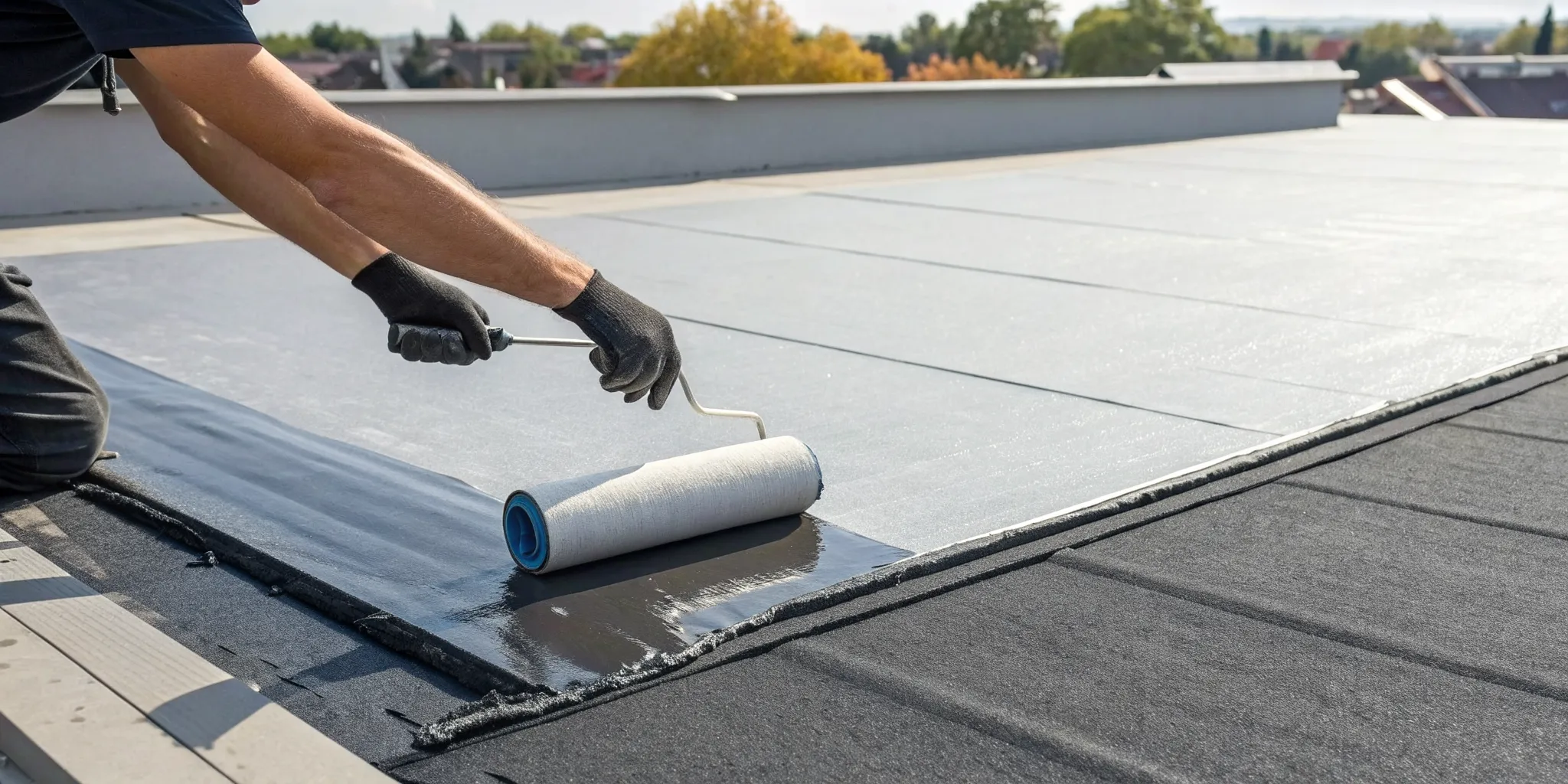
With a clean surface, you’re ready to apply the patch. If you’re using roofing cement and a fabric patch, start by applying a generous layer of cement with a trowel. Spread it over the damaged spot, extending it several inches beyond the edges of the crack or hole in every direction. You want to create a wide margin of safety. Before the cement starts to set, press your patch material firmly into it. Use your trowel to smooth it out from the center, pushing out any air bubbles that could create weak spots in your repair.
Tips for Using Reinforcing Fabric
For a stronger, more durable repair, especially over larger cracks, reinforcing fabric is your best friend. This material, often a fiberglass mesh, acts like rebar in concrete, giving your patch extra structural integrity. After you apply your first layer of roofing cement, lay the fabric over the wet material. Use your trowel to gently press the mesh into the cement until it is fully saturated. You should be able to see the cement coming up through the holes in the fabric. This ensures the fabric becomes one solid piece with the patch, creating a much tougher seal.
Step 3: Let It Cure Properly
Once the patch and fabric are in place, apply another layer of roofing cement over the top, making sure to completely cover the fabric and feather the edges smoothly. Now comes the easiest, yet sometimes hardest, part: waiting. Your patch needs time to cure, which is the chemical process where it hardens and forms a permanent, waterproof seal. Check the product’s instructions for specific curing times, as they can vary. It’s smart to plan your repair when you know you’ll have a few days of dry weather. After it has fully cured, give it a final check and fill in any small gaps or low spots you see. For more tips on keeping your roof in top shape, you can always find helpful information on our blog.
Common Patching Mistakes to Avoid
Even the best patching products can fail if they aren’t used correctly. A DIY repair is a great way to save money, but only if it’s done right the first time. Getting a handle on these common errors will help you create a durable, long-lasting seal that protects your home from the elements. Taking a little extra time to avoid these pitfalls can save you from a much bigger headache down the road. When you’re ready to get started, make sure you sidestep these four frequent missteps.
Mistake #1: Skipping Proper Prep Work
Jumping straight to the patch without preparing the surface is one of the biggest mistakes you can make. A patch will not adhere properly to a dirty, damp, or debris-covered area, leading to a weak seal that will fail quickly. Before you begin, you must thoroughly clean the damaged spot. Use a stiff brush to scrub away all dirt, grime, and loose roofing material. If you find any moss or algae, be sure to remove it completely. The area needs to be bone dry before you apply any sealant or patch. This single step is the foundation of a successful repair and is essential for a watertight finish.
Mistake #2: Using the Wrong Material
Not all patching products are created equal, and using one that’s incompatible with your roof can cause more harm than good. Flat roofs come in various materials, like EPDM, TPO, and Modified Bitumen, and each requires a specific type of patch. For example, applying a common asphalt-based roofing cement to a TPO or EPDM roof can actually damage the membrane, leading to a more extensive and costly repair. Always identify your roofing material before heading to the store. Read the product labels carefully to ensure the patch you choose is designed for your specific roof type. When in doubt, a professional roofing service can help you identify your material.
Mistake #3: Applying the Patch Incorrectly
The application technique is just as important as the prep work and material choice. A common error is not applying the patch far enough beyond the edges of the crack or hole. For a strong seal, you should extend the patching material at least a few inches past the damaged area on all sides. Another tip is to round the corners of any fabric patches you use; sharp corners are more likely to catch and peel up over time. Make sure you apply firm, even pressure to work out any air bubbles, which can create weak spots and compromise the repair.
Mistake #4: Ignoring Hidden Damage
The drip you see in your ceiling might not be directly under the source of the leak. On a flat roof, water can travel a surprising distance under the membrane before it finds a way inside. Simply patching the first crack you see might not solve the problem. Take the time to inspect the entire area for other signs of trouble, like blisters, cracks in the flashing around vents, or areas of ponding water. What looks like a small, isolated issue could be a symptom of a larger problem. If you’re struggling to find the source, a professional roof inspection can pinpoint the exact entry point and assess the overall health of your roof.
How to Maintain Your Repaired Roof
You’ve successfully patched your flat roof—great job! But the work doesn’t stop there. To get the most out of your repair and prevent future leaks, a little regular maintenance is essential. Think of it as protecting your investment of time and materials. By staying proactive, you can extend the life of your patch and your entire roof, saving you from bigger headaches down the road. Here are a few straightforward habits to adopt to keep your repaired roof in top condition.
Create a Regular Inspection Routine
Set a reminder to check on your roof twice a year, ideally in the spring and fall after the weather changes. During your check, walk around the patched area and look for any signs of trouble. Are the edges of the patch still sealed tightly, or are they starting to peel or lift? Do you see any new cracks, blisters, or bubbles forming on the patch or the surrounding roof surface? Also, look for areas where water is pooling. Catching these small issues early can prevent them from turning into major leaks. While your own visual checks are helpful, a professional roof inspection can spot subtle problems you might miss.
Simple Ways to Extend Your Patch’s Life
To give your patch some extra defense against the elements, consider applying a reflective roof coating over the entire surface. This seamless, waterproof layer can add five to ten years to your roof’s life by shielding it from harsh UV rays and weather. As a bonus for us here in Southern California, these coatings reflect sunlight and can help lower your air conditioning bills. If a full coating isn’t in your budget, you can still protect your patch by reapplying a quality sealant around its edges every few years. These simple roofing services can make a huge difference in the longevity of your repair.
Keep Debris and Drains Clear
One of the easiest and most important maintenance tasks is keeping your roof clean. Leaves, twigs, and other debris can pile up and trap moisture against your roof’s surface, which can slowly degrade your patch and the surrounding material. More importantly, this debris can clog your drains and scuppers. On a flat roof, proper drainage is everything. When drains are blocked, water has nowhere to go, leading to ponding. This standing water puts constant stress on your roof and will find any tiny weakness in your patch. A few times a year, especially after a windy day or storm, take the time to sweep your roof clean and ensure all drains are clear.
Know the Warning Signs of a Failing Patch
Sometimes, despite your best efforts, a patch can fail or a new leak can appear. It’s important to know what to look for inside your home. Keep an eye out for wet spots or discolored, brownish rings on your ceiling or walls. You might also notice a damp, musty smell, especially after it rains. Remember that with flat roofs, water can travel a long way from the entry point before it drips into your home, so the interior damage may not be directly below the patch. If you spot any of these warning signs, it’s time to act quickly. Don’t hesitate to contact us for a professional assessment to find the source of the leak.
Where to Source Quality Patching Materials
Once you know what kind of patching product you need, the next step is to find it. You can source high-quality materials from both online retailers and local suppliers. Online stores offer convenience and a wide selection, while local shops provide the chance to ask questions and get hands-on advice. The right choice often depends on how quickly you need the materials and how confident you are in what you’re looking for. For a small, straightforward repair, ordering online might be the easiest route. For a more complex issue, talking to an expert at a local roofing supply store can save you a lot of headaches.
Finding Products Online
The internet makes it easy to find reliable patching materials. You can find products like Henry 208R Rubberized Wet Patch at most major home improvement stores online. This type of rubberized cement is great for its durability and can be applied even to damp surfaces. For a stronger repair, many pros recommend applying a layer of the patch, pressing a fiberglass mesh into it, and then adding a final layer on top. You can also find complete flat roof repair kits designed for emergency waterproofing, which bundle everything you need to seal a leak quickly until you can schedule a more permanent fix.
Shopping at Local Suppliers
Visiting a local roofing supply or hardware store gives you the advantage of expert advice. Before you go, it’s critical to identify what your flat roof is made of. Is it EPDM (a black, rubber-like material), TPO (a white, plastic-like membrane), or Modified Bitumen (a rolled asphalt material)? Using a product that isn’t compatible with your roof can make the problem worse. If you’re not sure what you’re looking at, getting a professional roof inspection is the best way to get a certain answer. The staff at a local supplier can then point you to the exact patch or repair kit that will bond correctly and last the longest for your specific roof type.
When Is It Time to Call a Professional?
While tackling a flat roof patch yourself can be rewarding, it’s just as important to know when to hang up your tool belt and call in a professional. Some roofing issues go beyond a simple patch, and trying to fix them without the right expertise can lead to bigger problems and safety risks. Recognizing the signs that a job is too big or too dangerous is a crucial part of being a smart homeowner. Here’s how to tell when it’s time to get an expert opinion.
Signs the Damage Is Too Big for DIY
A tiny puncture is one thing, but if you’re looking at extensive damage, it’s a different story. Pay close attention if you feel any soft or spongy spots when you walk on the roof; this is a red flag for wet insulation and underlying structural damage. Leaks in tricky areas, like around chimneys, vents, or skylights, often require specialized flashing techniques. If you’ve patched an area before and the leak returned, it’s a clear sign that a deeper issue needs a professional diagnosis. A simple patch won’t solve problems like widespread ponding water, which points to bigger drainage issues. When you’re facing these situations, it’s best to get comprehensive roof repair services.
Putting Safety First: When to Call for Help
Your safety should always be the top priority. Before you even think about climbing a ladder, ask yourself if you have the right gear and if you feel comfortable working at heights. Always use a sturdy, well-placed ladder, wear shoes with excellent grip, and never work on a roof that is wet, icy, or overly windy. If you feel uneasy or the repair seems too complex, that’s your cue to call for help. Professional roofers have the training and equipment to work safely and efficiently. There’s no DIY project worth risking a serious injury for, so if you have any doubts, please contact us for a safe and reliable solution.
Related Articles
- 6 Types of Commercial Flat Roofing Explained
- Repair
- Roof Leak Repair
- How Much Does a Full Roof Replacement Cost? A Guide
Frequently Asked Questions
How long can I expect a flat roof patch to last? The lifespan of a patch really depends on the quality of the materials you use and how well you prepare the surface. A quick, temporary fix with a basic roofing cement might only get you through a rainy season. However, a well-applied patch using a premium polyurethane sealant and reinforcing fabric can last for several years, sometimes even a decade or more, when maintained properly.
How do I figure out what my flat roof is made of? Identifying your roofing material is crucial for choosing a compatible patch. You can often tell by looking at it. EPDM usually looks like a large sheet of black rubber. TPO is a single-ply membrane that is typically white, gray, or tan. Modified Bitumen looks like a roll of asphalt, often with a granular, sandpaper-like surface. If you’re still unsure, the most reliable way to know for certain is to have a professional take a look.
Is it better to patch a small spot or coat the entire roof? These two solutions serve different purposes. A patch is the right choice for fixing a specific, isolated problem like a single crack or puncture. A roof coating, on the other hand, is a preventative maintenance step. It’s a seamless membrane applied over the entire roof surface to protect it from UV damage and extend its overall life. If your roof is in generally good shape but you want to add protection, a coating is a great idea. If you have an active leak, you need a patch first.
What’s the most common reason a DIY patch fails? By far, the most common reason a patch fails is improper surface preparation. You can use the best product on the market, but if you apply it to a dirty, dusty, or even slightly damp surface, it will not create a strong, waterproof bond. Taking the extra time to thoroughly scrub the area clean and ensure it is completely dry is the single most important step for a lasting repair.
Can I apply a patch to a wet roof? While some products are specifically marketed for application in wet conditions, it’s always best to work on a dry surface if you can. A dry roof allows for the strongest possible adhesion and the most durable, long-term seal. Think of wet-application products as an excellent option for an emergency repair to stop a leak in the middle of a storm, but for a permanent fix, wait for a clear, dry day.

Comment (0)