Emergency Roof Repair San Diego: A Homeowner’s Guide
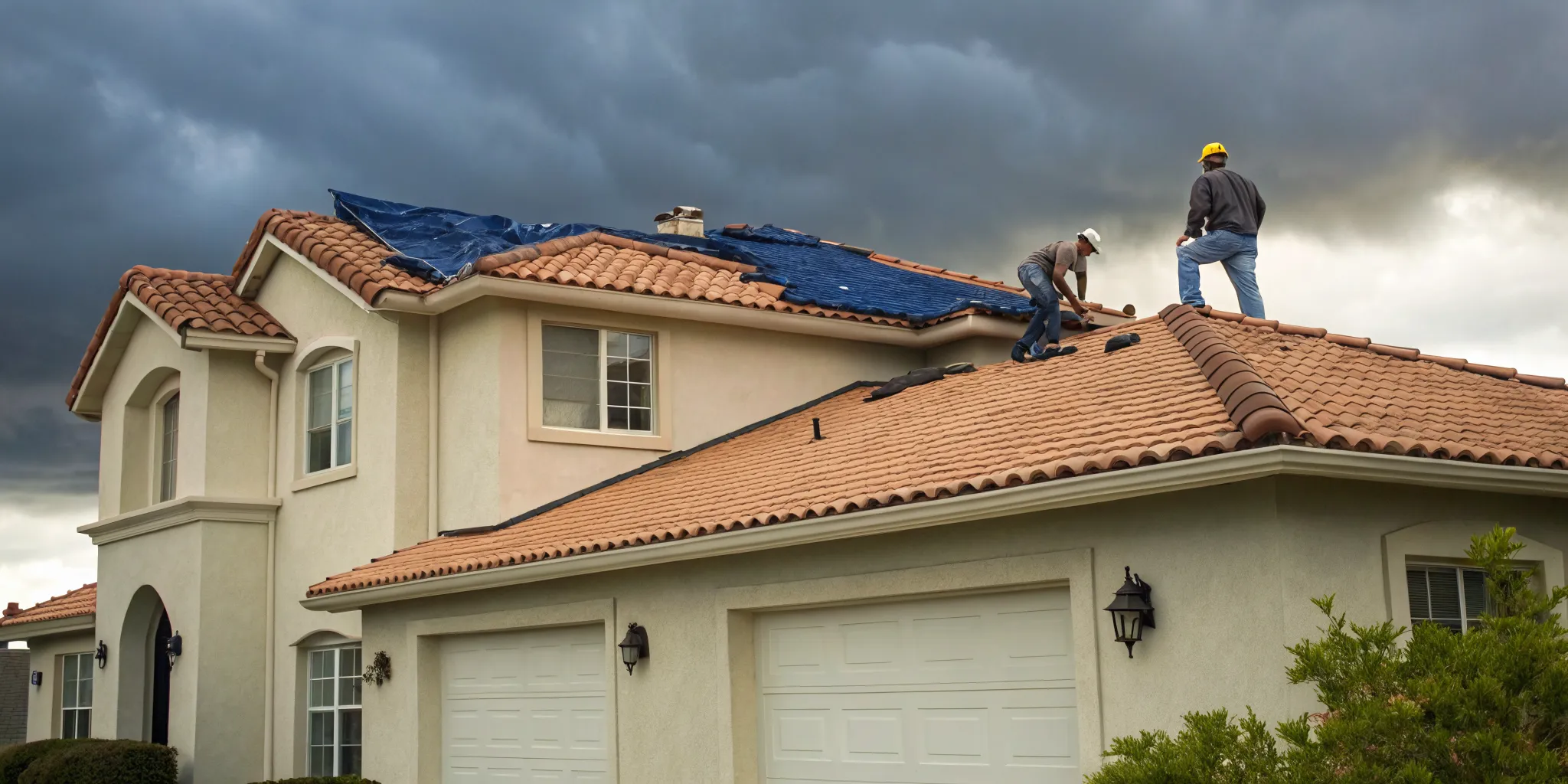
That sudden drip from the ceiling or a discolored spot on the wall is a homeowner’s worst nightmare. It’s a moment of panic where a thousand questions race through your mind. How bad is it? What will it cost? Who do I call? When your home’s first line of defense is compromised, you need a clear plan, not more stress. This guide is designed to be your calm in the storm. We’ll walk you through how to identify a true crisis, what immediate steps to take to protect your property, and how to find a trustworthy professional for an emergency roof repair San Diego. Think of this as your step-by-step playbook for getting your home secure and your peace of mind back.
Key Takeaways
- Identify and contain the problem safely: If you spot warning signs like water stains or a sagging roofline, your job is to manage the situation from the ground. Contain any leaks and document the damage, but always leave the roof inspection to a trained professional.
- Hire a reliable emergency roofer: Look for a local, licensed, and insured company that offers 24/7 service. A qualified professional will provide a clear estimate, assist with insurance documentation, and understand San Diego’s specific building codes.
- Prioritize preventative maintenance to avoid future crises: Regular professional inspections are the best way to catch small issues before they escalate. Keeping gutters clear and choosing climate-appropriate materials for repairs or replacements will protect your home long term.
Is It a Roof Emergency? Key Signs to Look For
It’s not always obvious when a roof problem is a minor fix versus a major emergency. A small issue can quickly become a serious headache, leading to expensive damage inside your home. Knowing what to look for helps you act fast and protect your property. If you notice any of the following signs, it’s a good idea to call for a professional opinion right away. These are clear indicators that your roof needs immediate attention from a certified inspector.
Spotting Water Leaks and Stains
Those brownish, discolored spots on your ceiling or walls are more than just an eyesore. They’re one of the most common signs of a roof leak. Water stains often mean moisture has already penetrated your roof and is soaking into your home’s structure. If you see them, especially after it rains, it’s time to act. Left alone, a small leak can lead to rotted framing, damaged insulation, and even mold growth, which can affect your family’s health. Check your attic for dampness or musty smells, too, as that’s another tell-tale sign that your roof’s integrity is compromised and you need a roof repair.
Finding Missing or Damaged Shingles
Take a walk around your house and look up at your roof, especially after a windy day or a storm. Do you see any shingles that are cracked, curled at the edges, or completely missing? These are your roof’s first line of defense, and any gaps leave the underlying layers exposed to the elements. You might also notice an accumulation of coarse, black granules in your gutters. These granules protect your shingles from the sun, and when they wear away, your roof becomes much more vulnerable to damage. Finding them means your shingles are aging and weakening, signaling that a professional roof inspection is in order.
Noticing a Sagging Roofline
A sagging roof is a serious red flag that points to a potential structural problem. Your roofline should be straight and even, so any noticeable dip, curve, or droop is a cause for immediate concern. Sagging can be caused by prolonged water exposure that has weakened the underlying decking, an improper installation, or simply the weight of a roof that has exceeded its lifespan. This isn’t something to ignore or put off. A sagging roof is under immense stress and could be at risk of collapse. It’s a definite emergency that requires an expert assessment to ensure your home is safe.
Dealing with Algae and Moisture
While those dark streaks you see on some roofs might not look like an emergency, they often point to a bigger problem: trapped moisture. This is typically caused by algae, which thrives in damp conditions. In San Diego’s coastal climate, this is a common sight. The algae itself can hold moisture against your shingles, causing them to deteriorate faster. More importantly, its presence can indicate that your roof isn’t drying properly due to poor drainage or ventilation. This persistent dampness can slowly rot the materials underneath. Addressing the underlying moisture issue is key to preventing long-term, costly roof damage.
Found Roof Damage? Here’s What to Do First
Discovering damage to your roof can feel overwhelming, but taking a few immediate, calm steps can make a huge difference. Your priority is to ensure everyone’s safety and prevent the problem from getting worse while you wait for professional help. Think of it as first aid for your home. By taking these initial actions, you’re not just protecting your property; you’re also setting yourself up for a smoother repair and insurance process. Let’s walk through exactly what you should do, step by step, to handle the situation like a pro.
Secure the Area and Prioritize Safety
Before you do anything else, make sure the area is safe. If water is leaking into your home, move any furniture, electronics, or valuables out of the way. If the leak is significant and affecting your ceiling, it’s best to keep people out of that room in case the ceiling becomes unstable. Your safety is the most important thing. Please, do not attempt to get on the roof yourself to inspect the damage, especially during or after a storm when surfaces are slippery and dangerous. Professionals have the training and safety equipment to handle it. Your job is to manage the situation from the ground and call for expert roofing services to take over.
Contain Leaks to Protect Your Home
An active leak requires immediate attention to minimize interior damage. Grab a bucket, trash can, or any waterproof container to catch the dripping water. If the water is splashing, you can place an old towel or t-shirt in the bottom of the bucket to absorb the impact and reduce the noise. For larger leaks or damaged ceilings, a tarp can help direct the water. This simple step can save your drywall, flooring, and furniture from extensive water damage. It’s a temporary solution, but it’s an effective one that protects your home while you wait for a professional to identify and fix the source of the problem.
Document Everything for Insurance
Once you’ve managed the immediate safety concerns, it’s time to think about your insurance claim. Use your phone to take plenty of photos and videos of the damage. Capture the leak inside your home, any water stains on the ceiling or walls, and any visible damage to the roof that you can safely see from the ground. This evidence will be incredibly helpful when you file your claim. A thorough roof inspection report from a certified professional will also provide the detailed documentation your insurance company needs to process your claim and approve necessary repairs.
Why You Shouldn’t Climb on the Roof
It can be tempting to climb up on your roof for a closer look, but this is one of the most dangerous things you can do. Roofs can be incredibly slippery, especially when wet, and a fall can cause serious injury. The structural integrity of the roof might also be compromised, meaning it could be unstable under your weight. You could even accidentally cause more damage by dislodging loose shingles or tiles. It’s a job best left to the experts who have the right safety gear and the experience to assess the damage safely. Instead of risking it, contact a professional to handle the inspection for you.
How to Choose the Right Emergency Roofer in San Diego
When your roof is suddenly damaged, finding a trustworthy professional can feel overwhelming. The key is to look for a roofer who is not only skilled but also reliable and local. Taking a few moments to check for the right qualifications can save you from bigger headaches down the road. A great emergency roofer will respond quickly, understand the specific challenges of our local climate, and provide clear, upfront information. Here’s what to focus on to find the right team for the job.
Check for Licensing, Insurance, and Local Experience
Before you hire anyone, make sure they are properly licensed and insured to work in California. This protects you from liability if an accident happens on your property. Beyond the basics, look for a company with deep roots in the San Diego area. A local roofer will be familiar with regional building codes and specific climate challenges, like the impact of coastal air on roofing materials. A long history of local service is a great sign that you’re working with a team that knows how to build roofs that last here.
Look for 24/7 Availability and Fast Response Times
A roof emergency doesn’t stick to a 9-to-5 schedule, and your roofer shouldn’t either. You need a company that offers true 24/7 emergency services and guarantees a fast response. When you call, a real person should answer, ready to dispatch a team to your home. The sooner a professional can assess the damage and apply a temporary fix, the less interior damage you’ll have to deal with. A company’s readiness to act quickly shows their commitment to helping homeowners when they need it most.
Confirm They Understand San Diego’s Climate and Codes
San Diego’s beautiful weather also brings unique roofing challenges, from intense sun exposure to salty, moist air near the coast. A roofer who understands these factors will recommend the right materials and repair techniques for a durable fix. They should also be experts on California’s Title 24 energy requirements, ensuring your repair is not only effective but also compliant. This local expertise is critical for a roof repair that stands the test of time, preventing premature wear and future problems.
Ask for a Quick, Free Estimate
A reputable roofing company will provide a prompt and free estimate for the emergency repairs. This allows you to understand the scope of the work and the potential costs without any financial pressure. The estimate should be detailed, outlining the proposed repairs, materials, and labor charges. Getting a clear, written quote is an important step in making an informed decision. It’s also a great opportunity to ask questions and get a feel for the company’s professionalism and customer service before you commit to the work.
Understanding Emergency Roof Repair Costs in San Diego
When you’re dealing with a sudden roof leak or storm damage, the last thing you want is a surprise bill. The cost of an emergency roof repair in San Diego can vary quite a bit, but understanding the key factors will help you know what to expect. While a minor fix might only cost a few hundred dollars, more extensive damage can run into the thousands. The final price depends on the severity of the problem, the materials needed, and the complexity of the job. Getting a clear, detailed estimate from a trusted local roofer is the best first step toward getting your home secured without breaking the bank.
What Factors Influence the Cost?
Several elements contribute to the total cost of an emergency repair. The size of the damaged area is a primary factor, as is the pitch or steepness of your roof, which can make the work more difficult and time-consuming. Accessibility also plays a role; if your roof is hard to get to, it may require more labor. In California, local labor rates and any required city permits can also affect the price. At Cert-A-Roof, we provide a clear breakdown of these costs in our estimates so you know exactly what you’re paying for before we begin any work.
How Materials and Damage Affect the Price
The type of damage and your roofing material are two of the biggest variables in repair costs. Replacing a few missing asphalt shingles is much less expensive than repairing a large hole in a clay tile roof. On average, San Diego homeowners can expect to pay between $500 and $2,000 for minor repairs. However, significant structural damage from a fallen tree or a major storm could cost upwards of $10,000. The type of roofing material not only impacts the price of the materials themselves but also the specialized labor required for the repair.
Working with Your Insurance Company
The good news is that most homeowners’ insurance policies cover damage from sudden events like storms or falling branches. The key is to act quickly and document everything. Take photos of the damage from a safe location on the ground and keep all receipts for temporary fixes. A professional roofing company can be a huge help here, providing the detailed inspection reports and documentation your insurance adjuster will need to process your claim. Our certified roof inspections are designed to give you and your insurance provider a clear, comprehensive assessment of the damage.
How Can You Pay for an Emergency Roof Repair?
A sudden roof leak is the last thing any homeowner wants, and the potential cost can add another layer of stress. The good news is you have options for managing the expense. From working with your insurance provider to finding flexible payment plans, there are practical ways to cover an urgent repair without draining your savings. Let’s walk through a few common paths to paying for an emergency roof repair so you can get your home secured quickly.
Exploring Financing and Payment Plans
Many roofing companies understand that an emergency repair isn’t something you budget for. Because of this, they often offer financing or flexible payment plans to ease the immediate financial burden. These plans can spread the cost over several months, sometimes with low or no interest for a promotional period. When you call for an estimate, make it a point to ask about their payment solutions. A reputable company will be transparent about their offerings and help you find a plan that fits your budget, allowing you to approve necessary roofing services with confidence.
Getting Help with Your Insurance Claim
Your homeowner’s insurance policy is a key resource in a roof emergency. Most policies cover damage from sudden events like storms or falling trees. The key is providing your insurance company with clear documentation. This is where a professional roofer becomes an invaluable partner. We can provide a thorough roof inspection and the detailed report your insurer needs to process the claim efficiently. Contact your insurance agent right away and let your roofing contractor know you’re filing a claim so they can provide the specific documentation required.
Finding Special Offers and Funding
When you’re getting quotes for your emergency repair, don’t hesitate to ask about any available special offers. Some companies provide discounts for new customers or have seasonal deals on specific materials or services. It’s a simple question that could save you a significant amount of money. Taking a moment to inquire about current deals is always a smart move. At Cert-A-Roof, we are committed to providing transparent pricing and will always let you know about the best options available when you contact us for an estimate.
Repair or Replace? Making the Call After an Emergency
After the initial shock of a roof emergency wears off, you’re left with a big question: should you repair the damage or replace the entire roof? It’s a tough call, especially when you’re feeling stressed. A quick patch might seem like the easiest solution, but it isn’t always the most cost-effective one in the long run.
Making the right choice comes down to three key factors: the extent of the current damage, the age and overall condition of your roof, and how San Diego’s specific climate impacts your roofing materials. Thinking through these points will help you move from feeling overwhelmed to making a confident decision for your home’s future. A professional can give you a clear assessment, but understanding these elements yourself is the first step.
Assess the Severity of the Damage
First, take a close look at the problem. Is it a small, isolated issue, like a few shingles that blew off in a storm, or is the damage more widespread? A minor leak or localized damage can often be handled with a straightforward repair. However, if you’re seeing significant issues like large areas of missing shingles, extensive water damage in your attic, or a sagging roofline, these are often signs of a deeper problem that a simple patch won’t fix. A thorough roof inspection is the only way to know for sure. A professional can identify hidden damage and help you understand the true scope of the work needed.
Consider Your Roof’s Age and Long-Term Costs
Your roof’s age is a major factor in this decision. If your roof is relatively new and the damage is minor, a repair makes perfect sense. But if it’s already approaching the end of its typical lifespan, investing in a major repair might be like putting a bandage on a problem that needs surgery. You could end up spending a lot on a temporary fix, only to face more issues a year or two down the road. Think about the long-term value. A full replacement is a bigger investment upfront, but it provides peace of mind and can save you from a cycle of costly repairs on an aging roof. Our roofing services cover everything from simple fixes to complete replacements.
How San Diego’s Climate Affects Your Decision
Living in San Diego means your roof is constantly exposed to intense sun and salty coastal air. While we love the sunny weather, it can be incredibly tough on certain roofing materials, causing them to break down and become brittle over time. When deciding between a repair and a replacement, consider how well your current roof is holding up to the local climate. If the emergency damage is happening because the material is already worn down by years of sun exposure, a replacement with a more durable, climate-appropriate material might be the smartest move. This ensures your home is protected for years to come, no matter what the Southern California weather brings.
How Different Roofing Materials Handle San Diego Weather
San Diego’s weather is a huge part of its charm, but the constant sun and salty coastal air can be tough on your roof. After an emergency, when you’re thinking about repairs or even a full replacement, choosing the right material is critical. The material you pick will determine how well your roof stands up to the elements over the long term. Different materials react differently to intense UV rays, ocean breezes, and the occasional winter storm. Let’s look at how some of the most common roofing options perform in our unique Southern California climate.
Clay and Concrete Tiles in Coastal Conditions
Clay and concrete tiles give homes that classic Mediterranean look we love in San Diego. Beyond their style, they are a fantastic choice for our coastal environment. These tiles are incredibly durable and can easily handle the salty air without corroding. They are also fire-resistant, which offers valuable peace of mind. One of their best features is their natural insulation; they help keep your home cooler during hot summers, which can make a real difference in your energy bills. If you prioritize longevity and a timeless aesthetic, tile is an excellent investment for your home’s protection and curb appeal.
Asphalt Shingles and Sun Damage
Asphalt shingles are one of the most common roofing materials for a reason: they are affordable and come in a wide variety of styles and colors. However, they have a major challenge in our area: the sun. San Diego’s relentless sunshine can cause shingles to dry out, crack, and lose their protective granules over time. To get the most out of an asphalt roof, it’s essential to choose high-quality shingles with UV-resistant properties. Regular roof inspections are also key, as they allow a professional to spot and address sun damage before it leads to bigger problems like leaks.
The Advantages of Metal Roofing
Metal roofing has become a popular choice for homeowners looking for a modern and incredibly resilient option. A metal roof can last for decades with minimal upkeep and is fantastic at reflecting the sun’s heat, which helps keep your home cool and your energy costs down. It’s also lightweight and non-combustible, adding another layer of safety against fire. While metal roofs are known for their durability, it’s still a good idea to have them checked periodically to ensure fasteners and sealants are in good shape. For a long-lasting, energy-efficient solution, metal is one of the best roofing services available.
Staying Safe During a Roof Emergency
When you’re dealing with a damaged roof, your first instinct is probably to assess the situation and stop the problem. But before you do anything else, your number one priority must be safety. A compromised roof can create serious hazards, and knowing how to respond correctly is key to protecting yourself and your family. Taking a few careful steps on the ground can prevent injuries and minimize further damage to your home while you wait for professionals to arrive.
Leave the Inspection to the Pros
As tempting as it might be to grab a ladder and see the damage for yourself, please don’t. Climbing on your roof is dangerous under the best of circumstances, and it’s especially risky after a storm when surfaces are wet, slippery, and potentially unstable. You could easily slip and fall, or even cause more damage to the roof structure. Professionals have the safety equipment, training, and experience to conduct a thorough and safe roof inspection. They know what to look for and how to move around without putting themselves or your property at further risk. Let them handle the heights so you can stay safe on the ground.
What You Can Do Safely from the Ground
While you shouldn’t go on the roof, there are several things you can do inside your home to manage the situation. If you have an active leak, place buckets, pans, or waterproof tarps directly under it to catch the water. For smaller drips, old towels can work wonders. If the area is safe to access, try to move furniture, electronics, and other valuables out of the water’s path. Clearing a path from the door to the damaged area will also help the repair crew work more efficiently when they arrive. These small actions can make a big difference in preventing costly interior damage.
When to Consider Leaving Your Home
In some severe cases, staying in your home may not be safe. If you see the ceiling sagging or bulging, hear cracking or popping noises, or have a major, uncontrollable leak, it could be a sign of a serious structural problem. Significant damage from a fallen tree or other large debris also warrants extreme caution. If you have any reason to believe your home’s structural integrity is compromised, trust your gut. Your family’s safety is what matters most. Evacuate the house immediately and call for emergency roofing services from a safe location.
How to Prevent Your Next Roof Emergency
The best way to handle a roof emergency is to stop it from happening in the first place. While you can’t control the weather, you can take proactive steps to keep your roof strong and resilient. A little bit of maintenance goes a long way in protecting your home from sudden leaks, storm damage, and costly repairs. Think of it as preventative care for one of your home’s most important assets. By staying ahead of potential problems, you can save yourself a lot of stress and money down the road. Here are a few key strategies to keep your roof in top condition year-round.
Schedule Regular Roof Inspections
The single most effective thing you can do to prevent a crisis is to schedule regular check-ups. A professional roof inspection is like a health screening for your home, catching small issues before they become major disasters. In San Diego, it’s a good idea to have your roof inspected at least twice a year, typically before and after the rainy season. A trained inspector can spot subtle signs of trouble you might miss, like cracked sealant, loose shingles, or early signs of water intrusion. Addressing these minor fixes right away is far easier and more affordable than dealing with a full-blown leak during a storm. An inspection after any severe weather event is also a smart move to ensure no hidden damage occurred.
Prepare Your Roof for Every Season
San Diego’s climate may seem mild, but the intense sun and seasonal rains each pose unique challenges to your roof. Preparing for these shifts is key. Before the rainy season hits, make sure your gutters and downspouts are completely clear of leaves and debris to prevent water from backing up under your shingles. After a long, hot summer, it’s wise to check for any shingles that look cracked or warped from sun exposure. Taking care of these small roof maintenance tasks helps your roof perform its best, allowing water to drain properly and preventing weak spots from forming. Addressing any concerns early is the best way to extend the lifespan of your roof and protect your home.
Consider Climate-Smart Upgrades
When it’s time for a new roof, choosing the right material for our Southern California climate can make a huge difference in preventing future emergencies. Materials like clay and concrete tiles are extremely popular in San Diego for a reason. They are not only durable and fire-resistant, but they also provide excellent insulation, which helps keep your home cooler in the summer and reduces your energy bills. This lessens the strain on your HVAC system and makes your home more comfortable. When you invest in a roof replacement, considering these climate-appropriate options can improve your home’s protection, energy efficiency, and overall value for years to come.
Helpful San Diego Resources for Homeowners
Facing a roof emergency is stressful enough without having to figure out the paperwork and processes that come with it. Fortunately, if you live in San Diego, there are local resources available to help you handle permits, insurance, and financial assistance.
Local Permit and Inspection Information
Before any major repair work begins, it’s smart to check if you need a permit. Most significant construction, including many roof repairs, requires official approval to ensure the work is up to code and safe. The City of San Diego’s website is your best source for information on local building requirements. You can find clear guidelines on the necessary permits, approvals, and inspections for your project. Taking a few minutes to understand these rules can save you from potential headaches and ensure your repair is done right the first time. A professional roofer can also manage this process for you.
Guidance for Insurance Claims
Your first step after securing your home should be to document the damage thoroughly. Take clear photos and videos from a safe location on the ground before any temporary fixes are made. Keep a detailed record of all your communications with your insurance provider. Understanding your policy is key, as it outlines what is covered for emergency repairs. The San Diego Building Permit Guide highlights the importance of knowing your coverage to streamline the claims process. This preparation helps ensure you have the evidence needed to get the financial support you’re entitled to for your roof repairs.
Local Emergency Assistance Programs
Beyond your insurance policy, you may have access to other forms of support. The City of San Diego has various resources aimed at helping residents, which can sometimes include assistance for urgent home repairs and improvements. It’s worth exploring the city’s Development Services website to see what programs might be available to you. Local community organizations can also be a source of support during an emergency. Don’t hesitate to look into these options, as they are designed to help homeowners like you get back on their feet after unexpected property damage.
Related Articles
- Emergency Roof Repair – Cert-A-Roof Roof Inspections
- Roof Repair – Cert-A-Roof Roof Inspections
- Storm Damage – Cert-A-Roof Roof Inspections
- Re-Roofing & Replacement – Cert-A-Roof Roof Inspections
Frequently Asked Questions
What’s the most important first step if I find a leak? Before you do anything else, focus on safety and minimizing damage inside. Move any furniture, electronics, or valuables away from the dripping water. Then, place a bucket or waterproof container underneath to catch the water. This simple action can save your floors and belongings from extensive damage while you call a professional for help.
Is it safe for me to go on the roof to check the damage myself? Absolutely not. It can be tempting to get a closer look, but climbing on a damaged roof, especially when it’s wet, is incredibly dangerous. You could slip and get seriously injured, and you might even cause more damage by walking on an already weakened structure. It’s a job that should always be left to trained professionals who have the right safety equipment and experience.
Will my homeowner’s insurance cover an emergency roof repair? In many cases, yes. Most homeowner’s insurance policies cover damage from sudden events like storms, wind, or falling trees. They typically do not cover damage that results from a lack of maintenance. The best thing you can do is document the damage with photos from the ground, contact your insurance agent immediately, and get a professional inspection report to support your claim.
How do I decide between repairing the damage and replacing the whole roof? This decision really comes down to your roof’s age and the extent of the damage. If your roof is fairly new and the damage is limited to a small area, a professional repair is usually the most sensible choice. However, if your roof is nearing the end of its lifespan and you’re seeing widespread issues, a full replacement is often the smarter long-term investment to avoid a cycle of recurring problems.
How can I prevent this from happening again? The best defense is a good offense. Scheduling regular professional roof inspections, ideally twice a year, is the most effective way to catch small issues before they turn into major emergencies. Keeping your gutters clean and trimming overhanging tree branches also goes a long way. A little proactive maintenance can save you a lot of stress and money in the future.
Comment (0)