
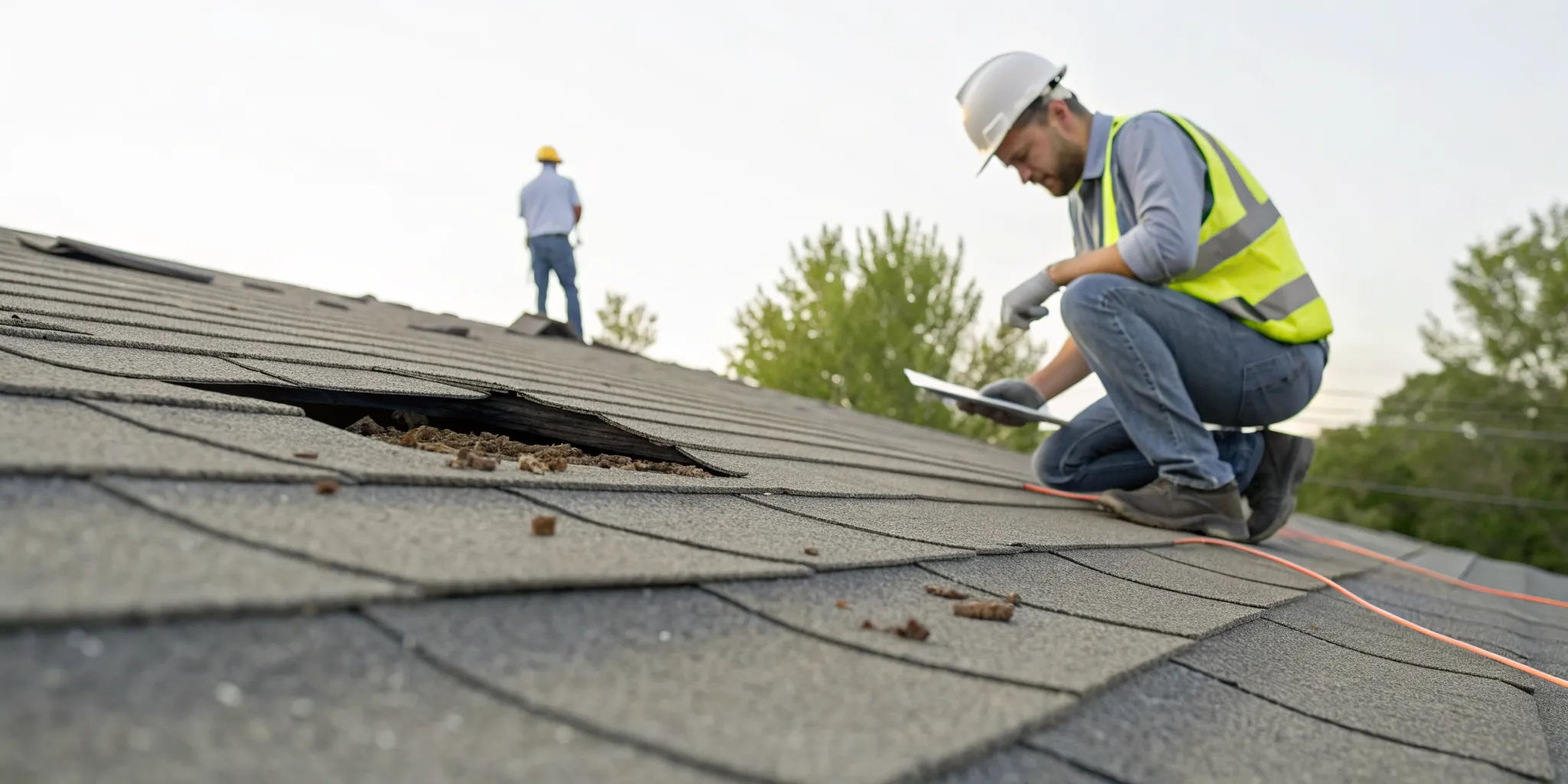
Cost to Fix Wind Damaged Shingles: What to Expect
Wind damage isn’t always as dramatic as a fallen tree branch. More often, it’s the subtle, creeping damage: a lifted shingle, a hidden crease, or granules scrubbed away by relentless gusts. These small issues can lead to big problems like leaks and structural damage if left unaddressed. Once you spot the signs, the immediate concern becomes the repair bill. The cost to fix wind damaged roof shingles is a critical piece of information for any homeowner facing this situation. In this post, we’ll walk through the typical price ranges for minor, moderate, and extensive repairs, explain what hidden costs to look out for, and help you understand when a simple fix is enough.
Key Takeaways
- Prioritize proactive maintenance: Scheduling an annual roof inspection helps you catch small problems like loose shingles before a storm makes them worse. A well-maintained roof also strengthens your position when filing an insurance claim.
- Look for details in your estimate: The cost of a repair depends on the extent of the damage, your roofing material, and your roof’s shape. A trustworthy estimate will be itemized, clearly listing costs for labor and materials, so you know exactly what you’re paying for.
- Repair or replace based on age and cost: A simple repair is often best for a newer roof with minor damage. However, if your roof is over 15 years old or the repair quote exceeds 25% of a full replacement cost, investing in a new roof is the smarter long-term choice.
How Wind Damages Roof Shingles
When you think of wind damage, you might picture a tree branch crashing through the roof. While that certainly happens, most wind damage is much more subtle. High winds can lift, bend, and tear at your shingles, compromising your roof’s ability to protect your home long before you see a leak in your ceiling. Understanding these specific types of damage can help you spot trouble early and know when it’s time to call for a professional roof inspection. Knowing what to look for after a windy day is the first step in keeping your roof in top shape.
Creased and Flipped Shingles
Strong winds can cause shingles to bend and flex repeatedly. This constant movement can create a crease or fold along the shingle, much like folding a piece of paper back and forth weakens it. This crease is a significant weak point that makes the shingle much more likely to tear off in the future. In other cases, the wind can lift a shingle tab so forcefully that it flips back over the shingle above it. This not only breaks the shingle’s sealant but also leaves the underlying layers of your roof exposed to rain and sun, creating a direct path for water to get in.
Torn and Missing Shingles
This is the most obvious sign of wind damage. After a storm, you might find shingles scattered across your lawn or notice bare patches on your roof. A torn shingle is one that has been partially ripped by the wind but is still attached, while a missing shingle has been blown off completely. Even a single missing shingle is a serious issue. It’s like leaving a window open during a rainstorm; it exposes the underlayment and roof deck to direct water intrusion. This can quickly lead to leaks, attic damage, and mold growth, making prompt storm damage repair essential.
Punctures From Debris
High winds don’t just bring rain; they can turn small objects into high-speed projectiles. Tree branches, twigs, and other loose debris can be picked up and slammed against your roof, causing punctures. These small holes and impact marks can be incredibly difficult to spot from the ground, but they are just as dangerous as a missing shingle. A puncture creates a breach in your roof’s protective layer, allowing water to seep underneath and into your home’s structure. This is why a thorough inspection is so important after any major wind event to ensure no hidden damage is left unaddressed.
Granule Loss and Exposed Nails
Asphalt shingles are covered in tiny mineral granules that protect them from the sun’s harsh UV rays. When wind continuously lifts and bends the shingles, it can scrub these granules off, similar to using sandpaper. You might notice this as dark patches on your roof or an accumulation of granules in your gutters. This loss of protection accelerates the aging of your shingles, making them brittle and weak. The same lifting action can also loosen and pull up the nails holding the shingles in place. An exposed nail head is a direct route for water to penetrate your roof deck, leading to slow, hidden leaks.
What Factors Affect Repair Costs?
When you’re facing a roof repair, the first question on your mind is probably, “How much is this going to cost?” The answer isn’t a simple one, because the final price depends on several key factors specific to your home and the damage it has sustained. Understanding these variables will help you make sense of any estimate you receive and feel more confident in your decisions.
The cost of fixing wind-damaged shingles is influenced by everything from the type of shingles on your roof to the complexity of its design. A straightforward repair on a standard roof will naturally cost less than a complex job on a steep, multi-gabled house. To give you a clear picture of what goes into a repair quote, let’s break down the main elements that determine the cost.
The Scope of the Damage
The extent of the wind damage is the biggest factor in your repair bill. A few cracked or missing shingles are a relatively quick and inexpensive fix. This type of minor repair might only cost a few hundred dollars. However, if the wind caused widespread damage, such as tearing off a large section of shingles and exposing the underlayment to water, you’re looking at a much more significant project. Major repairs that involve addressing structural issues or serious water damage can run into the thousands. A thorough roof inspection is the only way to know the true scope of the problem.
Your Roofing Material
The material your roof is made of plays a huge role in repair costs. Common materials like asphalt shingles are generally the most affordable to repair because the shingles themselves are inexpensive and most roofers are familiar with them. On the other hand, materials like metal, slate, or tile are more expensive. Not only do the materials cost more, but they also require specialized skills to repair correctly. If you have a premium roofing material, you can expect the repair costs to be higher to match the initial investment you made in your roof.
Your Roof’s Size and Shape
The size and complexity of your roof directly impact labor costs. A small, low-slope roof is much easier and safer for a crew to work on than a large, steep roof with multiple peaks, valleys, and dormers. Complex roof designs require more time for setup, more safety precautions, and more intricate work to cut and fit materials around angles. All of this adds up to more labor hours, which will be reflected in your final bill. You can see examples of different roof shapes to get a better idea of how complexity varies.
Local Labor Costs
Where you live matters when it comes to repair costs. Labor rates for skilled roofers vary based on the local economy and cost of living. In Southern California, for example, costs may be different than in other parts of the country. Demand also plays a part. After a major windstorm hits an area, the demand for qualified roofers shoots up, which can temporarily increase prices. It’s always best to work with a licensed, local company that understands the market and building codes in your specific service area.
Urgency of the Repair
If you have water pouring into your living room, you need help immediately. Emergency repairs that require a roofer to come out right away, possibly after hours or on a weekend, will almost always cost more. This premium covers the crew’s immediate dispatch and the need to reshuffle their schedule. If the damage is not an active emergency, you can often save money by scheduling the repair during regular business hours. Planning ahead for non-urgent roofing services is a great way to keep costs manageable.
How Much Does Wind Damage Repair Cost?
Figuring out the cost to repair wind damage can feel a bit like a guessing game, but it doesn’t have to be. The final price tag depends on several factors, like the extent of the damage and your roofing material. While these numbers are a helpful starting point, remember that a professional inspection is the only way to get a precise quote for your specific situation. Think of this as a guide to help you understand what to expect when you start gathering estimates for your home.
Minor Repairs: A Quick Fix
If you’re dealing with a few cracked, creased, or missing shingles, you’re likely looking at a minor repair. These small fixes are crucial for preventing bigger issues like leaks down the road, especially after a strong Santa Ana wind event. For this type of work, you can generally expect to pay between $150 and $1,500. Most homeowners find that a simple repair, like replacing a handful of shingles that blew off in a storm, lands somewhere around the $350 mark. It’s a relatively small investment that protects the overall health of your roof and prevents a small problem from turning into a costly headache. Acting fast on these minor issues is one of the smartest things you can do for your home.
Moderate Damage: A Bigger Project
When the wind has done more than just lift a few shingles, you’ve moved into the moderate damage category. This could mean patching small holes left by flying debris, replacing several sections of shingles, or fixing damage to flashing around chimneys and vents. The costs for these repairs typically range from $600 to $3,000. The price increases because the job requires more materials and more time from the roofing crew to ensure everything is sealed correctly. Addressing moderate damage quickly is key to preventing water from seeping into your home’s structure, which can lead to wood rot, mold, and other complicated problems that are much more expensive to fix.
Extensive Damage: Major Repairs
Extensive damage is serious and often involves more than just your shingles. You might be dealing with significant water damage that has reached the underlying roof deck, a sagging roofline, or even structural issues. For these major repairs, costs can climb, usually falling between $1,500 and $7,000. If you need emergency service after a major storm, you should also plan for an additional charge of $300 to $1,500 for the urgent response. This level of damage requires immediate attention from a professional roofing services team to secure your home and prevent further harm. It’s a situation where safety and structural integrity are the top priorities.
Hidden Costs to Consider
One of the trickiest parts of estimating roof repair costs is accounting for what you can’t see. A few missing shingles might seem like a simple fix, but they could be hiding deeper issues. Water may have seeped underneath, quietly damaging the wooden decking, underlayment, or insulation. These problems aren’t visible from the ground and can turn a small repair into a much larger project. This is why a thorough roof inspection is so important. A qualified inspector can identify water stains in the attic, soft spots on the roof deck, and other signs of hidden damage, giving you a truly accurate picture of the repair costs before the work begins.
Will Homeowners Insurance Cover Wind Damage?
After a storm, looking at your damaged roof and thinking about insurance can feel overwhelming. The good news is that you don’t have to figure it out alone. Most standard homeowners insurance policies do cover wind damage, but the details can get a little tricky. Understanding your coverage is the first step toward getting your roof, and your life, back to normal.
Let’s walk through what you can generally expect from your insurance policy, what you need to know before you call your agent, and how the condition of your roof plays a role in the whole process. This will help you feel more prepared to handle the claims process and make informed decisions about your repairs.
What Your Policy Typically Covers
In most cases, your homeowners insurance policy has your back when it comes to wind damage. This coverage typically applies to damage from various types of storms, including the strong gusts we see in Southern California, as well as more severe weather like thunderstorms and hailstorms. Whether it’s a few shingles that have been torn off or more significant structural damage from a fallen tree branch, your policy is designed to help with the cost of storm damage repair. Of course, every policy is different, so it’s always best to confirm the specifics with your insurance provider.
Know Your Deductible and Limits
Before your insurance company pays for repairs, you’ll need to cover your deductible. This is the fixed amount you pay out of pocket for a claim. For example, if your deductible is $1,000 and the repair costs $5,000, you’ll pay the first $1,000, and your insurer will cover the remaining $4,000. It’s also important to understand your coverage limits, which is the maximum amount your policy will pay for a claim. Take a few minutes to review your policy documents to find these details. Knowing your deductible and limits ahead of time helps you budget for repairs and avoids any surprises down the road.
Filing a Claim: What You’ll Need
When you’re ready to file a claim, being prepared can make the process much smoother. First, safely document the damage by taking clear photos and videos from the ground. Avoid climbing on the roof yourself. Next, contact a professional for a thorough roof inspection and a detailed written estimate for the repairs. This professional assessment gives your insurance company the information they need to process your claim accurately. Once you have this documentation, contact your insurance agent as soon as possible to get the process started. They will guide you through the next steps.
How Your Roof’s Condition Affects Your Claim
Your insurance company will consider the overall condition of your roof before the storm hit. If your roof was old, poorly maintained, or had pre-existing issues, your insurer might argue that the wind damage was made worse by these factors. This could lead to a reduced payout or even a denied claim. This is why regular roof maintenance is so important. It not only extends the life of your roof but also ensures you get the full benefit of your insurance coverage when you need it most. A well-maintained roof is one of your best defenses against both storms and insurance headaches.
Should You DIY or Hire a Pro for Shingle Repairs?
When you spot a few damaged shingles, your first thought might be to grab a ladder and fix it yourself. A quick trip to the hardware store seems much cheaper than calling a professional, right? While the temptation to save money is understandable, it’s important to weigh the potential savings against the very real risks. Deciding between a DIY fix and hiring a pro comes down to more than just the initial cost; it’s about ensuring a safe, effective, and lasting repair that protects your home.
The Risks of a DIY Repair
Climbing onto your roof is inherently dangerous. Without the proper safety equipment and training, you risk serious injury from a fall. Beyond personal safety, an improper repair can cause more harm than good. You might fix one shingle incorrectly, creating a new entry point for water that leads to leaks and costly interior damage down the road. Many homeowners also don’t realize that DIY work can void their roof’s warranty, leaving them unprotected if larger issues arise. A professional roofing service eliminates these risks, ensuring the job is done safely and correctly without jeopardizing your warranty.
The Benefits of Hiring a Pro
Hiring a professional roofer provides peace of mind that the job will be done right. Experts can quickly identify the full extent of the wind damage, including issues you might not see, and perform a durable repair. They have the right tools, high-quality materials, and the experience to handle the work efficiently. Professionals are also insured, which protects you from any liability in case of an accident on your property. While a professional repair has an upfront cost, it often comes with a workmanship guarantee. This means you’re investing in a long-term solution, not a temporary patch that could fail in the next storm.
DIY vs. Pro: Making the Right Choice
So, how do you decide? If you have roofing experience, are comfortable with heights, and are only dealing with one or two easily accessible damaged shingles on a low-slope roof, a DIY repair might be feasible. In this case, your main cost is just the materials. However, for most situations, calling a professional is the smarter choice. You should always hire a pro if the damage is widespread, your roof is steep, or you’re unsure about the source of the problem. For any significant repair, it’s a good idea to get two or three estimates to ensure you’re receiving a fair price for a quality job.
How to Get an Accurate Repair Estimate
After discovering wind damage, getting a clear and accurate estimate is the most important step toward a solution. A good estimate isn’t just about the final price; it’s a detailed plan that outlines the scope of work, materials, and labor. This transparency helps you compare offers fairly and choose a contractor you can trust. Taking the time to gather the right information gives you confidence that you’re making a sound investment in your home’s safety and longevity.
Get Multiple Quotes
When facing a roof repair, it’s smart to get a few different opinions. For any significant project, aim for at least two or three written estimates from reputable local roofers. This isn’t just about finding the lowest price. Comparing quotes helps you understand the market rate and see how different companies approach the problem. This empowers you to ask informed questions and choose a partner who offers the best long-term solution, not just the quickest fix. You can request a detailed estimate to see what a comprehensive proposal looks like.
What to Look For in an Estimate
A professional estimate should be more than just a number. Look for a detailed, itemized breakdown that lists costs for materials, labor, and any other fees, like permit pulling or debris disposal. The document should specify the exact materials to be used, outline the scope of work, and provide a timeline. A reputable company will have a strong local presence and positive reviews. Before requesting a quote, it’s a good idea to check a company’s credentials and see the quality of their previous roofing services.
Spotting Red Flags in an Estimate
While it’s tempting to go with the lowest offer, an unusually low bid can be a major red flag. If an estimate seems too good to be true, it probably is. Cheap quotes often signal subpar materials or inexperienced labor, leading to faulty repairs that cost you more later. Be wary of vague estimates that don’t itemize costs. High-pressure tactics, demands for a large upfront cash payment, or a lack of warranty information are also signs to walk away. A professional roof inspection should be thorough, and the resulting estimate should reflect that detail and care.
When Is It Time to Replace vs. Repair?
After a storm rolls through, the big question is often whether a simple patch-up will do or if it’s time for a whole new roof. Deciding between a repair and a full replacement can feel overwhelming, but the answer usually comes down to a couple of key factors: your roof’s age and the true extent of the damage. Thinking about these two things will help you make a smart, cost-effective decision for your home.
Consider Your Roof’s Age
Like a trusty old car, your roof eventually reaches a point where constant repairs just don’t make financial sense anymore. A roof’s age is one of the clearest indicators of whether you should repair or replace it. If your roof is less than 10 years old and has isolated wind damage, a repair is usually the most practical choice. However, if your roof is pushing 15 or 20 years old, putting money into repairs can be like putting a bandage on a much larger problem. An older roof that needs frequent fixes is telling you it’s nearing the end of its life, and a full replacement is likely the better long-term investment.
Signs You Need a Full Replacement
Sometimes, the damage is just too widespread for a simple repair to be effective. A key rule of thumb is the 25% rule: if the cost to repair the damage is more than a quarter of the cost of a full replacement, it’s time for a new roof. Beyond cost, look for tell-tale signs like shingles that are curling, buckling, or shedding their protective granules across large areas. If you’re seeing these issues on top of the recent wind damage, a replacement is your best bet. A professional roof inspection is the surest way to get a clear picture of your roof’s health and make an informed decision.
How to Prevent Future Wind Damage
After dealing with the stress and cost of wind damage, the last thing you want is a repeat performance. The good news is you can take proactive steps to strengthen your roof against future storms. Being prepared doesn’t just give you peace of mind; it’s a smart financial move that protects your home’s value. Think of it as an investment in your property’s resilience. A little bit of prevention now can save you from major headaches and expensive repairs later. It’s about shifting from a reactive mindset (fixing problems as they happen) to a proactive one (stopping them before they start).
The best defense is a good offense. This means staying on top of your roof’s condition and making smart choices about the materials that protect your home. By focusing on regular maintenance and using high-quality, wind-resistant products, you can significantly reduce the risk of shingles being torn off or damaged when the wind picks up. A professional can guide you through the best roofing services and material options for your home and local climate, ensuring your roof is as sturdy as possible. These preventative measures are the most effective way to keep your home safe and avoid another costly repair bill. Taking action now helps your roof stand strong, season after season, so you can worry less every time the weather forecast looks a little wild.
Schedule Regular Inspections
Don’t skip annual inspections. It’s one of the simplest yet most effective ways to protect your roof. These regular check-ups can catch small issues, like a few loose or cracked shingles, before they turn into major, costly repairs during the next big storm. A trained professional knows exactly what to look for, from subtle signs of wear to potential weak spots in your flashing or sealant. Getting a yearly roof inspection gives you a clear picture of your roof’s health and allows you to address minor problems on your own terms, not in the middle of a downpour. It’s a small investment that pays off big in durability and security.
Choose Wind-Resistant Materials
When it’s time for a repair or a full roof replacement, the materials you choose matter. Not all shingles are created equal when it comes to standing up to high winds. Some asphalt shingles are rated to withstand gusts up to 150 miles per hour, offering superior protection. Manufacturer warranties often reflect this; lifetime shingles might be covered for winds up to 130 mph, while standard shingles might only be covered for winds up to 60 mph. Investing in better materials is an upfront cost that can prevent future damage and save you money in the long run. A professional can help you select the right materials as part of their roofing services.
Related Articles
- How to Handle Roof Repair for Storm and Wind Damage
- How Long Do Asphalt Shingle Roofs Last? 4 Key Factors
- Roof Inspection for Homeowners Insurance: What to Expect
Frequently Asked Questions
I only see one missing shingle. Do I really need to call a professional? Yes, you absolutely should. Think of that one missing shingle as a hole in your home’s armor. It exposes the underlayment and roof deck to direct sunlight and rain, creating a pathway for water to seep in. A small, hidden leak can lead to significant problems like wood rot, damaged insulation, and mold growth inside your attic and walls, which are far more expensive to fix than a single shingle.
How can I tell if my roof has wind damage without climbing on it? You can spot many signs of wind damage safely from the ground. After a storm, walk around your property and look for any shingles that have fallen into your yard. You can also use binoculars to scan your roof for shingles that look lifted, curled, or creased. Another key indicator is finding a large amount of black, sand-like granules in your gutters or on the ground near your downspouts. While these clues are helpful, a professional inspection is the only way to identify hidden issues like punctures or loose nails.
My roof is over 15 years old. Should I repair the wind damage or just replace the whole thing? This is a great question, and it often comes down to cost-effectiveness. If your older roof has widespread damage or is already showing signs of aging like extensive granule loss or curling shingles, putting money into a repair can be a short-term fix for a long-term problem. A full replacement is often the smarter investment, as it provides a comprehensive solution and a fresh start. A professional inspection can give you a clear comparison of repair versus replacement costs to help you decide.
What’s the first thing I should do after a storm to start the insurance claim process? Your first step is to document the damage safely. Take clear photos of any visible issues from the ground, like missing shingles or debris on your roof. Do not climb on the roof yourself. Next, contact a reputable roofing company for a thorough inspection and a detailed written estimate. This professional report provides the crucial evidence and cost breakdown your insurance company will need to process your claim efficiently.
Why can’t I just fix a few shingles myself? While a DIY fix might seem like a way to save money, it comes with serious risks. Working on a roof is dangerous without proper safety gear and experience. More importantly, an incorrect repair can easily make the problem worse. If a shingle isn’t sealed properly, it can trap water or create a new leak. Many roofing warranties can also be voided by DIY work, leaving you unprotected if a larger issue develops later. Hiring a professional ensures the job is done safely, correctly, and is often backed by a workmanship guarantee.

Comment (0)