
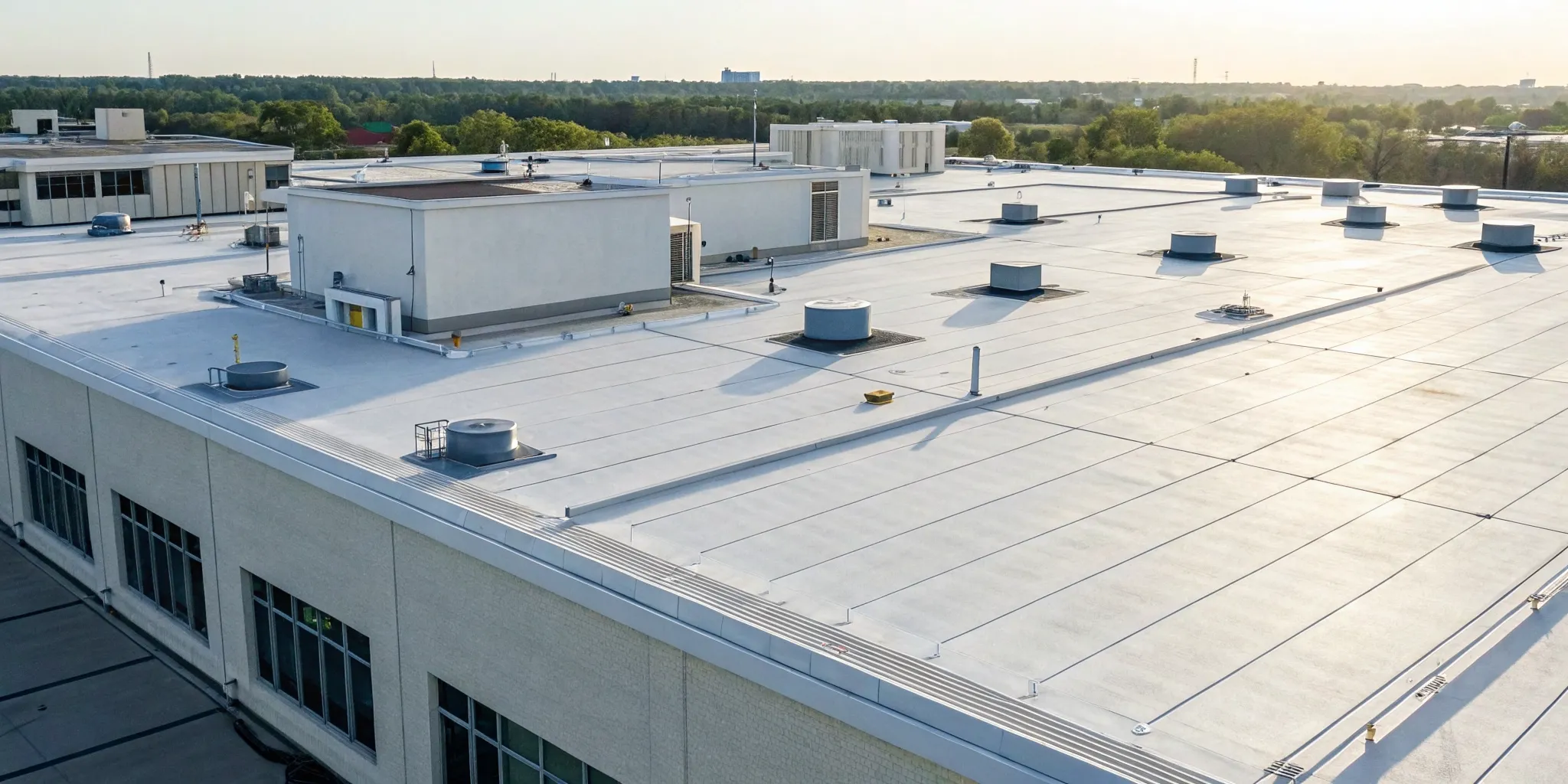
5 Common Flat Roof Problems & How to Fix Them
It’s easy to adopt an “out of sight, out of mind” attitude toward your roof, but a small issue left unchecked can quickly become a major liability. With flat roofs, the stakes are even higher. A clogged drain or a minor tear in the membrane doesn’t just stay a small problem; it can lead to pooling water, which adds immense weight and stress to your building’s structure. This moisture can then seep into your property, causing hidden damage to insulation, ceilings, and walls. Understanding the most common flat roof problems is crucial for preventing this domino effect. This article will show you what to watch for so you can address issues while they’re still manageable.
Key Takeaways
- Proactive maintenance is your best defense: The most common flat roof problems, like leaks caused by standing water, are often preventable. Simple actions like clearing away leaves and ensuring drains are unobstructed will significantly extend the life of your roof.
- Look for clues inside and out: You can catch issues early by watching for exterior warning signs like surface cracks, bubbles, or lingering puddles. Also, pay attention to interior signals like ceiling stains or musty smells, which often indicate a hidden leak.
- Don’t underestimate professional inspections: Many serious roof problems begin with poor installation or subtle wear and tear you might not notice. A regular maintenance plan with a certified professional ensures issues are caught and fixed correctly before they become expensive structural damage.
Common Flat Roof Problems to Watch For
Flat roofs offer a sleek, modern look and can even provide extra outdoor space. But their design also makes them prone to specific issues that you won’t typically find with sloped roofs. Being aware of these common problems is the first step in protecting your property. If you know what to look for, you can catch minor issues before they escalate into costly repairs. Let’s walk through the top five things to keep an eye on with your flat roof.
Lingering Puddles and Poor Drainage
One of the most frequent issues with flat roofs is “ponding,” which is just a technical term for standing water that doesn’t drain away after it rains. While a few small puddles that dry up quickly are normal, large pools of water that stick around for more than 48 hours are a red flag. The extra weight puts a lot of stress on your roof’s structure, and the constant moisture can speed up the breakdown of roofing materials. This often points to a problem with the roof’s slope or a blockage in the drainage system. A professional roof inspection can pinpoint the cause and prevent long-term damage.
Cracks, Tears, and Punctures
Unlike sloped roofs that shed debris easily, flat roofs can collect branches, rocks, or other sharp objects that can puncture the surface. Foot traffic from maintenance work can also cause tears or cracks in the roof membrane. Even a tiny puncture can be a big problem, creating a direct path for water to seep into your building’s structure. These small leaks can lead to stained ceilings, damaged insulation, and even mold growth if they aren’t addressed. Catching and sealing these openings early is key to keeping your property dry and secure.
Blisters and Bubbles on the Surface
Have you ever noticed bubbles or blisters forming on your roof’s surface? This happens when air or moisture gets trapped between the layers of the roofing material. The sun’s heat causes the trapped pocket to expand, stretching the membrane and creating a bubble. While a small blister might not seem like a big deal, it weakens that area of the roof. Over time, it can pop and create a hole. You might also see a pattern of cracks that looks like alligator skin, which is another sign that the sun has started to degrade the material, making it brittle and vulnerable.
Worn-Out or Damaged Flashing
Flashing is the material that seals the seams and joints on your roof, particularly around things like vents, skylights, and chimneys. It’s also used along the roof’s edges. When flashing is old, improperly installed, or damaged, it can pull away from the roof, creating gaps where water can easily get in. Since these are some of the most vulnerable points on your roof, failed flashing is a leading cause of leaks. Regular checks of these areas are essential for any roof maintenance plan to ensure everything stays watertight.
Damage from Sun and Weather
Here in Southern California, our roofs are constantly exposed to intense sunlight. Over time, harsh UV rays can break down the roofing materials, causing them to become brittle and crack. The constant cycle of heating up during the day and cooling down at night also makes the materials expand and contract, which can put a lot of stress on the seams. This gradual wear and tear is unavoidable, but choosing high-quality materials and performing regular maintenance can significantly extend the life of your roof and protect it from the elements.
Why Do Flat Roofs Have Problems?
Flat roofs have a sleek, modern appeal and can even provide extra outdoor living space. But their design, a departure from the traditional sloped roof, comes with a unique set of challenges. Unlike a pitched roof that uses gravity to shed water quickly, a flat roof has to manage water, sun, and stress in a completely different way. When problems arise, they can almost always be traced back to one of a few key culprits. Understanding these common sources of trouble is the first step in keeping your roof in top condition for years to come.
Most issues aren’t random; they’re the result of specific circumstances, from the day the roof was installed to how it’s cared for over its lifetime. A small oversight during installation can create a weak point that only becomes obvious after the first big rainstorm. The constant exposure to Southern California’s sun can slowly break down roofing materials. And just like anything else, a roof simply gets older and wears down. The good news is that with professional roofing services and a little proactive attention, you can address these vulnerabilities before they turn into costly headaches.
Faulty Installation or Design
Many flat roof issues can be traced right back to the beginning: an improper installation. A flat roof isn’t truly flat; it needs a subtle, carefully calculated slope to guide water toward drains or scuppers. If this slope is wrong, or if the structure settles, you get standing water, which is a roof’s worst enemy. Beyond drainage, the seams where roofing material is joined are critical weak points. If they aren’t sealed perfectly, they create an open invitation for leaks. Choosing an experienced, certified team for the initial installation is the single most important thing you can do to prevent future problems. It ensures every detail, from the slope to the seals, is handled correctly from day one.
Exposure to the Elements
Your roof is your property’s first line of defense against the weather, and flat roofs bear the full brunt of it. Here in Southern California, the relentless sun is a major factor. UV rays can cause roofing materials to become brittle and crack over time. The heat also causes the roof to expand and contract daily, which puts stress on seams and flashing. While we don’t get constant rain, when it does come, it can pool on the surface if drainage isn’t perfect. This constant cycle of sun, heat, and occasional moisture works to break down even the most durable roofing materials, making regular inspections essential for catching wear before it becomes a full-blown leak.
Natural Wear and Tear Over Time
Even the highest-quality, most perfectly installed roof has a finite lifespan. Over the years, materials naturally degrade. Adhesives can lose their strength, membranes can shrink and pull away from the edges, and the surface can become worn and thin. This is simply the natural aging process for any building material that lives outdoors. Think of it like the tires on your car; they are designed to be tough, but eventually, they wear out and need to be replaced. The key is to catch this gradual decline before it leads to a sudden failure. A professional roof inspection can identify signs of aging and help you plan for repairs or replacement.
Lack of Regular Maintenance
Ignoring your flat roof is one of the fastest ways to shorten its life. Debris like leaves, dirt, and branches can pile up, clogging drains and holding moisture against the roof’s surface. This can lead to ponding water and accelerate the breakdown of roofing materials. Small punctures or cracks that would be a simple fix can grow into major leaks if they aren’t caught early. A consistent roof maintenance plan is not an expense; it’s an investment. Regularly clearing debris, checking for damage, and ensuring drains are clear can prevent the vast majority of premature flat roof failures and save you from much larger repair bills down the road.
How to Spot Flat Roof Damage Early
Catching roof problems early is the best way to prevent a small issue from turning into a major headache. You don’t need to be a roofing expert to notice that something is off. By keeping an eye out for a few key signs, both outside and inside your property, you can take action before serious damage occurs. Regular checks, especially after heavy rain or wind, can save you a lot of stress and money down the line. Think of it as a quick health checkup for your roof.
Warning Signs on the Outside
Your roof’s exterior is your first line of defense, so it’s the first place to look for trouble. One of the most common red flags is “ponding,” which is just a term for puddles of water that don’t drain away after 48 hours. This indicates a drainage problem that can stress your roof. Also, look for debris like leaves, branches, and dirt piling up, as this can clog drains and trap moisture. Finally, take a safe look from the ground for any visible cracks, tears, or bubbles on the roof’s surface. These are clear signs that the membrane is compromised.
Telltale Signs on the Inside
Sometimes, the first clue that your flat roof needs attention appears inside your home or building. Have you noticed any new water stains on your ceilings or running down your walls? That’s a classic sign of a leak. Peeling or bubbling paint is another indicator that moisture is getting in where it shouldn’t. Don’t ignore a persistent musty smell, either. It often points to hidden mold or mildew growing due to a slow, undetected leak. These internal signs are your roof’s way of telling you it needs help, so it’s important to listen.
Knowing When to Call a Pro
While identifying these warning signs is a great first step, diagnosing and fixing the root cause is a job for an expert. If you spot any of the issues mentioned above, it’s time to call for a professional roof inspection. A trained inspector can safely assess the condition of your roof, pinpoint the exact source of the problem, and recommend the right course of action. Trying to handle repairs yourself can be dangerous and may even worsen the damage. A professional evaluation gives you peace of mind and a clear plan to protect your property.
The Risks of Ignoring Flat Roof Damage
It’s easy to put roof problems on the back burner, especially when they seem small. But with flat roofs, a minor issue can quickly spiral into a major headache. Ignoring damage doesn’t just lead to bigger repair bills; it can compromise the safety and structure of your entire property. Let’s look at what’s really at stake when you delay flat roof repairs.
Potential for Water and Structural Damage
Flat roofs have a reputation for leaks, and for good reason. If your roof’s drainage system isn’t working perfectly, rainwater can collect in puddles. This is often called “ponding water,” and it’s one of the most common problems flat roofs face. That standing water adds a lot of weight and will eventually find its way through the smallest cracks or seams. What starts as a tiny drip can lead to serious water damage inside your home or business, staining ceilings and walls. Over time, this moisture can weaken the building’s structural components, creating a much more dangerous and expensive problem to fix.
How Minor Issues Turn into Major Costs
Procrastinating on roof repairs is a surefire way to watch a small expense turn into a huge one. The single biggest reason flat roofs fail before their time is a lack of consistent care. Taking care of your roof with regular roof maintenance is the best way to extend its life. Think of it this way: patching a small tear might cost a few hundred dollars, but replacing an entire section of rotted roof deck and repairing a water-damaged interior could run into the thousands. By catching and fixing problems when they’re small, you save yourself a lot of money and stress down the road.
Keeping Your Property Safe
Ultimately, a well-maintained roof is about keeping your property and everyone in it safe. A compromised roof is more than just an inconvenience; it’s a serious hazard. Regular professional inspections are the key to catching issues like membrane damage, leaks, or structural shifts before they become critical. If you’ve noticed persistent leaks, visible damage, or any other warning signs, don’t wait for the problem to get worse. A professional roof inspection can give you a clear picture of your roof’s health and help you create a plan to keep it in top shape for years to come.
Your Guide to Preventing Flat Roof Problems
The best way to deal with flat roof problems is to stop them before they start. A proactive approach not only saves you from the stress of unexpected leaks and damage but also helps your roof last as long as possible. Think of it like regular check-ups for your car; a little maintenance now prevents a major breakdown later. By staying on top of a few key tasks, you can keep your roof in excellent shape and protect your property.
Most of these preventative steps are straightforward, but they make a huge difference. From keeping the surface clear to ensuring water can drain away properly, these habits will become your first line of defense against common issues. Let’s walk through the essential strategies for maintaining a healthy, long-lasting flat roof.
Clear Away Debris Regularly
It might seem simple, but keeping your roof clean is one of the most effective things you can do. Leaves, twigs, dirt, and other debris can pile up, especially after a windy day or a storm. When this happens, the debris acts like a sponge, trapping moisture against your roof’s surface. Worse, it can clog your drains and scuppers, which leads to standing water. Over time, this constant moisture can degrade the roofing material and create the perfect conditions for a leak. Get into the habit of checking your roof a few times a year and clearing away anything that has accumulated.
Keep Your Drainage System Working
Because flat roofs have a very slight slope, they rely entirely on a functional drainage system to get rid of rainwater. If your drains, scuppers, or gutters are blocked, that water has nowhere to go. This leads to ponding, where puddles of water sit on your roof for extended periods. The weight of this standing water can stress your building’s structure, and the constant exposure to moisture can rapidly wear down your roof’s membrane. Make it a point to inspect your drainage system regularly, especially before the rainy season hits. A quick check can prevent a major headache. If you suspect a blockage you can’t clear, a professional roof inspection can identify and resolve the issue.
Protect High-Traffic Areas
Some flat roofs see more action than others, especially if they house HVAC units, solar panels, or a rooftop deck. Regular foot traffic can cause wear and tear on the roof’s surface, leading to scuffs, abrasions, and even punctures over time. If people need to walk on your roof to perform maintenance or for recreation, it’s a good idea to create designated paths. You can install protective walkway pads or mats in these high-traffic zones. This simple step helps distribute the weight and protects the roofing membrane from direct impact, preserving its integrity for years to come.
Stick to a Professional Maintenance Plan
While your own visual checks are important, nothing beats the trained eye of a professional. Scheduling a roof maintenance check-up at least once or twice a year is one of the smartest investments you can make for your property. A roofing expert can spot subtle signs of trouble you might miss, like failing seams, early-stage blistering, or hidden damage to the flashing. Catching these issues early turns a potential disaster into a minor, affordable repair. A professional maintenance plan gives you peace of mind, knowing your roof is in the best possible condition to handle whatever the weather throws at it.
Don’t Fall for These Flat Roof Myths
There’s a common myth that all flat roofs are destined to leak. This simply isn’t true. Most major flat roof failures are not due to the design itself but to poor installation or a complete lack of maintenance. A modern flat roof, when installed correctly by a qualified team using high-quality materials, is an incredibly durable and effective roofing system. Don’t let outdated ideas cause you to worry unnecessarily. With the right care and professional support, your flat roof can provide reliable protection for decades. The key is working with a company you can trust to do the job right from the start.
Related Articles
- 6 Types of Commercial Flat Roofing Explained
- The 4 Main Types of Commercial Roofing Systems
- 10 Warning Signs of a Roof Leak You Should Never Ignore
- Roof Repair
Frequently Asked Questions
How often should I have my flat roof professionally inspected? For most properties here in Southern California, a professional inspection once a year is a great rule of thumb. This allows an expert to catch any potential issues caused by our intense sun exposure before they become serious. If your area has experienced a major storm with high winds or heavy rain, it’s also a good idea to schedule an inspection to check for any new damage.
Is a little bit of standing water on my roof a big deal? Small puddles that dry up within 24 to 48 hours after a rainstorm are generally not a cause for alarm. However, if you notice pools of water that stick around for longer than two days, it’s a clear sign of a drainage problem. That standing water puts a lot of stress on your roof’s structure and can speed up the breakdown of materials, so it’s definitely something you’ll want a professional to look at.
Can I just patch a small tear or bubble on my roof myself? While it can be tempting to try a quick DIY fix, it’s often not the best long-term solution. Using the wrong sealant can sometimes trap moisture or react poorly with your roofing material, making the problem worse. A professional can not only ensure the repair is done correctly with the right materials but also identify why the tear or bubble happened in the first place, preventing it from happening again.
My flat roof is getting older. How do I know if it needs a simple repair or a full replacement? This really depends on the overall condition of your roof. If you have one or two isolated issues, like a single cracked seam or a small area of damage, a repair is often all you need. But if you’re seeing widespread problems like extensive blistering, multiple active leaks, or materials that are visibly brittle and cracked all over, it might be more cost-effective to consider a replacement. A thorough inspection is the best way to get a clear answer.
Is a regular maintenance plan really worth the investment? Absolutely. Think of it as preventative care for one of your property’s most important assets. The cost of a yearly maintenance visit is very small compared to the expense of repairing major water damage or replacing a roof that failed prematurely. A maintenance plan is designed to catch small issues when they are simple and affordable to fix, saving you from much larger and more stressful problems down the road.
Comment (0)