A Guide to Commercial Roofing Material Options
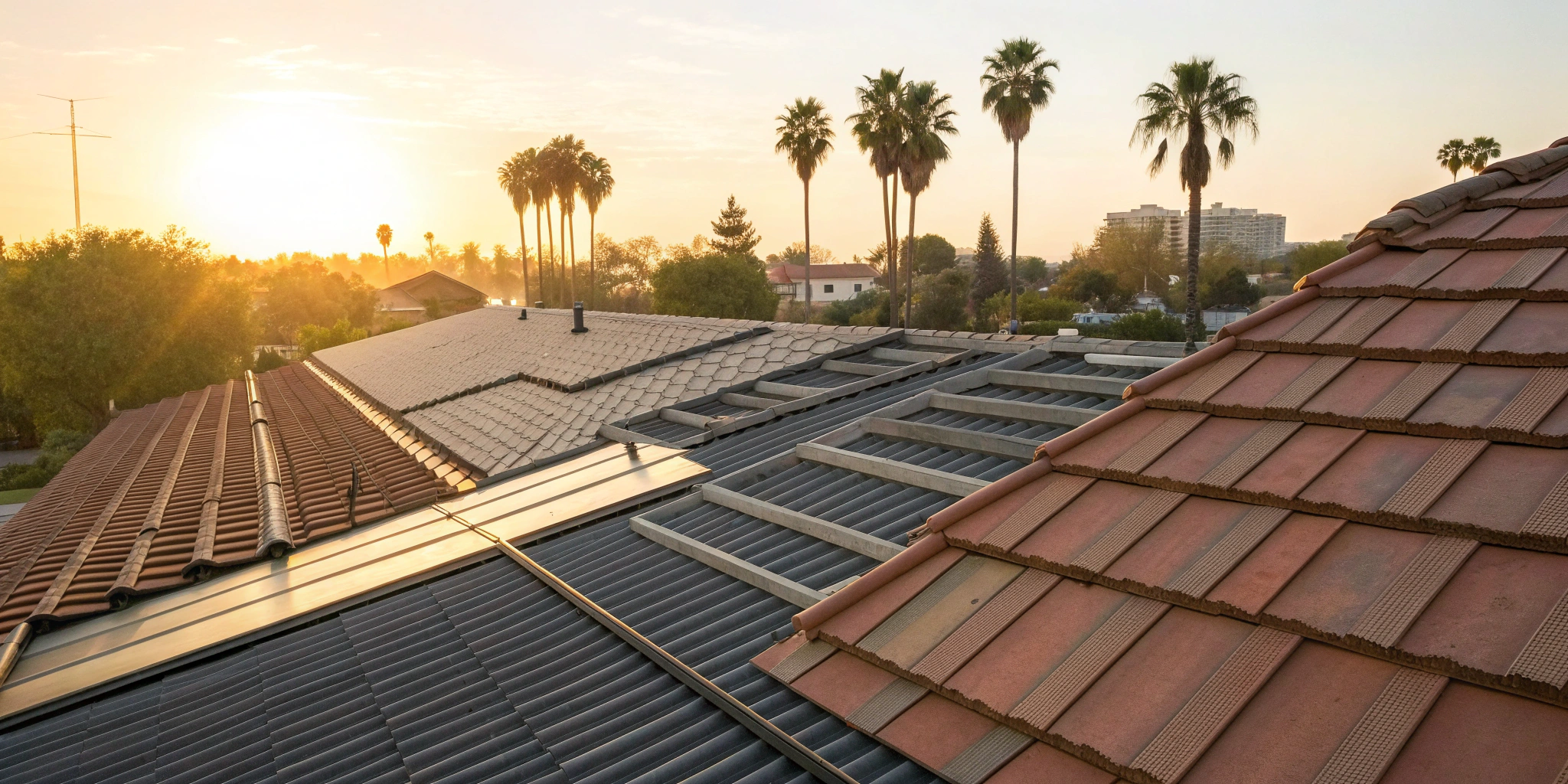
Here in Southern California, a commercial roof has to work overtime. It’s not just about keeping the rain out during the winter; it’s about battling relentless sun and UV exposure year-round. This is where your choice of commercial roofing material becomes a strategic business decision. The right material can significantly lower your cooling costs by reflecting heat, while the wrong one can degrade quickly under the constant sun, leading to premature failure and costly repairs. We’ll explore the options best suited for our climate, from energy-efficient “cool roofs” like TPO to durable systems built to last. This guide will help you choose a roof that protects your property and your budget.
Key Takeaways
- Balance Cost with Long-Term Performance: The right material for your property goes beyond the initial price. Consider factors like durability, energy efficiency for the Southern California climate, and your building’s specific needs to make a smart, lasting investment.
- Make Proactive Maintenance a Priority: Don’t wait for a leak to act. A consistent schedule of professional inspections, clear drainage, and prompt repairs is the most effective way to protect your investment and extend your roof’s lifespan.
- Prioritize a Qualified Installer: The best materials can fail with a poor installation. Ensure your contractor is certified, insured, and experienced to guarantee quality workmanship, protect your warranty, and secure your property for the long term.
What Are Commercial Roofing Materials?
If you own or manage a commercial property, you know the roof is one of your most critical assets. It’s not just a cover; it’s the first line of defense for everything inside. Unlike the pitched roofs you see on most houses, commercial buildings often have flat or low-slope designs that require entirely different materials and expertise. Choosing the right one can feel like a big decision because it is. The material you select will protect your inventory, equipment, and employees from the elements for decades to come, so it pays to get it right from the start.
Commercial roofing materials are specifically engineered to cover large, uninterrupted surface areas, withstand pooling water, and handle the foot traffic that comes with maintaining rooftop HVAC units and other equipment. There are many types to consider, from modern single-ply membranes like TPO and EPDM to traditional built-up systems and advanced spray-foam applications. Each option comes with its own set of benefits related to durability, energy efficiency, and overall cost. Understanding these differences is the first step toward making a smart, long-term investment in your property’s protection and value. We’ll break down the most common options to help you find the perfect fit for your building’s needs and your budget.
Key Features of Commercial Roofs
The defining feature of most commercial roofs is their flat or low-slope design. This structure is practical and cost-effective for large buildings like warehouses, retail centers, and office complexes. The primary job of any commercial roofing system is to create a seamless, watertight barrier that protects the massive space below. But its function goes beyond just keeping things dry. When selecting a material, you also have to consider factors like the building’s height, its exposure to wind, and whether the roof needs to support heavy equipment or regular foot traffic. Aesthetics can also play a role, especially for buildings where the roof is visible to the public.
Commercial vs. Residential: What’s the Difference?
While both types of roofs keep you dry, that’s where the similarities end. The biggest difference is the slope. Most residential roofs are steep, designed to shed water and snow quickly using overlapping shingles or tiles. In contrast, commercial roofs are typically flat and must handle large amounts of standing water without leaking. This requires completely different materials, like large membrane sheets sealed at the seams, rather than individual shingles. The installation techniques for these roofing services are also highly specialized, demanding specific tools and expertise to ensure a durable, waterproof seal across a vast area.
A Breakdown of Commercial Roofing Materials
Choosing the right material for your commercial roof can feel overwhelming with so many options on the market. Each one comes with its own set of benefits, costs, and ideal use cases. To make things a little clearer, let’s walk through some of the most common materials you’ll encounter. Understanding the basics will help you have a more productive conversation with your roofing professional and make a choice that protects your investment for years to come. From single-ply membranes to classic metal, here’s a breakdown of what you need to know about your commercial roofing options.
EPDM (Ethylene Propylene Diene Monomer)
Often called a “rubber roof,” EPDM is a popular and affordable choice for commercial buildings. This single-ply membrane is lightweight, which makes installation straightforward without needing extra structural support for the building. It’s known for its durability, holding up well against UV damage for up to 20 years. However, EPDM is typically black, meaning it absorbs heat and can drive up your cooling costs—a key consideration here in Southern California. It can also be more susceptible to punctures from falling debris or heavy foot traffic compared to other materials. It’s a solid, budget-friendly option, but it’s important to weigh the pros and cons for our sunny climate.
TPO (Thermoplastic Polyolefin)
TPO is another single-ply membrane that has become a go-to for commercial properties. It’s often less expensive than EPDM and comes standard in a reflective white color, which is a huge plus for energy efficiency. By reflecting sunlight instead of absorbing it, a TPO roof can help keep your building cooler and lower your energy bills. Like EPDM, it’s lightweight and can be installed in a few different ways. The main thing to be aware of with TPO is that quality can vary quite a bit between manufacturers. It’s crucial to work with a trusted installer who uses high-quality materials to ensure your roof performs as it should.
PVC (Polyvinyl Chloride)
If you’re looking for a heavy-duty, long-lasting option, PVC is worth considering. This material is known for its exceptional durability and resistance to just about everything: water, fire, wind, and even chemicals. The seams are heat-welded together, creating a watertight bond that is incredibly strong and less likely to fail than other seaming methods. This makes it a fantastic choice for flat or low-sloped roofs where water pooling can be a concern. The trade-off is that PVC is one of the more expensive options upfront. It can also become brittle and shrink over time, so professional installation is key to preventing future problems.
SPF (Spray Polyurethane Foam)
Spray Polyurethane Foam, or SPF, is a unique roofing solution that starts as a liquid and expands into a solid, seamless layer. This application method means it can easily conform to any roof shape and seal every nook and cranny, creating an excellent barrier against leaks. Its biggest selling point is its incredible insulation value, which can significantly reduce your energy costs. With proper roof maintenance and recoating every 10-15 years, an SPF roof can last for 40 years or more. The reflective top coat adds to its energy efficiency, making it a smart long-term investment for property owners focused on sustainability and lower utility bills.
Modified Bitumen
Modified Bitumen is essentially a modern evolution of traditional asphalt roofing. It’s made of asphalt reinforced with polymers, creating a multi-layered system that’s tough and resilient. Designed for low-slope or flat roofs, these layers work together to provide excellent protection against leaks, tears, and heat. It’s been a reliable choice for commercial buildings for decades, offering a good balance of performance and cost. The surface can be granulated to add UV protection and reflectivity, which helps it stand up to the California sun. It’s a durable, time-tested material that provides peace of mind for many property owners.
Built-Up Roofing (BUR)
Often called “tar and gravel” roofing, Built-Up Roofing is one of the oldest and most trusted systems for flat roofs. It’s constructed on-site by layering asphalt or tar with reinforcing fabric sheets, then topped with a layer of gravel or other aggregate. This multi-layer construction makes it incredibly robust, offering fantastic resistance to punctures, fire, and temperature changes. While the installation process can be messy and labor-intensive, the result is a thick, durable roof that can last for decades. It’s a true workhorse of the commercial roofing world and remains a popular choice for its sheer toughness and reliability.
Metal Roofing
Metal roofing brings a combination of strength, longevity, and modern aesthetics to commercial buildings. Materials like steel, aluminum, or copper can be used to create systems that are exceptionally resistant to wind, fire, and impact. While often associated with sloped roofs, metal is also an excellent option for low-slope commercial designs. It’s incredibly durable and can last 50 years or more with minimal maintenance. Metal is also highly reflective, which helps with energy efficiency. While the upfront cost is higher than many other systems, its long lifespan and durability make it one of the best long-term investments you can make in your property’s roofing services.
Acrylic Roof Coatings
Acrylic coatings aren’t a roofing system on their own, but rather a fluid-applied layer that can restore and extend the life of an existing roof. This can be a highly cost-effective alternative to a full roof replacement. These coatings are applied over various roof types, including metal, modified bitumen, and single-ply membranes. They create a seamless, waterproof barrier that is highly reflective and resistant to UV damage. This reflectivity can drastically lower the roof’s surface temperature, leading to lower energy consumption and a more comfortable building interior. It’s a great way to improve performance and delay the expense of a new roof.
Which Material Offers the Best Value?
Choosing a new roof for your commercial property is a major decision, and getting the best value is about more than just finding the lowest price. The true value of a roof lies in its long-term performance, durability, and how well it protects your investment over time. A material that costs less upfront might lead to more frequent repairs and an earlier replacement, costing you more in the long run.
To find the best value, you need to balance the initial cost with factors like lifespan, energy efficiency, and maintenance needs. A high-quality roofing system is an asset that can save you money on energy bills and protect your building for decades. We’ll break down what to consider so you can make a confident and cost-effective choice for your property.
Upfront Cost vs. Long-Term Investment
It’s easy to focus on the initial price tag, but the smartest approach is to view your new roof as a long-term investment. The cheapest material isn’t always the most economical choice. When selecting a roof, you should also think about your building’s height, its exposure to wind, and whether the roof will experience foot traffic. The right material for a low-slope warehouse in Irvine might be different from what’s best for a multi-story office building in Santa Ana. Considering these factors helps ensure your roofing services provider installs a system that performs well for years, not just one that fits the immediate budget.
How Long Does Each Material Last?
A roof’s lifespan is one of the biggest factors in its overall value. A longer-lasting roof means you can go more years without the expense and disruption of a full replacement. For example, EPDM can last up to 20 years, while TPO offers a similar lifespan of 15–20 years. PVC is known for being incredibly strong and durable on flat or low-sloped roofs. If longevity is your top priority, Spray Polyurethane Foam (SPF) is a fantastic option, lasting 40 years or more with proper care. On the other end, asphalt-rolled roofing typically lasts about 10 years. Regular roof inspections are key to helping any material reach its maximum potential lifespan.
Saving Money with an Energy-Efficient Roof
In Southern California, an energy-efficient roof can translate into significant savings on your cooling bills. Materials with reflective surfaces, often called “cool roofs,” bounce sunlight and heat away from your building. TPO, for instance, is often white and highly reflective, which helps keep the interior cooler and reduces the strain on your HVAC system. Many other roofing systems can be finished with a reflective top coat to achieve the same energy-saving benefits. Pairing an energy-efficient material with a proactive roof maintenance plan is the best way to lower your building’s operational costs and extend the life of your roof.
How to Choose the Right Commercial Roofing Material
Selecting the right material for your commercial roof is one of the most important decisions you’ll make for your property. It’s about more than just picking a color or a price point; it’s about finding a long-term solution that protects your investment, fits your budget, and stands up to the Southern California climate. The ideal material depends on a unique mix of factors, including your building’s design, how you use the space, and local building codes. Think of it as a puzzle where every piece—from sun exposure to foot traffic—needs to fit perfectly.
Making this choice can feel overwhelming with so many options on the market, each with its own set of strengths and weaknesses. That’s why it’s helpful to break down the decision-making process into smaller, more manageable steps. By considering each factor one by one, you can narrow down your choices and find a material that truly works for your building. A professional can provide tailored advice, but understanding these key considerations will empower you to ask the right questions and make a confident, informed decision for your commercial roofing project.
Your Local Climate
Here in Southern California, our climate is a huge factor. We get a lot of intense sun, which means you need a material that can handle constant UV exposure without degrading quickly. This is where “cool roofs” with reflective surfaces, like TPO or acrylic coatings, really shine. They reflect sunlight instead of absorbing it, which can lower your building’s internal temperature and cut down on cooling costs. While we don’t get extreme winters, we do have rainy seasons, so excellent waterproofing is non-negotiable. You need a system that can manage water effectively to prevent leaks and structural damage.
Your Building’s Structure
The design of your building plays a major role in determining the best roofing material. Most commercial buildings have flat or low-slope roofs, which are efficient for large structures like warehouses and retail centers but require specific materials to prevent water from pooling. Systems like EPDM, TPO, and Modified Bitumen are designed for these applications, creating a seamless, watertight barrier. The underlying structure also needs to be able to support the weight of the new roof, so it’s essential to have a professional roof inspection to assess its condition and load-bearing capacity before making a final decision.
Your Budget
Budget is always a key consideration, but it’s important to look beyond the initial price tag. Think of your new roof as a long-term investment. Some materials may have a higher upfront cost but offer a longer lifespan, lower maintenance needs, and better energy efficiency, saving you money over time. For example, a durable metal roof might cost more initially than an asphalt-based system, but its longevity and minimal upkeep can provide a better return on investment. It’s all about balancing the upfront expense with the total cost of ownership over the roof’s entire life.
Local Building Codes
Navigating building codes can be tricky, but it’s a critical step. Cities across Orange County and Southern California have specific regulations for commercial roofing, covering everything from fire resistance to energy efficiency standards like California’s Title 24. A reputable contractor will be well-versed in these local requirements and ensure your project is fully compliant. This is where working with a certified professional pays off—they handle the permits and ensure the installation meets all legal standards, giving you peace of mind. A proper roof certification confirms that your roof is up to code.
How You’ll Use the Roof
Think about what happens on your roof. Is it just a cover for your building, or does it serve other purposes? If your roof houses heavy HVAC equipment, solar panels, or satellite dishes, you’ll need a material that can withstand regular foot traffic from maintenance crews. Some materials, like PVC or spray foam, offer excellent durability and puncture resistance. If you’re considering a rooftop patio or green space, you’ll need a specialized system designed to handle that kind of use. The way you use your roof directly impacts the level of durability required.
Building Height and Wind Exposure
The height of your building and its surrounding environment can significantly influence which roofing material is best. A tall building in an open area will face much stronger winds than a low-rise structure sheltered by other buildings. In these high-wind situations, the roofing system needs to be exceptionally secure to prevent wind uplift, which can peel the material right off. Materials with strong adhesion or mechanical fastening systems are essential. Your roofing contractor can evaluate your building’s specific wind exposure and recommend a system that is engineered to stay put, no matter the weather.
The Look You Want
While performance is the top priority for a commercial roof, aesthetics still matter—especially for businesses where curb appeal is part of the brand. You want a roof that not only protects your building but also complements its design. Fortunately, you don’t have to sacrifice style for function. Materials like metal roofing come in a wide variety of colors and finishes, allowing you to match your company’s branding. Even single-ply membranes are available in different shades. Discussing your aesthetic goals with your contractor will help you find a material that looks great and performs even better.
A Head-to-Head Performance Comparison
Choosing the right material is about more than just cost—it’s about finding the best fit for your building’s needs. Let’s put these materials side-by-side to see how they stack up in the areas that matter most: durability, maintenance, energy efficiency, and installation. This will give you a clearer picture of which option will serve you best in the long run.
Durability and Weather Resistance
Here in Southern California, a roof has to stand up to intense sun and the occasional heavy downpour. EPDM, or rubber roofing, is a tough contender that can last up to 20 years, thanks to its excellent resistance to UV rays. TPO is another strong choice, as it naturally resists rust, algae, and mildew, which means it stays clean without needing harsh pressure washing. For ultimate strength, PVC is a powerhouse. It’s highly resistant to water, wind, fire, and even chemicals, making it one of the most durable options for flat or low-sloped commercial roofing. Each material offers a unique defense against the elements, ensuring your property stays protected.
Maintenance Needs
No matter which material you choose, every commercial roof needs a little TLC to reach its full lifespan. Think of it as proactive care that saves you from reactive, and often expensive, repairs down the road. We recommend having a professional conduct a thorough roof inspection at least once a year and after any significant storm. Regular maintenance, which includes clearing debris and addressing small issues before they escalate, is the single best thing you can do to extend the life of your roof. A consistent maintenance plan ensures your roof continues to perform as it should, protecting your investment for years to come.
Energy Efficiency
Your roof can be one of your biggest allies in managing energy costs, especially during our warm summers. Materials with reflective properties, often called “cool roofs,” can make a huge difference. TPO is a fantastic example; its standard white color reflects sunlight, which helps keep the building’s interior cooler and reduces the strain on your HVAC system. Spray Polyurethane Foam (SPF) is another energy-saving champion. It acts as a seamless layer of insulation, preventing air leaks and often leading to significant savings on energy bills. An energy-efficient roof isn’t just good for your budget—it’s a smart, sustainable choice for your business.
Installation Time and Complexity
The long-term success of your roof is directly tied to the quality of its installation. While some materials may go on faster than others, the complexity of the job requires a skilled hand. For instance, applying SPF is a chemical process that must be handled with absolute precision by trained professionals. Even a seemingly straightforward material can fail if not installed correctly. This is why working with an experienced team is so important. The right installer ensures that seams are perfect, flashing is secure, and the entire system is set up to perform flawlessly from day one. Our certified team has the expertise to install your roof correctly, giving you peace of mind.
Debunking Common Commercial Roofing Myths
When it comes to your commercial roof, what you don’t know can hurt your bottom line. Misconceptions are everywhere, often leading to delayed action, unnecessary spending, and bigger headaches down the road. Let’s clear the air and tackle some of the most common myths so you can make confident, informed decisions for your property.
Myths About Performance
One of the most dangerous myths is believing your roof is fine as long as it isn’t leaking. Unfortunately, a leak is often the final symptom of a much larger, hidden problem. By the time you see a water spot, issues like trapped moisture, weakened seams, or structural decay may have been developing for months. This is why regular inspections are so important—they catch problems before they become catastrophes. Another common mistake is thinking all commercial roofing materials are created equal. The truth is, materials like TPO, PVC, and metal offer vastly different benefits in terms of durability, energy efficiency, and lifespan. The right choice depends entirely on your building’s structure, your local climate, and your budget.
Myths About Cost
Seeing a leak and immediately assuming you need a full roof replacement is a myth that can cause unnecessary panic and expense. In many situations, a leak is a localized issue that can be efficiently repaired without overhauling the entire system. A thorough inspection will pinpoint the exact source of the problem, allowing for a targeted fix that saves you money. Many property owners also worry that roofing work will bring their business to a standstill. While it’s a valid concern, a professional roofing contractor will work with you to create a plan that minimizes disruption. Projects can often be scheduled during off-hours or completed in sections, ensuring your operations continue to run smoothly while your property is protected.
Myths About Maintenance and Lifespan
Some owners view roof maintenance as an optional expense, but this couldn’t be further from the truth. Proactive maintenance is one of the smartest investments you can make in your property. Regular upkeep catches minor issues like clogged drains or small punctures before they escalate into major, costly repairs, significantly extending the life of your roof. It’s also a myth that the source of a leak is directly above the water stain on your ceiling. Water is tricky; it can travel along roof decking and structural beams before it finds a way inside. This makes diagnosing the true origin of a leak a job for a professional. An expert can trace the path of moisture back to its source for an effective, lasting repair.
Signs Your Commercial Roof Needs Replacing
Even the most durable commercial roof won’t last forever. Over time, exposure to Southern California’s sun, wind, and rain takes its toll. Recognizing the early signs of failure is the best way to prevent a minor issue from turning into a major, costly problem like interior water damage or structural issues. If you know what to look for, you can address problems proactively and plan for a replacement before it becomes an emergency. Paying attention to your roof’s condition through regular checks can save you a significant amount of stress and money down the line. It’s about protecting the investment you have in your property and ensuring the safety of everyone inside.
Visual Warning Signs
Some of the most obvious signs of a failing roof are the ones you can see. Take a walk around your property and look for anything that seems out of place. Common issues include blistering, bubbling, or cracking on the roof’s surface membrane. You might also notice ponding water that remains for more than 48 hours after it rains, which can indicate drainage problems and add excessive weight to the structure. Pay close attention to the flashing around vents, skylights, and HVAC units; if it’s loose, rusted, or damaged, it creates a direct path for water to get in. If you spot any of these red flags, it’s time to schedule a professional roof inspection to assess the extent of the damage.
Performance Issues to Watch For
Sometimes, a roof’s problems aren’t visible from the outside. Instead, you might notice performance issues that signal something is wrong. Have your energy bills been creeping up? A compromised roof can lead to poor insulation, forcing your HVAC system to work harder to maintain a comfortable temperature. Inside the building, look for water stains on ceilings or walls, which are clear indicators of a leak. A musty odor or visible mold growth can also point to hidden moisture problems. A well-maintained drainage system is essential, so if you notice your gutters or downspouts are frequently clogged or overflowing, it could mean your roof isn’t shedding water effectively. These performance dips are your roof’s way of telling you it needs professional attention for potential commercial roofing work.
Knowing When Age Is a Factor
Every roofing material has an expected lifespan. A built-up roof might last 15 to 30 years, while a TPO or PVC roof could last 20 to 30 years or more. If you know how old your roof is and what material was used, you can anticipate when it will be time for a replacement. As a roof approaches the end of its service life, it becomes more vulnerable to damage and failure, even if it looks fine from a distance. While consistent roof maintenance is vital for extending its life, age is a factor you can’t ignore. An older roof will require more frequent repairs, and at a certain point, replacing it becomes a more cost-effective and reliable long-term solution.
How to Maintain Your Commercial Roof
Once your new commercial roof is installed, the work isn’t over. Thinking of your roof as a “set it and forget it” part of your building is a common but costly mistake. Proactive maintenance is the single best way to protect your investment, prevent disruptive leaks, and extend the life of your roofing system for years to come. A little bit of care goes a long way in avoiding expensive emergency repairs and ensuring your building, its contents, and its occupants stay safe and dry.
A great maintenance plan doesn’t have to be complicated. It’s all about consistency and knowing what to look for. By creating a simple routine, you can catch small issues before they spiral into major problems. Think of it as a regular health check-up for your property. These simple, actionable steps will help you build a solid maintenance strategy for your commercial roofing system, saving you time, money, and stress in the long run.
Schedule Regular Inspections
The cornerstone of any good maintenance plan is consistency. You should schedule a professional roof inspection at least twice a year, ideally in the spring and fall. These routine checks allow a trained expert to spot subtle signs of wear and tear, potential weak spots around flashing, or damage from a recent storm that you might otherwise miss. Planning these inspections in advance ensures they don’t get overlooked during busy seasons. Catching a small problem early is always easier and more affordable than dealing with a full-blown roofing emergency later on.
Keep Drains and Gutters Clear
For most commercial roofs, which are flat or low-sloped, proper drainage is everything. When water has nowhere to go, it will find a way in. A well-maintained drainage system is essential for preventing water from pooling on your roof’s surface, which can accelerate material degradation and add significant weight to your building’s structure. Make it a habit to ensure that all gutters, downspouts, and drains are completely clear of leaves, dirt, and other debris. This is especially important after a major storm or during the fall.
Address Repairs Immediately
If you or an inspector spots a problem, don’t wait to fix it. Even a minor issue like a small puncture, a blistered membrane, or a cracked seam can quickly become a major leak. Water intrusion can damage insulation, lead to mold growth inside your building, and compromise the structural integrity of the roof deck itself. Addressing common issues like leaks, blistering, or ponding water right away is critical. Prompt roof repairs will contain the damage, prevent more extensive problems, and ultimately save you a significant amount of money.
Partner with a Professional
While a facilities manager can handle basic visual checks, a comprehensive maintenance plan is best managed by a professional roofing partner. A certified roofer has the training, tools, and safety protocols to thoroughly assess your roof’s condition without causing further damage. They can spot issues an untrained eye would miss and perform preventative maintenance to keep your roof in optimal condition. Working with an expert gives you peace of mind, knowing your property is protected. If you’re ready to create a maintenance plan for your commercial roof, get in touch with our team.
The Importance of Certified Installation
You can choose the most advanced, durable roofing material on the market, but its performance ultimately depends on the quality of the installation. A faulty installation can turn a top-tier material into a costly liability. This is why certified installation is so critical for your commercial property. It’s the difference between a roof that simply covers your building and a roofing system that actively protects your investment. Choosing a certified professional ensures your roof is installed correctly according to strict manufacturer guidelines and industry best practices, giving you a final product you can rely on.
Why Professional Installation Matters
A commercial roof is a complex system, and even a minor error during installation can lead to major problems like persistent leaks, poor drainage, and a drastically shortened lifespan. Professional installation is your best defense against these issues. Using specialized roofing services is an effective risk management tool that protects your property and ensures every component works together as it should. Certified installers are trained to follow manufacturer specifications precisely, ensuring every seam is perfectly sealed and every flashing is secure. This meticulous attention to detail prevents premature failures and gives you confidence that your building is protected.
Choosing Reputable Materials
Certified roofing companies often have direct relationships with top manufacturers, which means they have access to the best materials and ongoing training. This partnership is a huge advantage for you. Certified roofing strengthens quality assurance by combining manufacturer-backed warranties with rigorous training and stringent workmanship requirements. This ensures the team installing your roof has an in-depth understanding of the specific products being used. They know the exact techniques required for a flawless application, which is especially important for specialized materials like TPO, PVC, or SPF foam.
Understanding Certifications and Warranties
A manufacturer’s warranty is a great safety net, but it’s often contingent on the roof being installed by a certified professional. An improper installation can void your warranty before it ever has a chance to be used. Beyond the warranty, a formal roof certification provides a comprehensive, third-party assessment of your roof’s condition. Having a certification to prove the health of your roof is a proactive measure that can be a great selling point for your property. It’s a tangible document that proves your roof has been properly installed and maintained.
What Quality Assurance Looks Like
So, what does certified excellence look like in practice? It’s a commitment to reliability built on decades of hands-on experience. With over 30 years in the industry, we bring trust and reliability to every project. For us, quality assurance isn’t just a final inspection; it’s a continuous process. It involves a detailed initial assessment, careful project planning, and transparent communication from start to finish. We document our work meticulously to ensure every detail meets the highest standards. This is how we provide a roofing solution that’s truly built to last.
How to Choose a Qualified Commercial Roofer
Selecting a contractor for your commercial roof is a major decision that impacts your property’s safety, value, and daily operations. The right roofer does more than just install a roof; they provide a reliable, long-lasting solution that protects your investment. It’s about finding a partner you can trust to do the job right the first time. To make a confident choice, focus on a few key areas: their track record, their professional credentials, and the promises they make—and keep. By vetting potential roofers on these points, you can find a qualified professional who will deliver quality work and peace of mind.
Look for Experience and Certifications
When you’re evaluating a roofing company, their history is one of the best predictors of their future performance. A roofer with decades of experience has a proven track record of navigating complex projects and standing behind their work. They’ve built a reputation on reliability and trust. Beyond just years in business, look for professional certifications. These credentials show that a contractor is committed to upholding the highest industry standards and staying current with the latest materials and techniques. A certified roofer invests in ongoing training, ensuring your project benefits from expert knowledge and best practices.
Verify Insurance and Compliance
Before any work begins, it’s essential to confirm that your roofer carries the proper insurance. Ask for proof of both general liability coverage and workers’ compensation. This is a non-negotiable step that protects you and your business from any liability in case of an accident on your property. A truly professional company sees compliance as more than just a requirement; it’s a fundamental part of their commitment to safety and quality. Following industry standards and local codes is a crucial risk management tool that ensures the longevity and security of your roofing system. A contractor who prioritizes a thorough roof certification process demonstrates a dedication to excellence.
Ask About Warranties and Guarantees
A strong warranty is a clear sign that a roofer is confident in both their materials and their workmanship. Be sure to ask about the different types of coverage they offer. Typically, this includes a manufacturer’s warranty, which covers the roofing materials against defects, and a workmanship warranty from the contractor, which covers the installation itself. A qualified roofer will be transparent about the terms and duration of their guarantees. This level of assurance protects your investment and gives you confidence that your new roof is built to last, backed by a company that stands by its roofing services.
Related Articles
- 6 Types of Commercial Flat Roofing Explained – Cert-A-Roof Roof Inspections
- The Best Roofing Materials for Every Climate and Budget – Cert-A-Roof Roof Inspections
- The 4 Main Types of Commercial Roofing Systems – Cert-A-Roof Roof Inspections
Frequently Asked Questions
What’s the most important thing to consider for a commercial roof in Southern California? The intense sun is your biggest challenge. You need a material that can handle constant UV exposure without breaking down. This is why reflective or “cool roof” options like TPO, SPF, or acrylic coatings are so popular here. They bounce heat away from your building, which not only protects the roof itself but can also make a real difference in your summer cooling bills.
Does a higher upfront cost for a roofing material mean it’s a better investment? Not necessarily, but it’s important to look at the total cost over the roof’s entire life. A material like metal or PVC might have a higher initial price, but it could last decades longer and require less maintenance than a cheaper option. The best value comes from balancing the upfront cost with longevity, energy savings, and repair needs to find the most economical solution for your property in the long run.
My roof is leaking. Does that automatically mean I need a full replacement? A leak is definitely a sign to act fast, but it doesn’t always mean you need a brand-new roof. Often, a leak is a localized problem, like a damaged flashing or a single failed seam, that can be repaired effectively. A professional inspection is the only way to know for sure. An expert can trace the water back to its source and determine if a targeted repair will solve the issue or if a replacement is the more sensible long-term choice.
How often should I really have my commercial roof inspected? Think of it like a regular check-up. We recommend having a professional inspect your roof at least twice a year, typically in the spring and fall, to prepare for and recover from the seasons. It’s also a smart idea to schedule an inspection after any major weather event, like a severe storm. This consistent, proactive approach is the best way to catch small issues before they become expensive emergencies.
Why is a certified installer so important if the material itself is high-quality? The best materials in the world will fail if they aren’t installed correctly. A certified installer has been specifically trained by the manufacturer to handle their products, ensuring every seam is sealed and every detail is perfect. This precision is what makes the roof perform as promised. Plus, using a certified professional is often required to keep your manufacturer’s warranty valid, protecting your investment from day one.
Comment (0)