A Guide to Commercial Roof Preventative Maintenance
You wouldn’t drive your car for years without changing the oil, and you wouldn’t ignore a check-up with your doctor. The same logic applies to your building’s most critical shield against the elements: its roof. A commercial roof works hard every day, enduring sun, wind, and rain. Expecting it to perform flawlessly without any attention is unrealistic and risky. This is where a commercial roof preventative maintenance plan comes in. Think of it as a scheduled wellness program for your roof. It provides the consistent care and professional oversight needed to keep it in peak condition, extend its life, and prevent small issues from turning into costly emergencies.
Key Takeaways
- Shift from reactive repairs to proactive care: A scheduled maintenance plan is your best defense against costly emergencies, business disruptions, and premature roof failure, saving you significant money over time.
- Insist on a comprehensive maintenance checklist: A quality plan goes beyond a simple walkthrough; it must include biannual inspections, debris removal, and careful examination of critical spots like drains, seals, and flashing to prevent leaks.
- Vet your roofing partner carefully: The success of your plan depends on the professional you hire, so always verify their license, insurance, and local experience, and make sure they provide detailed reports after every visit.
What is a Commercial Roof Maintenance Plan and Why Do You Need One?
Think of a commercial roof maintenance plan as a health and wellness program for your building’s most important asset. It’s a proactive strategy where a professional roofing team regularly inspects your roof, performs necessary cleaning, and handles minor repairs before they become major disasters. This isn’t about waiting for a leak to appear during a winter storm; it’s about preventing that leak from ever happening.
A solid plan keeps your roof performing at its best, protects your property, and ensures you get the most out of your initial investment. For any business owner in Southern California, having a reliable partner to manage your commercial roofing provides peace of mind and significant long-term savings. It’s one of the smartest decisions you can make to protect your building.
The Real Cost: Reactive vs. Proactive Roof Care
Waiting for a problem to announce itself is a reactive approach, and it’s almost always more expensive. A sudden leak can damage inventory, disrupt business operations, and lead to emergency repair bills. Proactive care, on the other hand, focuses on prevention. Regular roof inspections are designed to catch small issues, like a cracked seal or a clogged drain, before they escalate into costly water damage or structural problems.
By investing a small amount in routine maintenance, you avoid the sticker shock of unexpected, large-scale repairs. It’s the difference between a scheduled check-up and an emergency room visit. Taking care of your roof consistently helps it perform better and saves you money and stress in the long run.
How Regular Maintenance Extends Your Roof’s Lifespan
Your commercial roof is a significant financial investment, and you want it to last as long as possible. A preventative maintenance plan is the key to maximizing that lifespan. Industry studies show that a properly maintained roof can last up to 30% longer than one that’s neglected. Regular upkeep addresses the slow wear and tear from sun, rain, and wind that can degrade roofing materials over time.
By cleaning debris, ensuring proper drainage, and repairing minor damage, you protect the integrity of the entire roofing system. This consistent care delays the need for a full, expensive replacement, allowing you to get more value from your roof for many more years. Our roofing services are designed to help you protect that investment.
Common Myths About Commercial Roof Maintenance
Many property owners fall into the trap of common misconceptions about roof care, which can lead to avoidable problems. One of the biggest myths is that you only need to call a roofer after you notice damage. This reactive mindset often results in more extensive and expensive repairs. Another common belief is that a new roof doesn’t need maintenance for the first few years. In reality, even new roofs can be damaged by storms or debris.
Establishing a maintenance routine from the start is crucial. It ensures your warranty remains valid and addresses minor issues before they compromise the entire system. Don’t let these myths put your property at risk. If you have questions, it’s always best to contact a professional for accurate information.
What Should Your Commercial Roof Maintenance Plan Include?
A great commercial roof maintenance plan is more than just a mental note to “check the roof” every once in a while. It’s a detailed, proactive strategy designed to protect one of your most significant business assets. Think of it as a health and wellness plan for your building’s first line of defense. The goal is to catch small issues before they become catastrophic failures, saving you from costly downtime and emergency repairs. Every plan should be tailored to your specific building, considering factors like your roof’s age, material, local climate, and the type of equipment housed on top of it.
A comprehensive plan acts as your roadmap for roof care throughout the year. It schedules regular check-ups and cleanings, ensuring that potential problems like clogged drains, cracked seals, or hidden moisture are addressed systematically. This approach shifts your maintenance from a reactive scramble to a proactive strategy. Instead of waiting for a leak to damage your inventory or disrupt operations, you’re consistently working to keep the roof in optimal condition. A professional partner can help you develop and execute a plan that covers all the bases, from routine debris removal to advanced moisture detection. This ensures nothing is overlooked and that your commercial roofing investment is protected for the long haul.
Scheduled Inspections and Detailed Reports
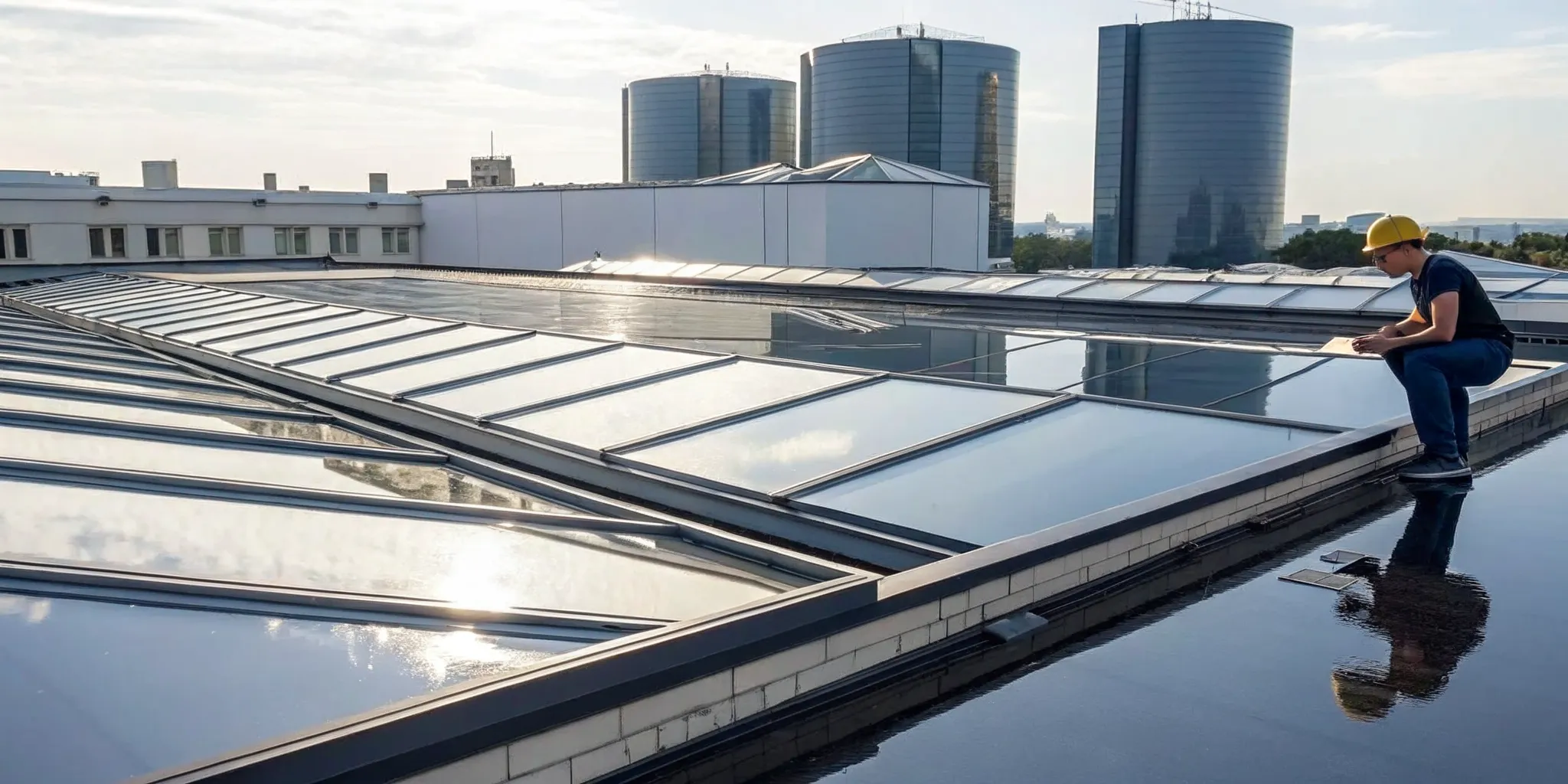
The foundation of any effective maintenance plan is consistent, professional inspections. Regular roof checks help your business keep its roof working longer and stop big problems from happening. This isn’t just a quick walk-around; a true roof inspection is a thorough assessment of every component. A certified professional will examine the roof membrane, flashing, drainage systems, and structural integrity. After the inspection, you should receive a detailed report, complete with photographs and clear descriptions of any findings. This documentation is invaluable for tracking your roof’s condition over time, planning future maintenance, and budgeting for necessary repairs. It creates a historical record that proves you’re actively caring for your property.
Proper Cleaning and Debris Removal
It might sound simple, but keeping your roof clean is a critical task. Over time, roofs accumulate leaves, branches, dirt, and other debris. This buildup can do more than just look messy. It can hold moisture against the roof’s surface, which accelerates the deterioration of the membrane and can lead to rot. Piles of debris can also clog your drainage systems, causing water to pool and create serious structural stress. A good maintenance plan includes regularly scheduled cleanings to keep the roof surface clear. This simple step ensures drains work as they should and prevents organic matter from breaking down and damaging your roofing materials.
Checking Drains and Gutters
Your roof’s drainage system is its most important feature for preventing water damage. When gutters, scuppers, and downspouts are clogged, water has nowhere to go. This leads to ponding water, which puts an enormous amount of weight on your roof deck and can cause it to sag or even collapse. Standing water also speeds up the breakdown of roofing materials, drastically shortening your roof’s lifespan. Your maintenance plan must include a specific checkpoint to remove leaves and trash from all drainage pathways. This ensures water can flow freely off the roof, protecting your building from leaks, structural damage, and the costly repairs that follow.
Inspecting Seals, Flashing, and Membranes
The most common sources of roof leaks are failures in seals and flashing. Flashing is the metal or membrane material that directs water away from seams and joints, especially around things that stick out of the roof, like vents, pipes, skylights, and HVAC units. These areas are particularly vulnerable because they expand and contract with temperature changes. Over time, the caulk and seals around them can crack, shrink, or pull away, creating a direct path for water to enter your building. A thorough maintenance plan involves carefully checking all these penetration points and resealing any gaps before they can turn into active leaks.
Assessing HVAC and Rooftop Equipment
Most commercial roofs are home to heavy equipment, from HVAC units to vents and satellite dishes. This equipment not only adds weight and creates penetrations in the roof membrane, but it also requires regular servicing. The foot traffic from technicians can cause scuffs, punctures, and other damage to the roof surface over time. Your maintenance plan should include inspecting the areas around all rooftop equipment for signs of wear and tear. It’s also important to check for any fluid leaks, like oil or grease from HVAC units, as these substances can eat away at certain roofing materials and cause them to fail prematurely.
Finding Hidden Moisture and Leaks
Sometimes, the most serious threats to your roof are the ones you can’t see. Water can penetrate the top membrane and become trapped in the insulation and underlying roof deck without ever causing a visible leak inside your building. This hidden moisture compromises your building’s structural integrity and destroys the insulation’s R-value, leading to higher energy bills. A top-tier maintenance plan uses advanced technology to find these hidden problems. Using tools for roof moisture surveys and electronic leak detection, professionals can identify issues beneath the surface. This allows you to address trapped moisture before it leads to widespread rot and the need for a full roof replacement.
How Often Should You Maintain Your Commercial Roof?
The Best Times of Year for an Inspection
As a general rule, you should have your commercial roof professionally inspected twice a year. The best times for these check-ups are in the spring and fall. A spring inspection allows a professional to assess any damage that may have occurred during the winter months and make necessary repairs. In the fall, an inspection helps prepare your roof for the upcoming colder, wetter weather, ensuring that drains are clear and the membrane is ready for rain. Sticking to a biannual schedule is one of the most effective ways to extend your roof’s lifespan, prevent major problems, and avoid the disruption of emergency repairs. A routine roof inspection is a small investment that protects your entire property.
After the Storm: When to Schedule Extra Checks
Beyond your regular spring and fall maintenance, you should always schedule an inspection after a major weather event. Southern California isn’t immune to heavy rains and strong winds, both of which can take a toll on a commercial roof. Debris can cause punctures, and flashing can be pulled away from seams, creating an entry point for water. It’s also a good idea to get your roof checked after any other work has been done on your building, like the installation of new HVAC units or other rooftop equipment. Any time there’s heavy foot traffic or new penetrations, it’s wise to have a professional confirm your roof’s integrity hasn’t been compromised. If you suspect an issue, it’s best to get professional help with storm damage repair.
How Your Roof Type Affects Your Maintenance Schedule
While twice a year is a great starting point, your roof’s specific characteristics can influence how often it needs attention. The age of your roof is a major factor; an older roof nearing the end of its warranty will likely need more frequent checks than a brand-new one. The type of material also matters. Different commercial roofing systems, like TPO, PVC, or modified bitumen, have different vulnerabilities, especially under the constant exposure to California sun. A professional maintenance plan should be tailored to your roof’s age, material, and the specific conditions it faces, ensuring it gets the precise care it needs to perform its best.
Red Flags That Call for an Immediate Inspection
Sometimes, your building will tell you when your roof needs help. It’s important to pay attention to the warning signs that call for an immediate inspection, outside of your regular schedule. Inside your building, look for water stains on ceiling tiles, discoloration on walls, or peeling paint. A sudden musty smell can also indicate hidden moisture from a leak. On the exterior, you might notice ponding water that doesn’t drain 24 to 48 hours after it rains, or visible cracks and blisters in the roof membrane. If you see any of these red flags, don’t wait. Contact us right away to address the issue before it turns into a much larger and more expensive problem.
How a Maintenance Plan Prevents Problems and Saves You Money
A commercial roof maintenance plan isn’t just another expense on your balance sheet; it’s a strategic investment in your property’s future. Think of it like the regular check-ups you get for your car or your health. By catching small issues before they spiral into major disasters, you protect your building, your budget, and your peace of mind. A proactive approach keeps your roof in top condition, extending its lifespan and preventing the kind of surprise expenses that can disrupt your business operations. Instead of reacting to a crisis, you stay in control. This simple shift in mindset from reactive to proactive care is the key to saving thousands of dollars over the life of your roof and ensuring your commercial property remains a valuable, well-protected asset.
Catch Leaks Early to Prevent Water Damage
The most immediate benefit of a maintenance plan is finding leaks when they’re still just tiny drips. A small, undetected leak can quietly cause devastating water damage to your building’s structure, insulation, and interior finishes. It can also lead to mold growth, which poses health risks and requires expensive remediation. Regular roof inspections are designed to spot vulnerabilities like cracked seals or damaged flashing before water has a chance to get in. By addressing these minor issues right away, you prevent the need for extensive, costly repairs down the road and protect the valuable assets inside your building. It’s the simplest way to stop a catastrophe before it starts.
Solve Ponding Water and Drainage Problems
If you see standing water on your roof 48 hours after it rains, you have a ponding problem. This excess water adds a tremendous amount of weight to your roof structure, which it wasn’t designed to handle. Over time, this can lead to sagging and structural damage. Ponding water also accelerates the deterioration of roofing materials, leading to premature aging and leaks. A good maintenance plan always includes checking and clearing drains, scuppers, and gutters. Ensuring your drainage system is free of leaves, dirt, and other debris allows water to flow off the roof as intended, protecting your investment and preventing a major structural failure.
Protect Your Roof’s Membrane from Damage
Your roof’s membrane is its first line of defense against sun, rain, and wind. But it’s vulnerable to damage from fallen branches, foot traffic from HVAC technicians, or even just the natural expansion and contraction that comes with changing temperatures. Punctures, blisters, or open seams in the membrane create an easy entry point for water. During a routine maintenance visit, a professional will carefully examine the entire surface of your roof. They can identify and perform a roof repair on these weak spots, reinforcing the membrane and ensuring your building remains watertight. This simple step is crucial for extending the life of your roofing system.
Improve Energy Efficiency and Lower Utility Bills
Did you know your roof has a big impact on your energy bills? A roof that is in poor condition can’t insulate your building effectively. Cracks and gaps can let heated or cooled air escape, forcing your HVAC system to work harder to maintain a comfortable temperature. Furthermore, a dirty or damaged roof surface can lose its reflective properties, absorbing more heat from the sun. Regular maintenance ensures your insulation is intact and the roof surface is clean and performing as it should. This helps you maintain consistent indoor temperatures and can lead to significant savings on your monthly utility bills.
Avoid Costly Emergency Repairs and Downtime
An emergency roof failure is every property manager’s worst nightmare. It brings your business to a halt, requires immediate and expensive repairs, and can damage inventory and equipment. A proactive maintenance plan is your best defense against this scenario. By identifying and fixing small problems early, you prevent them from escalating into a full-blown crisis. The cost of a scheduled maintenance plan is a predictable, manageable expense, while emergency repairs come with a premium price tag and unexpected downtime. Investing in regular upkeep allows you to budget for your roof’s care and keeps your business running smoothly, without any costly interruptions.
How to Choose the Right Commercial Roofing Pro for Maintenance
Finding the right partner for your commercial roof maintenance is just as important as the plan itself. The quality of their work directly impacts your roof’s longevity and your building’s safety, so this isn’t a decision to take lightly. You need a team that is not only skilled but also reliable, transparent, and communicative. When you vet potential roofing contractors, think of it as hiring a long-term partner who will help protect one of your most significant assets. The goal is to find a professional you can trust to show up on time, do the work correctly, and keep you informed.
This process involves more than just comparing quotes; it’s about evaluating their expertise, the thoroughness of their services, and their commitment to safety and professionalism. A great maintenance partner acts as an extension of your own facilities team, proactively identifying issues and providing clear, actionable advice. They should understand the unique demands of commercial properties in Southern California, from intense UV exposure to the potential for sudden downpours. By taking the time to properly vet your options, you can avoid the headaches of shoddy work, missed appointments, and unexpected costs down the line. Below, we’ll walk through the key criteria to consider so you can make your choice with confidence.
Look for Proven Experience and Expertise
When it comes to commercial roofing, experience is not just a number; it’s a track record of reliability. Look for a company with a long history of serving businesses in Southern California. A seasoned pro understands the specific challenges our climate presents, from intense sun to seasonal rains. They should be able to show you a portfolio of past projects and provide references from other commercial property owners. As one industry expert notes, experienced companies excel at creating custom care plans for different types of commercial buildings. A company with deep roots in the community, like our team at Cert-A-Roof, brings invaluable local knowledge to every job.
Verify They Offer Comprehensive Maintenance Plans
A generic checklist won’t cut it for a commercial property. Your maintenance partner should offer a detailed, proactive plan tailored to your specific roof type, age, and building use. A truly comprehensive program is designed to help your roof last longer by addressing its unique needs. Before signing a contract, ask to see a sample plan. It should clearly outline the scope of work, including scheduled inspections, cleaning, and minor repairs. This ensures all aspects of your roof are regularly inspected and maintained, preventing small issues from becoming major expenses.
Check for Proper Licensing, Insurance, and Warranties
This step is non-negotiable. Any contractor you consider must have the proper licensing to operate in California and carry both general liability insurance and workers’ compensation. Ask for proof of these credentials. Also, discuss how their maintenance plan affects your roof’s warranty. For many manufacturers, regular professional maintenance is required to keep your warranty valid. A reputable company will understand these requirements and ensure their commercial roofing services help you stay in compliance, protecting your coverage and your investment for the long haul.
Ask About Their Reporting and Documentation Process
Clear communication is key to a successful maintenance partnership. A professional roofing company should provide detailed reports after every inspection or service visit. These reports should include photos, a summary of findings, and recommendations for any necessary repairs. This documentation creates a valuable service history for your roof. Keeping a detailed log of all repairs and inspection dates helps with future planning and budgeting. It also provides a clear record of your proactive care, which can be useful for insurance purposes or if you decide to sell the property.
Confirm Their Safety Protocols and Liability Coverage
Working on a commercial roof comes with inherent risks, so a strong commitment to safety is essential. Ask potential contractors about their safety protocols and training programs. They should be following all OSHA guidelines to protect their crew, your employees, and your property. Ensure they have adequate liability coverage to handle any unforeseen incidents. A professional contractor prioritizes safety not just for compliance but because it’s the right thing to do. You can feel confident when you contact a team that puts safety at the forefront of every maintenance visit.
Related Articles
- Roof Maintenance – Cert-A-Roof Roof Inspections
- The 4 Main Types of Commercial Roofing Systems – Cert-A-Roof Roof Inspections
- Roof Maintenance – Cert-A-Roof Roof Inspections
- 6 Types of Commercial Flat Roofing Explained – Cert-A-Roof Roof Inspections
- Roof Maintenance – Cert-A-Roof Roof Inspections
Frequently Asked Questions
Is a maintenance plan just a series of inspections? Not quite. Think of an inspection as the diagnostic part of your visit, where a professional assesses your roof’s health. A maintenance plan is the complete wellness program. It includes those crucial inspections, but it also covers the proactive work like cleaning debris, clearing drains and gutters, and handling small repairs on the spot. The plan is the ongoing strategy that keeps your roof in great shape, while the inspection is the tool we use to guide that strategy.
My commercial roof is brand new. Do I still need a maintenance plan? Yes, absolutely. Starting a maintenance plan from day one is one of the smartest things you can do. First, many manufacturer warranties actually require regular professional maintenance to remain valid. Second, even new roofs can be damaged by a severe storm, falling debris, or foot traffic from other contractors. A plan establishes a baseline for your roof’s condition and ensures any minor issues are addressed before they can cause real damage, protecting your new investment right from the start.
Will a maintenance plan really save me money in the long run? Without a doubt. It’s a classic case of prevention being more affordable than the cure. The cost of a proactive maintenance plan is a small, predictable operational expense. In contrast, the cost of an emergency repair after a major leak is often huge and completely unexpected. By investing a little in regular upkeep, you prevent catastrophic water damage, extend the life of your roof by years, and even lower your energy bills. You avoid the high price of emergency service and the costly business downtime that comes with it.
What happens if you find a major issue during a routine maintenance visit? If we discover a significant problem, our first step is to document it thoroughly with clear photos and detailed notes. We will immediately communicate the findings to you so you are fully aware of the situation. We won’t perform any major work without your approval. Instead, we will provide you with a comprehensive report and a clear proposal that outlines our recommended solutions, the associated costs, and a timeline for the repair. Our goal is to give you all the information you need to make an informed decision.
Can I handle some of the basic roof maintenance myself to save money? While it might seem tempting, performing your own maintenance on a commercial roof is not a good idea. Working on a roof, especially a large commercial one, carries significant safety risks without the proper training and equipment. You could also accidentally cause more damage or even void your roof’s warranty. Professionals are trained to spot subtle signs of trouble that an untrained eye would miss. For an asset as critical as your roof, relying on professional expertise is the safest and most effective approach.
Comment (0)