Commercial Roof Inspection Service: An Owner’s Guide
When you manage a commercial property, you’re juggling budgets, tenant satisfaction, and long-term planning. The condition of your roof impacts all three. A sudden leak can disrupt business and lead to costly interior damage, while neglecting routine care can even void your insurance policy or manufacturer’s warranty. This is where a professional assessment becomes so valuable. It’s not just about finding leaks; it’s about managing risk and ensuring compliance. A certified commercial roof inspection service gives you the documentation you need for insurance purposes and the peace of mind that comes from knowing your building is safe, secure, and protected.
Key Takeaways
- View inspections as a preventative measure, not a cost: Regular professional check-ups are a smart investment that helps you catch small problems before they become budget-breaking emergencies, protecting your property and extending your roof’s lifespan.
- Schedule inspections strategically throughout the year: The best plan includes annual inspections for newer roofs and twice-yearly checks (spring and fall) for roofs over 10 years old, plus an additional assessment after any major storm.
- Select a properly credentialed professional: Always choose a licensed, insured, and certified inspector who has direct experience with your specific roof type and provides clear, photo-documented reports with actionable recommendations.
What Is a Commercial Roof Inspection?
Think of a commercial roof inspection as a regular health check-up for your building. It’s a detailed, professional evaluation of your roof’s current condition, designed to catch small issues before they become major headaches. This proactive approach gives you a clear picture of your roof’s health, helping you plan for maintenance and make smart, informed decisions about repairs or replacement. Instead of reacting to a leak or damage, you get to stay ahead of the game, protecting your property and your investment. A thorough inspection provides the insights you need to manage your building effectively and avoid unexpected, costly problems down the road.
What a Comprehensive Inspection Includes
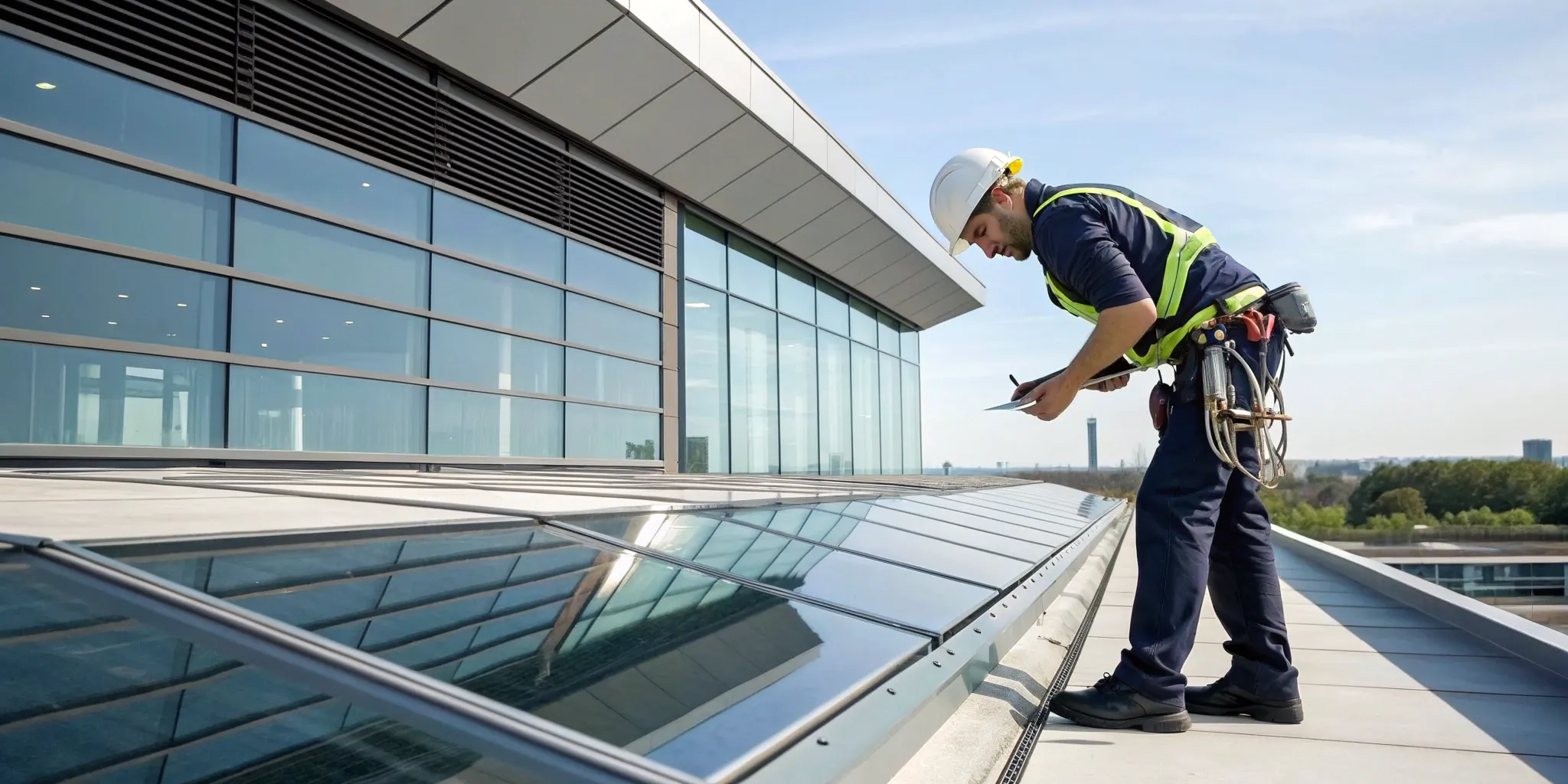
A quality inspection goes far beyond a quick glance. Our technicians conduct a detailed review of your roof’s overall condition, looking for any signs of wear and tear. We assess how nearby trees or adjacent structures might affect your roof and document everything with photos. You’ll receive a full report with our professional advice and clear estimates for any recommended roof repairs. Regular inspections are key to early detection, especially with Southern California’s shifting weather patterns. Catching a small problem today can save you from a much bigger, more expensive one tomorrow.
Types of Commercial Roofs We Inspect
Commercial buildings feature a wide variety of roofing systems, and each one requires a specific approach. We have extensive experience inspecting all common types of commercial roofs. This includes built-up roofing (BUR), metal roofing, modified bitumen, and single-ply membranes like TPO, PVC, and EPDM. Whether your building is topped with classic asphalt shingles or a modern, energy-efficient system, our team has the expertise to evaluate it properly. We understand the unique vulnerabilities of each material, ensuring our inspection process is tailored to your specific roof.
Understanding Your Inspection Report
After the inspection, you’ll get a detailed report, and our goal is to make it as clear and useful as possible. A good report should give you straightforward information about your roof so you can make confident decisions. It will outline any issues we found, supported by photos, and provide specific recommendations. We believe in transparency, which is why our inspectors are fully certified and experienced. A certified roof gives you peace of mind, and that process starts with a report you can actually understand and act on.
Why Are Commercial Roof Inspections a Smart Investment?
As a commercial property owner, you view your building as a significant asset. Its roof is the first line of defense, protecting everything and everyone inside from the elements. It’s easy to overlook the roof until a problem, like a leak, demands your attention. But waiting for an emergency is a costly strategy. A proactive approach is always better, and that starts with regular professional check-ups.
Think of a commercial roof inspection not as an expense, but as a strategic investment in your property’s health and longevity. These assessments are designed to catch minor issues before they spiral into major, budget-breaking disasters. A certified inspector can spot subtle signs of wear and tear that are invisible from the ground, giving you a clear roadmap for maintenance. By investing a little in preventative care, you can save thousands on emergency repairs, extend the life of your current roof, maintain critical warranty coverage, and ensure a safe environment for your tenants and employees. A comprehensive roof inspection gives you the knowledge and control you need to manage your property effectively.
Prevent Costly Emergency Repairs
The difference between a minor fix and a catastrophic failure often comes down to timing. A small tear in the roof membrane or a cracked sealant might seem insignificant, but after a few heavy Southern California rainstorms, it can lead to widespread water damage, ruined inventory, and operational downtime. Regular inspections find these problems early when they are simple and inexpensive to fix. Addressing a small issue right away prevents it from escalating into an emergency that requires urgent, and much more expensive, attention. Our roofing services are designed to handle these repairs efficiently, keeping your business protected and your budget intact.
Maximize Your Roof’s Lifespan
A full commercial roof replacement is one of the largest capital expenditures a property owner will face. The goal is to make your current roof last as long as safely possible. Routine inspections are key to achieving this. By identifying and addressing issues like ponding water, sun damage, and debris buildup, you can slow down the natural aging process of your roof. A consistent roof maintenance plan, guided by professional inspections, can add years to your roof’s functional lifespan. This proactive care helps you get the maximum return on your initial investment and allows you to plan and budget for a future replacement on your own terms.
Keep Your Insurance and Warranty Valid
Did you know that many commercial roofing warranties and insurance policies require proof of regular maintenance? If you file a claim for roof damage but can’t provide documentation of routine inspections, your claim could be denied, leaving you to cover the full cost of repairs. This fine print can be a major financial pitfall for property owners who neglect preventative care. Scheduling regular inspections provides the official records you need to stay compliant. A formal roof certification after an inspection serves as concrete proof that you are upholding your end of the agreement, ensuring your coverage remains active when you need it most.
Enhance Safety and Reduce Liability
A compromised roof is more than just a financial risk; it’s a safety hazard. Loose materials, structural weakness, or poor drainage can create dangerous conditions for anyone in or around your building. As a property owner, you are responsible for maintaining a safe environment. A thorough inspection identifies potential liabilities, from the risk of falling debris to the structural integrity of the roof deck itself. By addressing these issues, you protect your employees, customers, and tenants from harm and reduce your exposure to potential legal action. Working with a team of certified professionals ensures your property is not only secure but also compliant with safety standards.
How Often Should You Schedule a Roof Inspection?
Knowing how often to schedule a commercial roof inspection can feel like a guessing game, but it doesn’t have to be. The right frequency depends on a few key factors: your roof’s age, the materials it’s made of, and the local weather patterns. For property owners in Southern California, that means preparing for both intense sun and seasonal rains. A proactive approach is always better than a reactive one. Waiting for a leak to appear before calling a professional is a recipe for expensive, disruptive repairs.
Establishing a regular inspection schedule is one of the smartest moves you can make to protect your investment. Think of it as a routine check-up for your building. These check-ups help you catch small issues before they spiral into major structural damage, extend the life of your roof, and ensure you remain compliant with insurance policies and warranties. We work with property managers and business owners to create a roof maintenance plan that fits their building’s specific needs, minimizing disruption and providing clear, actionable reports every time.
Inspection Frequency by Roof Age
The age of your roof is the biggest factor in determining how often it needs a professional look. For a relatively new commercial roof (under 10 years old), an annual inspection is generally sufficient to keep everything in top shape and maintain your warranty.
Once your roof passes the 10-year mark, it’s wise to increase the frequency to twice a year. An older roof is naturally more susceptible to wear and tear from sun exposure, temperature fluctuations, and rain. Scheduling inspections in both the spring and fall allows a professional to address any minor issues that developed over the winter and prepare your roof for the summer heat, and vice versa. This proactive schedule helps you budget for future repairs and avoid unexpected emergencies.
The Best Seasons for an Inspection
Timing your roof inspections strategically can save you a lot of headaches. The best times to schedule a check-up are in the spring and fall. A spring inspection is perfect for assessing any damage that may have occurred during the winter rainy season. It gives you a chance to fix small problems before the intense summer sun can make them worse, like turning a small crack into a major weak point.
Similarly, a fall inspection helps prepare your roof for the coming rain. During this visit, an inspector can clear away debris, check for potential leak spots, and ensure your drainage systems are working properly. Minor problems found in the summer can quickly develop into serious ones during a winter storm, so a pre-rainy season check is a critical part of any roof inspection plan.
Why You Need an Inspection After a Storm
While routine inspections are essential, you should also plan for an inspection after any major weather event. Southern California might not get hurricanes, but strong winds, heavy downpours, and hail can still cause significant damage. High winds can lift flashing, tear at membrane seams, or send debris flying onto your roof, creating punctures you can’t see from the ground.
Even if your roof looks fine after a storm, there could be hidden damage. A professional inspector can spot subtle issues like cracked seals or compromised flashing that could lead to slow leaks and water damage over time. Addressing these problems immediately is the best way to prevent expensive, long-term issues and protect the structural integrity of your building. If you suspect any issues, our storm damage repair team can provide a thorough assessment.
Warning Signs That Your Roof Needs Help Now
Sometimes, your building will tell you when its roof needs immediate attention. Don’t ignore these warning signs, as they often point to an urgent problem.
Inside the building, look for:
- Stains or discoloration on the ceiling or walls
- A musty smell or visible mold and mildew
- Peeling paint near the ceiling
- A sudden spike in your energy bills
On the exterior, you might notice:
- Ponding water that doesn’t drain 24-48 hours after it rains
- Cracked, blistering, or bubbling surfaces on the roof membrane
- Loose or damaged flashing around vents, skylights, and HVAC units
If you see any of these signs, it’s time to contact us for an inspection right away.
What Common Problems Do Roof Inspections Uncover?
From the ground, your commercial roof might look like it’s in great shape. But what you can’t see can often cause the most damage. A professional roof inspection is designed to uncover the hidden and not-so-hidden issues that can lead to expensive repairs, business disruptions, and safety hazards down the line. Think of it as a preventative health checkup for one of your most valuable assets.
An experienced inspector knows exactly what to look for, from subtle signs of water intrusion to the early stages of material failure. They examine every component, including the roof surface, drainage systems, flashing, and structural supports. Catching these problems early is the key to extending your roof’s life and protecting your investment. A thorough roof inspection gives you a clear, actionable report on your roof’s condition, so you can address small issues before they become major emergencies. Let’s walk through some of the most common problems we find.
Water Damage and Ponding
One of the first things an inspector looks for is evidence of water damage. This can show up as ponding water, which are puddles that remain on a flat roof more than 48 hours after it rains. While a small puddle might seem harmless, standing water adds significant weight and speeds up the deterioration of the roof membrane. An inspector will also look for related signs of trouble, such as cracked or blistered surfaces, ceiling stains inside your building, and unexplained interior moisture. These are all red flags that water is getting in where it shouldn’t, signaling a need for immediate attention to prevent further damage to the roof deck and building interior.
Worn Membranes and Damaged Flashing
Your roof’s membrane is its primary shield against the elements, but constant exposure to sun, rain, and wind eventually takes a toll. Over time, membranes can become worn, cracked, or punctured. Another critical component is the flashing, which are the metal strips that seal joints and edges around vents, skylights, and chimneys. Damaged flashing is one of the most common culprits behind roof leaks. During an inspection, we carefully examine the entire membrane and all flashing for signs of wear, tear, or improper installation. Addressing these vulnerabilities is a core part of our roofing services and is essential for keeping your building watertight.
Clogged Drains and Debris Buildup
A commercial roof’s drainage system is its unsung hero. When working correctly, it efficiently channels water off the roof. But when drains, gutters, and scuppers become clogged with leaves, dirt, and other debris, the system fails. This forces water to pool on the roof, creating the ponding issues we just discussed. Clogged gutters can also cause water to back up and seep under the roofing materials. As part of a comprehensive inspection, we check all drainage points to ensure they are clear and functioning properly. Regular roof maintenance is the best way to prevent debris from accumulating in the first place.
Issues Around HVAC Units and Vents
Anywhere something penetrates your roof—like an HVAC unit, plumbing vent, or exhaust fan—is a potential weak spot. The seals around these penetrations are common failure points because they can degrade over time due to sun exposure and temperature fluctuations. A small gap or crack in the sealant is all water needs to find its way in. That’s why inspectors pay special attention to these areas, looking closely at the flashing and seals for any rot, stains, or tears. Ensuring these vulnerable spots are properly sealed is a critical step in any commercial roofing inspection and repair plan.
Surface Damage and Structural Sagging
Beyond specific components, an inspector will assess the overall condition of the roof surface for damage like cracks, blisters, and punctures from foot traffic or falling debris. More importantly, they look for signs of structural issues. Recognizing the early warning signs of roof damage is crucial, and one of the most serious red flags is a sagging roof deck. Sagging areas indicate a potential failure of the underlying support structure, often caused by prolonged water damage or excessive weight. This is a major safety concern that requires immediate roof repair to prevent a collapse.
How to Choose the Right Commercial Roof Inspector
Finding the right commercial roof inspector is one of the most important decisions you can make for your property. Your roof is a massive investment, and the person you hire to assess its condition needs to be a true professional. A thorough inspection from a qualified expert gives you a clear picture of your roof’s health, helping you plan for maintenance, budget for repairs, and prevent small issues from turning into costly disasters.
When you’re vetting potential inspectors, you’re looking for more than just someone who can climb a ladder. You need a partner who has the right credentials, understands your specific roofing system, communicates clearly, and is committed to helping you protect your asset for the long haul. Taking the time to find a qualified inspector ensures you get accurate information and sound advice, giving you peace of mind that your building is in good hands. A great roof inspection is the foundation of a solid maintenance strategy.
Look for Proper Licensing and Certifications
First things first, check for credentials. Proper licensing and certifications are non-negotiable. These qualifications show that an inspector has met rigorous industry standards for knowledge, skill, and safety. Look for certifications from respected organizations like the National Roofing Contractors Association (NRCA) or from top manufacturers like GAF. These credentials are a reliable sign that the inspector is up-to-date on the latest materials and best practices. A certified professional from a company like Cert-A-Roof doesn’t just inspect; they provide a level of assurance that your property is being evaluated against the highest industry benchmarks.
Find an Expert in Your Specific Roof Type
Commercial roofs come in many forms, from TPO and PVC to modified bitumen and metal. Each system has its own unique characteristics, common failure points, and maintenance requirements. You wouldn’t ask a plumber to fix your electrical wiring, and the same logic applies here. It’s essential to hire an inspector who has proven experience with your specific type of roof. An expert will know exactly what to look for, whether it’s failing seams on a single-ply membrane or signs of corrosion on a metal roof. Their specialized knowledge ensures a more accurate and valuable assessment of your roof’s condition and future needs.
Ask for Clear, Detailed Reports
After the inspection is complete, you should receive a comprehensive report that is easy to understand. A vague, one-page summary just won’t cut it. A quality report should include detailed descriptions of the roof’s condition, high-resolution photos documenting any areas of concern, and clear, actionable recommendations for next steps. This document is your roadmap for maintenance and repairs, so it needs to be thorough. Don’t hesitate to ask a potential inspector for a sample report. This will give you a good idea of their professionalism and the level of detail you can expect.
Verify Their Insurance and Understand the Costs
Protecting your property also means protecting yourself from liability. Always confirm that your roof inspector carries both general liability insurance and workers’ compensation. This is a basic but critical step that safeguards your business in the unlikely event of an accident on your property. When it comes to cost, remember that the cheapest option is rarely the best. A low-ball offer might mean a rushed or incomplete inspection. Instead, focus on the value you’re receiving. A thorough, well-documented inspection from an insured and certified professional is an investment that pays for itself by catching problems early.
Seek a Partner in Proactive Maintenance
The ideal roof inspector is more than just a one-time service provider; they are a long-term partner in protecting your property. Look for a company that focuses on proactive maintenance and wants to help you extend the life of your roof. A great inspector won’t just point out existing problems. They will help you develop a strategic maintenance plan to prevent future issues, allowing you to budget accordingly and avoid disruptive emergency repairs. This forward-thinking approach is key to managing your property effectively and getting the most out of your roofing system.
Related Articles
- Roof Inspection – Cert-A-Roof Roof Inspections
- Roof Inspection – Cert-A-Roof Roof Inspections
- 6 Types of Commercial Flat Roofing Explained – Cert-A-Roof Roof Inspections
- Roof Inspection for Homeowners Insurance: What to Expect – Cert-A-Roof Roof Inspections
Frequently Asked Questions
How long does a typical commercial roof inspection take? The time it takes to complete an inspection really depends on the size and complexity of your roof. For most commercial buildings, the process takes a few hours. Our goal is to be thorough without disrupting your business operations. We’ll coordinate with you to find a time that works best and ensure we have safe access to the roof and any necessary interior spaces.
What’s the difference between a roof inspection and a roof certification? Think of it this way: an inspection is the action, and a certification is the result. The inspection is the detailed physical evaluation where we assess the condition of your roof. If the roof meets specific standards and is found to be in good, leak-free condition, we can then issue a roof certification. This official document provides assurance of the roof’s health, which is often valuable for property transactions or insurance purposes.
Do I need to be present for the entire inspection? While you’re always welcome to be there, it isn’t a requirement. The most important thing is that our inspector has safe access to the roof and any interior areas where we might need to check for signs of leaks. After the inspection is complete, we provide a comprehensive report with photos and detailed notes, so you’ll have all the information you need even if you can’t be there in person.
What happens if the inspection uncovers a serious problem? Finding a problem is the first step toward solving it. If we discover a significant issue, our report will clearly explain the situation, supported by photographs. We will then provide you with a prioritized list of recommendations and a clear, no-obligation estimate for any necessary repairs. Our focus is on giving you the information you need to create a smart, manageable plan to protect your property.
Is a professional inspection really necessary if my roof isn’t leaking? Absolutely. Waiting for a leak is like waiting for a warning light to appear on your car’s dashboard; by the time you see it, damage has already started. A proactive inspection is designed to find hidden issues like worn-out seals, clogged drains, or sun damage before they lead to water intrusion. Addressing these small problems early is far less expensive and disruptive than dealing with a full-blown leak and the water damage that comes with it.
Comment (0)