6 Types of Commercial Flat Roofing Explained
Let’s be honest—most problems with flat roofs, from persistent leaks to premature aging, can often be traced back to two things: choosing the wrong material for the job or a poor installation. The good news is that both of these are entirely preventable. This guide is your roadmap to getting your commercial flat roofing project right from the very beginning. We will break down the most common materials, highlighting their strengths and weaknesses, so you can match the right system to your building’s specific needs. We’ll also cover the critical questions to ask a contractor to ensure your new roof is installed flawlessly.
Key Takeaways
- Look Beyond the Initial Price Tag: The right material for your roof depends on your building’s specific use, your local climate, and your long-term goals. Consider factors like energy efficiency and durability to find the best overall value, not just the lowest upfront cost.
- Your Installer Is as Important as Your Material: Even the highest-quality roofing material will fail if it’s installed incorrectly. Protect your investment by hiring a licensed, insured, and certified contractor to prevent common issues like seam and flashing failures from the start.
- Make Maintenance a Simple Routine: A long-lasting roof requires consistent care. Schedule regular professional inspections and keep drainage systems clear of debris to prevent ponding water and address minor damage before it turns into a costly leak.
What is a Commercial Flat Roof?
When you picture a large commercial building—like a warehouse, retail store, or apartment complex—you probably imagine a flat roof. And you’d be right. But the term “flat roof” is a little misleading. These roofs aren’t perfectly level. Instead, they have a very slight slope, typically between ¼ to ½ inch per foot, to allow for water drainage. This design is also known as a low-slope roof.
This style is the go-to for most commercial roofing projects for a few key reasons. First, they are incredibly space-efficient. Unlike a pitched roof, a flat roof doesn’t eat into the building’s vertical space, which is a huge plus for large-scale structures. They are also more economical to install on big buildings compared to the complex framing required for a sloped roof. This combination of efficiency and cost-effectiveness makes them a practical choice for business owners and property managers who need to cover a large surface area without breaking the budget. From installation to maintenance, the flat roof is designed to be a functional, hardworking part of your commercial property.
The Perks of a Flat Roof for Your Business
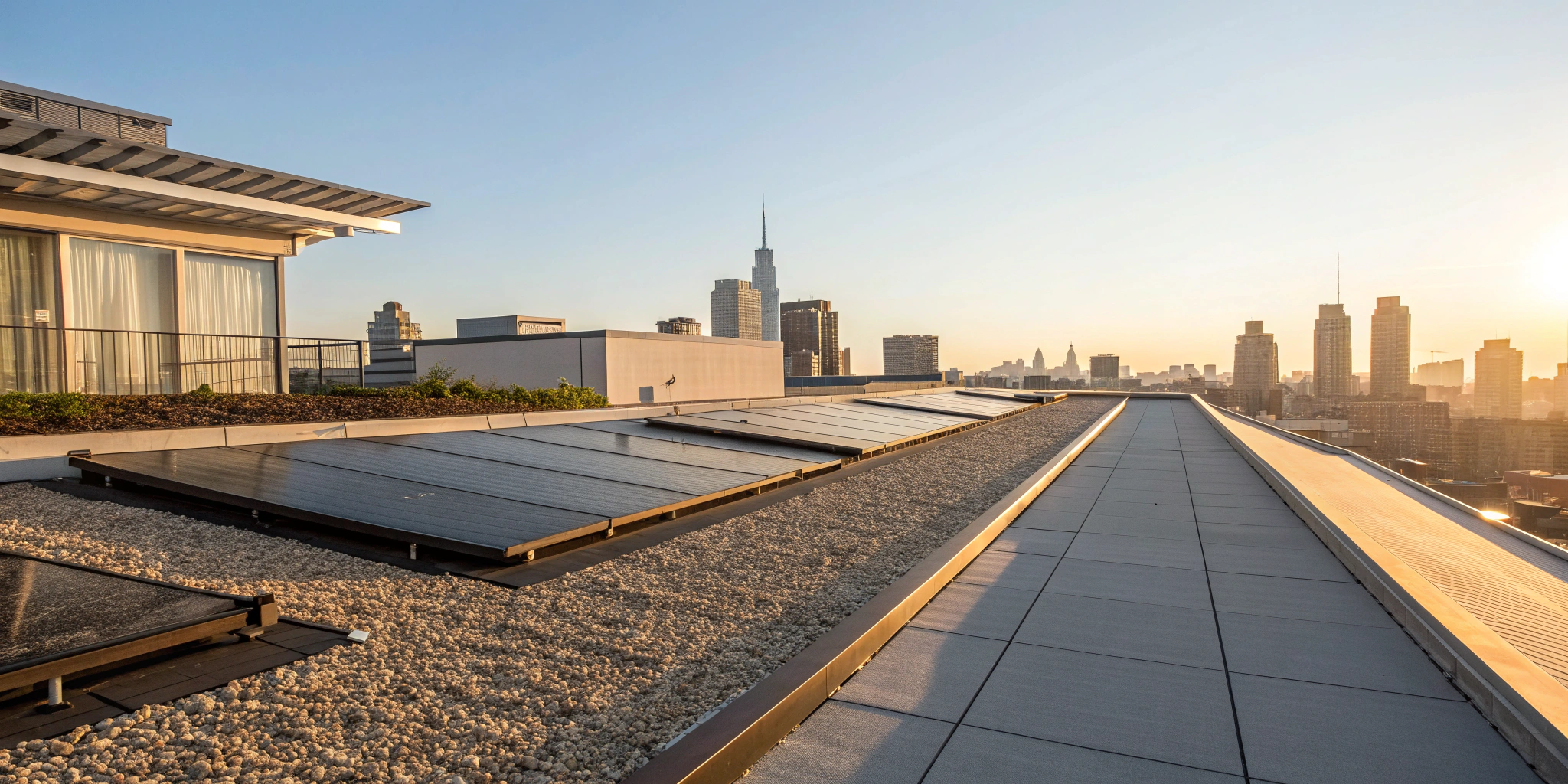
Choosing a flat roof for your business comes with some serious advantages. The most obvious perk is the usable space it creates. That flat, open area is the perfect spot for housing bulky HVAC units, satellite dishes, and other essential equipment, keeping them out of sight and freeing up valuable ground space. It also opens the door for installing solar panels or even creating a green roof or rooftop patio, turning an often-overlooked area into a valuable asset.
Beyond the extra space, flat roofs are generally safer and easier to access for maintenance and repairs. A professional can walk around freely without needing complex safety rigging, which can make routine roof inspections quicker and more affordable. While the initial choice of materials is a big decision, the long-term benefits of easier upkeep and versatile space make a flat roof a smart, economical investment for any commercial building.
Common Flat Roof Myths, Busted
Let’s clear the air on a couple of common misconceptions about flat roofs. The biggest myth is that they are prone to leaks and drainage problems. While it’s true that ponding water can be an issue, it’s almost always a symptom of a different problem—like poor installation, clogged drains, or a deteriorated membrane—not a flaw in the roof’s design itself. A professionally installed flat roof is engineered with a slight slope and proper drainage systems to guide water away effectively.
Another myth is that flat roofs don’t last as long as pitched roofs. The reality is, a flat roof’s lifespan depends entirely on the quality of the materials and the installation. Poor workmanship or cheap materials will lead to problems, no matter the roof style. A well-built flat roof using modern, durable materials can easily last for decades, especially with a consistent maintenance schedule to catch and address minor issues before they become major headaches.
A Guide to Commercial Flat Roof Materials
Choosing the right material for your commercial flat roof can feel overwhelming with all the acronyms and options out there. But don’t worry, it’s simpler than it sounds. Each material has its own set of strengths, making it a better fit for certain buildings, climates, and budgets. Understanding the basics of these top contenders is the first step toward making a smart investment for your property. In Southern California, we need roofs that can handle intense, year-round sun exposure without breaking down, while also providing reliable waterproofing for those unpredictable rainy seasons. The right material will not only protect your building from the elements but can also contribute to lower energy bills and require less maintenance over its lifespan. Think about your property’s specific needs. Is it a restaurant with grease vents? A warehouse with heavy foot traffic for HVAC maintenance? Or an office building where energy efficiency is the top priority? The answer to these questions will help guide you to the perfect material. From modern, single-ply membranes to time-tested built-up systems, the technology behind flat roofing has evolved significantly. We’ll explore the pros, cons, and ideal applications for each one. Let’s break down the most common choices you’ll encounter for commercial roofing projects so you can feel confident in your decision.
TPO (Thermoplastic Olefin)
You’ll hear about TPO a lot—it’s currently the most popular material for new commercial roofs, and for good reason. TPO is a single-ply membrane known for its energy efficiency. Its standard white color is fantastic for our sunny Southern California climate because it reflects sunlight and helps keep cooling costs down. It’s a durable, cost-effective option that resists mold growth, punctures, and tears. Because it’s a flexible material, it can also handle a building’s natural settling and movement over time without cracking. Its popularity means that finding experienced installers is generally straightforward, making it an accessible and reliable choice for a wide range of commercial properties.
EPDM (Ethylene Propylene Diene Monomer)
Think of EPDM as a high-performance synthetic rubber membrane. It’s incredibly durable and has a proven track record with a potential lifespan of 30 years or more. While it typically comes in black, which absorbs heat, it’s also available in lighter colors like white or gray to help with energy efficiency. EPDM is lightweight, flexible, and waterproof, making it relatively easy to install and maintain. It’s also one of the more affordable single-ply roofing options, offering fantastic long-term value. Its resilience against hail, extreme temperatures, and UV radiation makes it a tough, reliable choice for almost any commercial building looking for longevity and performance.
PVC (Polyvinyl Chloride)
PVC is another single-ply plastic roofing system that’s built to last. Its seams are heat-welded together, creating a single, watertight sheet across your entire roof. This makes it exceptionally resistant to moisture and leaks. PVC is also known for its durability against fire, wind, and chemicals, which is a huge plus for restaurants or industrial facilities that deal with grease or chemical exhaust. While it often comes with a higher price tag than TPO or EPDM, its strength and longevity can make it a worthwhile investment. If your roof is exposed to harsh substances or frequent foot traffic, PVC is definitely a material to consider for its sheer toughness.
Modified Bitumen
Modified Bitumen is an evolution of traditional asphalt roofing. It comes in rolls and is made from asphalt modified with polymers to give it a rubber-like quality. This makes it much more flexible and durable, especially in extreme temperatures. It’s a multi-ply system, which adds layers of protection and redundancy against leaks. Modified Bitumen roofs are known for their excellent waterproofing capabilities and high tensile strength, making them very resistant to foot traffic and punctures. With a lifespan of 15 to 20 years, it’s a solid, middle-of-the-road option that balances performance and cost effectively, offering a robust solution that stands up well to wear and tear.
Built-Up Roofing (BUR)
Often called “tar and gravel” roofs, Built-Up Roofing is the classic, time-tested option that has been used for over a century. It’s constructed with multiple layers of asphalt (bitumen) and reinforcing fabrics (felts), then topped with a layer of gravel or mineral granules. This multi-layer construction creates a thick, durable, and seamless barrier. BUR roofs are excellent at blocking UV rays, offer superior waterproofing, and are highly resistant to foot traffic. The top layer of gravel also provides excellent fire resistance. If you’re looking for a low-maintenance, heavy-duty roof that has proven its reliability for decades, BUR is a true workhorse in the roofing world.
Spray Polyurethane Foam (SPF)
Spray Polyurethane Foam, or SPF, is a unique roofing solution applied as a liquid. This liquid expands into a foam, creating a solid, seamless layer across the entire roof surface, including around vents and pipes. It’s then protected with a waterproof coating. SPF is incredibly lightweight but also very strong. Its biggest advantage is its exceptional insulation value, which can significantly reduce your energy bills. A well-maintained SPF roof can last for 50 years or more, as the topcoat can simply be reapplied every 10 to 20 years. For property owners focused on maximum energy efficiency and a long-term solution, SPF is an outstanding choice.
Flat Roof Materials: The Pros and Cons
Choosing the right material for your commercial flat roof isn’t just about picking the one that looks best or costs the least upfront. Each option comes with its own set of strengths and weaknesses that can impact everything from your building’s energy bills to how often you’ll need to schedule repairs. Think of it like choosing a car—a sports car is great for speed, but you wouldn’t take it on a bumpy off-road trail. Similarly, the best roofing material for a warehouse in sunny Orange County might not be the right fit for a small retail shop with heavy foot traffic on the roof for HVAC maintenance.
Understanding these differences is key to making a smart investment. We’ll break down the pros and cons of the most common commercial roofing materials, looking at their lifespan, durability, cost, and maintenance needs. This will give you a clear picture of what to expect from each type, helping you align your choice with your property’s specific needs and your long-term budget.
TPO: Pros and Cons
TPO is a popular single-ply membrane known for its flexibility and energy efficiency, especially in white or light colors that reflect sunlight. Its biggest advantage is its cost-effectiveness; it generally offers a great balance of performance and price. Installation is also relatively straightforward, which can help keep labor costs down.
However, TPO is one of the newer materials on the market, so its long-term performance isn’t as time-tested as other options. The quality can also vary quite a bit between manufacturers, making it crucial to work with a contractor who sources high-quality materials. With a typical lifespan of 10 to 25 years, TPO is a solid choice for property owners looking for an affordable, modern roofing solution.
EPDM: Pros and Cons
EPDM, a synthetic rubber membrane, is a true workhorse in the roofing world. Its standout feature is its impressive durability and long lifespan, often lasting over 30 years with proper care. It’s lightweight, waterproof, and flexible, allowing it to handle temperature fluctuations without cracking. Maintenance is also fairly simple.
On the downside, EPDM is susceptible to punctures from sharp objects or heavy foot traffic. The standard black color also absorbs heat, which can increase cooling costs in Southern California’s warm climate—though more reflective white options are available. Over time, the material can also shrink. Regular roof inspections can help you catch and address any potential issues before they become major problems.
PVC: Pros and Cons
If you need a roof that can stand up to tough conditions, PVC might be your answer. This single-ply membrane is known for its strength and resistance to chemicals, fire, and high winds. Its seams are heat-welded to create a watertight, monolithic barrier across the entire roof, making it incredibly durable against leaks.
This premium performance comes at a higher price point, as PVC is typically more expensive than TPO or EPDM. While strong, it isn’t as resistant to punctures as some other materials. With a lifespan of around 20 years, PVC is an excellent investment for restaurants, manufacturing facilities, or any building where chemical or fire resistance is a top priority.
Modified Bitumen: Pros and Cons
Modified Bitumen is an asphalt-based material that comes in rolls and is installed in multiple layers, creating a tough, redundant system. It performs exceptionally well in extreme temperatures and foot traffic, making it a durable choice for roofs that house HVAC units or other equipment.
However, its lifespan is shorter than some single-ply options, typically ranging from 15 to 20 years. The installation process can be more complex, and the darker surface can absorb heat. Locating the source of a leak can also be tricky due to its multi-layer construction, which makes professional roof repair essential. It’s a reliable option for those who need a heavy-duty surface.
Built-Up Roofing (BUR): Pros and Cons
Often called “tar and gravel” roofs, Built-Up Roofing is a classic, time-tested system. It’s made of multiple layers of asphalt and reinforcing fabrics, topped with a layer of gravel or other aggregate. This multi-layer design provides excellent protection against water and UV rays. BUR systems are also highly resistant to foot traffic and have a fire-resistant top layer.
The biggest drawbacks are the cost and installation time, which are generally higher than for single-ply systems. The weight of a BUR system can also be a concern for some building structures. While durable, they can be susceptible to wind and water damage if not installed perfectly. With a lifespan of 15 to 30 years, BUR remains a dependable choice for property owners who value tradition and toughness.
SPF: Pros and Cons
Spray Polyurethane Foam (SPF) roofing is a unique system applied as a liquid, which then expands into a solid, seamless layer. Its greatest benefit is its outstanding insulation value, which can significantly reduce energy costs. It’s also lightweight, waterproof, and can add structural strength to your building. With proper maintenance, an SPF roof can last for more than 50 years.
The main challenge with SPF is the installation. It requires specialized equipment and highly skilled technicians, as factors like temperature and wind can affect the application. There’s also a risk of overspray damaging nearby property if not handled by true professionals. This is why it’s so important to partner with an experienced team that has a proven track record with SPF systems.
How Much Does a Commercial Flat Roof Cost?
Figuring out the budget for a new commercial roof is a big step. The final price tag depends on several things, from the materials you choose to the size of your building. While every project is unique, understanding the key cost components can help you plan effectively and make a smart investment in your property. Let’s walk through what you can expect.
Breaking Down Material Costs
The material you select is one of the biggest drivers of your total cost. Generally, a full flat roof replacement can range from $4 to $15 per square foot. For a typical commercial building, this often averages out to between $3,300 and $11,500, but larger roofs will naturally cost more. Materials like TPO and PVC, known for their durability and energy efficiency, usually fall in the $3.50 to $14.00 per square foot range. Other options, such as Modified Bitumen or Built-Up Roofing (BUR), can be more budget-friendly, often costing between $2.75 and $7.50 per square foot. Each option comes with its own set of benefits, so the right choice depends on your building’s needs and your long-term goals for your commercial roofing.
Factors That Affect Your Final Price
Beyond the materials, a few other key factors will influence your final quote. Labor is a significant portion, typically making up 40% to 70% of the total project cost. The size and complexity of your roof also play a major role—a larger, more intricate roof requires more materials and time. You’ll also need to account for the removal and disposal of your old roof, which can add $1 to $5 per square foot. Finally, don’t forget about local permits and the necessary roof inspections, which ensure your new roof is up to code and installed correctly. These administrative costs are essential for a safe and compliant project.
Thinking About Long-Term Value and ROI
While it’s tempting to focus on the upfront cost, it’s wise to think about the long-term value of your investment. Some materials might have a lower initial price, but more premium options like TPO or PVC often provide better energy efficiency, which can lower your utility bills over time. They also tend to be more durable, saving you money on future repairs. In some cases, a full replacement might not even be necessary. A fluid-applied roof restoration can add another 10 to 20 years to your existing roof’s life for a fraction of the cost, offering an excellent return on investment. Considering these long-term benefits will help you choose a roof that protects your building and your budget for years to come.
How to Choose the Right Flat Roofing Material
Picking the right material for your commercial flat roof is a big decision that impacts your budget, energy bills, and maintenance schedule for years to come. With several great options on the market, the best choice depends on your specific building, budget, and local climate. Thinking through these factors will help you land on a material that not only protects your property but also provides the best long-term value. Let’s walk through the key considerations to help you make a confident choice.
Consider Your Local Climate
Here in Southern California, our roofs face a unique set of challenges—namely, relentless sun exposure and occasional, but intense, rain. The constant UV radiation can cause some roofing materials to degrade, crack, and age prematurely. You’ll want a material that can reflect sunlight to keep your building cool and withstand high temperatures without breaking down. At the same time, the material and its installation must be able to handle rainfall effectively to prevent water from pooling, which can lead to serious leaks and structural damage. A professional roofing service familiar with the local climate can guide you toward materials built to last in our sunny environment.
Assess Your Building’s Needs
Every commercial building is different, and your roof needs to match its specific function. Think about what your roof will endure. Will it need to support heavy HVAC equipment? Will there be regular foot traffic for maintenance? Some materials, like PVC or modified bitumen, offer superior puncture resistance, making them ideal for high-traffic areas. You should also consider the building’s structure and the installation process for each material. When you’re weighing your options, it’s helpful to compare product features, required upkeep, and warranty coverage to find a system that aligns with your operational needs and gives you peace of mind.
Factor in Energy and Sustainability Goals
Your roof plays a huge role in your building’s energy consumption. Choosing a reflective or “cool roof” material like TPO or PVC can significantly lower your cooling costs by reflecting the sun’s rays instead of absorbing them. Many of these materials are also recyclable at the end of their lifespan, adding to their sustainable appeal. For example, EPDM is a durable, lightweight option with a lifespan of over 30 years. Pairing your chosen membrane with high-quality insulation is another key step to save energy and reduce your heating and cooling expenses over the long term, making your building more efficient and environmentally friendly.
Analyze Your Budget and Long-Term Costs
While the initial price tag is an important factor, it doesn’t tell the whole story. A flat roof replacement is a major investment, so it’s wise to think about the total cost of ownership. A cheaper material might save you money upfront but could cost more in the long run due to frequent repairs or a shorter lifespan. When you analyze your budget, factor in the material’s durability, expected maintenance costs, and potential energy savings. A comprehensive roof inspection can also help you understand the condition of your current roof and plan for a replacement that offers the best return on your investment.
How to Find the Right Commercial Roofing Contractor
Choosing the right roofing material is a huge step, but your decision-making process isn’t over yet. The long-term performance of your new flat roof depends entirely on the quality of the installation. A top-tier material installed incorrectly will fail, while a standard material installed by an expert can last for decades. Finding a trustworthy, skilled, and reliable commercial roofing contractor is essential to protecting your investment. It’s about finding a partner who understands your building’s needs and has the proven expertise to get the job done right.
Look for Key Qualifications and Certifications
Before you even look at a quote, your first step is to verify a contractor’s credentials. When you decide to repair or replace a roof, always hire a licensed roofing contractor. A valid license proves they meet state and local requirements, which is your first line of defense against shoddy work. You should also ask for proof of insurance, including general liability and worker’s compensation. This protects you and your business from any liability in case of an accident on your property. Look for contractors who hold certifications from roofing manufacturers; this shows they’ve been specifically trained to install that company’s products. Our team at Cert-A-Roof is fully licensed and certified, ensuring every project meets the highest industry standards.
Key Questions to Ask Before You Hire
Once you’ve shortlisted a few qualified contractors, it’s time to dig a little deeper. A reputable contractor will be happy to answer your questions. Start by asking for a portfolio of their past commercial roofing projects and a list of references you can contact. It’s also wise to check the manufacturer’s and contractor’s reputations online. Don’t forget to ask about warranties. A good question is, “What does your workmanship warranty cover, and what might make it invalid?” This clarifies their commitment to their work long after the project is complete. Also, ask about their process, the project timeline, and who your main point of contact will be. The more you know upfront, the smoother the process will be.
Red Flags to Watch Out For
Just as important as knowing what to look for is knowing what to avoid. Be wary of any contractor who uses high-pressure sales tactics or offers a deal that seems too good to be true. A major red flag is a vague or incomplete contract—every detail, from materials to labor costs and timelines, should be clearly itemized in writing. Poor installation is the leading cause of commercial roof leaks, so you can’t afford to take a chance on an unproven team. Avoid anyone who is hesitant to provide their license number or proof of insurance. Finally, be cautious of contractors who ask for a large cash deposit upfront. A professional company will have clear, fair payment terms.
How to Extend the Life of Your Commercial Flat Roof
A new commercial roof is a major investment in your property, and you want to make sure it lasts as long as possible. The good news is that you have a lot of control over your roof’s lifespan. With a little proactive care, you can protect your building, prevent expensive emergency repairs, and get the most value out of your roof for years to come. It doesn’t require a huge time commitment, just a consistent strategy.
Think of it like caring for a car; you wouldn’t skip oil changes and then act surprised when the engine has problems. Your roof is the same. It shields your business from the elements 24/7, and it needs regular attention to perform its best. By establishing a simple routine, you can catch minor issues before they spiral into costly headaches. Focusing on regular inspections, preventive maintenance, and proper drainage will help you create a robust defense against wear and tear, ensuring your roof remains a durable asset rather than a potential liability.
Stick to a Regular Inspection Schedule
The single most effective thing you can do for your roof is to look at it regularly. We recommend setting up a quarterly inspection schedule to check for any signs of damage or wear. Catching a small puncture, a cracked seal, or a clogged drain early is infinitely easier and cheaper than dealing with a major leak later. During these checks, you or a professional should look for blisters, cracks, or punctures in the membrane, as well as any failing seals around vents and flashing.
While you can spot obvious issues yourself, a professional roof inspection provides a more thorough assessment. An expert can identify subtle signs of stress or moisture intrusion that an untrained eye might miss, giving you a complete picture of your roof’s health.
Perform Preventive Maintenance
Inspections and maintenance go hand-in-hand. Once you’ve identified potential trouble spots, the next step is to address them. Proactive maintenance is essential for protecting your investment and preventing small issues from escalating. This includes simple tasks like removing leaves, branches, and other debris that can clog drainage systems and hold moisture against the roof surface. It also means resealing flashing around pipes and HVAC units, repairing small punctures, and ensuring all components are secure.
These routine roofing services are a core part of extending your roof’s life. By staying on top of these small but crucial tasks, you maintain the integrity of the roofing system and avoid the premature deterioration that often results from neglect.
Prevent Drainage and Ponding Water Issues
Unlike sloped roofs that use gravity to shed water, flat roofs require a well-designed drainage system to stay dry. When that system fails, you get ponding water—standing puddles that remain on the roof 48 hours after it rains. This is one of the biggest threats to a commercial flat roof. The excess weight stresses the building’s structure, and the constant moisture accelerates the breakdown of roofing materials, eventually leading to leaks.
To prevent this, make sure your drains, scuppers, and gutters are always clear of debris. Water must be able to exit your roof quickly to prevent damage. If you consistently notice ponding water in the same spots, it could indicate a bigger issue like clogged internal drains or improper slope, which a professional should assess right away.
Common Problems with Commercial Flat Roofs
Flat roofs are a fantastic choice for commercial buildings, offering usable space and a modern look. But they also come with their own unique set of challenges. Unlike sloped roofs that use gravity to their advantage, flat roofs require a bit more attention to stay in top shape. Knowing what to look for can save you from dealing with major headaches and costly repairs down the line. Most issues start small, but they can escalate quickly if they aren’t addressed.
The good news is that nearly all common flat roof problems can be managed or prevented with a solid maintenance plan. Regular, professional inspections are your first line of defense. A trained eye can spot subtle signs of trouble long before they become obvious leaks or structural damage. By staying proactive, you can protect your investment and ensure your building stays safe and dry. Think of it as a regular health check-up for one of your most important assets. A thorough roof inspection can identify everything from minor wear and tear to critical vulnerabilities, giving you a clear path forward for any necessary repairs.
Ponding Water and Drainage
One of the most frequent issues we see with flat roofs is ponding water. Because these roofs don’t have a steep pitch, they rely on a carefully designed drainage system to get rid of rain. If that system is clogged or wasn’t installed correctly, water has nowhere to go. Puddles that stick around for more than 48 hours are a red flag. This standing water puts constant stress on the roofing membrane and can eventually lead to leaks and serious structural damage. Keeping your drains and scuppers clear is a simple but crucial step in your roof maintenance routine.
Membrane Damage and Punctures
The membrane is your roof’s primary shield against the elements. Unfortunately, it’s also vulnerable to punctures, tears, and blisters. Damage can happen from all sorts of things—heavy foot traffic from HVAC technicians, falling branches, or even severe weather like hailstorms. A small puncture might not seem like a big deal, but it’s an open door for water to seep underneath, soaking insulation and compromising the roof deck. That’s why it’s so important to have any damage to your commercial roofing system repaired quickly, no matter how minor it seems.
Flashing and Seam Failures
More often than not, a leak on a commercial flat roof isn’t in the middle of the roof field—it’s at the edges. Flashing is the material used to seal the roof wherever it meets another surface, like a wall, vent pipe, or skylight. Seams are where two pieces of roofing material join. These areas are the most vulnerable points on your roof. If they were installed poorly or have deteriorated over time, they can pull away and create gaps. According to some experts, poor installation or flashing deterioration causes more leaks than any other single issue, making professional installation and regular checks essential.
Mistakes to Avoid When Choosing a Commercial Flat Roof
Choosing a new roof for your commercial property is a major decision, and it’s easy to feel overwhelmed by the options. But getting it right from the start can save you a ton of stress and money down the road. Let’s walk through some of the most common missteps property owners make, so you can feel confident you’re making the best choice for your building. By avoiding these pitfalls, you can ensure your investment is protected and your building stays safe and dry for years to come.
Looking Beyond the Initial Price Tag
It’s so tempting to just look at the initial price tag and pick the cheapest option. I get it—budgets are real. But when it comes to your roof, a lower upfront cost can sometimes mean higher expenses later on. A material that doesn’t hold up well might need frequent, costly repairs. Instead, think about the long-term value. Consider factors like the material’s expected lifespan, its energy efficiency (which can save you on utility bills), and its maintenance needs. Seeing your roof as a long-term investment in your property’s health is a much smarter approach.
Forgetting Your Building’s Unique Needs
There’s no magic, one-size-fits-all solution for commercial roofing. Every building is different, with its own set of needs based on its structure, location, and how it’s used. For example, a restaurant roof with multiple vents and exhausts has different requirements than a simple warehouse. You need to think about your building’s specific characteristics, from the installation method to the warranty options. A professional can help you assess these unique needs to find the perfect match for your property and ensure your new roof performs exactly as it should.
Underestimating Future Maintenance
Once the new roof is installed, it’s easy to adopt a “set it and forget it” mindset. But this is one of the biggest mistakes you can make. Regular maintenance is absolutely essential for getting the most out of your investment and extending the life of your roof. Skipping routine checks can let small, fixable issues turn into major problems like leaks or even structural damage. Partnering with a roofing company that offers a solid roof inspection and maintenance plan is the best way to protect your building for years to come.
Related Articles
- Commercial Roofing: Types, Materials, and Maintenance Tips
- How to Choose the Best Roofing Material for Your Commercial Building
- Flat Roof Repair: Common Issues and How to Prevent Them
- What to Expect During a Commercial Roof Inspection
- The Real Cost of Commercial Roof Replacement
Frequently Asked Questions
“Flat roof” sounds like it would hold water. Is that a problem? That’s a great question, and it’s a common point of confusion. The name is a bit of a misnomer because a properly installed commercial “flat” roof isn’t perfectly level. It’s engineered with a slight, subtle slope that guides rainwater toward drains and scuppers. While the design itself is meant to prevent water from sitting, you should watch out for ponding—puddles that are still there 48 hours after a storm. That’s a red flag that points to a problem like a clogged drain or an issue with the underlying structure, which needs to be addressed.
Which flat roof material is the absolute best? I wish there were a simple answer, but the truth is, there’s no single “best” material for every building. The right choice for you depends entirely on your property’s specific needs. For example, a restaurant dealing with grease and chemical exhaust might need the superior resistance of a PVC roof. An office building focused on lowering utility bills might be better served by a reflective TPO roof. The best material is the one that fits your budget, your building’s daily function, and can stand up to our Southern California sun.
How often should I really have my commercial roof inspected? To keep your roof in top shape, you should schedule a professional inspection at least twice a year, ideally in the spring and fall. This allows a professional to catch any potential issues and prepare your roof for the intense summer heat and the winter rainy season. It’s also a smart idea to have it checked out after any significant weather event, like a major storm with high winds. Staying consistent with inspections is the most effective way to prevent small, fixable issues from turning into expensive emergencies.
Can I just repair my flat roof, or do I need a full replacement? Whether you need a simple repair or a full replacement depends on the overall health of your roof. If the damage is isolated to a small area, like a minor puncture or a cracked seam, a professional repair is often all that’s needed. However, if the problems are widespread, the membrane is nearing the end of its lifespan, or there’s extensive water damage underneath, a replacement is usually the more sensible and cost-effective long-term solution. A thorough inspection is the only way to know for sure.
What’s more important: the roofing material or the contractor who installs it? They are both critical, but the quality of the installation has the biggest impact on your roof’s performance and lifespan. You can choose the most advanced, expensive material on the market, but it will fail if it’s not installed with precision and expertise. Poor workmanship is the number one cause of roof leaks and premature failure. Your goal should always be to pair a quality material that suits your building’s needs with a licensed, certified, and reputable contractor who has proven experience with that specific system.
Comment (0)