Commercial Flat Roof Repair: A Complete Guide
A small leak or a puddle of standing water on your flat roof can feel like a ticking clock. As a property owner, you know that ignoring these signs can lead to much bigger, more expensive problems down the road. But where do you even start? It can be tough to know if you’re dealing with a simple patch job or a symptom of a larger issue. This guide is designed to give you clarity. We’ll walk through how to spot common problems, understand your material options, and what to expect from a professional commercial flat roof repair, so you can make informed decisions and protect your building.
Key Takeaways
- Know the Warning Signs: Your roof will tell you when something is wrong. Look for exterior issues like ponding water and cracked seams, and interior clues like ceiling stains, to catch problems before they escalate into major leaks.
- Balance Cost with Long-Term Value: A simple patch is cheaper upfront, but for an older roof with recurring problems, a full replacement is often the smarter financial decision. Consider the roof’s age and the extent of the damage when choosing your solution.
- Choose a Specialist, Not a Generalist: Flat roofs require specific expertise. Always hire a licensed, insured contractor who specializes in flat roofing, provides a detailed quote, and offers a solid warranty on both materials and labor.
What’s Wrong With Your Flat Roof? Common Problems to Look For
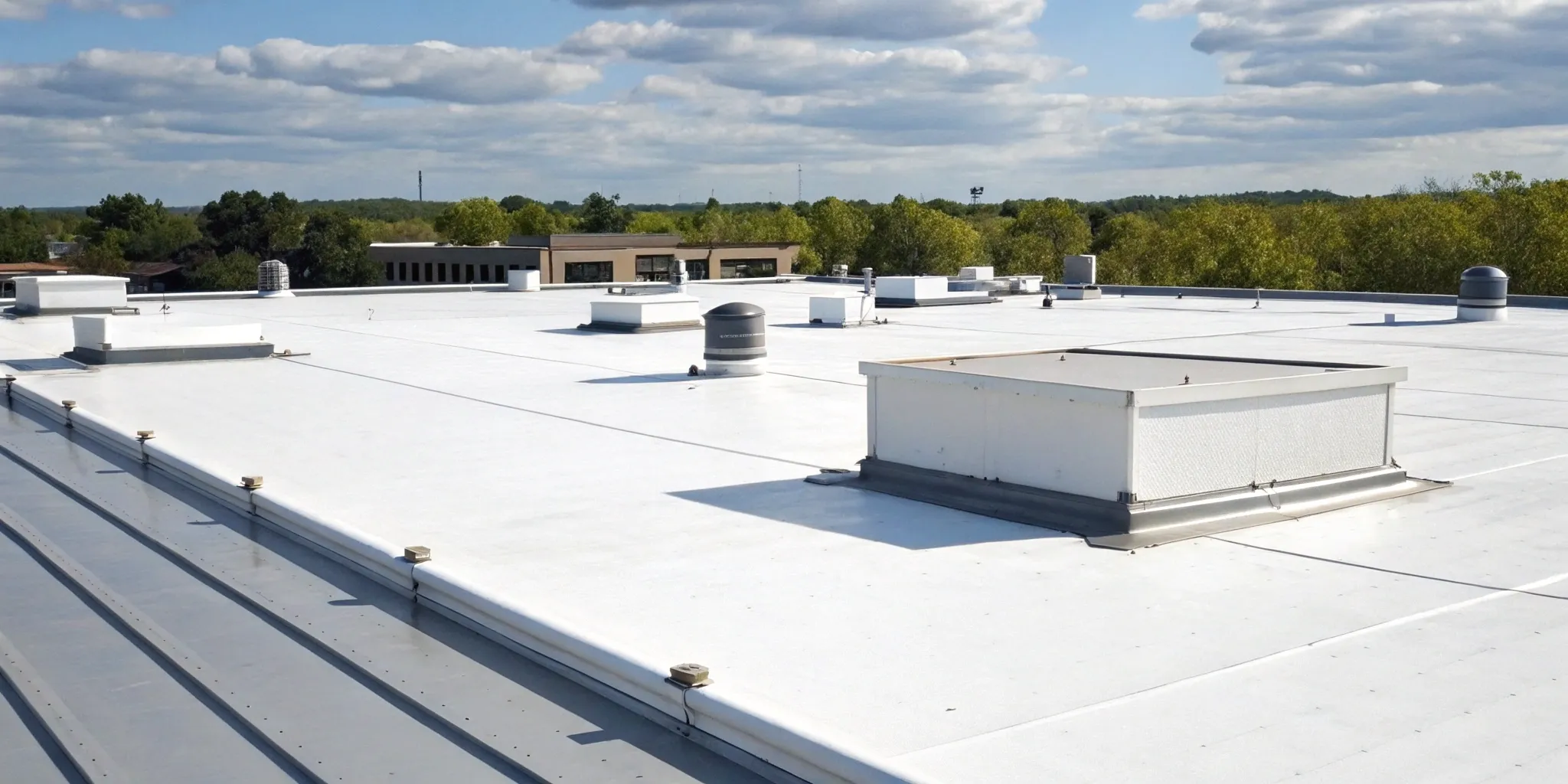
Flat roofs are a practical choice for many commercial buildings in Southern California, but their design makes them susceptible to specific issues. Unlike pitched roofs that shed water easily, flat roofs require a bit more attention to stay in top shape. Knowing what to look for can help you catch small problems before they turn into costly repairs. Regular checks are your best defense against leaks and long-term damage. If you spot any of these common signs, it’s a good idea to get a professional opinion.
Ponding Water and Poor Drainage
If you notice puddles or “ponds” on your roof more than 48 hours after it rains, you have a drainage problem. Flat roofs aren’t perfectly flat; they have a slight slope to guide water toward drains. When that system fails, standing water can cause serious trouble. It accelerates the breakdown of the roof membrane, creating weak spots that lead to leaks. This constant moisture can also attract pests and promote algae growth. A thorough roof inspection can identify blocked drains or sagging areas that are causing the ponding, allowing for a targeted fix before your building’s interior is damaged.
Punctures, Tears, and Blisters
Your roof’s membrane is its first line of defense, but it’s not invincible. Punctures and tears can happen from falling debris, heavy foot traffic during maintenance, or even strong winds. Another thing to watch for are blisters or bubbles on the surface. These indicate that air or moisture is trapped underneath the membrane, which compromises its integrity and can eventually lead to a much larger failure. Addressing these openings quickly is key to preventing water from seeping into the underlying roof structure. Our roof repair services can patch these vulnerabilities and restore your roof’s protective layer.
Failing or Separated Seams
The seams where sections of roofing material are joined together are often the weakest points on a flat roof. Over time, adhesive can degrade, or welds can break down due to weather and temperature fluctuations. When seams separate, they create a direct path for water to get in. This can also make your roof vulnerable to wind uplift, where strong gusts can get under the membrane and peel it back, causing significant damage even without a drop of rain. Properly sealed seams are critical for a watertight roof, so they should be a major focus during any inspection.
Sun Damage and General Wear
Here in Southern California, the sun is relentless. Constant exposure to UV rays can cause roofing materials to become brittle, crack, and shrink over time. This general wear and tear is unavoidable, but it can be managed with proactive care. Without it, the membrane loses its flexibility and becomes more prone to damage from weather or impact. Regular roof maintenance helps protect against sun damage by ensuring protective coatings are intact and the roof is clean, extending its lifespan and keeping your building safe from the elements.
Deteriorating Flashing
Flashing is the material used to seal the edges of your roof where it meets walls, vents, pipes, and HVAC units. It’s a critical component that directs water away from these vulnerable joints. When flashing corrodes, cracks, or pulls away from the structure, it’s like leaving a window open in a rainstorm. Water can easily leak into your building, causing hidden damage that can be difficult to trace. Checking the flashing is a standard part of any professional commercial roofing assessment, as keeping it in good condition is one of the most effective ways to prevent leaks.
What Are the Best Materials for Flat Roof Repair?
When your flat roof needs attention, choosing the right repair material is key to a long-lasting fix. The best option depends on your specific roof, the type of damage it has, and your budget. Different materials offer unique benefits, from extreme durability to energy efficiency. Understanding these choices will help you have a more informed conversation with your roofing contractor and ensure you get the best value for your investment. Let’s look at some of the most common and effective materials used for commercial flat roof repair.
EPDM Rubber Roofing
EPDM (Ethylene Propylene Diene Monomer) is a synthetic rubber membrane that has been a trusted choice for flat roofs for over 50 years. Its track record speaks for itself—some of the first EPDM roofs are still performing well today. This material is incredibly tough, resisting scratches, scuffs, and general wear with ease. It’s a fantastic option for climates with fluctuating temperatures, as it can handle expansion and contraction without cracking. If you’re looking for a durable, proven material that can stand the test of time, EPDM is a solid contender for your roof repair needs.
TPO Thermoplastic Membranes
TPO (Thermoplastic Olefin) is a single-ply roofing membrane known for its excellent performance and energy efficiency. TPO sheets are often white or light-colored, which helps reflect sunlight and can lower your building’s cooling costs—a huge plus in sunny Southern California. This material is also highly resistant to chemicals, oils, and fats, making it an ideal choice for restaurants or industrial facilities where such exposures are common. TPO offers a modern, eco-friendly solution that combines durability with tangible energy savings, making it a popular choice for many commercial property owners.
PVC Roofing Materials
PVC (Polyvinyl Chloride) is another top-tier thermoplastic membrane used for flat roofs. Like TPO, it’s a single-ply material, but its seams are heat-welded together to create a permanent, watertight bond that is exceptionally strong. This process makes the roof highly resistant to leaks, wind, and fire. Because the quality of the installation is so critical for performance, applying PVC roofing is a job best left to experienced professionals. When installed correctly, a PVC roof provides a durable, long-lasting barrier that can protect your property for decades.
Modified Bitumen
Modified Bitumen is an asphalt-based material designed for low-slope or flat roofs. It’s made in layers and reinforced with materials like polyester or fiberglass, creating a thick, robust surface. This multi-layer system makes it particularly resilient against foot traffic, punctures, and tears, so it’s a great option if your roof has equipment that requires regular maintenance. Many modern modified bitumen products also come with cool-roof surfaces that reflect solar heat, helping to reduce energy consumption and keep your building more comfortable. It’s a time-tested material that has been updated for modern performance.
Coatings and Sealants
Sometimes, a full material replacement isn’t necessary. Protective coatings and sealants can be a cost-effective way to repair minor issues and extend the life of your existing flat roof. These liquid-applied products create a seamless, waterproof membrane over your current roof surface. They can seal small cracks, prevent leaks, and add a reflective layer to shield the roof from damaging UV rays. Applying a high-quality coating can postpone the need for a more extensive roof repair or replacement, saving you money while restoring your roof’s protective capabilities.
Does Your Flat Roof Need Repair? A Quick Assessment Guide
Noticing a small issue with your flat roof can feel unsettling, but catching problems early is the best way to prevent them from turning into expensive headaches. While a professional inspection is always the most reliable way to understand your roof’s condition, you can perform a quick visual assessment to spot common red flags. This guide will walk you through what to look for, both inside and outside your property, so you can decide on your next steps with confidence. Think of it as a preliminary health check for one of your building’s most important assets.
Flat roofs have their own unique set of challenges, especially in Southern California where intense sun and occasional heavy rains can take a toll. Unlike sloped roofs that shed water quickly, flat roofs rely on a slight pitch and a flawless membrane to stay dry. A small breach can lead to big problems. Learning to spot the early signs of trouble empowers you as a property owner, helping you act before a minor repair becomes a major replacement. This quick guide will give you the tools to do just that.
Interior Warning Signs
The first clues that your flat roof might be in trouble often appear inside your building. Water is persistent, and if it finds a way through your roof, it will eventually show up on your ceilings or walls. Keep an eye out for yellowish or brownish stains, which are classic signs of a slow leak. You might also notice paint that is bubbling, peeling, or cracking in specific spots. Continued moisture can lead to more serious issues like damaged insulation and the growth of unhealthy mold, so if you detect a persistent musty smell, it’s time to investigate further. These interior signs are your building’s way of telling you to look up and address the problem before it worsens.
Your Exterior Inspection Checklist
If you can safely access your roof, a visual check can reveal a lot. The biggest enemy of a flat roof is standing water. Because these roofs have a low slope, they can struggle with proper drainage. If you see puddles that remain for more than 48 hours after it rains, it’s a sign of “ponding,” which can rapidly degrade roofing materials and add stress to the structure. Also, look for blisters, bubbles, or cracks in the roof’s surface, as these indicate trapped moisture or sun damage. It’s also a good idea to check the seams where roofing panels meet to ensure they aren’t separating or pulling apart. Finally, clear away any debris like leaves or branches, as they can clog drains and cause water to back up.
When to Call a Professional
A DIY assessment is a great starting point, but some issues require a trained eye. If you spot any of the interior warning signs or see obvious damage like blisters or large tears on the roof surface, it’s time to call for a professional roof inspection. An expert can identify the root cause of the problem, which isn’t always obvious, using specialized tools and knowledge. They can also provide a detailed estimate that outlines the scope of work, materials, and warranty—something you should always expect. Vague or surprisingly low quotes often leave out critical details, so getting a thorough assessment from a certified professional is key to a lasting and reliable repair.
Why Seasonal Checks Matter
Your roof is constantly exposed to the elements, from Southern California’s intense summer sun to the occasional winter storm. That’s why seasonal checks are so important for extending its lifespan. We recommend having your roof inspected at least twice a year: once in the spring to prepare for the heat and once in the fall before the rainy season begins. This proactive approach allows you to catch and address minor issues like small cracks or clogged drains before they lead to major leaks. Regular roofing services and maintenance are far more affordable than emergency repairs and give you peace of mind that your property is protected year-round, no matter what the weather brings.
What Will Flat Roof Repair Cost You?
Figuring out the budget for a flat roof repair can feel like a guessing game, but several key factors determine the final price. Understanding these variables will help you know what to expect when you get a quote. The cost isn’t just a single number; it’s a combination of materials, labor, and the specific condition of your roof. A straightforward patch job will cost significantly less than a repair that involves addressing underlying structural issues. Let’s break down what goes into the total cost so you can approach your repair project with confidence.
What Influences the Final Price?
The final price tag on your flat roof repair depends on a few core elements. First is the sheer size of the area that needs work—a larger repair zone naturally requires more materials and time. The type of roofing material you choose also plays a big role, as some are more expensive than others. Another factor is accessibility; a roof that’s difficult or dangerous to get to may increase labor costs. Finally, a thorough roof inspection can uncover hidden problems like water damage to the underlying deck, which would need to be fixed and add to the overall project scope and cost.
Breaking Down Material Costs
When you look at a repair estimate, materials typically make up a significant portion of the total—often around 60% to 70%. The specific material used for your flat roof, whether it’s EPDM rubber, TPO, or modified bitumen, will have its own price point. More durable or energy-efficient materials might have a higher upfront cost but can save you money over time. The estimate should also include associated supplies like adhesives, flashing, and fasteners. Choosing the right materials is a balance between your budget and long-term performance, and a professional can help you decide what’s best for your property’s needs.
Factoring in Labor and Installation
The other major component of your repair cost is labor. Proper installation is critical for a flat roof, as even small mistakes can lead to pooling water and leaks. You’re not just paying for time; you’re paying for the expertise and skill required to create a seamless, watertight seal. A professional roofer’s daily rate can vary based on their experience and the complexity of the job. While it might be tempting to cut corners here, investing in a qualified, certified team for your roofing services ensures the repair is done right the first time, preventing more expensive problems down the road.
Emergency vs. Planned Repair Costs
Many property owners put off roof maintenance because they worry about the expense, but waiting for an emergency is almost always the more costly option. A planned repair allows a contractor to work in good weather and on a standard schedule. An emergency call, on the other hand, often involves premium rates for immediate service and can come with extra costs for temporary fixes and water damage mitigation. Being proactive with regular maintenance and addressing small issues before they become major leaks is the most effective way to manage your roofing budget and protect your property from unexpected, high-cost repairs.
Repairing vs. Replacing: A Cost Analysis
Sometimes, the big question is whether to repair a section or replace the entire roof. If your roof is relatively new (less than 10 years old) and only has a few minor issues, a targeted repair is usually the most sensible choice. However, if your roof is nearing the end of its typical 10-to-20-year lifespan, has widespread damage, or needs frequent fixes, a full replacement is often the better long-term investment. While the upfront cost is higher, a new roof eliminates the cycle of constant repairs and provides peace of mind with a fresh warranty and updated materials.
Finding the Right Contractor for Your Flat Roof Repair
Once you’ve identified a problem with your flat roof, the next step is finding the right professional to fix it. The contractor you choose will determine the quality and longevity of the repair, so it’s worth taking the time to find a true expert. A great contractor doesn’t just patch a leak; they diagnose the root cause and provide a lasting solution that protects your investment. Think of it as finding a long-term partner for your property’s health. To make sure you’re hiring a qualified and trustworthy professional, focus on a few key areas: their credentials, their specific experience, the clarity of their estimates, their reputation, and the guarantees they offer for their work. Following these steps will help you feel confident in your decision and ensure your flat roof gets the expert care it needs.
Check for Licensing and Insurance
Before you even discuss the details of your roof, your first question should be about licensing and insurance. This is non-negotiable. A valid contractor’s license proves they meet state requirements, while proper insurance protects you from any liability for accidents that might happen on your property. Ask for proof of both general liability insurance and workers’ compensation. Any reputable roofing company will have this information ready to share. You can also verify a contractor’s license status through the California Department of Consumer Affairs. This simple check is your first line of defense and a clear indicator of a contractor’s professionalism and reliability.
Look for Proven Flat Roof Experience
Flat roofs aren’t the same as pitched residential roofs—they require specialized knowledge, materials, and techniques. You don’t want a generalist; you need a specialist. When vetting contractors, ask specifically about their experience with commercial flat roofs. How many have they repaired or installed? Are they familiar with your specific roofing material, whether it’s TPO, EPDM, or modified bitumen? An experienced contractor will be able to inspect your roof, listen to your concerns, and recommend the best course of action for your building and budget. Look for a company that proudly showcases its commercial roofing projects and can speak confidently about the unique challenges of flat roof systems.
Compare Quotes and Services
It’s always a good idea to get more than one quote, but don’t let price be your only guide. The cheapest bid is often not the best value. A detailed, written estimate is a sign of a thorough professional. Your quote should clearly outline the scope of work, the specific materials to be used, the projected timeline, and the terms of the warranty. If an estimate is vague or confusing, ask for clarification. A contractor who is transparent and willing to walk you through the details is more likely to deliver quality work. Compare what each quote includes to ensure you’re making an apples-to-apples comparison of the services offered.
Read Reviews and Ask for References
What past clients say about a contractor is one of the best indicators of the experience you can expect. Look for recent reviews on independent sites like Google, Yelp, and the Better Business Bureau to get a sense of their reputation for quality, communication, and customer service. Don’t hesitate to ask the contractor for references from previous commercial flat roof projects. Speaking directly with a past client can give you invaluable insight into their workmanship and professionalism. A confident contractor with a history of successful projects, like those in our photo gallery, will be happy to connect you with satisfied customers.
Understand Warranties and Maintenance Plans
A solid repair should come with a guarantee. Before signing a contract, make sure you understand the warranties offered. There are typically two types: a manufacturer’s warranty on the materials and a contractor’s warranty on the workmanship. A strong workmanship warranty shows that the contractor stands behind their work. Beyond the initial repair, ask about ongoing roof maintenance plans. Regular, proactive inspections and upkeep can prevent small issues from turning into major, costly problems down the road, extending the life of your roof and protecting your property for years to come.
Related Articles
- 6 Types of Commercial Flat Roofing Explained – Cert-A-Roof Roof Inspections
- The 4 Main Types of Commercial Roofing Systems – Cert-A-Roof Roof Inspections
Frequently Asked Questions
How often should I really have my flat roof inspected? For commercial properties here in Southern California, a professional inspection twice a year is the sweet spot. A check-in during the spring helps ensure your roof is ready for the intense summer sun, while a fall inspection prepares it for the rainy season. This regular schedule is the best way to catch small issues like clogged drains or minor cracks before they have a chance to cause serious water damage.
My roof isn’t leaking, but I see some bubbles on the surface. Is this an emergency? While you probably don’t need to call for an emergency repair in the middle of the night, those bubbles are a definite warning sign. They indicate that air or moisture is trapped beneath the roof’s membrane, which compromises its protective layer. If you ignore them, they can expand and eventually lead to a significant tear or leak. It’s best to have a professional take a look sooner rather than later to address the problem while it’s still manageable.
Can I just use a sealant from the hardware store on a small leak myself? It can be tempting to try a quick DIY fix, but it often does more harm than good. The spot where water is showing up inside isn’t always directly below the entry point on your roof. A professional can trace the leak to its true source and fix the underlying problem. Simply patching the surface might stop the drip for a little while, but it won’t solve the issue that caused the leak in the first place.
Will a professional repair extend the life of my roof, or is it just a temporary fix? A high-quality repair is much more than a temporary patch. When done correctly with the right materials, a repair restores the integrity of your roof and is meant to last for years. The goal is to create a seamless fix that performs just as well as the rest of your roof. This is why choosing an experienced contractor is so important—they ensure the repair is a durable, long-term solution, not just a quick fix.
What’s the difference between a roof inspection and a roof certification? A roof inspection is a thorough assessment of your roof’s current condition. A professional will identify any existing problems, areas of wear, and potential future issues, then recommend necessary repairs or maintenance. A roof certification, on the other hand, is a formal guarantee that the roof is free of leaks and should remain so for a specific period. It’s a document often required during real estate transactions to provide assurance to buyers and lenders.
Comment (0)