Why You Need a Certified Roof Inspection for Hail Damage
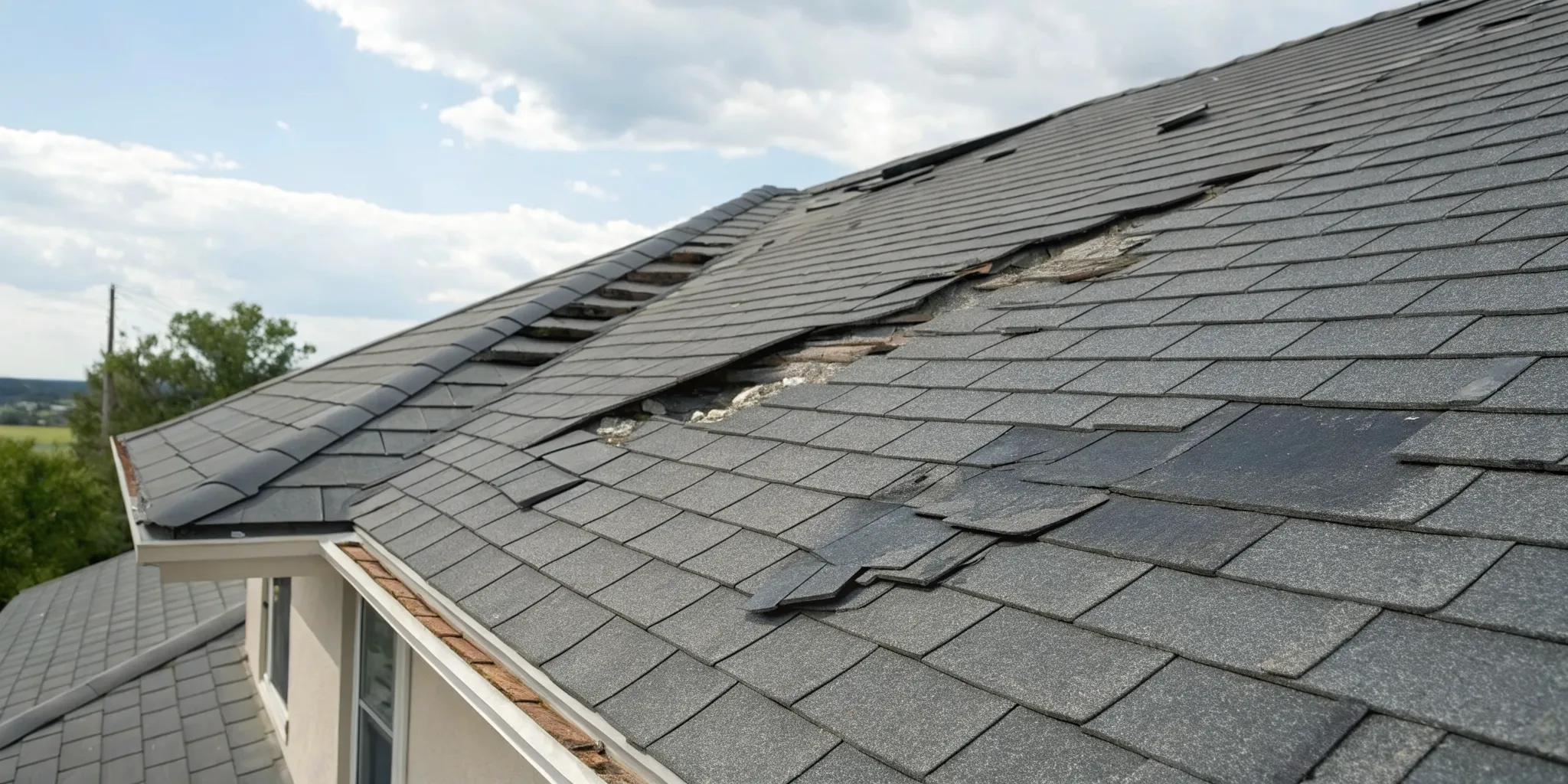
The most dangerous thing about hail isn’t the loud, obvious impacts; it’s the subtle, hidden damage left behind. A hailstorm can weaken your roof’s integrity without leaving a single shingle on the ground. It creates tiny fractures and bruises that compromise the protective outer layer, exposing it to moisture and UV rays. Over time, this unseen damage leads to slow leaks, attic mold, and rotting wood, all of which are expensive and difficult to fix. The only way to uncover these hidden threats before they become major problems is with a certified roof inspection for hail damage. A trained expert knows exactly what to look for, identifying issues you would never spot from the ground. This guide explains the systematic process inspectors use to find every bit of damage and protect your home’s long-term health.
Key Takeaways
- Look Beyond Obvious Damage: A certified inspector is trained to spot hidden hail damage, like shingle bruising and granule loss, which can cause serious leaks long after the storm has passed.
- Document Everything for Insurance: A certified inspection provides the official, detailed report you need to file a successful insurance claim, ensuring you get fair compensation for all necessary repairs.
- Hire a True Hail Damage Expert: Don’t settle for a general contractor; look for an inspector with specific qualifications, like a HAAG certification, and always confirm they are licensed and insured to protect your home.
What Is a Certified Hail Damage Inspection?
After a hailstorm, you might be tempted to just glance up at your roof and assume everything is fine. But a certified hail damage inspection is much more than a quick look. It’s a detailed assessment performed by a trained professional who knows exactly what to look for. The goal is to find and document every bit of damage, from obvious dents to subtle cracks that could cause major problems down the line. This isn’t just about spotting a few missing shingles; it’s a comprehensive evaluation of your entire roofing system, including flashing, vents, and gutters.
To get this level of detail, you need a qualified and certified roofing inspector who can provide an official report. This documentation is essential for making necessary repairs and is often required when filing an insurance claim. Think of it as getting an expert diagnosis for your home’s most important protective layer. A certified inspection provides a credible, unbiased assessment that holds up with insurance companies and gives you a clear, accurate picture of your roof’s condition so you can take the right steps to fix it. It’s the official first step toward restoring your roof and protecting your home.
Why a Certified Inspection Is Crucial After a Storm
It’s easy to underestimate the impact of hail. A few small dings might not seem like a big deal, but even minor damage can compromise your roof’s integrity. Over time, these weak spots can lead to serious issues like leaks, mold growth, and even higher energy bills as your home’s insulation is affected. The problem is that much of this damage isn’t visible from the ground, and you might not notice anything is wrong until water is already dripping from your ceiling.
A professional inspector has the training to spot the subtle signs of hail damage that an untrained eye would miss. Getting a thorough inspection right after a storm is the best way to catch these problems early. It allows you to address repairs before they spiral into costly, complex issues, protecting both your property and your peace of mind.
DIY vs. Professional Inspection: What’s the Difference?
While the DIY spirit is admirable, inspecting your own roof for hail damage is one area where it’s best to call a professional. First, there’s the issue of safety. Climbing on a roof is dangerous without the proper equipment and training, especially if the surface is already damaged. Second, you may not know what to look for. Professionals can identify bruising, cracking, and granule loss on shingles that are easy to overlook.
Even a general home inspector might not have the specialized knowledge needed for a detailed roof assessment. A certified roof inspector uses specific techniques to evaluate the entire roofing system. This expert evaluation gives you the credible, detailed evidence you need for a successful insurance claim and ensures your roof certification accurately reflects its condition. A professional inspection simply provides a level of detail and safety you can’t achieve on your own.
How a Certified Inspector Checks for Hail Damage
When a certified professional inspects your roof for hail damage, they follow a detailed and systematic process. It’s much more than a quick glance from the ground. They are trained to identify subtle signs of impact that an untrained eye would easily miss, ensuring that the full extent of the damage is documented. This methodical approach is designed to protect your home from future leaks and structural issues while providing the concrete evidence you need for a successful insurance claim.
The Tools and Techniques They Use
A certified inspector brings more than just a ladder to the job. They come equipped with specialized training, often from programs like HAAG, which teaches them to distinguish hail damage from normal weathering, blistering, or installation defects on every type of roofing material. They use specific techniques, like examining the roof from different angles and under various lighting conditions, to spot subtle indentations and fractures. Using tools like chalk to outline damaged areas and high-resolution cameras for detailed photos, they build a clear picture of the storm’s impact. This expert roof inspection process ensures nothing is overlooked.
How They Document and Measure Damage
Proper documentation is the most critical part of a hail damage inspection. Your inspector will meticulously record their findings with detailed notes, measurements, and photographs. They often mark a 10-by-10-foot test square on each slope of your roof to count the number of hail hits, measuring their size and assessing their severity. This data provides objective proof for your insurance company. They’ll also document damage to gutters, flashing, and vents. This thorough report not only supports your claim but also serves as a valuable record for future roof maintenance, helping you catch small issues before they become costly problems.
Finding Damage You Can’t See
Some of the most serious hail damage is completely invisible from the ground. Hail can cause bruising and cracking underneath the shingles, compromising their integrity without leaving an obvious mark on the surface. An inspector knows to look for subtle signs, like missing granules that look like dark spots, which expose the underlying mat to UV rays and moisture. This hidden damage weakens your roof over time and can lead to leaks weeks or even months later. A professional has the training and safety equipment to get on your roof and identify these hard-to-spot issues, protecting your home from long-term harm.
What to Look for in a Certified Roof Inspector
After a hailstorm, you’ll likely see a lot of roofing companies offering inspections. But not all inspectors have the same level of training or expertise, especially when it comes to the subtle, tricky damage hail can leave behind. Choosing the right professional is the most important step you can take to protect your home and ensure a smooth insurance claim process. You need someone who can spot every issue, document it correctly, and give you a clear, honest assessment. Here’s what to focus on when you’re vetting potential inspectors.
Key Certifications (Like HAAG) and Standards
When you’re looking for an expert, certifications are your best friend. They prove an inspector has gone through rigorous, specialized training. For hail damage, the gold standard is the Haag Certified Inspector program. Inspectors with this credential have learned to assess damage on all major types of commercial and residential roofs. They know exactly how hail and wind affect different materials, which means they can identify damage that a less-trained eye might miss. Asking for this certification is a simple way to filter for inspectors who have a deep, technical understanding of storm damage and are committed to their craft.
Verifying Their License and Insurance
This one is non-negotiable. Before you let anyone on your roof, confirm they are fully licensed and insured. A valid license shows they meet state and local requirements to perform inspections, while insurance protects you from any liability if an accident happens on your property. Hiring licensed and insured professionals is a fundamental step in protecting yourself and your home. A reputable company will always be upfront with this information and should provide documentation without hesitation. If they can’t or won’t, consider it a major red flag and move on.
Confirming Their Hail Damage Experience
General roofing experience is great, but hail damage assessment is a specific skill. You want an inspector who has spent significant time evaluating storm-damaged roofs. Experienced inspectors understand the patterns of hail impacts and can distinguish fresh damage from old blemishes or manufacturing defects. This expertise is often gained through years of fieldwork and specialized training that covers everything from tornadic wind to the effects of different hail sizes. An inspector with deep hail damage experience will provide a more accurate and thorough report, which is exactly what you need for a successful insurance claim.
How a Certified Inspection Helps Your Insurance Claim
After a hailstorm, dealing with your insurance company can feel like a second storm. A certified roof inspection isn’t just about finding damage; it’s about building a strong, undeniable case for your insurance claim. Having a professional report from a certified inspector simplifies the entire process, making it less stressful and more likely to end in your favor. It provides the proof you need to get your roof repaired correctly and without cutting corners. Let’s look at how this works.
Getting the Right Documentation for Your Claim
Your insurance adjuster needs clear, credible evidence of hail damage, and a certified inspection report is your best tool. This isn’t just a simple checklist; it’s a detailed document filled with high-resolution photos, precise measurements, and a professional assessment of the damage. Certified inspectors are trained to find issues you might not see, like subtle bruising on shingles or hidden cracks that can lead to major leaks later. This thorough documentation leaves no room for doubt, showing your insurance provider exactly what needs to be repaired. A comprehensive roof inspection gives them everything they need to approve your claim quickly.
Understanding the Timeline for Filing
Most insurance policies give you a limited time to file a claim after a storm, often around one year. That might sound like a lot of time, but it can pass quickly. Getting a certified inspection right away helps you find and document the damage well within that window. A professional report establishes a clear record of the damage and when it was assessed, which is crucial for your claim’s timeline. Waiting too long can put your claim at risk of being denied simply because you missed the deadline. Acting promptly ensures you have the official paperwork you need to move forward with confidence.
How to Maximize Your Insurance Claim
A certified inspection is key to ensuring your insurance settlement covers the full cost of repairs. Hail damage often shortens your roof’s lifespan, and an inspector’s report will document this long-term impact. Fixing small problems found during an inspection is much more affordable than facing a full roof replacement down the road because minor issues were overlooked. A certified inspector provides an unbiased, expert assessment that helps you receive fair compensation for all necessary roofing services. Some roofing professionals can even work with your insurance adjuster, using their expertise to explain the findings and make sure nothing gets missed.
What Are the Telltale Signs of Hail Damage?
After a hailstorm passes, it’s easy to feel relieved that the noise has stopped. But the storm’s impact might just be getting started. Hail damage can be surprisingly subtle, and what looks like a few minor scuffs from the ground can be a serious problem for your roof’s integrity. The key is knowing what to look for, both on the outside of your home and within. Some signs are obvious, like dented gutters or cracked siding. Others are much harder to spot, especially on your shingles. These hidden issues are why a post-storm check is so important.
Small, unaddressed problems can quickly escalate, leading to leaks, rot, and expensive repairs down the road. A single cracked shingle can allow water to seep into your attic, compromising insulation and wooden structures. Over time, this moisture can lead to mold growth and even threaten your home’s electrical systems. Understanding the telltale signs helps you catch damage early and protect your home. It’s the first step in knowing when to call a professional for a thorough assessment to ensure your roof is still doing its job of protecting everything underneath it.
What to Look for on the Outside
Start by looking at your roof from a safe vantage point. On asphalt shingles, hail hits often look like random black dots or bruises where the protective granules have been knocked away. You might even see shiny asphalt or exposed roof felt underneath. A key giveaway is finding a collection of these granules, which look like coarse black sand, in your gutters and downspouts. For other materials, look for dents on metal flashing, vents, and chimney caps. If you have tile or slate, check for any cracks or chips. It’s often difficult to see this kind of damage from the ground, which is why a professional roof inspection is the safest and most effective way to get a clear picture of your roof’s condition.
Warning Signs Inside Your Home
Damage on the outside of your roof eventually finds its way inside. The most common interior sign is a water stain on your ceiling or walls. These stains might look like small, brownish rings that grow larger after it rains. You might also notice peeling paint near your roofline or, in more serious cases, an active drip. By the time you see evidence inside, the damage has already allowed water to penetrate your roof’s defenses. This moisture can compromise your home’s structural elements and even create electrical hazards. Catching the problem before it gets to this point is ideal, as it can prevent the need for more extensive roof repairs and interior work.
How to Prepare for Your Roof Inspection
A roof inspection can feel like a big deal, but a little preparation goes a long way in making the process smooth and effective. Knowing what to do before your inspector arrives and what to expect during their visit helps you get the most out of their expertise. Your main job is to provide clear access and share any concerns you have. The inspector’s job is to handle the technical assessment. By working together, you can get a clear and accurate picture of your roof’s condition, which is the first step toward a solid repair plan and a successful insurance claim.
Simple Steps to Take Before They Arrive
Your inspector needs safe and easy access to do their job thoroughly. Before they arrive, take a few minutes to clear the way. Move any vehicles from the driveway and clear patios or decks of furniture, grills, and potted plants that might be under the roofline. It’s also a good idea to secure any pets indoors so they don’t get in the way or become anxious.
Inside, make sure the path to your attic access is clear. Finally, jot down a list of any specific issues you’ve noticed, like water spots on the ceiling or shingles you’ve found in the yard. Sharing this information helps your inspector focus on your primary concerns during the roof inspection.
What to Expect on Inspection Day
On the day of the inspection, a certified professional will conduct a detailed evaluation of your entire roofing system. They won’t just glance at it from the ground; they will get on the roof to examine every component up close. This includes checking for damage to shingles, flashing around chimneys and vents, and the condition of your gutters. They are trained to spot subtle signs of hail impact that an untrained eye would easily miss.
The inspector will take extensive photos and detailed notes to document their findings. They may also need to look inside your attic for signs of leaks or water damage. Afterward, they will discuss their initial observations with you and explain the next steps. You’ll receive a comprehensive report, which is essential for your insurance claim documentation.
How Much Does a Hail Damage Inspection Cost?
When you’re dealing with the aftermath of a hailstorm, the last thing you want is another unexpected expense. The good news is that getting a professional opinion on your roof’s condition is quite affordable. A dedicated hail damage inspection typically costs between $150 and $300. Think of this not as a cost, but as a small investment in protecting your home’s largest and most important asset.
This fee covers a trained expert’s time to thoroughly assess every part of your roof system for damage, some of which is nearly impossible to spot from the ground. A comprehensive roof inspection provides you with a detailed report that documents any issues. This documentation is incredibly valuable, especially when you need to file an insurance claim. Paying a modest fee for an unbiased, expert assessment can save you from overlooked damage that could lead to thousands of dollars in repairs down the road. It’s peace of mind you can hold in your hand.
What Influences the Cost?
Not all roofs are created equal, so the price of an inspection can vary. The final cost usually depends on a few key factors. The size of your roof is the most obvious one; a larger roof simply takes more time to inspect thoroughly. The complexity of its design also plays a big role. A steep, multi-level roof with dormers and valleys requires more safety equipment and expertise to examine than a simple, low-slope roof on a single-story home. The type of roofing material can also affect the price, as some materials require more specialized knowledge to assess correctly.
Are Free Inspections an Option?
You’ve probably seen ads for free roof inspections, and yes, they are a real thing. Many roofing companies offer a free look at your roof, especially after a storm. This is often a preliminary step to providing you with a quote for repairs or replacement. While this can be a great way to get an initial assessment without an upfront cost, it’s important to understand its purpose. A free inspection is typically a sales tool designed to generate repair work for that company.
For an unbiased and detailed assessment you can use with any contractor or your insurance company, a paid, certified inspection is your best bet. When you get in touch with a certified inspector, you’re paying for their professional, objective opinion, not a sales pitch.
How to Choose the Right Inspection Company
After a hailstorm, you’ll likely see a lot of roofing companies in your neighborhood. Finding the right partner can feel overwhelming, but it’s one of the most important decisions you’ll make. You need someone who can accurately assess the damage to protect your home and streamline your insurance claim. The key is to look for a company with the right qualifications and a proven track record.
Focus your search on professionals who are certified roofing inspectors. Certification isn’t just a piece of paper; it means the inspector has completed rigorous training and understands the specific ways hail can compromise different roofing materials. They know how to spot subtle damage that an untrained eye might miss, ensuring you get a complete and accurate picture of your roof’s condition. Choosing a certified expert gives you confidence that the inspection will be thorough and reliable.
Questions You Should Always Ask
When you call a potential inspection company, having a few key questions ready can tell you a lot about their process and expertise. Think of it as a mini-interview to ensure they’re the right fit for the job.
Start by asking, “What is your process for a roof certification?” A reputable company will have a clear, multi-step inspection process designed to meet national standards. They should be able to walk you through exactly what they’ll look for and how they document their findings. Also, be direct and ask, “What is your specific experience with hail damage assessments?” General roofing experience is good, but expertise in hail damage is better. This specialized knowledge is critical for an accurate report.
Red Flags to Watch Out For
Just as important as knowing what to look for is knowing what to avoid. A few common red flags can help you steer clear of unqualified or untrustworthy contractors.
First, a lack of certification is a major warning sign. An uncertified inspector may not have the training to identify all types of hail damage, which could leave you with undiscovered problems that worsen over time. Second, be wary of anyone who provides vague or minimal documentation. A professional inspector will always give you a detailed, written report of their findings, which is essential for your insurance claim. Finally, watch out for high-pressure sales tactics or offers that seem too good to be true. A trustworthy company will give you the information you need without pressuring you into an immediate decision.
Common Mistakes to Avoid with Hail Damage
After a hailstorm, it’s easy to make a few missteps that can lead to bigger headaches and costs down the road. Your roof is your home’s first line of defense, and overlooking hail damage can compromise its integrity. Knowing what to do (and what not to do) can save you a lot of stress and money. Let’s walk through some of the most common mistakes homeowners make so you can feel confident in your next steps.
Debunking Hail Damage Myths
One of the biggest myths is that if you can’t see damage from your yard, your roof is fine. Unfortunately, hail damage isn’t always obvious. Small dents, cracks, and granule loss on shingles are often invisible from the ground but can cause serious problems over time. Another common belief is that a new or sturdy roof is immune to hail. The truth is, even the most well-maintained roofs can be damaged by severe weather. That’s why a professional roof inspection is so important; a trained eye can spot subtle issues that an untrained one would miss.
The Risk of Waiting Too Long
I know how easy it is to put things off, but delaying a roof inspection after a hailstorm is a risky move. What starts as a small, unseen crack can allow water to seep into your roof deck, attic, and walls. This moisture can lead to wood rot, mold growth, and damaged insulation, which can drive up your energy bills. Addressing minor issues early is always more affordable than waiting until you have a major leak or need a full roof replacement. Acting quickly protects your home and your wallet from more extensive and expensive storm damage repairs.
Why the Cheapest Option Isn’t Always Best
When you’re facing an unexpected repair, it’s tempting to go with the lowest bid. However, a suspiciously cheap quote can be a red flag. It might mean the contractor is cutting corners, using low-quality materials, or isn’t properly licensed and insured. A certified professional brings expertise that is well worth the investment. They know how to identify all potential issues, ensuring nothing is overlooked. Choosing a reputable company with deep local experience means you’re getting a team that understands how to protect your home for the long haul, giving you true peace of mind.
Related Articles
- How to Handle Roof Repair for Storm and Wind Damage – Cert-A-Roof Roof Inspections
- Storm Damage – Cert-A-Roof Roof Inspections
- Roof Inspection for Homeowners Insurance: What to Expect – Cert-A-Roof Roof Inspections
Frequently Asked Questions
Do I still need an inspection if I can’t see any damage from the ground? Yes, absolutely. Some of the most significant hail damage, like bruising under the shingles or tiny cracks, is completely invisible from your yard. This hidden damage is what often leads to slow leaks, rot, and bigger problems down the line. A certified inspector has the training and safety equipment to get on the roof and spot these subtle issues before they become costly headaches.
Should I call my insurance company before or after getting a certified inspection? Getting an independent, certified inspection before you call your insurance company is a smart move. This provides you with a detailed, unbiased report from an expert that documents the full extent of the damage. When you file your claim, you’ll already have credible evidence in hand, which puts you in a much stronger position and helps streamline the entire process.
What’s the difference between a free inspection from a roofer and a paid, certified inspection? A free inspection is usually a preliminary assessment offered by a roofing company to provide a quote for repairs; think of it as part of their sales process. A paid, certified inspection is a comprehensive, objective evaluation of your entire roofing system. You are paying for an expert’s unbiased opinion and detailed documentation that is specifically designed to support an insurance claim and give you a true picture of your roof’s health.
Will a certified inspection report guarantee my insurance claim gets approved? While no report can guarantee an approval, it is the single best tool for building a strong and undeniable case. The final decision always rests with your insurance provider. However, a detailed report from a certified inspector provides the clear, credible evidence they need to validate the damage, which greatly increases the likelihood of a fair and successful claim.
How long does a typical hail damage inspection take, and what happens next? Most inspections take about one to two hours, depending on the size and complexity of your roof. Afterward, the inspector will usually discuss their initial findings with you. You will then receive a complete written report, including photos and detailed notes, a short time later. This report is your key document for moving forward with your insurance claim and getting quotes for any necessary repairs.

Comment (0)