Certified Commercial Roof Inspection and Replacement 101
As a property owner, you have enough to worry about without adding your roof to the list. Yet, after a major storm or as the years pass, it’s easy to wonder what’s happening up there. Are there hidden leaks? Is the structure sound? This uncertainty can be stressful. A professional inspection is the best way to get clear answers and peace of mind. It replaces guesswork with a detailed, actionable report on your roof’s health. We’ll cover everything you need to know about scheduling a certified commercial roof inspection and replacement, from what the process involves to how it helps you plan for the future and prevent emergencies before they happen.
Key Takeaways
- Make Inspections a Routine: Schedule a certified inspection for your commercial roof every spring and fall, as well as after any major storm. This proactive approach is the most effective way to catch small issues before they become expensive, widespread problems.
- Recognize When to Replace, Not Repair: Don’t get caught in a cycle of endless fixes. If your roof is over 20 years old or has recurring leaks and widespread damage, a full replacement is often the smarter long-term financial decision.
- Partner with a Certified Professional: Hiring a certified expert is non-negotiable for protecting your property. They ensure all work is safe, compliant with building codes, and properly documented, which is essential for your warranty and any potential insurance claims.
What Is a Certified Commercial Roof Inspection?
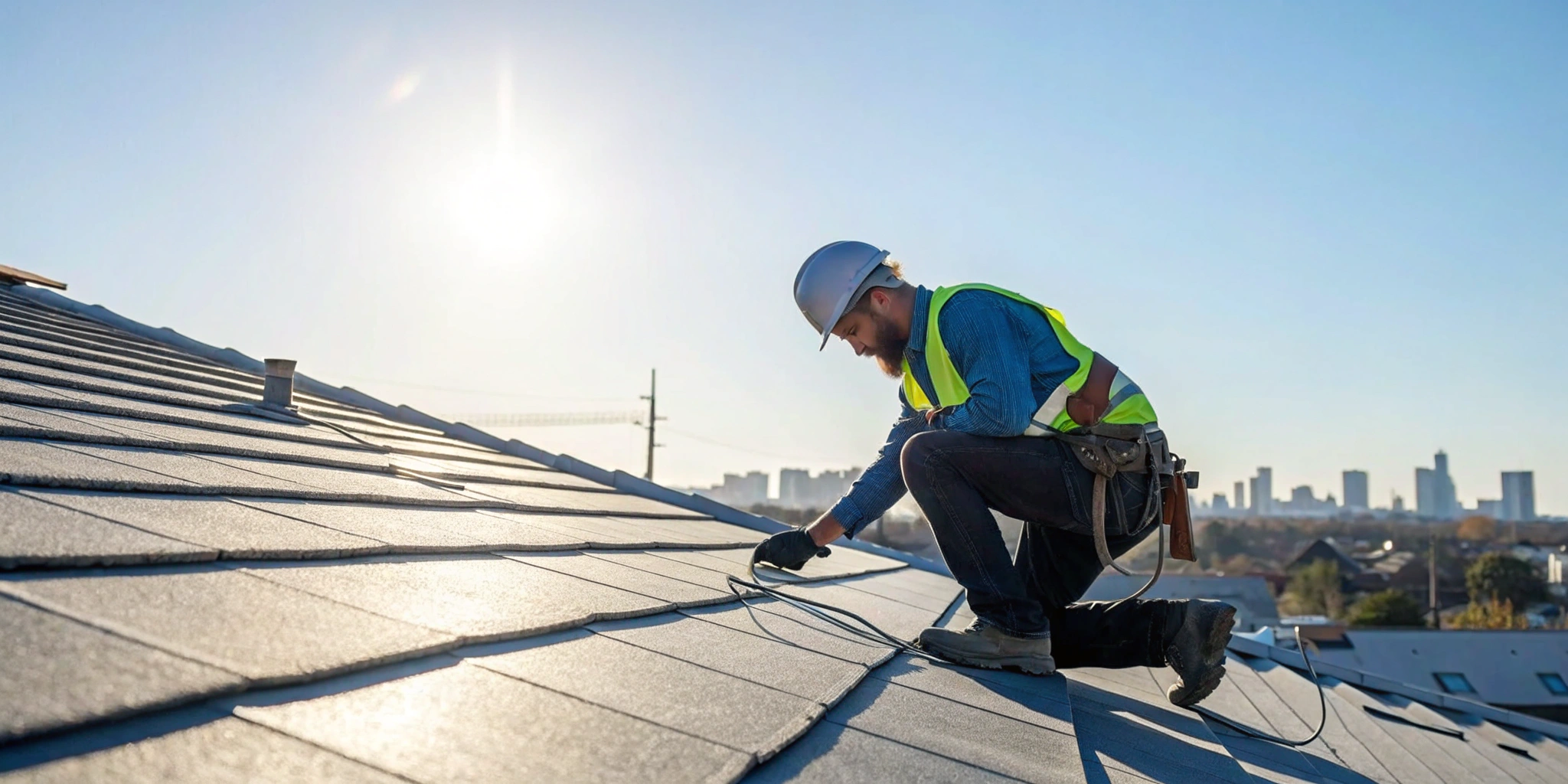
Think of a certified commercial roof inspection as a comprehensive health check-up for the top of your building. It’s far more than a quick glance from the ground. A certified professional conducts a thorough assessment to determine your roof’s current condition, identify potential problems, and estimate its remaining lifespan. This isn’t just about spotting a few loose shingles; it’s a deep analysis that gives you a clear, actionable report on the state of your investment. This process involves examining every layer and component, ensuring nothing is overlooked.
A proper roof inspection provides a detailed evaluation of the roofing material, the flashing around vents and chimneys, the underlying structure, and the drainage systems. The final report gives you the information you need to make smart decisions about maintenance, repairs, or a potential replacement. It’s an essential tool for proactive property management, helping you protect your asset, ensure tenant safety, and plan your budget effectively. By understanding the true condition of your roof, you can address small issues before they become major, costly emergencies, saving you significant money and stress down the road.
Why Your Commercial Property Needs a Certified Inspection
Scheduling a certified inspection is one of the smartest moves a commercial property owner can make. Its primary benefit is catching minor issues early, which prevents them from turning into expensive, disruptive repairs. A small leak or a bit of membrane damage found during an inspection is a simple fix, but if left unchecked, it could lead to significant structural damage and operational downtime. Regular inspections extend your roof’s lifespan, maximizing the return on your initial investment. This proactive approach to commercial roofing keeps your building safe, protects its value, and helps you manage maintenance costs predictably instead of reacting to disasters.
What “Certified” Really Means
The word “certified” is a crucial distinction. It means your inspection is performed by a trained professional who has met rigorous industry standards, not just a general contractor. A certified inspector has the specialized knowledge to assess complex commercial roofing systems accurately. This level of expertise is often required to maintain your roof’s warranty, as many manufacturers specify that work must be done by certified contractors. A roof certification provides you with an official document detailing the roof’s condition, which is invaluable for insurance purposes, property transactions, and securing financing. It’s your proof that the roof has been professionally evaluated and meets a specific standard of quality and safety.
What’s Covered in a Certified Commercial Roof Inspection?
Think of a certified commercial roof inspection as a comprehensive health check for your building’s most important asset. It’s far more than a quick glance from the ground. A certified professional conducts a meticulous, top-to-bottom evaluation to assess the overall health of your roofing system. This process is designed to catch not only obvious signs of wear and tear but also subtle issues that could turn into costly problems down the road.
A thorough roof inspection covers every component, from the surface material and drainage systems to the underlying structural integrity. The inspector will examine the condition of the roofing membrane, check all flashings around vents and HVAC units, assess the state of the gutters and downspouts, and look for any signs of structural stress. The goal is to give you a complete picture of your roof’s condition, identify necessary repairs, and create a plan for future maintenance. This proactive approach helps you protect your investment and ensure the safety of everyone inside the building.
Checking Different Roofing Materials
No two commercial roofs are exactly alike, and different materials have their own unique vulnerabilities. Whether your building has a TPO, PVC, EPDM, or built-up roof, a certified inspector knows exactly what to look for. Each roofing system has specific pain points that professionals are trained to identify. For example, on a single-ply membrane roof, an inspector will search for punctures, seam separation, and blisters. On a metal roof, they’ll check for rust, loose fasteners, and sealant failure. They methodically scan the entire surface for cracks, holes, or any missing material that could compromise your roof’s ability to protect your property.
Assessing Structure and Drainage
A healthy roof is about more than just a watertight surface; its underlying structure and drainage system are just as critical. A key part of a certified inspection involves assessing the structural integrity of the roof deck for signs of sagging or weakness, which could indicate a serious problem. An inspector also focuses heavily on drainage. They will check to make sure gutters, scuppers, and internal drains are clear of debris and functioning correctly. Improper drainage can lead to ponding water, which adds immense weight and stress to the roof structure and rapidly accelerates material deterioration.
Ensuring Safety and Code Compliance
A certified commercial roof inspection also plays a vital role in keeping your property safe and compliant with local building codes. An inspector verifies that all roofing components meet current regulations and that any previous repairs were performed correctly. This is crucial for avoiding potential fines and liability issues. Furthermore, detailed documentation is a standard part of the process. Every inspection and any recommended repairs are photographed and reported, providing you with the clear records you need. This paperwork is often required to keep your manufacturer’s roof warranty intact, making a certified inspection a smart business decision.
Using Technology to Find Hidden Issues
Sometimes, the biggest roofing problems are the ones you can’t see. That’s why certified inspectors often use advanced technology to uncover hidden issues before they escalate. A visual check can miss moisture trapped beneath the roof’s surface, but an infrared moisture scan can detect it instantly by identifying temperature variations. This allows inspectors to pinpoint the exact location of a leak without invasive measures. In some cases, they may also perform core sampling to analyze the different layers of your roof. These techniques provide a much deeper understanding of your roof’s condition, ensuring that no problem goes unnoticed.
How Often Should You Get Your Commercial Roof Inspected?
Think of your commercial roof like any other major asset—it needs regular check-ups to perform its best and last as long as possible. Staying on top of inspections is the single best way to prevent small, fixable issues from turning into catastrophic, budget-breaking emergencies. But how often is often enough? The answer depends on a few key factors, including your roof’s type, its age, and the weather it endures. A proactive approach not only protects your building but also gives you peace of mind. By establishing a consistent inspection schedule, you can catch problems early and keep your property safe.
Inspection Schedules for Different Roof Types
As a general rule, it’s smart to have your commercial roof inspected twice a year, ideally in the spring and fall. This allows a professional to assess any damage from winter storms and prepare your roof for the heat of summer, and vice versa. This biannual schedule is a solid baseline for most systems, from TPO to modified bitumen. Regular commercial roofing services ensure your roof is performing as it should. These checks confirm that the installation is holding up, the materials are in good shape, and there isn’t any hidden damage that could compromise your building’s integrity.
When to Inspect After Bad Weather
Mother Nature doesn’t always stick to a schedule, and neither should your roof inspections. After any significant weather event, it’s crucial to have a professional take a look. Here in Southern California, that could mean after a major rainstorm, high winds, or a hailstorm. Even if you can’t see any obvious damage from the ground, strong winds can lift seams and flashing, while hail can cause punctures you’d never spot otherwise. A post-storm roof inspection is a non-negotiable step to ensure small breaches don’t lead to extensive water damage and costly interior repairs.
Why Your Roof’s Age Matters
Just like anything else, roofs have a finite lifespan. Most commercial roofs are designed to last between 20 and 30 years. If your roof is approaching this age, it’s time to increase the frequency of your inspections. As materials age, they become more brittle and susceptible to damage from the elements. Regular check-ups on an older roof help you monitor its condition closely, allowing you to budget for an eventual replacement instead of being surprised by a sudden failure. This proactive planning is key to managing your property’s long-term health and value.
Is It Time to Replace Your Commercial Roof?
Deciding between repairing and replacing your commercial roof is a major financial decision. While repairs can often solve immediate problems, there comes a point when a full replacement is the smarter, more cost-effective choice. Knowing the signs can help you protect your investment and prevent small issues from turning into catastrophic failures. A proactive approach, guided by professional insight, ensures the longevity and safety of your property.
Key Signs You Need a Replacement, Not a Repair
Sometimes a patch just won’t do. If you’re dealing with recurring problems, it’s a strong signal that the underlying issues are too widespread for simple fixes. When you notice sagging areas on the roof deck, widespread missing or damaged shingles, or persistent leaks that keep coming back despite repairs, it’s time to consider a replacement. These are often symptoms of a system-wide failure. The best way to know for sure is to get a professional inspection. An expert can assess the full extent of the damage and help you determine if another repair is just a temporary fix for a permanent problem.
Considering Your Roof’s Age and Material
The age of your roof is one of the most straightforward indicators. Most commercial roofs are designed to last between 20 and 30 years. If your roof is approaching or has surpassed this age range, it’s likely nearing the end of its functional life, and you should start planning for a replacement. However, age isn’t the only factor. Some property owners assume any sign of wear on an older roof means it’s time for a total overhaul. But if caught early, professional roofing services can often extend its life by several more years, saving you money without compromising safety.
Spotting Red Flags: Leaks, Blisters, and Damage
Keep an eye out for specific warning signs on your roof’s surface. If you see puddles of water lingering long after it rains, it points to low spots and poor drainage, which can happen when insulation gets compressed. Another red flag is blistering on the roof’s membrane, which looks like bubbles on the surface. This indicates that moisture or air is trapped underneath, often due to installation errors or material failure. Finally, don’t underestimate the impact of weather. Visible storm damage is a clear reason for concern, but even if you don’t see obvious issues after a hailstorm, it’s wise to have a professional check for hidden damage.
Why Hire a Certified Pro for Your Roof?
When it comes to your commercial roof, taking a shortcut is never a good idea. While a DIY approach or hiring a general handyman might seem like a way to save a few dollars, it often leads to bigger headaches and higher costs down the road. Bringing in a certified professional isn’t just about getting the job done; it’s about protecting your investment, ensuring safety, and gaining peace of mind. A certified team has the training, tools, and deep knowledge to handle the complexities of commercial roofing, from initial inspection to final sign-off.
Guaranteed Expertise and Safety
A commercial roof is a complex system, and working on one requires a specific set of technical skills. Certified professionals bring a level of expertise that you simply won’t find elsewhere. They understand the nuances of different roofing materials, drainage systems, and structural requirements. This knowledge is crucial for ensuring the work is done correctly the first time. More importantly, roofing can be dangerous work. A professional team follows strict safety protocols and is fully insured, which protects you from liability and ensures everyone on the job site stays safe. When you work with a certified team, you’re investing in quality and safety from start to finish.
Save Money and Extend Your Roof’s Life
Hiring a certified inspector might feel like an added expense, but it’s one of the smartest financial decisions you can make for your property. Professionals are trained to spot subtle signs of wear and tear that could turn into major, costly problems if left unaddressed. A regular roof inspection helps you catch issues like minor leaks, membrane damage, or clogged drains early on. By addressing these small repairs proactively, you can prevent widespread damage that might lead to a premature roof replacement. This consistent maintenance not only saves you money on expensive emergency repairs but also significantly extends the functional lifespan of your roof.
Quality Work That Meets Code
Building codes and regulations aren’t just suggestions—they’re legal requirements designed to ensure your property is safe. A certified roofing professional stays current on all local Orange County and California building codes, ensuring every repair or replacement is fully compliant. A proper roof certification provides documented proof that your roof was installed correctly and meets all necessary standards. This is invaluable for property value, insurance purposes, and your own peace of mind. It’s your assurance that the work was done to the highest professional standards and that your building is protected by a sound, compliant roof.
Help With Insurance Claims and Paperwork
If your roof sustains damage from a storm or other incident, dealing with insurance can be a complicated process. A certified roofer is your best ally in these situations. They can provide the detailed, professional documentation your insurance company needs to process a claim, including photos, moisture scans, and a thorough assessment of the damage. This clear evidence is essential for validating your claim and ensuring you get the coverage you’re entitled to. Their expertise in documenting every inspection and repair also helps maintain your warranties, making the entire process of managing your roofing services much smoother.
How to Prepare for a Commercial Roof Replacement
A full roof replacement is a significant project, but it doesn’t have to be stressful. With some smart planning, you can ensure the process runs smoothly, stays on budget, and causes minimal disruption to your business. It comes down to three key steps: getting your paperwork in order, finding the right team, and mapping out a clear timeline. By focusing on these areas, you can approach your roof replacement with confidence, knowing you’ve covered all your bases for a successful outcome.
Getting Your Documents and Insurance in Order
Before you do anything else, gather all your existing roof documentation. This includes past inspection reports, repair records, and warranty information. Having these documents on hand gives your contractor a clear history of the roof and is essential for filing insurance claims. Insurers and warranty providers require clear proof of maintenance and damage, and these records are your best asset. A proactive roof inspection is the best first step to get the official documentation you need to move forward with a replacement and support any claims.
Choosing the Right Certified Contractor
The most important decision you’ll make is who you hire. While it’s tempting to go with the lowest bid, investing in a professional, certified contractor saves you money long-term by preventing premature failures and costly repairs. A certified pro has proven expertise and installs materials to manufacturer specifications, which is crucial for your warranty. Look for a contractor with a solid reputation in Orange County, proper licensing, and insurance. The team at Cert-A-Roof has the credentials and experience to ensure your new roof is installed correctly and safely.
Planning Your Project Timeline
A well-planned timeline is key to minimizing disruptions to your operations. A reliable contractor will start with a thorough assessment of your current roof, sometimes using methods like infrared scans to find hidden moisture. From there, they should work with you to create a realistic schedule covering everything from material delivery to the final inspection. Clear communication is vital, so make sure your contractor outlines each phase of their commercial roofing plan and keeps you updated on their progress from start to finish.
What Affects the Cost of Inspection and Replacement?
When you’re budgeting for a roof inspection or a full replacement, it’s helpful to know that there isn’t a single flat rate. The final cost depends on a unique set of factors specific to your commercial property. Think of it less like buying a product off the shelf and more like a custom project. Everything from the sheer size of your roof to its specific design and condition plays a part in the final quote. Understanding these variables will help you see exactly what you’re paying for and why a thorough, professional assessment is so important before any work begins. Let’s break down the key elements that influence the price.
Roof Size, Materials, and Complexity
The most straightforward factor is your roof’s size—a larger surface area will naturally require more materials and labor hours for both inspection and replacement. Beyond square footage, the type of roofing material is a major cost driver. Different commercial roofing systems, like TPO, PVC, or modified bitumen, come at different price points. The complexity of your roof’s design also matters. A simple, flat roof is less expensive to work on than one with a steep pitch, multiple levels, or numerous obstacles like skylights, vents, and large HVAC units. Each of these features requires extra time and skill to work around, which is reflected in the cost.
How Location and Access Play a Role
Where your property is located can also influence the price. Labor rates and permit fees can vary between different cities in Southern California, from Orange to Anaheim. It’s always a good idea to work with a contractor who is familiar with the local codes in your specific service area. Another key consideration is accessibility. If your roof is difficult to reach—for instance, on a tall building in a crowded downtown area—it may require special equipment like cranes or scaffolding to safely move materials and crew. This additional logistical planning and equipment will add to the overall project cost compared to a single-story building with easy roof access.
Factoring in Hidden Damage and Extra Services
Sometimes, the true condition of a roof isn’t clear until a professional takes a closer look. A certified inspector knows how to spot subtle signs of trouble, like hidden moisture under the membrane, cracked flashing, or structural decay that isn’t visible from the ground. A comprehensive roof inspection can uncover these issues early, but repairing them will add to the replacement cost. Other services might also be necessary, such as removing and disposing of the old roofing material, making structural repairs to the roof deck, or updating drainage systems to meet current building codes. These are often quoted separately from the base replacement cost.
Related Articles
- Commercial Property Owners – Cert-A-Roof Roof Inspections
- Roof Certifications – Cert-A-Roof Roof Inspections
- Roof Inspection – Cert-A-Roof Roof Inspections
- Roofing Services – Cert-A-Roof Roof Inspections
- Homeowners – Cert-A-Roof Roof Inspections
Frequently Asked Questions
What’s the real difference between a certified inspection and a free estimate? A free estimate is typically a quick, surface-level look designed to give you a price for a specific service. A certified inspection, on the other hand, is a comprehensive diagnostic assessment of your entire roofing system. A trained professional evaluates every component, from the membrane to the drainage, to provide a detailed report on your roof’s current health, identify hidden issues, and help you create a long-term maintenance plan. It’s about giving you objective information, not just a sales quote.
My roof isn’t leaking. Do I still need an inspection? Yes, absolutely. The purpose of a regular inspection is to catch problems before they cause a leak. By the time you see water inside your building, the damage to your roof’s underlying structure and insulation is often already significant and far more expensive to fix. Proactive inspections find small issues like weakening seams or minor punctures, allowing for simple repairs that extend your roof’s life and prevent major disruptions down the road.
How can I tell if a small issue requires a simple repair or points to a bigger problem? This is where a professional eye is essential. While a single damaged shingle might seem like a quick fix, it could also be a sign that the entire roofing material is becoming brittle with age. Likewise, a small area of ponding water might point to a simple clog or a more serious structural sag. A certified inspector can determine the root cause of the issue, helping you understand if a targeted repair will suffice or if it’s a symptom of a system-wide problem that needs a more comprehensive solution.
Will a roof replacement be disruptive to my business operations? A professional roofing team understands that your business needs to keep running. They will work closely with you to create a detailed project plan that minimizes interference with your daily operations. This often involves scheduling the noisiest work for off-hours and carefully planning material delivery and debris removal to keep access routes clear and safe for your employees and customers. Clear communication is key, so you’ll always know what to expect.
Is a certified inspection required to keep my roof’s warranty valid? In many cases, yes. Most commercial roofing manufacturers require periodic inspections and maintenance performed by a certified professional to keep their warranty in effect. Failing to do so can void your coverage, leaving you responsible for the full cost of repairs that would have otherwise been covered. Using a certified inspector provides the official documentation needed to prove you’ve met the warranty’s terms and properly cared for your investment.
Comment (0)