The Owner’s Guide to SB 721 Balcony Inspection in LA
California’s Senate Bill 721 wasn’t created in a vacuum; it was born from a preventable tragedy. The devastating 2015 balcony collapse in Berkeley that killed six students served as a wake-up call, highlighting a critical gap in building safety regulations. This law is a direct response, designed to ensure such a catastrophe never happens again by mandating proactive safety checks on elevated structures. For property owners, this means the responsibility for tenant safety is clearer than ever. Fulfilling the requirements for a balcony inspection Los Angeles SB 721 is your part in this statewide safety effort. Below, we’ll explore the story behind the law and break down what it means for you and your property today.
Key Takeaways
- Confirm Your Inspection Requirement: If you own a building with three or more multi-family units, SB 721 requires you to have your elevated wood-framed decks and balconies professionally inspected every six years. This is a critical safety measure to protect your tenants and your investment.
- Procrastination is Expensive: Delaying your SB 721 inspection can lead to steep daily fines, a safety lien against your property, and serious insurance liabilities if an accident happens. Staying compliant is the most cost-effective way to manage your property.
- Separate Your Inspector from Your Contractor: The law requires your inspection to be done by a licensed professional who is completely independent from the company that performs any repairs. This rule protects you from conflicts of interest and ensures you get an honest, unbiased safety assessment.
What Is SB 721? A Breakdown for LA Property Owners
If you own a multi-family property in the Los Angeles area, you’ve likely heard about Senate Bill 721. It might sound like just another regulation, but it’s one of the most important safety laws for property owners to understand. Put simply, SB 721, also called the “Balcony Inspection Bill,” is a California law that requires regular safety checks of decks, balconies, and other elevated outdoor parts of buildings with three or more multi-family dwelling units.
This law isn’t about creating headaches; it’s about proactive safety and preventing catastrophic failures. Understanding your responsibilities is the first step toward protecting your tenants and your investment. A certified deck inspection is the key to ensuring your property is safe and compliant. Let’s break down where this law came from and what it means for you.
The Berkeley Balcony Collapse: The Story Behind the Law
To really grasp the importance of SB 721, we have to look at the tragic event that led to its creation. The law was created after a devastating balcony collapse in Berkeley in 2015 that killed six students and seriously injured seven others. Investigators found that severe dry rot in the wooden support beams caused the structure to fail. This tragedy highlighted a critical gap in building safety oversight. As a direct response, California lawmakers passed SB 721 to prevent similar incidents from ever happening again. Its main goal is to make these structures safer for everyone who uses them.
How SB 721 Keeps Your Property and Tenants Safe
At its core, SB 721 is a preventative safety measure. The law requires mandatory safety inspections for balconies and other outdoor structures on certain apartment buildings to ensure they are structurally sound. The goal is to catch potential hazards before they lead to an accident. During a certified inspection, a qualified professional will perform a thorough visual assessment. Inspectors check the strength of the structure, look for water damage (like dry rot), evaluate how well waterproofing systems are working, and make sure railings are secure and meet safety codes. By identifying and addressing these issues early, you can maintain a safe environment for your tenants and protect the long-term value of your property.
Does SB 721 Apply to Your Property?
Figuring out if a new law applies to your property can feel like a chore, but it’s a crucial first step. SB 721 has specific guidelines, so let’s break down exactly which buildings are covered and which ones are exempt. This will help you determine your next steps and whether you need to schedule an inspection for your property.
Buildings That Require Inspection
SB 721, often called the “Balcony Inspection Bill,” is a California law focused on the safety of elevated outdoor structures. If you own or manage an apartment building with three or more units and at least two stories, this law applies to you. The goal is to ensure that all decks, balconies, and walkways are structurally sound through regular safety checks. As the property owner, you are responsible for arranging a professional deck inspection to comply with these standards. Think of it as a required safety measure to protect your tenants and your investment by catching potential issues before they become serious problems.
Properties Exempt From the Law
Just as important as knowing who is covered is knowing who isn’t. SB 721 has a few key exemptions that are important to understand. The law does not apply to condominiums that are managed by a homeowners association (HOA), as those fall under a different law, SB 326. It also doesn’t apply to smaller properties like duplexes. So, if you own a condo complex or a two-unit building, you can breathe a sigh of relief—at least when it comes to this specific bill. Always double-check your property type to be certain, as understanding these distinctions can save you time and prevent unnecessary stress.
What an SB 721 Inspection Actually Involves
If you’re picturing a quick walk-through, it’s time to adjust that image. An SB 721 inspection is a thorough, hands-on evaluation of your property’s most vulnerable structures. Think of it less as a simple check-up and more as a comprehensive physical for your building’s exterior elements. The goal is to identify any potential hazards before they can lead to a catastrophe. A certified inspector will assess every component of your balconies, decks, and walkways to ensure they are structurally sound and safe for your tenants.
Understanding what the inspector is looking for can help you feel more prepared for the process. They aren’t there to find fault, but to ensure compliance and safety for everyone who uses these spaces. The inspection involves a detailed visual examination and, in some cases, may require minor destructive testing to get a clear picture of what’s happening beneath the surface. At Cert-A-Roof, our deck inspection services are designed to be as transparent and straightforward as possible, so you know exactly what to expect from start to finish.
The Six-Year Inspection Cycle
SB 721 isn’t a one-time task you can check off your list and forget about. The law mandates that after your initial inspection is completed, your property must be re-inspected every six years. This recurring cycle is designed to catch deterioration and wear-and-tear that naturally occurs over time. Weather, use, and age can all take a toll on wood-framed structures, and this regular assessment ensures that any developing issues are addressed promptly. Think of it as a routine safety commitment, similar to your building’s fire alarm checks. Staying on top of this schedule is key to maintaining a safe property and remaining compliant with California law.
Which “Exterior Elevated Elements” Need Checking
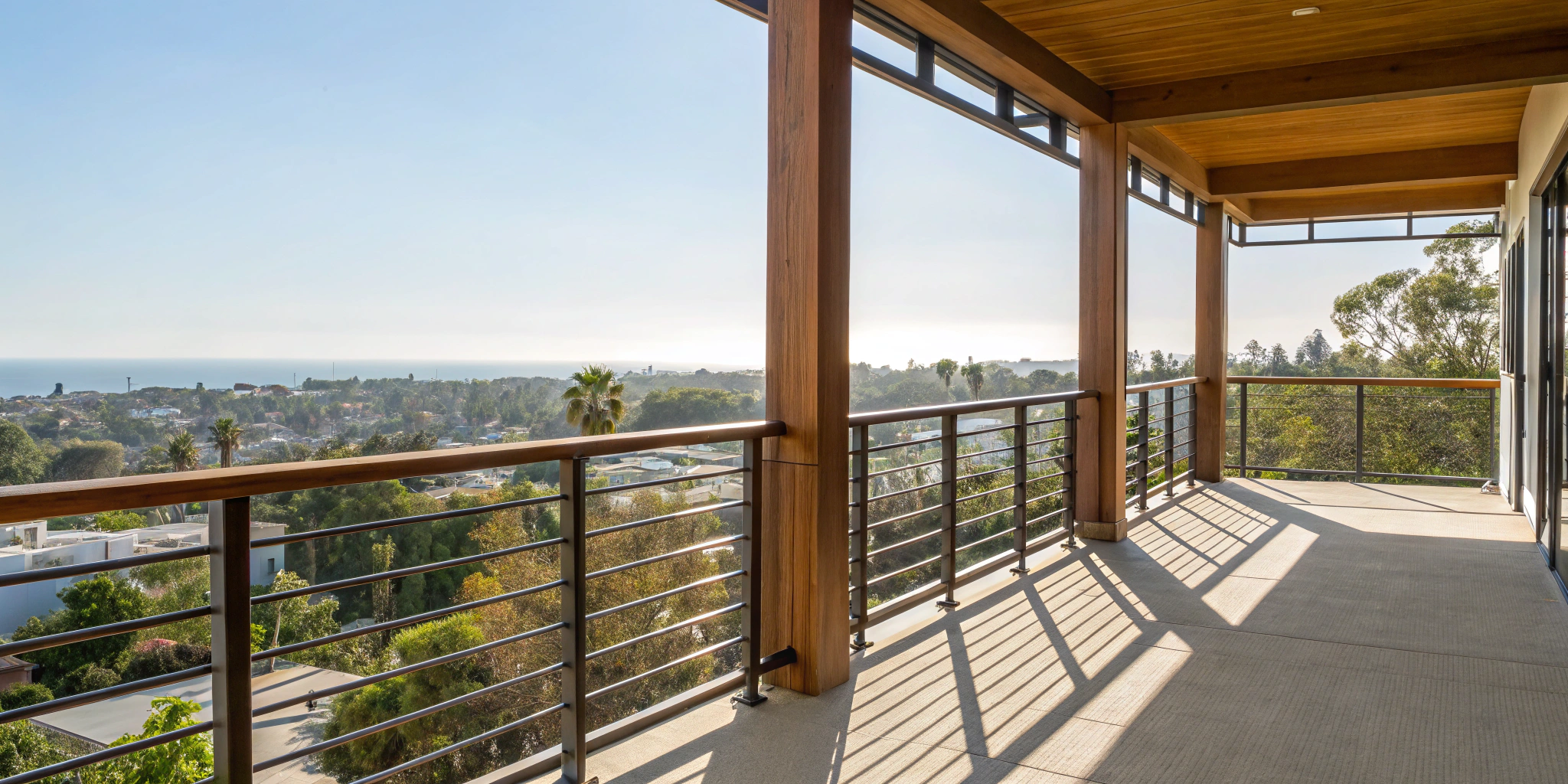
The law is very specific about which parts of your building fall under its scope. The term it uses is “Exterior Elevated Elements” (EEEs), which covers a range of structures that tenants use every day. An inspection is required for balconies, decks, porches, stairways, and walkways that meet a few key criteria. First, the structure must extend from the building. Second, its walking surface must be more than six feet above the ground. Finally, it must rely primarily on wood or wood-based products for structural support. If your property has elements that fit this description, they will need to be evaluated by a qualified professional.
Key Structural Components on the Inspector’s List
During the inspection, a professional will focus on the critical components that ensure an EEE is safe. They will carefully examine the structural integrity, looking for signs of stress, weakness, or damage in the wood framing. A major focus is on water intrusion, as moisture is the primary enemy of wood structures. The inspector will check for issues like dry rot and evaluate the condition of the waterproofing systems, including flashings and sealants. They will also test the security of the railings to make sure they are firmly attached and can withstand pressure, preventing dangerous falls.
Meeting Safety and Compliance Standards
Once the evaluation is complete, the inspector will provide you with a detailed report. This document will outline their findings, clearly stating the condition of each EEE and noting any necessary repairs. If a structure is deemed to be in immediate danger of collapse, the law requires the inspector to notify both you and the local enforcement agency within 15 days. This “red tag” status requires immediate action to prevent access to the area until repairs are made. For non-urgent issues, the report will provide a timeline for corrections, helping you create a plan to bring your property into compliance.
The Risks of Non-Compliance with SB 721
Putting off your SB 721 inspection might seem like a way to save time and money, but it can lead to serious consequences that are far more costly in the long run. California law takes the safety of exterior elevated elements very seriously, and local enforcement agencies have the authority to impose penalties on property owners who fail to meet their obligations. These aren’t just minor infractions; they are significant risks that can impact your finances, your property’s legal standing, and your ability to protect your investment. Understanding these risks is the first step toward ensuring you stay on the right side of the law and keep your property safe for everyone.
Daily Fines and Financial Penalties
Ignoring SB 721 can quickly become a major financial drain. The law allows local jurisdictions to issue penalties for non-compliance, and these fines are not a one-time deal. If you fail to meet the inspection deadlines, you could be fined anywhere from $100 to $500 for every day the violation continues. As you can imagine, that adds up fast. What starts as a missed deadline can escalate into thousands of dollars in penalties. These significant financial repercussions are designed to ensure property owners take action, making procrastination a very expensive choice.
Potential for Safety Liens and Legal Action
If fines aren’t enough to prompt action, the consequences can become even more severe. Local authorities have the power to place a safety lien on your property if you fail to complete the required inspections and repairs. A lien is a legal claim against your property for an unpaid debt, which can complicate any attempt to sell or refinance until the issue is resolved and the lien is removed. This means that not only are you facing daily fines, but your property itself could be tied up in legal proceedings. Getting a certified deck inspection on time is the best way to avoid these entanglements and maintain clear ownership of your asset.
Liability and Insurance Issues to Consider
Beyond direct legal and financial penalties, non-compliance with SB 721 can create major problems with your insurance. Most insurance policies require property owners to maintain their buildings according to all applicable laws and safety codes. If an accident occurs on a balcony or deck that was never inspected, your insurance provider could argue you were negligent. This could give them grounds to deny your claim, leaving you personally liable for medical bills, legal fees, and damages. In some cases, your insurer might even cancel your policy altogether, making it difficult and more expensive to find new coverage.
Choosing a Qualified SB 721 Inspector
Finding the right person to inspect your property’s balconies and elevated walkways is one of the most important steps in the SB 721 compliance process. This isn’t just about hiring someone to check a box; it’s about ensuring the safety of your tenants and protecting your investment. The state of California has specific, non-negotiable requirements for who can perform these inspections, and for good reason. The law is designed to guarantee that the evaluation is thorough, unbiased, and conducted by a true professional with deep structural knowledge.
Choosing a qualified inspector means you’ll get an accurate assessment of your property’s condition. An experienced professional can identify subtle signs of water intrusion or structural weakness that might otherwise go unnoticed until they become major, costly problems. They provide a detailed report that not only satisfies legal requirements but also gives you a clear roadmap for any necessary repairs. This process is much smoother when you work with a certified expert who understands the complexities of these structures. At Cert-A-Roof, our deck inspection services are built on a foundation of expertise and integrity, ensuring you get a reliable and comprehensive evaluation every time.
The Credentials Your Inspector Must Have
Not just any contractor can perform an SB 721 inspection. The law is very clear about the required qualifications to ensure a high standard of safety and expertise. Your inspector must be a licensed architect, a civil or structural engineer, or a building contractor with a specific Class B (General Contractor) or C5 (Framing) license. These professionals have the verified training and experience to assess critical structural elements and identify potential hazards accurately.
Before hiring anyone, always verify their license number and professional standing. A qualified inspector will also provide a detailed, written report within 45 days of the inspection, outlining their findings, the condition of the elements, and any required repairs. This report is your official record of compliance, so it’s essential that it’s completed by a certified professional.
Why Your Inspector and Repair Contractor Must Be Separate
You might think it’s more efficient to hire one company to inspect your balconies and then fix any issues they find. However, SB 721 explicitly prohibits this. The law requires that the person or company conducting the inspection cannot be the same one who performs the repairs. This rule is in place to protect you, the property owner, from a potential conflict of interest.
Think of it as a system of checks and balances. An independent inspector has no financial incentive to find problems that don’t exist. Their only job is to provide an objective, honest assessment of your property’s condition. This separation ensures that any recommended repairs are truly necessary for safety and compliance, not just an opportunity to generate more work. This important distinction helps you make informed decisions based on unbiased facts.
Common Problems Found During SB 721 Inspections
When an inspector visits your property, they have a specific checklist of items to evaluate, all centered on safety and structural soundness. While every building is unique, certain issues tend to appear more frequently than others, especially on structures constantly exposed to the Southern California sun and rain. Understanding these common problems can help you spot potential trouble early and prepare for your official inspection.
Most of these issues boil down to two main culprits: water and time. Moisture is the number one enemy of wood-framed structures, leading to decay that can compromise the entire assembly. Over time, general wear and tear can also loosen critical connections and weaken materials. An experienced inspector knows exactly where to look for the subtle signs of these problems before they become major safety hazards. The goal of an SB 721 inspection is to catch these issues, ensuring that your balconies, decks, and walkways are safe for everyone who uses them. Knowing what an inspector is looking for can help you feel more confident and prepared for the process.
Water Damage, Dry Rot, and Other Moisture Issues
One of the first things an inspector will look for is evidence of water intrusion. When water seeps into wood, it creates the perfect environment for dry rot, a type of fungus that breaks down the wood’s internal structure, leaving it brittle and unsafe. An inspector will carefully check for signs of rot, mold, or mildew, especially around joints, posts, and where the deck connects to the main building. These are areas where water can pool or become trapped. Catching and addressing moisture issues is critical, as they can quickly lead to serious structural decay that puts the entire element at risk.
Red Flags for Structural Integrity
The core purpose of an SB 721 inspection is to confirm that your exterior elevated elements (EEEs) are structurally sound. The law applies to any balcony or deck that relies on wood or wood-based products for support. Your inspector will thoroughly evaluate all load-bearing components to ensure they can safely support weight. This includes checking for cracked or split beams, corroded fasteners, and weakened support posts. They will also examine how the structure is attached to the building, as this connection is a common point of failure. Any sign that the structural integrity is compromised is a major red flag that requires immediate attention.
Failing Waterproofing and Loose Railings
A building’s waterproofing system is its first line of defense against moisture. Inspectors will assess the condition of all associated waterproofing elements, such as flashing, membranes, and sealants. If these systems are failing, water can get into the structure and cause the kind of damage mentioned earlier. In addition to waterproofing, railings are a top safety priority. An inspector will physically test the railings to make sure they are secure, stable, and meet all safety codes. A loose or wobbly railing is an immediate life-safety hazard and one of the most common—and critical—findings during a deck inspection.
How to Prepare for Your SB 721 Inspection
An SB 721 inspection doesn’t have to be a source of stress. With a bit of preparation, you can make the process smoother for everyone involved and catch potential issues before they become costly problems. Think of it as a health checkup for your property—a proactive step that ensures long-term safety and value. By taking the time to perform your own review, you can address minor fixes, gather necessary paperwork, and go into the official inspection with confidence. This isn’t about passing a test; it’s about ensuring the structural integrity of your building and protecting the people who live there.
A successful inspection starts long before the inspector arrives. It begins with regular maintenance, an awareness of potential red flags, and organized record-keeping. Walking through your property with a critical eye can help you spot trouble areas, while having your documents in order streamlines the reporting process. This preparation not only helps you meet legal requirements but also reinforces your commitment to providing a safe environment for your tenants. Getting ahead of the inspection means you control the timeline for any needed repairs, rather than reacting to an urgent notice from the city. It’s a smart move for your peace of mind and your budget.
Your Pre-Inspection Maintenance Checklist
The best way to prepare for an inspection is to stay on top of routine maintenance. Since inspectors are required to check a random sample of at least 15% of each type of exterior elevated element, you won’t know exactly which balconies or walkways will be chosen. That’s why it’s crucial to keep all of them in good shape. Before your scheduled inspection, walk through the property and create a simple to-do list. Clear away leaves, dirt, and other debris from surfaces and drainage systems to prevent water buildup. Tighten any loose screws on railings, replace burnt-out light fixtures, and ensure all access points are clear for the inspector. A clean, well-maintained property makes a great first impression and can simplify the entire deck inspection process.
Warning Signs to Address Before the Inspector Arrives
You don’t need to be an expert to spot potential problems. Before the official inspection, do a thorough visual check of all your balconies, decks, and elevated walkways. Look for common warning signs of damage or decay. Are there water stains on the underside of balconies? Do you see any cracked, splintered, or rotting wood? Pay attention to peeling paint or stucco, as this can indicate moisture intrusion. Check for rust or corrosion on metal railings and supports. Gently push on railings to see if they feel loose or wobbly. Identifying and addressing these issues beforehand is key, as an inspector who suspects hidden damage may need to perform invasive testing. Taking care of these repairs early can save you from a failed inspection and urgent repair mandates.
Keeping Your Documents and Records in Order
Good organization is your best friend during the SB 721 process. Your inspector will need to provide a detailed report, and having your property’s history on hand makes their job easier and ensures accuracy. Before the inspection, gather all relevant paperwork in one place. This includes any past inspection reports, records of repairs or maintenance performed on your exterior elevated elements, and building permits for any additions or modifications. If you’ve recently had work done, keep the contractor’s information and warranties accessible. This level of organization is similar to maintaining a roof certification, as it demonstrates due diligence and helps create a clear, comprehensive history of your property’s safety and upkeep for the official report.
Staying Compliant: Long-Term Maintenance Tips
Passing your SB 721 inspection is a great first step, but compliance is an ongoing commitment, not a one-time task. Think of it as a continuous process of care for your property that protects your tenants and your investment. Staying ahead of potential issues not only keeps you on the right side of the law but also prevents small problems from turning into costly, dangerous failures. A proactive approach to maintenance is the best way to ensure your building’s exterior elevated elements remain safe and secure for years to come. By creating a clear, long-term strategy, you can manage your property with confidence and peace of mind.
Create a Regular Maintenance Schedule
The best way to avoid surprises during your six-year inspection cycle is to establish a regular maintenance routine. This doesn’t have to be complicated. Start by calendaring annual visual checks of your balconies, decks, and walkways. Look for common warning signs like cracked sealant, peeling paint, water stains, or wobbly railings. Keeping a simple log of your findings, along with photos, creates a valuable record of your property’s condition over time. This proactive approach helps you spot and address minor issues before they escalate, making your official deck inspection a much smoother process. A consistent schedule is your best tool for maintaining a safe and compliant property.
Address Repairs Promptly to Meet Deadlines
If an inspector identifies an immediate safety threat, the clock starts ticking. You have a legal obligation to take swift action. According to the law, any condition that poses an immediate hazard must be reported to the local enforcement agency within 15 days. From there, you have a strict timeline to complete repairs and prevent fines or even a lien on your property. Don’t delay. Promptly addressing issues like severe dry rot or loose railings is crucial for tenant safety and for avoiding serious legal penalties. Working with a trusted contractor for your roofing and structural repairs ensures the job is done right and within the required timeframe.
Develop a Long-Term Safety Plan for Your Property
SB 721 was passed in response to a preventable tragedy, a stark reminder of what’s at stake. A long-term safety plan is about more than just meeting legal minimums; it’s about creating a culture of safety for your property. This plan should include your regular maintenance schedule, a budget for future repairs, and clear procedures for tenants to report concerns. It’s a comprehensive strategy for protecting people and property. Partnering with professionals for regular roof and structural inspections can form the foundation of this plan, giving you expert insight into your building’s health and helping you anticipate needs long before they become emergencies.
Related Articles
- Mastering Senate Bill 721: California’s Balcony and Deck Inspection Law
- Deck Inspections
- The SB 721 Game Plan: The Governor Just Moved the Chains, But Don’t Fumble Your Inspection Responsibilities
- Property Managers
- Deck Inspections
Frequently Asked Questions
What’s the difference between SB 721 and SB 326? This is a common point of confusion, but the distinction is straightforward. SB 721 applies to apartment buildings with three or more units. SB 326, on the other hand, covers condominiums and other common interest developments that are managed by a homeowners association (HOA). While both laws focus on the safety of elevated structures, they apply to different types of properties.
I just bought my property. When is my first inspection due? The deadline for the first inspection for all applicable buildings is January 1, 2025. If you’ve recently purchased a property, you should check the records to see if a compliant inspection has already been completed. If not, you are responsible for scheduling one before the deadline to avoid any penalties. After that initial check, you’ll fall into the regular six-year inspection cycle.
Do all of my balconies need to be inspected, or just a few? An inspector isn’t required to examine every single balcony on your property. The law mandates an inspection of a “statistically significant sample,” which means at least 15% of each type of exterior elevated element. The inspector will use their professional judgment to select a representative sample that gives them an accurate picture of the overall condition of your property’s structures.
Can I hire the same company to inspect and repair my balconies? No, and this rule is in place to protect you. The law explicitly prohibits the person or company who performs the inspection from also being hired to complete the repairs. This separation prevents a conflict of interest, ensuring that any recommended repairs are based on an unbiased, objective assessment of your property’s safety needs.
What’s the first step I should take to get started with compliance? Your first step is to find a qualified and licensed professional to perform the inspection. The law requires the inspector to be a licensed architect, a civil or structural engineer, or a specific type of licensed general contractor. Do your research, verify their credentials, and schedule an evaluation to get a clear understanding of your property’s condition.
Comment (0)