Your Guide to Commercial Roofing Maintenance Plans
Let’s talk about your roof’s total cost of ownership. It’s not just the price of installation; it’s every repair bill and, eventually, the replacement cost. Many property owners are surprised to learn that a significant percentage of commercial roofs are replaced prematurely due to preventable damage. A small, undetected issue can shorten a roof’s lifespan by years. The most effective way to lower this long-term cost is through consistent, professional care. By implementing one of the commercial roofing maintenance plans available, you can maximize the life of your current roof, avoid expensive emergency roof repair, and turn unpredictable expenses into a manageable part of your budget.
Key Takeaways
- Prioritize proactive maintenance to protect your investment: A scheduled care plan helps you avoid expensive emergency repairs, get the most years out of your roof, and keep your manufacturer’s warranty valid. It’s the most effective way to manage your property’s long-term health and budget.
- Build your plan around consistent, key actions: An effective strategy includes professional inspections twice a year (spring and fall), detailed record-keeping for all work performed, and a routine checklist for preventative tasks like clearing drains and trimming overhanging branches.
- Partner with a certified professional for safety and expertise: While your on-site staff can be trained to spot warning signs like water stains or debris, all on-roof inspections and maintenance should be handled by a licensed and insured contractor to ensure the work is done correctly and safely.
What Is a Commercial Roofing Maintenance Plan?
Think of a commercial roofing maintenance plan as a health and wellness program for your building’s roof. It’s a proactive strategy designed to keep your roof in excellent shape through scheduled care and preventive measures. Instead of waiting for a leak or major damage to disrupt your business, a maintenance plan helps you stay ahead of problems. It’s a structured approach, usually managed by a professional roofing contractor, that involves regular check-ups, cleaning, and minor repairs to ensure your roof performs its best year-round. This simple shift from reactive fixes to proactive care is the key to protecting your property and your bottom line.
What It Does and What It Covers
A commercial roofing maintenance plan is all about prevention. Its main job is to identify and address small issues before they turn into expensive, business-halting disasters. By regularly inspecting the roof, a professional can spot things like clogged drains, cracked seals, or minor membrane damage and fix them on the spot. This consistent care not only prevents leaks and structural damage but also significantly extends the life of your roof. A good plan covers routine check-ups, debris removal, and minor repairs, giving you peace of mind and helping you get the most out of your initial roofing investment. It’s a smart way to manage your property’s roofing services and avoid unexpected costs.
A Quick Look at the Key Components
So, what does a maintenance plan actually include? While specifics can vary, most effective plans are built around a few core elements. First and foremost is a routine roof inspection schedule, typically performed twice a year, to assess the roof’s condition. This is followed by preventative maintenance tasks like clearing drains and gutters of debris, checking for and sealing any open flashing, and addressing early signs of wear and tear. Your roofing partner will also provide detailed documentation after each visit, giving you a clear record of your roof’s health, any work performed, and recommendations for the future. This creates a valuable history that helps with budgeting and warranty compliance.
Why Your Commercial Property Needs a Roofing Maintenance Plan
Think of a roof maintenance plan as a health and wellness program for your building. It’s not just about fixing problems as they pop up; it’s about preventing them from happening in the first place. This proactive approach is the single best way to protect your investment, keep your tenants happy, and avoid the kind of surprise expenses that can derail your budget. A little planning goes a long way in keeping your property safe, sound, and profitable.
Save Money by Preventing Major Repairs
Let’s talk numbers. Some reports show that a staggering 80% of commercial roofs are replaced prematurely, often because of issues that could have been easily fixed. A small leak, a few cracked shingles, or clogged drains might not seem like a big deal, but over time, they lead to water damage, structural problems, and eventually, a full roof replacement. A maintenance plan catches these small problems early. By investing a little in regular upkeep, you can avoid massive repair bills down the road and significantly lower your roof’s total lifecycle cost. It’s the difference between a routine check-up and emergency surgery for your building.
Get More Years Out of Your Roof
Your commercial roof is one of your property’s biggest assets, and you want it to last as long as possible. Regular maintenance is the key to maximizing its lifespan. Sun, wind, rain, and debris all take a toll, causing slow-to-appear damage that can compromise the entire system. With a proactive plan, a professional can spot and address wear and tear before it shortens your roof’s life. This consistent care ensures your roof performs as it should for its full intended lifespan, helping you defer capital expenditure on a premature replacement. You get more value from your initial investment and more peace of mind year after year.
Stay Safe and Compliant
A sound roof does more than just keep the elements out; it keeps the people inside safe. Water intrusion can lead to mold growth or slip-and-fall hazards, while structural damage poses an even greater risk. Regular roof inspections are a core part of any maintenance plan, ensuring your property meets local building codes and safety standards. This isn’t just about avoiding fines; it’s about fulfilling your responsibility as a property owner. A well-maintained roof protects your employees, customers, and inventory, while also demonstrating a commitment to safety and compliance that everyone can appreciate.
Protect Your Warranty
Did you know that your roof’s warranty might depend on regular upkeep? Many manufacturers require proof of routine maintenance to keep the warranty valid. If you can’t provide records of inspections and minor repairs, you could be on the hook for the full cost of a major failure that should have been covered. A formal maintenance plan provides the documentation you need to protect your coverage. Beyond the warranty, a well-maintained roof can also positively impact your insurance premiums and increase your property’s appraisal value. It’s a simple step that secures your financial protections on multiple fronts.
How Often Should You Inspect and Maintain a Commercial Roof?
Timing is everything when it comes to roof maintenance. A consistent schedule helps you stay ahead of potential issues and address them before they turn into costly emergencies. While every roof has unique needs based on its age, material, and local climate, a few general guidelines can help you create a reliable inspection calendar. Think of it as a regular health checkup for one of your most important assets. By knowing when to look and what to look for, you can keep your property safe, dry, and secure year-round.
Your Seasonal Inspection Schedule
The best practice for commercial roofs is to schedule a professional inspection twice a year. Ideally, you should plan these checks for late fall and early spring. An autumn inspection prepares your roof for the cooler, wetter months, while a spring checkup addresses any damage from winter storms and gets it ready for the summer heat. Regular roof checks help your business keep its roof working longer and stop big problems from happening. This simple, proactive routine is one of the most effective ways to prevent unexpected disruptions and extend the life of your commercial roofing system.
When to Check Your Roof After Bad Weather
Beyond your biannual inspections, it’s smart to check your roof after any major weather event. Southern California might not get blizzards, but heavy rains, high winds, and hail can still take a toll. A post-storm walkthrough can help you spot new vulnerabilities like loose materials, debris, or clogged drains before they cause leaks. You should also check the roof after any nearby construction or if new equipment has been installed on the roof. These events can introduce debris or cause accidental damage that needs immediate attention. Waiting for your next scheduled inspection could allow a small problem to grow into a much larger one.
Red Flags That Call for an Immediate Inspection
Sometimes, your building will tell you when the roof needs help. It’s important to listen. Be on the lookout for water stains or cracks on interior ceilings and walls, as these are classic signs of a leak. Other red flags include pooling water on the roof’s surface 24 to 48 hours after it rains, visible damage to flashing around vents and HVAC units, or bubbling and blistering on the roof membrane. If you or your team notice any of these issues, it’s time to call for a professional roof inspection right away. Acting quickly can make the difference between a simple repair and a major replacement.
What Belongs in an Effective Maintenance Plan?
A great maintenance plan isn’t just a vague idea to “check the roof sometimes.” It’s a structured, proactive strategy that keeps your commercial property protected. Think of it as a playbook for your roof’s health, outlining exactly what needs to be done, when it needs to happen, and who is responsible. A solid plan removes the guesswork and helps you catch small issues before they become expensive headaches. It’s about being prepared for anything, from seasonal changes to unexpected storm damage. By creating a clear and actionable plan, you’re making a smart investment in the longevity and safety of your building.
An effective plan acts as your guide, ensuring that routine tasks aren’t forgotten and that potential threats are identified and addressed swiftly. It’s the difference between reacting to a crisis, like a major leak during a rainstorm, and preventing one from ever happening. A comprehensive plan will detail everything from routine debris removal to professional inspections, giving you peace of mind and a clear path to follow. It also helps in budgeting for future roofing expenses, as you’ll have a better understanding of your roof’s condition and needs over time. Ultimately, it’s about taking control and managing one of your property’s most critical assets with intention and foresight.
A Consistent Inspection Routine
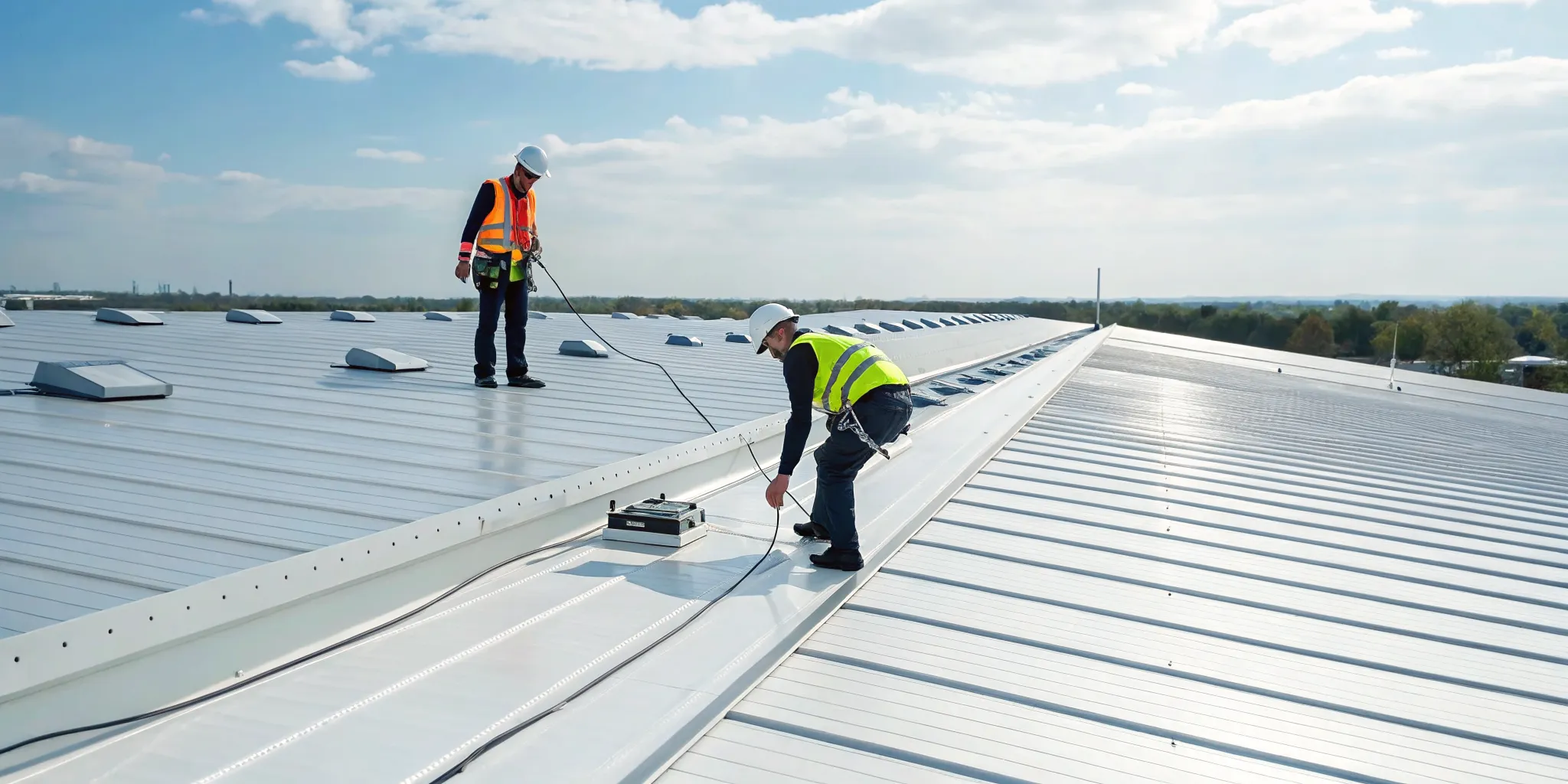
The foundation of any good maintenance plan is a regular schedule of inspections. Catching potential problems early is the best way to prevent costly damage down the road. For most commercial properties, a quarterly inspection is a great rhythm to follow, allowing you to assess how the roof is handling seasonal shifts. These routine checks should be thorough, looking for any signs of wear, damage, or change. While your on-site team can handle visual checks from the ground, it’s crucial to have a certified professional conduct a detailed roof inspection at least twice a year. They have the expertise to spot subtle issues that an untrained eye might miss, ensuring nothing falls through the cracks.
Clear Documentation and Records
Keeping detailed records is just as important as the maintenance itself. Every inspection, repair, and cleaning session should be logged in a dedicated file. This documentation creates a complete history of your roof, which is incredibly valuable. It helps you track the effectiveness of your maintenance efforts, provides essential information for future repairs, and can be a lifesaver for insurance claims. Your records should include dates, detailed notes on findings, photos of any problem areas, and receipts for all work performed. This organized history not only helps you manage your property better but also serves as proof of upkeep, which can be a requirement for upholding your roof’s warranty.
Proactive Maintenance Tasks
Beyond just looking for problems, your plan should include a checklist of proactive tasks. These are the simple, preventative actions that keep your roof in top condition and extend its lifespan. Key tasks include clearing gutters and drains of leaves and debris to prevent water from backing up, especially after a storm. You should also trim any overhanging tree branches that could scrape the roof surface or fall during high winds. Regularly checking that flashing around vents, skylights, and HVAC units is secure and sealed is also essential. These straightforward maintenance activities are your first line of defense against water intrusion and premature aging.
Common Issues to Watch For
Knowing what to look for can make your inspections much more effective. Some of the most common commercial roof problems include ponding water, which indicates drainage issues, and blisters or cracks in the roof membrane. Pay close attention to the flashing, as deterioration here is a leading cause of leaks. After strong winds, check for loose or missing roofing materials, as even a small breach can expose your building to significant water damage. Other red flags include clogged drains, visible punctures, and signs of moisture inside the building, like stains on the ceiling. Spotting these common roof problems early gives you time to act before they escalate.
Common Hurdles in Roof Maintenance (And How to Clear Them)
Even with the best intentions, putting a roof maintenance plan into practice can hit a few snags. From budget constraints to getting your team aligned, these challenges are common for property managers. The good news is that they are all solvable with a bit of foresight and the right strategy. Let’s walk through some of the most frequent obstacles and how you can clear them, keeping your maintenance plan on track and your property protected.
Managing Your Budget
It can be tempting to view roof maintenance as just another expense, but it’s truly an investment in your property’s future. A proactive commercial roof maintenance program helps you catch slow-to-appear damages early, saving you a significant amount of money on major repairs down the line. Instead of reacting to costly emergencies, you can plan for smaller, predictable expenses.
To make it work, treat roof maintenance as a fixed line item in your annual budget. Working with a professional can help you forecast costs based on your roof’s age, material, and condition. This approach transforms an unpredictable financial risk into a manageable operational cost, protecting both your roof and your bottom line.
Finding a Qualified Roofing Pro
Maintaining a commercial roof is a critical part of property management that often gets overlooked until a serious issue pops up. When that happens, the pressure is on to find a reliable professional quickly. The key is to establish a relationship with a qualified contractor before you need one. Look for a company that is licensed, insured, and has extensive experience with commercial properties in your area.
Don’t hesitate to ask for references and check their credentials. A truly professional service will offer a certified inspection, giving you a detailed, unbiased report on your roof’s condition. This ensures you’re working with experts who prioritize quality and transparency, not just a quick fix.
Getting Your Team on Board
Roofing projects can be one of the more disruptive maintenance activities a building faces. The noise, equipment, and personnel can affect tenants and daily operations. With a solid plan, however, you can reduce downtime and keep everyone happy. Communication is your most powerful tool here. Start by explaining the “why” behind the maintenance, focusing on safety, long-term savings, and preventing future disruptions from emergency repairs.
Provide a clear schedule of when and where work will occur. If possible, plan the most disruptive tasks for off-peak hours. When your team and tenants understand the process and its benefits, they are much more likely to be cooperative and understanding.
Training On-Site Staff
Your on-site staff can be your first line of defense in protecting your roof. While they aren’t roofing experts, they can be trained to spot obvious signs of trouble during their regular duties. This is a core part of implementing preventative maintenance strategies and establishing a routine inspection schedule. Create a simple checklist for them to follow, including looking for things like clogged drains, debris buildup, visible punctures, or loose materials.
This simple step doesn’t replace the need for a professional roof inspection, but it empowers your team to report small issues before they become big problems. It’s an easy, low-cost way to stay ahead of potential damage between professional visits.
How to Put Your Maintenance Strategy into Action
With a solid plan in place, it’s time to get things moving. Turning your strategy into a routine is the key to protecting your investment and ensuring your roof has a long, healthy life. These steps will help you transition from planning to doing, creating a sustainable maintenance program for your commercial property.
Choose a Certified Roofing Contractor
The single most important step is finding the right partner. You need a professional who not only has the technical skills but also understands local building codes and regulations. When vetting potential contractors, always confirm they are licensed and fully insured. A certified expert can perform thorough roof inspections that catch subtle issues an untrained person might miss. This expertise is invaluable for preventing costly future repairs and ensuring all work is compliant, protecting you from potential liability and keeping your property safe.
Set Your Budget and Schedule
A great maintenance plan works best when it’s predictable. Sit down with your chosen contractor to establish a clear schedule and budget for routine care. Many property owners find that a formal maintenance contract is the easiest way to manage this. These agreements outline a structured plan for regular inspections and preventive tasks, turning roof care into a manageable operating expense instead of a surprise capital cost. By addressing wear and tear consistently, you can significantly delay the need for a full roof replacement and make financial planning much simpler.
Decide: Go Pro or Handle In-House?
While it might be tempting to assign basic roof maintenance to your on-site staff, it’s rarely the best approach. Professional roofing requires specialized knowledge, tools, and safety protocols that your team likely doesn’t have. While your staff can handle simple ground-level tasks like clearing debris away from downspouts, anything on the roof should be left to a pro. Investing in professional roof maintenance is an investment in your property’s value and safety. It helps defer major expenses, keeps your insurance coverage intact, and ensures the job is done right the first time.
Teach Your Team the Maintenance Protocols
Even with a professional contractor on board, your on-site team is your first line of defense. Train them on what to look for between professional inspections. Simple things like water stains on the ceiling, puddles of water near the foundation, or clogged drains can be early indicators of a roof issue. Create a straightforward checklist and a clear process for reporting problems as soon as they’re spotted. This proactive approach allows you to identify potential issues before they escalate, saving you from the headache and expense of emergency repairs down the road.
Related Articles
- The 4 Main Types of Commercial Roofing Systems
- Roof Maintenance
- Commercial Roofing Services
- 6 Types of Commercial Flat Roofing Explained
- Roof Maintenance
Frequently Asked Questions
Is a maintenance plan really worth the cost for a commercial property? Absolutely. Think of it less as a cost and more as an investment in protecting one of your biggest assets. A proactive plan helps you avoid the massive, unexpected expenses that come with emergency repairs or a premature roof replacement. By catching small issues like a clogged drain or a cracked seal early, you prevent the widespread water damage that can disrupt your business. It’s a predictable operational expense that saves you from a much larger financial headache later on.
My roof is new. Do I still need a maintenance plan? Yes, this is actually the best time to start one. A new roof is a significant investment, and a maintenance plan is the best way to protect it. Many roofing manufacturers require proof of regular, professional maintenance to keep your warranty valid. Starting a plan from day one ensures you meet those requirements and get the full intended lifespan out of your roof, maximizing the value of your initial purchase.
Can’t my on-site maintenance team just handle the roof inspections? While your on-site team is great for spotting obvious issues from the ground, they aren’t trained roofing professionals. A certified inspector knows how to identify subtle signs of wear and tear, potential weak spots in the membrane, and issues with flashing that an untrained eye would easily miss. Relying solely on in-house staff can lead to small problems being overlooked until they become major failures. It’s best to have your team act as the first alert system and leave the detailed inspections to the experts.
How is a maintenance plan different from just calling for repairs when I need them? A maintenance plan puts you in control, while a reactive approach leaves you vulnerable to emergencies. Instead of waiting for a leak to damage your inventory or disrupt your tenants, a plan allows a professional to find and fix potential problems before they cause any harm. This proactive strategy is more cost-effective, extends your roof’s life, and gives you peace of mind knowing your property is consistently protected.
What should I look for in a roofing contractor for my maintenance plan? When choosing a partner, look for a company that is fully licensed, insured, and has a strong reputation for working with commercial properties in your area. Ask if they provide certified inspections, as this indicates a higher level of expertise and accountability. A great contractor will offer a clear, detailed plan, provide thorough documentation after each visit, and communicate openly about your roof’s condition and any recommended actions.

Comment (0)