
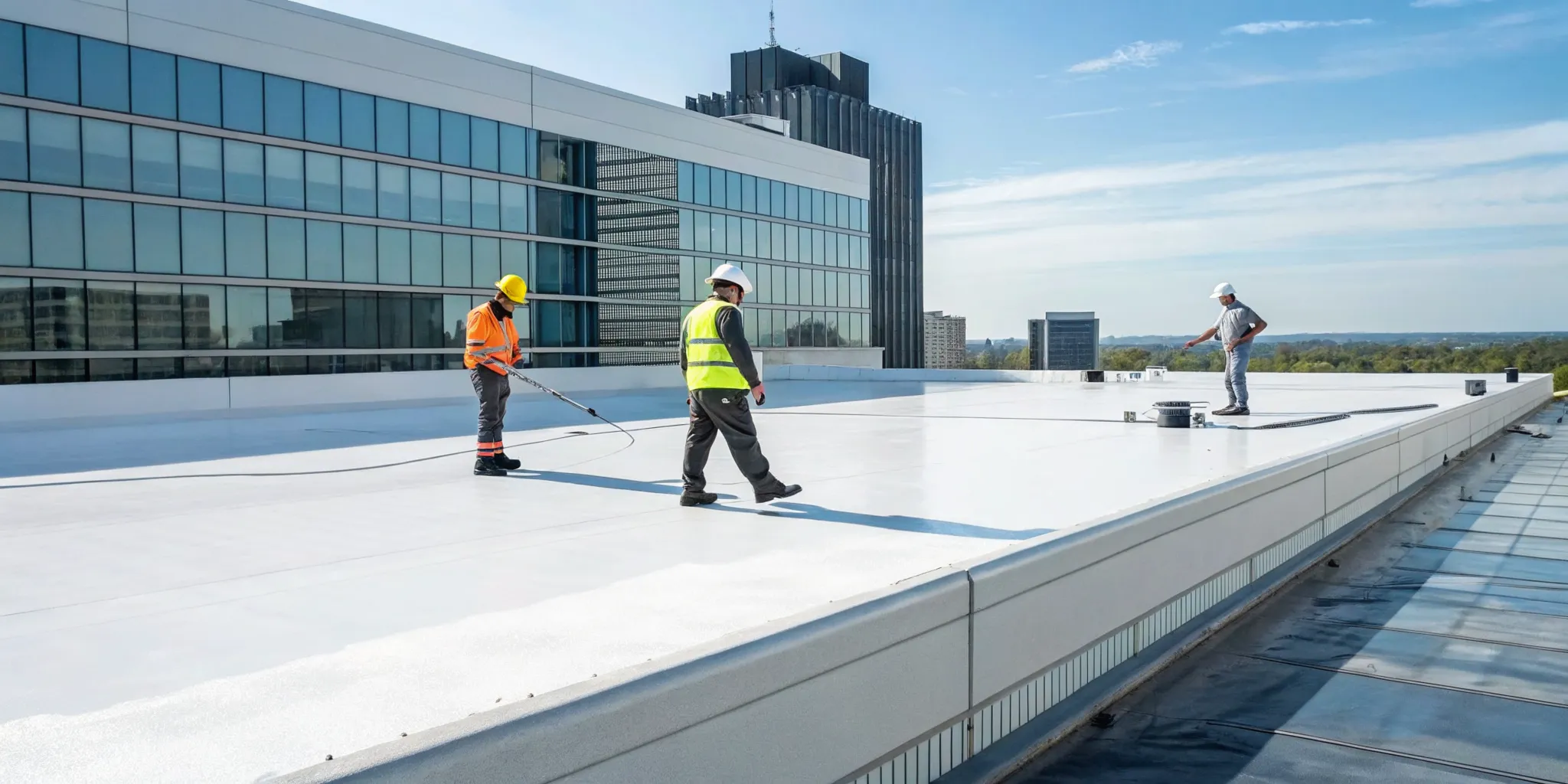
Commercial Flat Roof Cost Per Square Foot: What to Expect
Here in Southern California, our buildings face unique challenges, from intense sun to specific building codes. These local factors play a significant role in determining the commercial flat roof replacement cost per square foot, making national averages a helpful but incomplete guide. A simple quote doesn’t always tell the whole story. The complexity of your roof, the condition of the underlying structure, and local labor rates all shape the final price. We’ll break down what property owners in Orange County and the surrounding areas need to know to create an accurate budget and make an informed decision for their specific needs.
Key Takeaways
- Your total cost is more than just the material: The price per square foot is only a starting point; your final quote will also include essential costs for labor, tear-off and disposal of the old roof, structural repairs, and permits.
- Quality materials save you money over time: Investing in a durable, energy-efficient roofing system like TPO or PVC may cost more upfront, but it leads to significant long-term savings through lower utility bills and fewer repair needs.
- Get multiple detailed quotes to make a smart decision: Always start with a thorough professional inspection and compare itemized quotes from several contractors to ensure you understand the full scope of work and are receiving a fair, transparent price.
How Much Does a Commercial Flat Roof Replacement Cost Per Square Foot?
When you’re planning a major property investment like a new roof, the first question is almost always about the cost. For commercial flat roofs, the price is typically broken down per square foot. This helps standardize quotes, but the final number can vary quite a bit based on your specific building and needs. Understanding the baseline costs and the factors that influence them will help you set a realistic budget and make an informed decision.
While a custom quote from a professional is the only way to know for sure, we can look at general pricing to give you a starting point. Let’s break down what you can expect to see, both nationally and right here in our own backyard.
A Look at National Averages
Across the country, the cost to replace a commercial flat roof generally falls somewhere between $4 and $15 per square foot. Some sources even place the average closer to $6 to $9 per square foot. Why such a wide range? This pricing reflects the huge variety in roofing materials, building complexity, and regional labor rates. A simple, small roof using a budget-friendly material will land on the lower end, while a large, complex project with premium materials will be on the higher side. Think of these national averages as a general pricing guide to frame your expectations before you start gathering local quotes.
Why Southern California Prices Are Different
While national numbers are a helpful reference, they don’t always tell the whole story for us here in Southern California. Our local market has its own set of factors that influence the final price tag. Higher regional labor rates, specific building codes, and local permit requirements can all affect the cost of your roofing services. Plus, the complexity of your roof plays a huge role. A large, open roof is more straightforward than one with multiple HVAC units, vents, and pipes to work around. These unique features require more detailed labor and materials, which will be reflected in your quote.
What Factors Drive Your Final Cost?
When you start budgeting for a new commercial roof, it’s easy to focus on the per-square-foot price. But that number is just one piece of the puzzle. Several key factors can significantly influence your final project cost, from the unique features of your building to the condition of the structure underneath. Understanding these variables will help you create a more realistic budget and avoid surprises down the road. Let’s walk through the main elements that will shape your quote.
Your Roof’s Size and Complexity
It’s no surprise that a larger roof requires more materials and labor, which means a higher price. But size is only half the story. The complexity of your roof’s layout also plays a huge role. A simple, wide-open flat roof is more straightforward than one with multiple levels or parapet walls. Every chimney, skylight, and HVAC unit requires special attention and custom flashing to ensure a watertight seal. These features add time and skill to the installation, which is reflected in the cost of your commercial roofing project.
The Condition of Your Existing Roof
What lies beneath your current roof can impact your replacement budget. A standard quote includes tearing off and disposing of the old roofing material. However, if your contractor discovers damage to the underlying roof deck, like rot or structural weakness, those issues must be fixed before a new roof can be installed. These repairs will add to the total cost. A thorough roof inspection before the project begins is the best way to identify these potential problems early, giving you a clearer picture of the full scope of work.
Building Location and Local Labor Rates
Where your building is located matters. Roofing costs vary by city, driven by local labor rates, material costs, and regional building codes. Here in Southern California, we have to account for intense sun and specific seismic requirements. The cost of skilled labor in our Orange County service areas will be different from other parts of the country. A professional local contractor will be familiar with these variables and can provide a quote that accurately reflects the market conditions and regulations in your specific area.
Permit and Inspection Fees
A commercial roof replacement requires official approval. Most municipalities require building permits for major roofing work to ensure everything is done to code. The cost of these permits varies depending on the city and the size of your project. Your contractor will also need to schedule inspections at key stages of the process. These fees are a necessary part of the project and should be included in your budget. Working with a certified professional ensures all compliance steps, like a final roof certification, are handled correctly.
Breaking Down Costs by Roofing Material
The heart of your roofing project is the material you choose. This decision is the biggest driver of your total cost, but it also influences your building’s energy efficiency, maintenance needs, and long-term performance. For commercial properties here in Southern California, selecting a material that can handle intense sun and heat is especially important for managing cooling costs and ensuring a long service life. A reflective, durable roof isn’t just a feature; it’s a critical component of your building’s operational budget.
There are several excellent options for flat roofs, each with a unique profile of benefits, lifespan, and price points. Understanding these differences is the first step toward making a smart investment. Below, we’ll walk through the most common commercial roofing materials, from modern single-ply membranes to traditional built-up systems. We’ll cover the pros and cons of each, so you can see how they stack up against one another. While the prices here reflect national averages, they provide a solid baseline for what to expect when you start planning your budget. Remember, the best way to get an exact figure is through a detailed, professional inspection that assesses your specific property.
TPO Single-Ply Roofing
If you’re looking for an energy-efficient hero for your roof, TPO (Thermoplastic Olefin) is a fantastic contender. This single-ply membrane is one of the most popular choices for commercial buildings, and for good reason. Its white, reflective surface bounces sunlight away, which can significantly lower your cooling bills during our hot Southern California summers. TPO is also known for its resistance to punctures, tears, and chemical exposure. With a typical lifespan of 20 to 30 years and an average cost of $5 to $10 per square foot, it offers a great balance of performance and value.
EPDM Rubber Membrane
Think of EPDM (Ethylene Propylene Diene Monomer) as the reliable workhorse of flat roofing. This durable rubber membrane has been a trusted choice for decades. It’s incredibly resilient against weathering, temperature extremes, and UV radiation. While it’s typically black, which absorbs heat, it can be coated with a reflective layer to improve energy efficiency. EPDM is relatively easy to install and repair, which helps keep labor costs down. You can expect it to last 20 to 25 years, with an installation cost generally falling between $5 and $9 per square foot.
PVC Roofing Membrane
When durability is your top priority, PVC (Polyvinyl Chloride) roofing is a heavyweight champion. This premium single-ply membrane is known for its exceptional strength, longevity, and resistance to fire, chemicals, and high winds. Like TPO, it’s highly reflective, making it another excellent choice for energy savings in sunny climates. Its heat-welded seams create a monolithic, watertight surface that is incredibly strong and durable. PVC roofs often last 25 to 30 years or more, with costs typically ranging from $6 to $12 per square foot. It’s a fantastic long-term investment for any commercial property.
Modified Bitumen Roofing
For a solid, budget-conscious choice that gets the job done, Modified Bitumen is a popular go-to. This is an asphalt-based material that comes in rolls and is installed in layers, creating a tough, durable surface. It has excellent tensile strength, meaning it holds up well to foot traffic and building movement. While its lifespan of 15 to 20 years is shorter than some single-ply options, its lower upfront cost of $4 to $8 per square foot makes it an attractive option. It’s a practical and reliable material for many roofing service applications.
Built-Up Roofing (BUR)
Built-Up Roofing, or BUR, is the classic, time-tested option that has protected buildings for over a century. Often called a “tar and gravel” roof, it’s constructed with multiple layers of asphalt and reinforcing fabric, then topped with a layer of gravel or a mineral coating. This multi-layer system provides exceptional waterproofing and durability. While it is one of the heavier and more labor-intensive options, its proven track record is undeniable. The cost for a BUR system typically runs from $9 to $14 per square foot, but its robust nature means it can last for decades with proper maintenance.
How Roof Size and Layout Affect the Price Tag
When you think about the cost of a new roof, its size is probably the first thing that comes to mind. While square footage is a major driver of the final price, it’s only part of the story. The complexity of your roof’s layout, its height, and the number of obstacles on its surface can have just as much impact. Two commercial buildings with the same square footage can have wildly different replacement quotes because of these factors. Let’s break down how the physical characteristics of your roof influence the bottom line.
The Role of Square Footage
It’s true that a bigger roof costs more. More surface area means more materials and more labor hours. But complexity is a key variable. A simple, wide-open rectangular roof is far more straightforward to work on than one with multiple levels or odd angles. These complex designs require precise measurements, custom material cutting, and specialized labor to ensure every corner is perfectly sealed. This detailed work takes extra time and skill, which is reflected in the overall cost of your commercial roofing project.
Challenges of Roof Access and Height
How easily can a crew get to your roof? The answer significantly affects labor costs. A single-story building with ample space is ideal. For multi-story buildings or properties in dense urban areas, the logistics get more complicated. Getting materials and tools to the roof might require cranes or lifts. Higher buildings also demand more stringent safety protocols, like perimeter guards and advanced fall protection systems. These necessary measures ensure the crew’s safety but also add to the project’s time and expense, increasing the final quote.
Working Around Vents, Pipes, and HVAC Units
Most commercial flat roofs are home to numerous penetrations, including HVAC units, plumbing vents, drains, and skylights. Each feature creates an obstacle that the roofing crew must work around. A professional roof inspection will map out every one of these. Properly sealing each penetration is critical to preventing leaks, and this requires meticulous work. Installers must carefully cut material to fit snugly around each unit and then apply flashing and sealants to create a watertight barrier. The more obstacles, the more detailed labor is needed.
Don’t Forget These Additional Costs
When you’re budgeting for a new commercial roof, it’s easy to focus on the price per square foot for the new material. But that number is just one piece of the puzzle. Several other essential services and potential repairs contribute to the final cost of a full roof replacement. A trustworthy contractor will outline these in your quote, but understanding them ahead of time helps you create a realistic budget and avoid surprises. These aren’t “hidden fees,” but rather necessary steps to ensure your new roof is installed correctly and built to last.
A comprehensive roof inspection is the first step to uncovering what your specific project will require. An expert will assess not just the surface but also the underlying structures to identify any issues that need addressing before a new roof goes on. From tear-off and disposal to structural repairs and crucial finishing touches, accounting for these additional costs from the start ensures a smooth, transparent process and a durable, long-term investment for your property.
Removing and Disposing of the Old Roof
Before your new roof can be installed, the old one has to go. This process, known as the tear-off, involves more than just pulling up old materials. It requires a skilled crew to carefully remove the existing roofing layers without damaging the underlying structure. The cost includes the labor for this tear-off, as well as the collection, hauling, and proper disposal of all the debris. Factoring in these cleanup and disposal fees is essential, as they can add a significant amount to your project’s bottom line. A clean slate is the only way to guarantee your new roof performs as it should.
Upgrading or Replacing Insulation
Beneath your roofing membrane lies a critical component for your building’s energy efficiency: insulation. A roof replacement is the perfect opportunity to assess and upgrade it. Old, compressed, or water-damaged insulation can’t do its job, leading to higher heating and cooling bills. While adding new or replacing old insulation increases the upfront cost, it’s a smart investment that pays off over time. Depending on the type of material used, like Polyiso or spray foam, and how it’s installed, the price can vary. Better insulation means better temperature control and lower energy consumption for years to come.
Necessary Deck and Structural Repairs
You can’t build a strong house on a weak foundation, and the same is true for your roof. The roof deck is the structural surface that supports the entire roofing system. If an inspection reveals that the deck has been compromised by water damage, rot, or other issues, it must be repaired or replaced before any new materials are installed. Simply covering up problems will lead to much bigger, more expensive failures down the road. Addressing any necessary deck repairs ensures your new roof has a solid, stable base to protect your building for decades.
Installing New Flashing and Edge Work
Some of the most important parts of your roofing system are the ones you might not notice. Flashing and edge work are custom-fitted metal pieces that seal the seams and transition points on your roof, like around vents, skylights, and along the roof’s perimeter. Proper installation is absolutely vital for preventing leaks, as these areas are the most vulnerable to water intrusion. While it may seem like a minor detail, this is not an area to cut corners. Investing in high-quality materials and expert installation for all your roofing services ensures every inch of your roof is watertight and secure.
Avoid These Common Budgeting Mistakes
A new commercial roof is a significant investment, and a solid budget is your best tool for managing the project successfully. However, a few common oversights can quickly derail your financial plans, leading to unexpected costs and stress. It’s easy to focus on the big-ticket items, like the roofing material itself, but smaller expenses for things like debris disposal, structural repairs, and city permits can add up quickly. From the materials you choose to the contractor you hire, every decision has a financial impact. Understanding the full scope of expenses, including those that aren’t immediately obvious, is key to a smooth process. By learning to spot these potential pitfalls ahead of time, you can create a more accurate and realistic budget. This helps you avoid surprises and ensures you get the best possible value for your investment, resulting in a durable, high-quality roof that protects your property for years to come. Let’s walk through some of the most frequent budgeting mistakes property owners make and how you can steer clear of them.
Choosing Price Over Quality Materials
It’s always tempting to choose the lowest bid, but when it comes to your roof, prioritizing price over quality is a mistake that can cost you dearly in the long run. Cheaper materials often have a shorter lifespan and are more prone to leaks, cracks, and weather damage, leading to frequent and expensive repairs. Investing in high-quality roofing services and materials from the start means greater durability and fewer headaches. As one industry expert notes, “Choosing the right materials and a good, qualified contractor are key to getting the best value for your money.” A well-built roof made with superior materials will provide better protection and peace of mind for decades.
Forgetting About Tear-Off and Disposal Fees
Many property owners focus on the cost of the new roof itself and completely forget about what it takes to get rid of the old one. The process of removing your existing roof, cleaning the site, and properly disposing of the debris comes with its own set of costs. These tear-off and disposal fees can be a significant line item on your final bill. A professional contractor should always include these expenses in their quote. As one construction group explains, “The cost includes removing your old roof, cleaning up, and getting rid of the debris.” Make sure any estimate you receive clearly breaks down these charges so you have a complete picture of the total project cost.
Ignoring Permit and Regulation Costs
Roofing projects aren’t just about materials and labor; they also have to comply with local building codes and regulations. Securing the necessary permits comes with fees that must be factored into your budget. Ignoring these requirements can lead to fines, project delays, or even being forced to remove a non-compliant roof. The cost can vary based on “the roof’s size, shape, the materials used, labor costs, and local building rules.” A reputable contractor will handle the permitting process for you, ensuring everything is done correctly. This is a key part of a professional roof certification, which confirms your roof meets all safety and code standards.
Relying on a Single Contractor Quote
Accepting the very first quote you receive is one of the biggest budgeting mistakes you can make. Without comparing offers, you have no way of knowing if the price is fair or if the scope of work is complete. It’s wise to “ask at least three reliable contractors for detailed written estimates.” This allows you to compare not just the final price but also the proposed materials, timelines, and warranties. Getting multiple quotes helps you make a more informed decision and gives you a better feel for the contractors you’re considering. It’s a crucial step in ensuring you partner with a trustworthy professional who offers transparent and competitive pricing for your project.
How a Quality Roof Pays for Itself Over Time
It’s easy to focus on the upfront price of a new roof, but a quality installation is an investment in your property’s future. Opting for the cheapest bid might save money today, but it often leads to bigger expenses down the road. A well-built roof using top-tier materials delivers significant returns over its lifespan. From lower utility bills to fewer repair calls, choosing quality from the start protects your building and your budget for years to come.
Lower Your Future Energy Bills
In sunny Southern California, cooling costs can take a huge bite out of an operating budget. A modern, energy-efficient flat roof makes a real difference. Materials like white TPO or PVC are designed to reflect sunlight rather than absorb it, keeping your building cooler without constantly running the AC. This “cool roof” technology means your HVAC system doesn’t have to work as hard, leading to immediate savings on your monthly energy bills. Investing in these advanced roofing services improves comfort and contributes to a more cost-effective property.
Reduce Long-Term Maintenance Costs
A cheap roof often means frequent problems. Choosing higher-quality, more durable materials can save you a fortune on future repairs, as they are built to withstand harsh weather and resist common issues like leaks and cracks. By staying proactive and scheduling regular roof inspections, you can catch small issues before they become costly disasters. Working with qualified professionals to maintain your roof protects your building, reduces long-term costs, and extends the life of your entire roofing system, ensuring your initial investment continues to pay off.
The Value of a Strong Warranty
A solid warranty is your safety net. Modern flat roofing systems installed by reputable contractors are backed by comprehensive warranties that cover both materials and workmanship. This means if a defect or installation error causes a problem, you won’t be on the hook for the repair costs. A strong warranty is a clear sign that the installer stands behind their product, similar to how a roof certification provides guaranteed quality. It’s a key part of the value you receive, ensuring your roof is a reliable, long-term asset and not a source of future financial stress.
Repair or Replace? Making the Right Call
Deciding between a major repair and a full roof replacement is one of the biggest financial choices a property owner can make. A quick fix might seem tempting for your budget right now, but it can lead to a cycle of costly patch-ups that don’t solve the underlying problem. On the other hand, a full replacement is a significant investment, but it provides long-term security and can be the more economical choice over time.
The right answer depends entirely on the condition of your roof. Factors like its age, the extent of the damage, and your history of repairs all play a role. If your roof has widespread issues or is nearing the end of its expected lifespan, investing in more repairs might be like putting a bandage on a problem that needs surgery. A new roof not only resolves existing issues but also comes with a new warranty, improved energy efficiency, and peace of mind. The first step to making a confident decision is getting a clear, honest assessment of what your roof truly needs from a professional who can outline all your roofing service options.
Telltale Signs You Need a Full Replacement
Sometimes, your roof sends clear signals that its time is up. If you’ve been spending a lot on frequent repairs, a full replacement is usually the smarter financial decision in the long run. Look for constant water leaks that keep reappearing, or water that pools on your roof for more than 48 hours after it rains. Widespread cracks, blisters, or bubbles across the roof surface are also serious red flags. Even a sudden spike in your energy bills can indicate that your roof’s insulation is failing. These are strong signs that your roof is past the point of simple repairs. A thorough roof inspection can confirm the extent of the damage and determine if a replacement is your best path forward.
Weighing the Cost of Repairs vs. a New Roof
When you’re looking at the numbers, a good rule of thumb can help guide your decision. If your repair bills over the last couple of years have added up to more than 30% of what a new roof would cost, it’s likely time to replace it. Pouring more money into an aging system just doesn’t make financial sense. Remember that a roof’s lifespan is heavily influenced by how well it’s cared for. A commercial roof that should last 30 years might only last 15 or 20 without proper attention. Consistent roof maintenance not only prevents small issues from becoming expensive problems but can also add a decade or more to your roof’s life, saving you a significant amount of money over time.
How to Get an Accurate Project Quote
Getting a clear and comprehensive quote is the first step toward a successful roofing project. A detailed quote does more than just give you a price; it outlines the entire scope of work, sets clear expectations, and protects you from unexpected costs down the road. Think of it as the blueprint for your investment. To make sure you’re getting a truly accurate picture of your project, you need to start with a thorough inspection, ask the right questions, and know how to compare the proposals you receive. Let’s walk through how to handle each step.
What a Professional Inspection Should Include
A reliable quote is built on a professional inspection, not a quick glance from the ground. A thorough inspection should assess your roof’s current condition, including any signs of damage, wear, or leaks. A certified inspector will get on the roof to examine the membrane, check the seams, inspect flashing around vents and HVAC units, and evaluate the drainage system. They should also look for signs of underlying issues, like a waterlogged substrate. This detailed assessment is what allows a contractor to provide a precise quote. Without it, you’re just getting a guess, which can lead to surprise charges later. A proper roof inspection is your best tool for creating a realistic budget.
Key Questions to Ask Your Roofing Contractor
Once you have a few potential contractors, it’s time to interview them. This is your chance to gauge their expertise and professionalism before you commit. When seeking a quote, it’s essential to ask your contractor about their experience, the materials they recommend, and the warranty options available. Don’t be shy about asking direct questions. You can ask things like: Are you licensed and insured in California? What specific roofing system do you recommend for my building and why? Can you explain the warranty for both materials and labor? A trustworthy contractor will be happy to provide clear answers and show you proof of their credentials and experience. Their responses will tell you a lot about the quality of work you can expect.
How to Read and Compare Your Quotes
When the quotes start coming in, avoid the temptation to just look at the final number. A quality quote will break down the costs so you know exactly what you’re paying for. Look for itemized lines for materials, labor, tear-off and disposal of the old roof, permits, and warranties. When comparing quotes, ensure that you are looking at the same scope of work and materials to make an accurate comparison. If one quote is significantly lower, find out why. It could be that they’re using inferior materials or have left out crucial steps like replacing flashing. For a truly transparent and detailed proposal, you can always contact our team for a comprehensive estimate.
Related Articles
- How Much Does a Full Roof Replacement Cost? A Guide – Cert-A-Roof Roof Inspections
- 6 Types of Commercial Flat Roofing Explained – Cert-A-Roof Roof Inspections
- How Much Does a New Roof Cost? A Full Breakdown – Cert-A-Roof Roof Inspections
Frequently Asked Questions
Why is my quote so much higher than the national averages I see online? It’s a great question. Think of national averages as a starting point, not a final price tag. Here in Southern California, we have a unique set of factors that influence the cost, including higher regional labor rates and specific building codes designed for our climate. A professional quote will account for these local variables, as well as the specific complexity of your roof, like the number of HVAC units or vents that require detailed work.
Can I save money by installing a new roof over the old one? While it might seem like a tempting shortcut, installing a new roof over an existing one is rarely a good idea. This practice, called a roof-over, can trap moisture and hide serious problems like a rotting or structurally weak roof deck. A complete tear-off is the only way to properly inspect the underlying structure and ensure your new roof has a solid foundation. This step is essential for the long-term health of your roof and is often required to validate the manufacturer’s warranty.
Which roofing material is the best choice for a building in Southern California? The best material really depends on your specific priorities, like budget and long-term performance. For energy efficiency, TPO and PVC are fantastic choices because their white, reflective surfaces help keep buildings cooler and lower AC costs. If you’re looking for a time-tested, durable option, EPDM is a reliable workhorse. The right choice balances your building’s needs with your financial goals, and a professional can help you weigh the pros and cons of each.
How can I be sure I’m not forgetting any “hidden” costs? A transparent, professional quote shouldn’t have any surprises. To make sure you have the full picture, look for an itemized estimate that breaks down every part of the project. This should include not just materials and labor, but also the costs for tearing off and disposing of the old roof, any necessary deck repairs, new insulation, and city permit fees. A trustworthy contractor will walk you through each line item so you understand exactly what you’re paying for.
How long will the roof replacement process take from start to finish? The timeline for a commercial roof replacement can vary quite a bit. The project’s duration depends on several factors, including the roof’s size, the complexity of the layout, the type of material being installed, and even the weather. A smaller, simpler roof might only take a few days, while a very large or intricate project could take a couple of weeks. Your contractor should provide you with a projected timeline along with their quote so you know what to expect.
Comment (0)