How Commercial Roof Types Affect Your Insurance
Your insurance company is quietly grading your roof. This evaluation, based on factors like material, age, and installation quality, directly determines your premiums and coverage options. A roof that scores poorly in their assessment can lead to higher costs or even policy non-renewal. To get the best rates, you need to think like an underwriter and choose a system they view as a low-risk asset. This means selecting materials known for their resilience and longevity. We’ll break down which commercial roof types for insurance providers prefer, giving you the insight needed to make a choice that earns top marks and saves you money.
Key Takeaways
- Choose Insurer-Friendly Materials: Your choice of roofing material directly impacts your insurance rates. Opting for durable options like metal or TPO with high fire and wind resistance signals lower risk to providers, often resulting in better premiums.
- Document Your Maintenance History: Prove you’re a responsible property owner by keeping detailed records of every inspection and repair. This documentation is your best tool for securing favorable policy terms and demonstrating your roof’s excellent condition.
- Understand Your Coverage Limits: Standard insurance covers sudden damage, not neglect or old age. Know the difference between full Replacement Cost Value (RCV) and the depreciated Actual Cash Value (ACV), as an older roof may only qualify for the latter, leaving you with significant out-of-pocket costs.
What Are the Top Commercial Roofing Materials?
Choosing the right material for your commercial roof is one of the biggest decisions you’ll make as a property owner. It affects everything from your building’s energy efficiency to its long-term maintenance costs. More importantly, your choice of material directly influences your insurance premiums and coverage options. Understanding the most common commercial roofing systems is the first step toward making a smart investment that protects your property and your bottom line.
Single-Ply Roofing (TPO, EPDM, PVC)
Single-ply membranes are a go-to choice for flat or low-slope commercial roofs. Materials like TPO (Thermoplastic Olefin), EPDM (Ethylene Propylene Diene Monomer), and PVC (Polyvinyl Chloride) are rolled out in large sheets, creating a seamless, waterproof barrier. TPO and PVC seams are heat-welded for a super-strong bond, while EPDM is typically sealed with adhesives. These roofs are valued for their energy efficiency—especially white TPO and PVC, which reflect sunlight and can lower cooling costs. Their thickness often corresponds with the length of the warranty, giving you a clear idea of their expected lifespan and making them a reliable, modern option for many buildings.
Modified Bitumen Roofing
Think of modified bitumen as the modern, high-performance version of the classic asphalt roof. It’s constructed with multiple layers of asphalt that have been modified with polymers for added flexibility and strength. This creates a tough, redundant system that’s highly resistant to punctures and tears. Because of its durability, modified bitumen is an excellent option for roofs that experience regular foot traffic for HVAC maintenance or other inspections. It’s often installed in a self-adhering “peel-and-stick” method, which is safer and faster than traditional torch-down applications, making it a popular choice for many property owners looking for resilience.
Built-Up Roofing (BUR)
Built-Up Roofing, or BUR, is the original workhorse of the flat roofing world. Often called “tar and gravel” roofs, these systems are constructed on-site by layering asphalt or tar with reinforcing fabrics. This multi-layer approach creates an incredibly thick, durable, and seamless membrane that can withstand harsh weather and heavy foot traffic. A top layer of gravel or mineral coatings is added to protect the underlying layers from UV rays and physical damage. While the installation process is intensive, a properly installed BUR system can easily last 20 to 30 years, making it a time-tested and reliable choice for long-term protection.
Metal Roofing
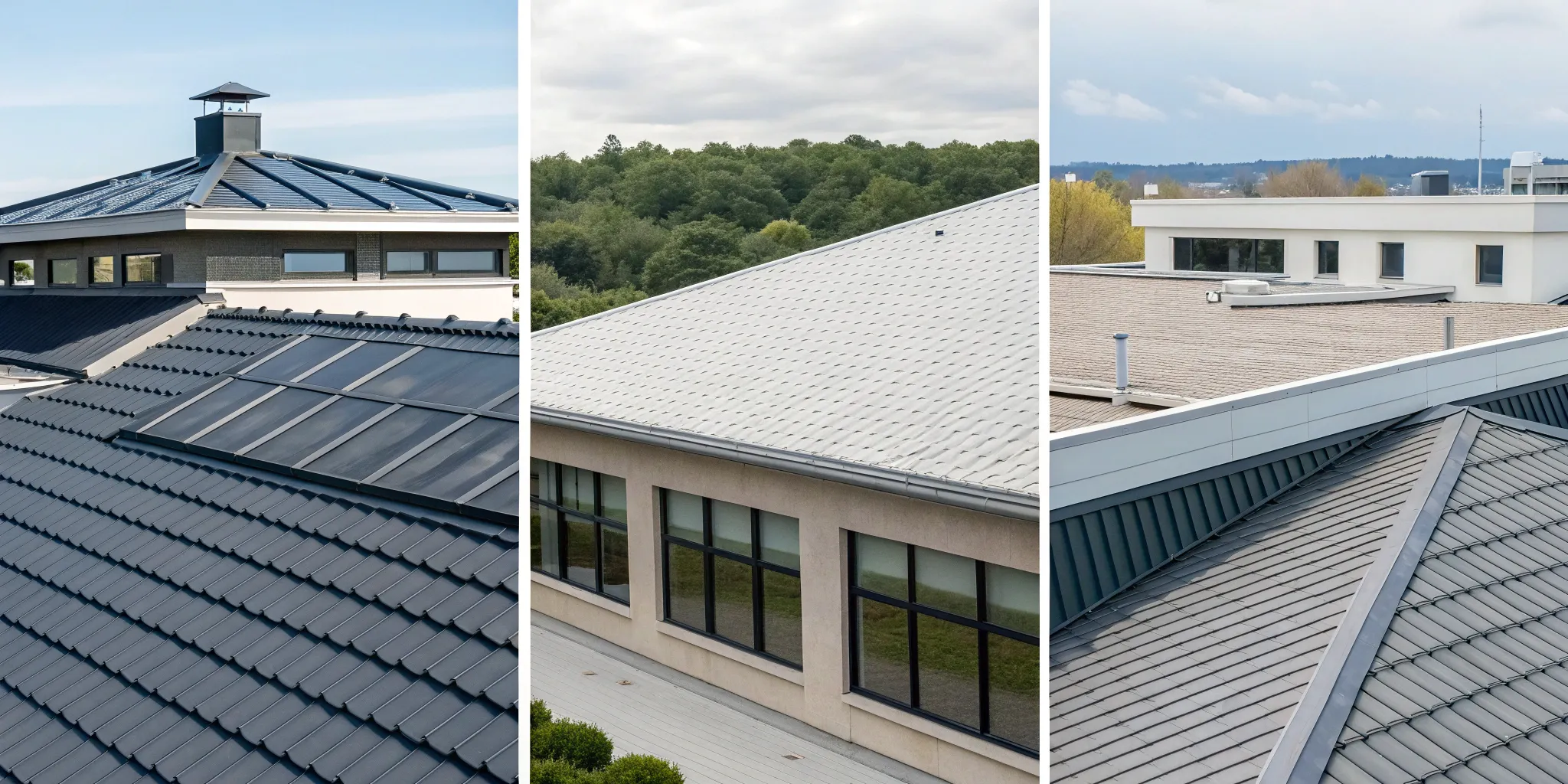
Metal roofing is a premium option prized for its exceptional longevity and sleek, modern appearance. Systems like standing seam metal, which use concealed fasteners, offer a clean look while providing superior protection against leaks and high winds. While the upfront cost is higher than other materials, a metal roof can last 50 years or more with minimal maintenance, adding significant long-term value to your property. Its durability and resistance to fire, rot, and insects often make it a favorite among insurance providers. You can see some beautiful examples of finished roofing projects to get a feel for the aesthetic.
Asphalt Shingles
While you might associate asphalt shingles with residential homes, they are also a common sight on commercial properties with sloped roofs, such as apartment complexes, churches, and retail centers. The key difference is that commercial applications typically use upgraded “architectural” or “designer” shingles. These are thicker, more durable, and offer better wind resistance than standard residential shingles. They also come in a wide variety of colors and styles, allowing property owners to achieve a specific aesthetic. With a lifespan of 25 to 35 years, high-quality asphalt shingles provide a reliable and cost-effective solution for sloped commercial roofs.
How Does Your Roof Choice Impact Insurance?
When you’re choosing a new roof, you’re likely thinking about curb appeal, durability, and cost. Your insurance company, however, is looking at it from a different perspective: risk. The materials you select for your roof have a direct and significant impact on your property insurance premiums. Insurers view your roof as the building’s primary shield against the elements, from harsh sun and rain to high winds and fire. A roof built with resilient, high-quality materials means less risk of a future claim, which can translate into lower annual costs for you.
Insurance providers assess several key factors, including the material’s performance ratings, the roof’s age and condition, and even its structural shape. Making a smart choice isn’t just about long-term protection for your property; it’s also a strategic financial decision that can save you money for years to come. By understanding what insurers value, you can select a roofing system that not only looks great but also keeps your coverage affordable.
Fire Resistance Ratings
Here in Southern California, fire safety is non-negotiable, and your insurance provider agrees. They carefully evaluate the fire resistance of roofing materials, using a class system (Class A, B, or C) to grade how well a roof can withstand a fire. Materials with a Class A rating—the highest available—like metal, slate, and clay or concrete tile, are highly favored. Choosing a roof with a top-tier fire rating demonstrates to your insurer that you’ve taken proactive steps to mitigate risk. This often results in more favorable policy terms and lower premiums, giving you both enhanced safety and financial peace of mind.
Wind and Hail Performance
While we may not face hurricanes, Southern California is no stranger to powerful Santa Ana winds and the occasional hailstorm. A roof’s ability to hold strong against these forces is a critical factor for insurance companies. Materials known for their exceptional wind and hail performance, such as metal and certain impact-resistant shingles, are seen as a safer bet. The design of your roof also plays a role; for instance, hip roofs are generally considered more durable in high winds than gable roofs. A roof that is less likely to sustain damage during a storm is less likely to lead to a claim, which is a win-win for both you and your insurer.
Durability and Lifespan
For an insurance company, the age of your roof is a direct indicator of its reliability. An older roof is simply more prone to failure, making it a greater liability. Because of this, older roofs usually cost more to insure and may only qualify for limited coverage. In contrast, a new roof built with durable, long-lasting materials signals strength and security. Installing a new roof often makes you eligible for better coverage options, like Replacement Cost Value (RCV), which pays for a full replacement without factoring in depreciation. Investing in a high-quality roof is a smart move that protects your property and your budget.
Water Resistance
Water damage is one of the most frequent and expensive issues property owners face, so it’s a major concern for insurers. Your roof’s capacity to efficiently shed water and prevent leaks is paramount. Certain designs, like flat or low-slope roofs, can be problematic if they aren’t installed and maintained perfectly, as they can allow water to pool and eventually seep through. A roof with an adequate slope and a watertight installation is viewed far more favorably. A regular roof inspection can catch potential drainage issues early, helping you prevent costly damage and keep your insurance rates in check.
What Do Insurance Companies Look for in a Roof?
When an insurance company evaluates your commercial property, they’re essentially calculating risk. Your roof is one of the most critical factors in that equation because it’s the building’s primary shield against the elements. A failing roof can lead to catastrophic water damage, structural issues, and business interruptions—all of which translate to expensive claims. That’s why insurers look so closely at its overall health and integrity.
They don’t just glance at it; they assess several key areas to determine how likely it is to fail. Think of it like a report card for your roof. They grade its age, its current condition, the materials it’s made from, and how well it was installed. They also want to see proof that you’re taking care of it through regular upkeep. A comprehensive roof inspection provides the detailed, credible information that insurers need to see, giving them a clear picture of your property’s risk profile and helping you secure a fair policy.
Roof Age and Condition
Age is more than just a number to an insurer—it’s a direct indicator of risk. As a roof gets older, its materials naturally degrade from constant exposure to sun, rain, and wind. This makes it more susceptible to leaks and damage. Some insurance carriers may even refuse to cover a roof that’s past a certain age, often around 17-20 years. However, age is only half the story. An inspector will also carefully evaluate the roof’s current condition. They’ll look for warning signs like cracks, blisters, ponding water, or damaged flashing. A newer roof that shows signs of premature wear could be a bigger red flag than an older roof that has been impeccably maintained.
Quality of Installation
You can invest in the highest-quality roofing materials on the market, but if they aren’t installed correctly, they won’t protect your property. Insurance companies know this, and they look for evidence of professional workmanship. Mistakes and oversights during installation—like improper sealing around vents, inadequate fastening, or poor drainage—can create immediate vulnerabilities. These issues often lead to leaks and can even void your manufacturer’s warranty. That’s why insurers scrutinize the quality of the installation. Working with certified professionals for your commercial roofing ensures the job is done right, giving you peace of mind and satisfying your insurer’s requirements.
Maintenance History
A proactive property owner is an insurer’s favorite client. Providing a detailed history of regular maintenance shows that you’re committed to preserving the condition of your roof and preventing problems before they start. Keep organized records of every inspection, cleaning, and repair. This documentation serves as proof that your roof is in good hands and that any issues have been addressed promptly. Without these records, an insurer might assume the worst and view your property as a higher risk due to potential neglect. A consistent roof maintenance plan is one of the best ways to protect your investment and maintain a positive relationship with your insurance provider.
Location and Climate
Insurance is all about local context, and your property’s location plays a huge role in determining your premiums. Insurers analyze the specific climate-related risks in your area. Here in Southern California, that means considering the impact of relentless UV radiation, which can break down roofing materials over time. It also includes the risk of damage from Santa Ana winds and the potential for leaks during our seasonal rainstorms. The type of roof you have should be well-suited to handle these local challenges. For example, a reflective “cool roof” can be a major advantage in our sunny climate, while a system with robust wind resistance is essential for protecting your property.
Which Roofs Earn the Best Insurance Rates?
When it comes to insurance, not all roofs are created equal. Insurers are all about managing risk, so they favor materials that are tough, long-lasting, and resistant to common threats like fire, wind, and hail. Choosing one of these preferred materials for your commercial property can directly translate into lower premiums. It’s a smart investment that pays off in both protection and long-term savings. Think of it from their perspective: a roof that’s less likely to be damaged means fewer claims they have to pay out. That’s why they’re willing to offer better rates for roofs made from materials with a proven track record of performance and resilience.
Your roof is your building’s first line of defense, and your insurance provider knows this better than anyone. They carefully evaluate factors like the material’s fire rating, its ability to withstand high winds, and its resistance to hail or water damage. A roof built with superior materials signals to them that your property is a lower-risk investment to insure. This isn’t just about saving a few dollars here and there; over the life of your roof, the savings on insurance can be substantial, helping to offset the initial installation cost. Let’s look at which materials insurance companies tend to smile upon and how you can make a choice that protects your building and your budget.
Advantages of Metal Roofing
Metal roofing is a favorite among insurance providers for good reason. It’s incredibly durable and can withstand extreme weather, from high winds to heavy rain. Plus, metal is non-combustible, giving it a top-tier fire resistance rating that insurers love. While the upfront cost might be higher than some other materials, its long lifespan and low maintenance needs mean fewer claims over time. This reliability makes property owners who choose various roofing services like metal a lower risk, which often leads to more favorable insurance rates.
Benefits of TPO and EPDM
For commercial buildings with flat or low-slope roofs, TPO (Thermoplastic Olefin) and EPDM (Ethylene Propylene Diene Monomer) are excellent choices that can positively impact your insurance costs. These single-ply membrane systems are known for their impressive durability and resistance to punctures and tears. They also offer fantastic water resistance, reducing the risk of leaks and water damage—a major concern for insurers. Many TPO and EPDM options are also highly reflective, which improves energy efficiency. This combination of resilience and performance makes them a popular choice for modern commercial roofing.
Discounts for Impact-Resistant Materials
Insurance companies often reward proactive property owners with discounts for installing impact-resistant roofing materials. These materials are engineered to hold up against hail and wind-blown debris, significantly lowering the chances of damage during a storm. Materials with a Class 4 impact rating, the highest available, are particularly attractive to insurers. By investing in a stronger roof, you’re not just protecting your property; you’re also demonstrating to your insurance provider that you’re actively minimizing risk. This can lead to tangible savings on your premiums, making it a financially savvy move in the long run.
Debunking Myths About Roofing and Insurance
When it comes to your roof and your insurance policy, it’s easy to get tangled up in misinformation. Believing the wrong thing can lead to denied claims, higher premiums, or unexpected out-of-pocket costs. Let’s clear the air and tackle some of the most common myths so you can make smarter decisions for your property. Understanding how insurers view your roof is the first step toward protecting your investment and keeping your costs down.
Myth: All Roof Types Are Insured Equally
It’s a nice thought, but it’s simply not true. Insurance companies definitely play favorites when it comes to roofing materials. They assess the risk associated with your roof based on its material, age, condition, and even its shape. A newer metal roof, for example, is often seen as more durable and resistant to fire and wind than 20-year-old asphalt shingles. As a result, choosing certain high-performance materials can lead to lower premiums. Insurers know that some roofs hold up better against Southern California’s sun and storm seasons, and they adjust their rates accordingly.
Myth: Age and Condition Don’t Matter
This is one of the most dangerous myths for property owners. The age and condition of your roof are two of the most critical factors an insurance company considers. An older roof is statistically more likely to fail, making it a higher risk to insure. Many providers will charge more for a roof that’s past the 15-year mark, and some may only offer Actual Cash Value (ACV) coverage, which accounts for depreciation, instead of full replacement cost. A roof in poor condition can even lead to a non-renewal of your policy. This is why a professional roof inspection is so valuable—it provides clear documentation of your roof’s health.
Myth: Insurance Covers Everything
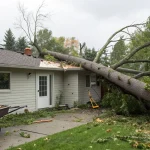
Many people treat their insurance policy like a roof warranty, but they serve very different purposes. A standard property insurance policy is designed to cover damage from sudden and unforeseen events, like a storm or a fallen tree. It does not cover issues that arise from a lack of maintenance, general wear and tear, or old age. If you have a leak because of cracked shingles that you never replaced, your claim will almost certainly be denied. Proactive roofing services and regular upkeep are your best defense against problems that insurance won’t pay for.
How Roof Age and Condition Affect Your Policy
When an insurance company evaluates your property, the roof gets a lot of attention. As your building’s main shield against the elements, its age and condition are critical factors in their risk assessment. An older roof with visible wear and tear can signal a higher likelihood of future claims, which often leads to higher premiums, more restrictive coverage, or even an outright denial.
On the flip side, a roof that has been consistently cared for tells a different story. Even if it isn’t brand new, a well-maintained roof shows insurers that you are a proactive property owner who invests in upkeep. This simple fact can significantly improve your standing with insurance providers. It’s not just about the number of years your roof has been up there; it’s about the quality of its care throughout its lifespan. Proving that your roof is in excellent condition can make all the difference in securing a favorable policy.
Coverage Eligibility Thresholds
Most insurance carriers set age limits for the roofs they are willing to insure. While the exact number can vary by provider and region, many start to limit coverage once a roof passes the 15 or 20-year mark. If your roof is older than their established threshold, you may struggle to find a company willing to write a new policy. Insurers view an aging roof as a significant liability that is more prone to leaks and storm damage. A professional roof inspection can provide the official documentation needed to demonstrate your roof’s health, which can help you secure coverage even as it gets older.
Replacement Cost vs. Actual Cash Value
Your insurance policy will typically offer one of two types of coverage: Replacement Cost Value (RCV) or Actual Cash Value (ACV). RCV pays the full amount needed to replace your damaged roof with a new one of similar quality. ACV, on the other hand, only pays for the value of your roof at the time of the damage, factoring in depreciation. Insurers often provide RCV for newer roofs but may switch to an ACV-only policy for older ones. This is a critical distinction because an ACV payout for a 20-year-old roof might only cover a small portion of the cost of a full roof replacement.
Required Condition Assessments
To secure the best insurance rates, you need to prove your roof is in good working order. Insurers frequently request a professional assessment before issuing or renewing a policy, particularly for older roofs. This is why keeping detailed records is so important. Document every inspection, repair, and maintenance visit. For commercial properties, scheduling inspections at least twice a year is a smart move to address small issues before they escalate. Obtaining a formal Roof Certification provides your insurer with credible, third-party verification that your roof is sound, strengthening your position when negotiating your policy.
Insurance Drawbacks of Common Roofing Materials
Your choice of roofing material is a financial decision that directly impacts your insurance policy. While every material has its pros, some come with specific hurdles when it comes to getting affordable, comprehensive coverage. Insurers are focused on managing risk, and certain materials or roof conditions represent a higher chance of future claims. Understanding these potential drawbacks ahead of time can save you from unexpected premium hikes or coverage gaps down the road. Here are a few common factors that can make insurance companies more cautious.
Coverage Limits for Asphalt Shingles
Asphalt shingles are popular because they’re affordable and versatile, and most insurers will cover them. The catch? While they are an acceptable roofing material, they aren’t as durable as other options. This lack of long-term resilience, especially under the Southern California sun, is a concern for insurers. Because they’re more susceptible to wind and wear, you might find your policy has lower coverage limits or a higher deductible compared to metal or tile. It’s a trade-off between upfront cost and long-term insurability to consider when exploring your roofing services options.
Water Damage Risks on Flat Roofs
Flat roofs are a staple for commercial buildings, but they can be tricky from an insurance perspective. The main issue is drainage. Because they lack a slope, water can easily sit on them, causing damage over time. This “ponding” water increases the risk of leaks and costly water damage claims. As a result, insurers often charge higher premiums for properties with flat roofs. They may also require proof of regular maintenance before offering a policy for your commercial roofing, making upkeep essential.
Age-Related Premium Hikes
No matter the material, your roof’s age is a huge factor for your insurance provider. Older roofs usually cost more to insure because they are more likely to get damaged. After years of exposure, an aging roof is simply more vulnerable. Once a roof is 15-20 years old, insurers may switch your coverage from “replacement cost” to “actual cash value” (ACV). This means they’ll only pay what the aged roof was worth, not for a full replacement. They might not even renew the policy without a certified roof inspection to prove it’s in good shape.
Optimize Your Roof for Better Insurance Rates
Your commercial roof is one of your property’s most critical lines of defense, and your insurance provider sees it the same way. A strong, well-maintained roof translates to lower risk, which can mean lower insurance premiums for you. Insurers aren’t just looking at the type of roof you have; they’re assessing its ability to withstand potential threats like fire, high winds, and heavy rain. By making strategic choices about your roofing, you can directly influence how much you pay for coverage.
Taking a proactive approach to your roof’s health is one of the smartest financial decisions you can make as a property owner. It’s not just about preventing leaks; it’s about building a case for your property being a safe and secure investment. From the materials you choose to the records you keep, every step you take can contribute to a more favorable insurance profile. Think of it as a partnership with your insurer—by demonstrating you’re a responsible owner, they’re more likely to reward you with better rates. Here are four actionable steps you can take to optimize your roof and potentially reduce your insurance costs.
Choose Durable, Insurer-Friendly Materials
When it comes to insurance, not all roofing materials are created equal. Insurers often favor materials known for their resilience against common perils like fire, wind, and impact. If you’re installing a new roof or replacing an old one, consider materials like metal, slate, or tile. These options have a proven track record for durability and longevity, making them a lower risk for insurance companies. A roof that can stand up to Southern California’s weather challenges is a safer bet, and your premiums will likely reflect that. Investing in high-quality roofing services that use these materials can pay off in long-term insurance savings.
Keep Detailed Records
Think of your roof’s paperwork as its resume. A complete history of inspections, maintenance, and repairs demonstrates to your insurer that you are a diligent property owner. Keep a dedicated file with every invoice, report, and warranty document related to your roof. This documentation is invaluable if you ever need to file a claim, as it proves the roof’s condition prior to the event. It also shows that you’ve been proactive in its upkeep, which can be a key factor when your policy is up for renewal. This simple habit builds a powerful case that your property is well-cared-for and a low liability.
Schedule Regular Professional Inspections
Out of sight shouldn’t mean out of mind. Experts recommend having your commercial roof inspected at least twice a year, typically in the spring and fall. A professional roof inspection can identify minor issues like small cracks, clogged drains, or loose flashing before they escalate into major, costly problems. Catching these problems early not only saves you money on repairs but also shows your insurance provider that you are committed to preventative maintenance. A certified inspection report from a trusted company provides credible, third-party validation of your roof’s condition, strengthening your position during insurance negotiations.
Meet All Building Codes
Ensuring your roof complies with all local building codes is non-negotiable. These codes exist for a reason: to ensure your roof is safe, structurally sound, and capable of protecting your building. An insurer will assume your roof meets these standards at a minimum. If a claim arises and your roof is found to be non-compliant, your coverage could be denied entirely. Working with a certified and licensed roofing contractor is the best way to guarantee your installation or repair work is done correctly. They will understand the specific requirements for areas like Orange County and ensure your roof is not just functional, but fully compliant.
Understand Your Commercial Roof Insurance Options
Getting the right insurance for your commercial property isn’t just about ticking a box—it’s about understanding the fine print. Your policy is a financial safety net, and the type of coverage you have can make a world of difference when you need to file a claim. Let’s break down a few key insurance options you need to know about.
Replacement Cost vs. Actual Cash Value
When it comes to covering roof damage, policies typically fall into two camps: Replacement Cost Value (RCV) and Actual Cash Value (ACV). RCV coverage pays the full cost to replace your damaged roof with new, similar materials. On the other hand, ACV coverage only pays for the depreciated value of your roof. An older roof might only qualify for ACV, leaving you to cover a significant portion of the replacement cost yourself. This is why insurers often favor newer roofs, as they are more likely to qualify for full RCV coverage.
Business Interruption Coverage
If roof damage forces your business or your tenants to temporarily close, the financial impact goes beyond repair costs. That’s where business interruption coverage comes in. This essential add-on helps cover lost income and operating expenses while your property is being restored. A standard property policy might not include this, so it’s crucial to check if you’re covered. Without it, a major roof issue could disrupt your cash flow and jeopardize your business’s stability. It’s a critical piece of protection for any commercial property owner.
Natural Disaster Policies
Living in Southern California means planning for specific risks like earthquakes and wildfires. Many standard insurance policies have exclusions for certain natural disasters, requiring you to purchase separate coverage or special endorsements. When underwriting your policy, insurers will look closely at your roof’s age, material, and overall condition. A roof in poor shape can lead to higher premiums or even make it difficult to get coverage at all. Scheduling a regular professional roof inspection provides the documentation you need to prove your roof is well-maintained and ready to withstand the elements.
Choose the Right Roof for Lower Premiums
Making a smart roofing decision isn’t just about aesthetics or immediate cost; it’s a long-term financial strategy that directly influences your insurance premiums. By thinking like an insurer, you can choose a roof that not only protects your property but also your wallet. Here’s how to approach your roofing project with insurance savings in mind.
Assess Your Local Climate Risks
Here in Southern California, our roofs face a unique set of challenges, from intense sun and UV exposure to the occasional heavy downpour and powerful Santa Ana winds. Insurance companies are well aware of these regional risks and factor them into your premiums. They prefer materials that can stand up to the elements. That’s why durable options like metal, slate, and tile are often favored, as they offer superior resistance to fire, wind, and sun damage. When selecting your roofing materials, think about how they’ll perform over decades of SoCal weather—your insurer certainly will.
Compare Long-Term Costs and Savings
The price tag on a new roof is only the beginning of the story. A cheaper upfront option might cost you more over time in repairs and higher insurance premiums. Investing in a stronger, more resilient roof can lead to significant savings. For example, impact-resistant shingles or metal roofing can qualify you for insurance discounts. According to a Bankrate analysis, concrete and metal roofs tend to have some of the lowest annual insurance costs due to their durability. By comparing the long-term costs, including potential insurance savings, you can make a much more informed financial decision for your property.
Work with Certified Roofing Professionals
Your choice of roofing material is only as good as the team that installs it. Insurance companies know this, which is why the quality of installation is a major factor in their assessments. A poorly installed roof is a claim waiting to happen. This is why it’s essential to partner with licensed and certified professionals who have a proven track record. A certified roofer not only ensures your roof is installed to meet manufacturer specifications and local building codes but also provides the documentation you need to prove it to your insurer. Don’t cut corners here; professional installation is a key part of securing favorable insurance rates.
Plan for Future Insurance Needs
A new roof might seem like a permanent fixture, but its age plays a huge role in your insurance coverage down the line. As a roof gets older, insurers see it as a higher risk. Many providers will increase premiums for roofs over 15 years old or switch your coverage from full Replacement Cost to the lower Actual Cash Value (ACV). In some cases, they may refuse to renew your policy altogether. When choosing a new roof, consider its expected lifespan. Opting for a material with a longer life and scheduling regular professional inspections can help keep your property protected and your insurance options open for years to come.
Related Articles
- The 4 Main Types of Commercial Roofing Systems
- 6 Types of Commercial Flat Roofing Explained
- The Best Roofing Materials for Every Climate and Budget
- Roof Inspection for Homeowners Insurance: What to Expect
Frequently Asked Questions
Will installing a new roof automatically lower my insurance premium? Not automatically, but it’s very likely to happen if you take the right steps. A new roof, especially one made with durable materials, makes your property a much lower risk. Once the installation is complete, you should immediately contact your insurance agent. Provide them with all the documentation, including the type of materials used and the contractor’s information, so they can re-evaluate your policy. This proactive communication is key to securing a better rate.
My roof is over 15 years old but seems to be in good shape. Is its age really that big of a deal for my insurer? Yes, it almost always is. While the roof might look fine to you, insurance companies base their decisions on data that shows the risk of failure increases significantly with age. Materials naturally break down over time from constant exposure to the elements. Because of this, many insurers will increase your premium, limit your coverage options, or require a professional certification to prove the roof is still sound before they agree to renew your policy.
Besides metal, what other materials are considered ‘insurer-friendly’ for a flat commercial roof? For flat or low-slope roofs, single-ply membranes like TPO and EPDM are excellent choices that insurers tend to view favorably. Their main advantage is the creation of a seamless, waterproof surface that drastically reduces the risk of leaks—a major concern for any flat roof. Their durability, resistance to punctures, and reflective properties also signal to an insurer that you’ve invested in a modern, high-performance system.
How can I prove to my insurance company that my roof is well-maintained? The best way to prove it is with a paper trail. Keep a dedicated file with every document related to your roof, including invoices for repairs, reports from biannual professional inspections, and any warranty information. This organized history shows your insurer that you are a responsible property owner who actively works to prevent problems. This documentation can be incredibly persuasive when it’s time to renew your policy or if you ever need to file a claim.
Is a roof certification the same as a regular inspection? They are related but serve different purposes. A roof inspection is an assessment of your roof’s condition at a specific moment in time, identifying any existing issues or potential problems. A roof certification goes a step further. It’s a formal guarantee from a qualified company that your roof is free of leaks and will remain so for a set period. For an insurance company, that certification is a powerful statement that reduces their immediate risk, making it a highly valuable document to have.
Comment (0)