How to Hire a Certified Roof Inspector in Orange County
If you had a specific heart concern, you wouldn’t just see a general practitioner; you’d see a cardiologist. The same logic applies to your home’s most critical asset: its roof. A general contractor might be fantastic for a kitchen remodel, but your roof is a complex system that demands specialized expertise, especially given its constant exposure to Southern California’s intense sun and seasonal storms. A true professional understands these unique challenges. Choosing a certified roof inspector in Orange County means you’re hiring a specialist who has undergone rigorous training to identify subtle issues that others might easily miss, ensuring your home is protected by an expert eye.
Key Takeaways
- Certification Guarantees a Specialist, Not a Generalist: Hiring a certified inspector means you’re getting an expert trained specifically in roofing systems. They provide an unbiased, in-depth assessment and the formal documentation required for insurance claims or real estate deals.
- A Proper Inspection is More Than Surface-Level: A certified inspection is a comprehensive evaluation of your entire roof, including an interior check of the attic for hidden issues like leaks or poor ventilation. The result is a detailed report that gives you a clear roadmap for maintenance and repairs.
- Do Your Homework to Hire with Confidence: Take the time to vet potential inspectors by checking their credentials and reviews. Always ask key questions about their process and insurance, and be aware of red flags like high-pressure sales tactics to ensure you find a true professional.
What Makes a Roof Inspector “Certified”?
When you see the word “certified,” it’s easy to wonder what it really means. In the roofing world, it’s a critical distinction. A certified roof inspector isn’t just someone with a ladder and a good eye; they are a professional who has met specific, rigorous standards for knowledge, training, and ethics. This isn’t just about finding a leak. It’s about understanding the entire roofing system, from the decking and underlayment to the flashing and ventilation.
Hiring a certified inspector means you’re getting an expert who can provide an unbiased, comprehensive evaluation of your roof’s health. They operate based on established industry best practices, not guesswork. This level of professionalism is what separates a true inspection from a simple estimate and gives you a clear, reliable picture of your roof’s condition and expected lifespan. It’s the difference between uncertainty and peace of mind.
Key Qualifications and Training
A certified inspector’s expertise comes from specialized training that goes far beyond a surface-level look. They are taught to analyze every component of your roof, including the interior aspects like attic ventilation and signs of water intrusion that aren’t visible from the outside. This in-depth training, often through organizations like the National Roof Certification and Inspection Association (NRCIA), equips them to identify everything from improper installation and material defects to subtle storm damage.
This rigorous education means they can spot potential issues before they become costly disasters. They understand how different roofing materials age and what specific vulnerabilities to look for in Orange County’s climate. A proper roof inspection is a detailed diagnostic process, and this training ensures the person on your roof knows exactly what to look for.
Industry Certifications to Look For
The training is backed by a formal certification, which is your proof of the inspector’s qualifications. A roof certification is a document that essentially guarantees your roof has passed a thorough inspection, has no current leaks or problems, and is expected to remain functional for a specific period, often two to five years. This isn’t just a verbal promise; it’s a written report that holds significant weight.
This document is invaluable, especially during real estate transactions, for insurance purposes, or simply for your own records. It provides a verified report from a certified professional, giving you confidence in your roof’s integrity. When you hire an inspector, you should always ask about the type of certification they provide and what it covers.
Why You Need a Certified Inspector in Orange County
When it comes to your roof, “good enough” just doesn’t cut it. While you might be tempted to have a general contractor take a quick look, a certified roof inspection is a completely different ballgame. Think of it as the difference between a routine check-up and seeing a specialist. A certified inspector brings a deep level of expertise that’s essential for protecting your home, especially here in Southern California where our roofs face everything from intense sun to seasonal storms.
Hiring a certified professional isn’t just about finding existing problems; it’s about getting a clear, documented, and expert opinion on the health of your roof. This is crucial for everything from securing insurance coverage to ensuring your home is up to code. A certified inspector provides the detailed analysis you need to make informed decisions, whether you’re buying a new home, recovering from storm damage, or simply planning for future maintenance. They are trained to see what others miss, giving you a true assessment of your roof’s condition and lifespan.
The Specialist vs. General Contractor Difference
A general contractor is a jack-of-all-trades, which is perfect for a kitchen remodel but not ideal for something as specialized as your roof. A certified roof inspector, on the other hand, is a master of one. Our inspectors are certified by organizations like the National Roof Certification and Inspection Association (NRCIA), meaning they’ve undergone rigorous training focused specifically on roofing systems. They understand the unique challenges Orange County roofs face, from tile to shingle, and can identify subtle issues a generalist might overlook. This specialized knowledge ensures your roof inspection is thorough and accurate, catching small problems before they become costly disasters.
Meeting Insurance and Documentation Needs
After a major storm or during a real estate transaction, you’ll quickly find that insurance companies and lenders require official documentation. This is where a certified inspection is invaluable. A roof certification is a formal document that guarantees your roof has been professionally inspected, is free of issues, and is expected to perform well for a specific period. This isn’t just a piece of paper—it’s the proof you need to satisfy insurance carriers, secure a home loan, or give a potential buyer confidence. It formalizes your roof’s condition, making it a key asset in any negotiation or claim.
Navigating Local Building Codes
Building codes can be a complex web of regulations that vary from one city to the next. An inspector who works across Southern California understands the specific requirements for homes in Irvine versus Santa Ana. A certified professional stays current on all local building codes, ensuring any recommended repairs or replacements will meet these strict standards. This protects you from potential fines, failed municipal inspections, and the liability of non-compliant work. By hiring an expert familiar with our service areas, you can be sure your roof is not only safe and secure but also fully compliant with Orange County regulations.
What Does a Certified Roof Inspection Include?
A certified roof inspection is a deep dive into the health and integrity of your roof. It’s far more than a quick look from the driveway; it’s a meticulous, top-to-bottom examination performed by a trained professional. Think of it as a comprehensive physical for your home’s most important protector. The goal is to uncover not just existing problems but also potential vulnerabilities that could turn into costly repairs. A certified inspector follows a systematic process to ensure every component is evaluated, giving you a complete and accurate picture of your roof’s condition.
Full Roof Health Assessments
A certified inspector conducts a thorough evaluation of your entire roofing system. They have the expertise to assess various roofing types, from classic asphalt shingles to Spanish tiles and flat commercial roofs. The assessment covers every layer: the surface material, flashing around vents and chimneys, gutters, and the underlying decking. They’re looking for signs of aging, wear and tear, and improper installation. This comprehensive roof inspection ensures that all aspects of the roof are examined, providing a complete health report for your home.
Pinpointing Leaks and Storm Damage
A critical part of the inspection is the hunt for leaks and weather-related damage. A certified inspector is a skilled detective, analyzing both the exterior and interior of your roofing system to find evidence of water intrusion. This includes checking the attic for moisture and examining ceilings for stains. They’ll also look for damage caused by storms, harsh sun, or wind, which can be subtle to the untrained eye. By identifying these vulnerabilities early, you can address them before a small issue becomes a major headache, protecting your home and everything in it.
Actionable Reports and Maintenance Plans
After the physical inspection, you’ll receive a detailed report that translates the findings into clear, actionable information. This document includes photographs, a description of any issues found, and professional recommendations for repairs or maintenance. A Roof Certification from a reputable company guarantees that your roof has been thoroughly inspected. This report gives you the insights needed to protect your investment, whether that means scheduling a minor repair or simply following a maintenance plan to extend the life of your roof. It’s your roadmap to a healthy roof.
What’s the Cost of a Certified Roof Inspection in Orange County?
Let’s talk about one of the first questions on every homeowner’s mind: what’s the price tag? Investing in a certified roof inspection is one of the smartest moves you can make for your property, but you still need to budget for it. The final cost can vary, but understanding the key factors will help you know what to expect and see why it’s a worthwhile expense for protecting your home. Think of it less as a cost and more as an investment in your home’s long-term health and your own peace of mind.
A certified inspection gives you a clear, professional assessment of your roof’s condition, helping you catch small issues before they turn into major, expensive repairs. If your inspection reveals issues, the inspector can recommend trusted roof repair services to address them. It’s about being proactive, not reactive, when it comes to the structure that protects everything you own. Unlike a quick glance from a general contractor, a certified inspection involves a detailed process that documents every aspect of your roof’s health. This level of detail is crucial, especially in Orange County where weather can be unpredictable. Knowing the potential costs upfront helps you make an informed decision and feel confident in your choice to hire a professional who can provide the thorough documentation you need for insurance claims or real estate transactions.
Understanding the Average Costs
In California, a standard roof inspection generally runs between $150 and $500. While this gives you a general idea, a certified inspection provides a much deeper analysis of your roof’s condition. This thorough process ensures you get a detailed, actionable report that can be crucial for insurance, real estate transactions, or simply planning for future maintenance. Getting a professional roof inspection is a small step that can save you from major headaches and expenses down the road by catching small issues before they become costly problems. It’s the difference between a basic check-up and a full diagnostic exam for your home’s most important shield.
Factors That Influence the Final Price
Several key things determine the final price of your inspection. The size and slope of your roof are big ones—a larger, steeper roof naturally requires more time and safety equipment to assess properly. The type of roofing material also plays a role; inspecting a delicate tile roof, for example, demands a different approach than checking standard asphalt shingles. An older roof or one with existing damage will also need a more intensive look. Our team is experienced with all types of roofing services, so we know exactly what to look for with any material, ensuring you get an accurate and fair quote based on your specific needs.
How to Find and Choose the Right Inspector
Once you know what a certified inspection involves, your next step is to find a qualified professional you can trust. This isn’t just about a quick online search; it’s about doing a little homework to ensure you’re hiring someone with the right credentials and experience for the job. A great inspector provides more than just a report—they offer peace of mind. Taking the time to vet your options, ask smart questions, and watch for warning signs will help you find a true expert who has your best interests at heart.
How to Vet Your Options
Start by looking for inspectors who hold certifications from reputable organizations like the National Roof Certification and Inspection Association (NRCIA). A certified professional has proven their expertise through rigorous training and testing. Don’t just take their word for it—ask to see their credentials. Next, check online reviews and testimonials to see what past clients have to say. A trustworthy company will also be fully licensed and insured to protect you and your property. When you find an inspector, look for clear documentation, like the LeakFREE® Roof Certification we offer, which guarantees your roof has been thoroughly inspected and meets high standards. This level of detail is a hallmark of a true professional.
Must-Ask Questions for Any Inspector
Before you hire anyone, it’s smart to have a few key questions ready. This helps you compare inspectors and feel confident in your choice.
Here’s what I recommend asking:
- Are you certified, and by which organization?
- How much experience do you have inspecting roofs in the Orange County area?
- What exactly is included in your roof inspection process?
- Can you provide a sample of the inspection report so I know what to expect?
- Are you licensed and insured in California?
Their answers should be direct and clear. If they hesitate or give vague responses, it might be best to continue your search. A true professional will be happy to provide this information.
Red Flags to Watch Out For
Just as important as knowing what to look for is knowing what to avoid. Keep an eye out for a few common red flags that could signal a less-than-reputable inspector. Be cautious of anyone who uses high-pressure tactics, insisting you need immediate, expensive repairs before they’ve even provided a full report. Another warning sign is a vague or purely verbal assessment; you should always receive a detailed, written document outlining all findings. Finally, be wary of inspectors who also happen to be roofers and offer to waive the inspection fee if you hire them for the repair work. This can be a conflict of interest. For a transparent and honest assessment, contact a dedicated inspector who prioritizes accuracy over a quick sale.
What to Expect on Inspection Day
Knowing what happens during a professional roof inspection can take a lot of the stress out of the process. It’s not just someone walking around on your roof for a few minutes; a certified inspection is a thorough, systematic evaluation of your entire roofing system. From the moment the inspector arrives, their goal is to give you a complete picture of your roof’s health so you can make confident decisions about its care. Here’s a look at what you can expect on the big day.
A Step-by-Step Walkthrough
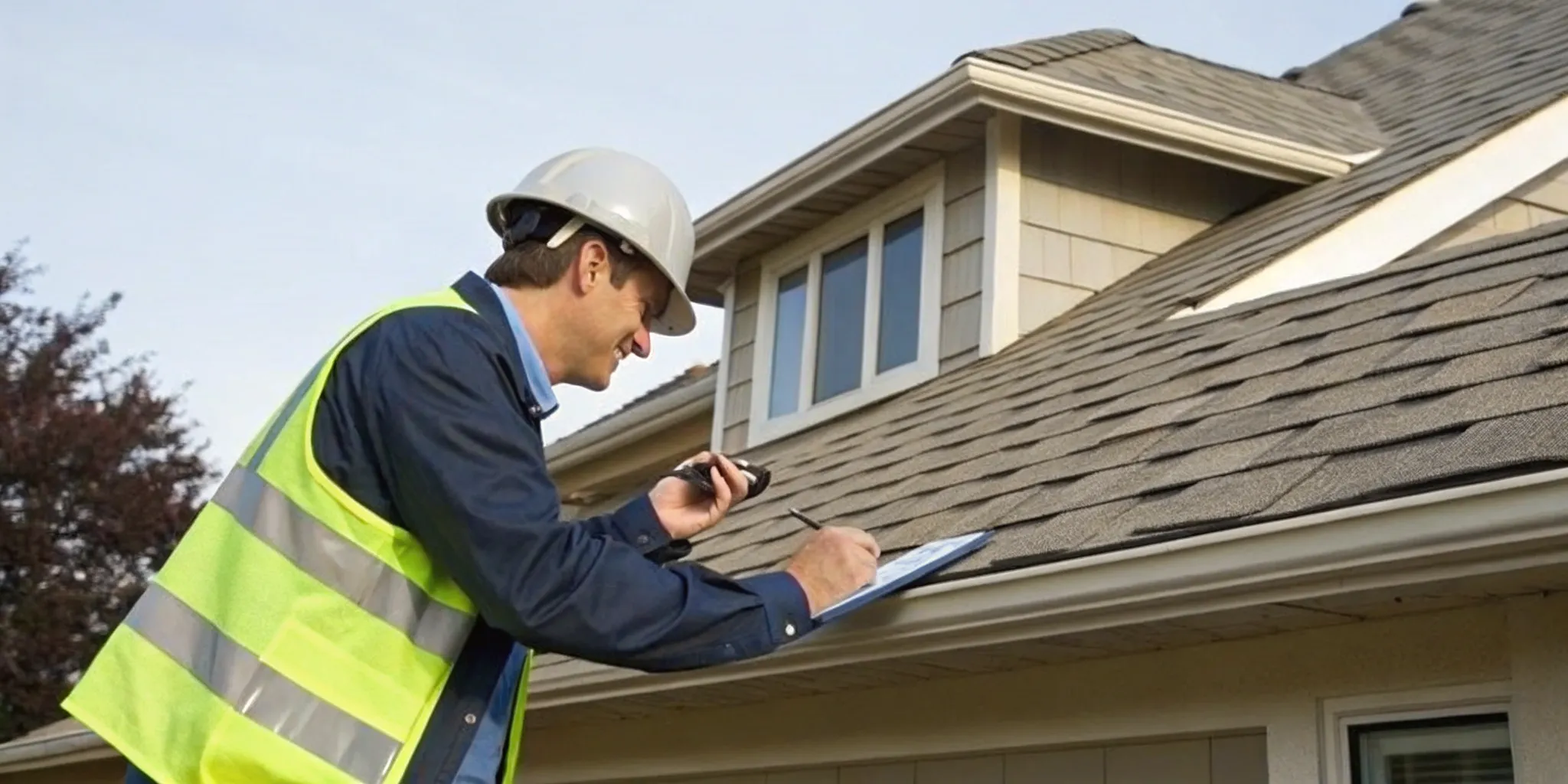
Your inspector will start with a comprehensive look at the exterior, examining everything from the shingles and flashing to the gutters and vents for signs of wear or damage. But the assessment doesn’t stop there. A key part of a certified roof inspection involves heading inside to check the attic. Here, they’ll look for signs of leaks, water damage, mold, and issues with structural integrity that aren’t visible from the outside. This inside-and-out approach ensures a complete evaluation, giving you a full understanding of your roof’s condition from a professional who knows exactly what to look for.
Understanding Your Inspection Report
After the physical inspection is complete, you’ll receive a detailed report. This isn’t just a simple pass/fail checklist; it’s a comprehensive document that outlines all the inspector’s findings, complete with photos and clear explanations. The report will identify any current issues, flag areas of potential concern, and provide actionable recommendations for repairs or maintenance. If your roof is in good shape, you may receive a roof certification, which is a document guaranteeing its condition for a set period. This report is your roadmap to keeping your roof in top shape for years to come.
How to Prepare for Your Roof Inspection
A professional roof inspection is your best tool for protecting your home, but a little prep work can make the entire process smoother and more effective. Taking a few simple steps before your inspector arrives ensures they can do their job thoroughly and safely, giving you the most accurate assessment of your roof’s health. Think of it as setting the stage for a successful appointment. When the inspector has easy access and all the information they need, you get a better, more comprehensive report. This preparation helps you get the most value out of the service and gives you peace of mind knowing every corner was checked.
Your Pre-Inspection Checklist
Getting ready for your inspection doesn’t take much time, but it makes a huge difference. Start by clearing the area around your home. Move any vehicles from the driveway, and shift patio furniture, grills, or potted plants away from the walls. This gives the inspector a safe perimeter to place ladders and work without obstruction. Next, ensure there’s a clear path to any interior access points, like the attic hatch. The inspector may need to check the underside of your roof deck for signs of leaks or water damage. Finally, if you have pets, it’s a good idea to keep them secured indoors so they stay safe and don’t interfere with the roof inspection process.
Getting the Most from Your Appointment
To truly maximize your inspection, be an active participant. If your schedule allows, be home during the appointment. This gives you a chance to point out specific areas of concern and ask questions in real-time. Before the inspector arrives, jot down any issues you’ve noticed, like a suspicious water stain on the ceiling or shingles you’ve found in the yard after a storm. Having this list ready helps focus the inspection on your known problems. This is also your opportunity to confirm you’re working with a true professional who can provide a roof certification, not just a quick glance-over. An open line of communication ensures you understand the findings and the recommended next steps.
Related Articles
- Orange County Roof Inspection Process – Cert-A-Roof Roof Inspections
- Commercial – Cert-A-Roof Roof Inspections
- Roofing Services – Cert-A-Roof Roof Inspections
- Storm Damage – Cert-A-Roof Roof Inspections
- Roof Repair – Cert-A-Roof Roof Inspections
Frequently Asked Questions
Is a roof inspection different from a roofing estimate? Yes, they are completely different. A roofing estimate is typically a free quote provided by a contractor who is looking to sell you a specific service, like a roof replacement. A certified roof inspection, however, is a paid diagnostic service. You’re hiring an expert to provide an unbiased, comprehensive assessment of your roof’s overall health and give you a detailed report on its condition, regardless of whether it needs immediate repairs.
How often should I have my roof inspected? A great rule of thumb is to schedule a professional inspection every two to three years as part of your regular home maintenance. You should also have it checked after any significant weather event, like a major storm with high winds or hail. This proactive approach is the best way to identify and address small issues before they have a chance to become serious, costly problems.
What happens if the inspection uncovers problems? Finding an issue is actually a good thing because it means you can fix it before it gets worse. If your inspector finds any problems, they will document them with photographs and provide a detailed written report. This report will clearly explain the issues and offer professional recommendations for the best course of action, giving you a clear and manageable plan to protect your home.
Is a roof certification the same as a roof warranty? They serve different purposes but are both important. A warranty usually covers defects in the roofing materials or the quality of the installation for a long period. A roof certification is a document issued after a thorough inspection that guarantees your roof is free of problems and is expected to remain leak-free for a specific term, often two to five years. It’s a snapshot of your roof’s current health and future reliability.
Do I need to be home for the inspection? While it isn’t always mandatory for the exterior portion of the inspection, it is highly recommended. The inspector will need to access your attic to check the underside of the roof deck for signs of leaks, mold, or structural issues. Being present also gives you the valuable opportunity to ask questions and point out any specific concerns you may have noticed yourself.

Comment (0)