
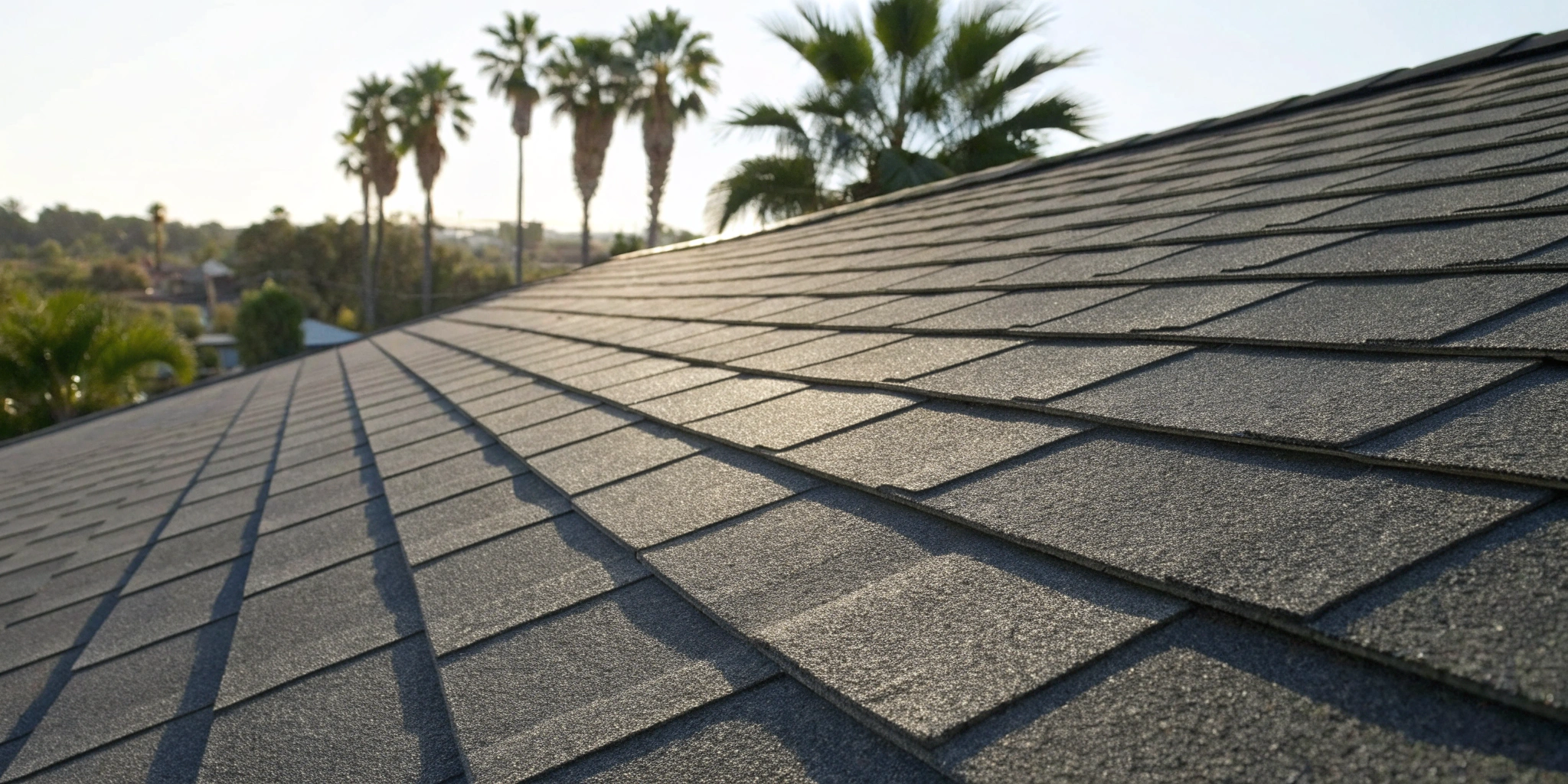
Asphalt Shingle Roof Replacement Cost Breakdown
For homeowners here in Southern California, roofing costs come with their own set of rules. Higher labor rates and specific building codes mean that national averages don’t always tell the whole story. If you’re planning a project, you need a realistic understanding of the local asphalt shingle roof replacement cost. We’ll provide California-specific pricing information and break down how factors like your roof’s size and complexity will impact your final bill. From Orange County to San Diego, this guide will give you the financial insights you need to plan your budget accurately and confidently hire a professional for a job done right.
Key Takeaways
- Know What Shapes Your Final Price: Your roof’s total cost is a combination of its size, pitch, and complexity, plus the specific shingles you select and local labor rates.
- Budget for the Unexpected: Always set aside a contingency fund of 10-15% to cover potential issues like rotted decking or structural repairs, which can only be found after the old shingles are removed.
- Prioritize Quality for a Lasting Investment: The lowest bid often leads to future problems, so get multiple detailed quotes and choose a certified contractor who uses high-quality materials to ensure your roof protects your home for years to come.
How Much Does a New Asphalt Shingle Roof Cost?
Figuring out the budget for a new roof is one of the first and most important steps in the process. While the final price tag depends on many factors specific to your home, looking at some general averages can give you a solid starting point for your financial planning. It helps to know what to expect before you start gathering quotes.
National Averages
Let’s talk numbers. Nationally, replacing a roof can cost anywhere from $10,000 to $20,000. For a more typical 1,700-square-foot home, you’re likely looking at a range of $6,000 to $9,000 for asphalt shingles. This breaks down to about $3.50 to $6.00 per square foot. Of course, these are just averages, and factors like your roof’s complexity and the specific materials you choose will influence the final price. The good news is that asphalt shingles remain one of the most popular and budget-friendly roofing options out there, which is why so many homeowners choose them.
California-Specific Costs
Here in California, things look a little different, mostly due to higher labor costs. For an asphalt shingle roof installation, you can expect to pay between $4.00 and $7.50 per square foot. So, for a 1,500-square-foot roof, the total cost would fall somewhere between $6,000 and $11,250. It’s also important to remember the cost of removing your old roof, which can add another $1.00 to $3.00 per square foot to your project total. While the numbers are a bit higher, investing in a quality installation from a local expert ensures your new roof can handle everything our Southern California weather throws at it.
What Affects the Price of a New Roof?
When you get a quote for a new roof, you might wonder how that final number comes together. It’s not just a random figure; it’s a careful calculation based on several key aspects of your home and the project itself. Understanding these factors can help you make informed decisions and see exactly where your investment is going. From the basic size of your roof to the specific materials you fall in love with, each element plays a role in the final cost.
Your Roof’s Size and Pitch
It makes sense that the bigger your roof, the more it will cost. A larger surface area requires more materials and more hours of labor to complete the job. But size isn’t the only dimension that matters—the pitch, or steepness, of your roof is also a major factor. A roof with a steep slope is more difficult and dangerous for crews to work on. It requires extra safety equipment and a more methodical installation process, which naturally increases the labor costs. A simple, low-pitch roof will almost always be more affordable to replace than a complex, steep one of the same square footage.
The Shingles You Choose
The materials you select will have one of the biggest impacts on your total cost. Asphalt shingles are the most popular choice for a reason—they offer a fantastic balance of durability, style, and affordability. However, there’s a wide world of options out there. If you’re looking for a different aesthetic or longer lifespan, you might consider materials like tile, metal, or slate, though these premium options come with a higher price tag. Your choice of roofing materials will define not only the look of your home but also a significant portion of your budget, so it’s worth exploring what works best for your style and financial plan.
Your Roof’s Complexity
Is your roof a simple, flat plane, or does it have multiple angles, peaks, and features? The more complex your roof’s design, the more labor-intensive the replacement will be. Features like chimneys, dormers, valleys, and skylights all require special attention. Each one needs to be carefully worked around and sealed with flashing to prevent leaks. This detailed work takes extra time, skill, and materials, which adds to the overall cost. A straightforward roof is quicker and easier to install, while a more intricate design requires a higher level of craftsmanship and a bigger budget to match.
Your Home’s Location
Believe it or not, your address influences the cost of your new roof. Labor rates can vary significantly depending on the city and even the neighborhood you live in. Local building codes also play a huge role. Here in Southern California, regulations often specify certain materials or installation techniques to withstand our unique climate and seismic activity. These requirements ensure your roof is safe and durable, but they can affect the price. Additionally, securing the necessary permits comes with fees that are factored into the final quote. As a company serving Orange County and beyond, we are well-versed in local codes and ensure every project is fully compliant.
Where Does Your Money Go? A Look at Labor and Materials
When you get a quote for a new roof, it can feel like one big, intimidating number. But breaking it down helps you see exactly what you’re paying for. A roof replacement is a major project that involves much more than just a stack of shingles. The total cost is a blend of skilled labor and a surprising number of different materials, all working together to protect your home. Understanding these components helps you appreciate the value in a quality job and make a more informed decision for your property. Let’s pull back the curtain and look at where your money really goes.
Understanding Labor Costs
It might be surprising to learn that the largest part of your roof replacement budget—often around 60%—goes directly to labor. This isn’t just about paying for time; it’s about paying for expertise. Installing a roof correctly requires skill, precision, and experience to ensure it lasts for decades and protects your home from the elements. Professional roofing services involve a team of skilled roofers who know how to handle materials, work safely on steep pitches, and execute flawless installations. Investing in qualified labor means you’re paying for peace of mind and a job done right the first time, preventing costly repairs down the road.
Essential Materials Beyond the Shingles
While shingles are the star of the show, they’re only one part of a complete roofing system. A standard estimate includes several other essential materials that are critical for a successful installation. This includes things like roofing paper or underlayment, which provides a secondary water barrier, and drip edges, which direct water away from your fascia. Your quote also covers the logistics of the project, such as the safe removal and disposal of your old roofing materials and a thorough cleanup of your property once the work is complete. Every piece plays a role in the final product.
Underlayment, Flashing, and Vents
Digging a little deeper, you’ll find several key components that are vital for a watertight and long-lasting roof. Underlayment is rolled out over the roof deck before the shingles go on, acting as a crucial layer of protection. Then there’s flashing, the metal pieces installed around chimneys, skylights, and vents to prevent leaks in these vulnerable areas. Pipe boots serve a similar purpose, sealing the area around plumbing vents. A proper roof inspection will always check these critical spots, as they are essential for the integrity of your entire roofing system.
How Is Roof Replacement Priced Per Square Foot?
When you start getting quotes for a new roof, you’ll notice contractors often talk in terms of “price per square foot.” This is the industry standard for breaking down the cost of a large project into a more understandable number. It helps you compare apples to apples when looking at different bids. Think of it as the base rate for your new roof, covering both the shingles and the labor to install them.
In roofing lingo, one “square” is a 10-by-10-foot area, or 100 square feet. So, when a contractor gives you a price per square foot, you can do some quick math with your roof’s total square footage to get a ballpark idea of the cost. This is just a starting point, of course. The final price tag will also depend on your roof’s unique features, like its steepness and complexity. But knowing the per-square-foot cost is a great way to understand the value you’re getting from different roofing services. It demystifies the total cost and helps you see exactly where your money is going.
Pricing for Standard Shingles
Asphalt shingles are the go-to choice for most homeowners in California, and for good reason—they offer a great balance of durability, style, and affordability. For standard asphalt shingles, you can generally expect the cost to fall between $4.00 and $7.50 per square foot, installed. To put that in perspective, for an average-sized 1,500 square foot roof, you’re looking at a total project cost of roughly $6,000 to $11,250. This range accounts for variations in shingle quality and the specifics of the installation, but it gives you a solid financial baseline for your budget.
Pricing for Premium Shingles
If you’re looking for a step up in both appearance and performance, premium architectural shingles are an excellent option. These shingles have a dimensional, textured look that can mimic more expensive materials like slate or wood shake, adding significant curb appeal. They’re also thicker and more durable. For a typical 2,000 square foot roof, a replacement using architectural shingles usually costs between $8,000 and $17,000. While the upfront investment is higher, you’re paying for enhanced weather resistance and a longer lifespan, which can mean better long-term value for your home.
Installation Costs
The shingles themselves are just one piece of the puzzle. A huge portion of your roof replacement budget—typically 40% to 60%—goes toward the skilled labor required for a proper installation. This is one area where you don’t want to cut corners. Additionally, you need to account for the removal and disposal of your old roof, which can add another $2 to $5 per square foot. For a 2,000 square foot roof, that means the tear-off alone could cost an extra $2,000 to $6,000. A professional estimate will always break down these costs, so you can see exactly what you’re paying for when you contact us for a quote.
Are There Hidden Costs to Plan For?
When you get a quote for a new roof, it feels like you have the final number. But it’s smart to be aware of a few potential costs that might not be in that initial estimate. These aren’t necessarily “hidden” fees meant to trick you; they’re often variables that can’t be fully assessed until the project is underway. Think of it as planning for the unexpected. A good contractor will be transparent about these possibilities from the start, but knowing what they are helps you create a more realistic budget. From city permits to the condition of the wood under your old shingles, a few factors can add to the final bill. Let’s break down what these potential extra costs are so you can go into your roof replacement project with your eyes wide open and no surprises.
Permit and Inspection Fees
Before any work begins, your roofing project will likely need a permit from your local city government. This is a standard part of the process and ensures that the work meets local building codes for safety and quality. The cost of the permit varies depending on where you live in Southern California. Along with the permit, there are usually fees for inspections that happen during and after the installation. An inspector will verify the work is done correctly, which protects you as a homeowner. While these fees are an added cost, they provide peace of mind that your new roof is safe, secure, and up to code.
Old Roof Removal and Disposal
Your estimate includes installing the new roof, but what about getting rid of the old one? The process of tearing off the old shingles and disposing of the materials comes with its own costs, typically ranging from $2 to $5 per square foot. The price can go up if your home has multiple layers of old shingles stacked on top of each other, as this requires more labor to remove. A reputable contractor will include this tear-off and disposal fee in their quote, but it’s always a good idea to confirm. This step is crucial for a quality installation and ensures your new roofing system has a clean, solid foundation.
Unexpected Decking or Structural Repairs
This is the biggest unknown in any roof replacement. The condition of the underlying roof deck—the plywood or OSB sheathing that your shingles are attached to—can’t be fully known until the old shingles are removed. If the crew discovers soft spots, water damage, or rot, that decking will need to be replaced before the new roof can be installed. This is non-negotiable for the structural integrity and longevity of your roof. A thorough pre-work inspection can help identify potential problem areas, but it’s wise to have a contingency fund set aside just in case some of the sheathing needs repair.
How Roof Size Affects Your Total Cost
When you’re budgeting for a new roof, size is one of the biggest pieces of the puzzle. It’s a pretty direct relationship: the larger your roof, the more you can expect the project to cost. This isn’t just because you’ll need more shingles to cover the area. A bigger roof also means more labor, more underlayment, and potentially more time spent on the job. Let’s break down how the square footage of your home’s roof directly translates to the numbers on your final estimate.
Small vs. Large Roofs: A Cost Comparison
It’s easy to see how a larger roof requires more materials, but the impact on labor costs is just as significant. In fact, labor often makes up 40% to 60% of the total bill for a roof replacement. A bigger, more sprawling roof takes a professional crew more time to tear off the old materials, prepare the surface, and install the new shingles perfectly. Don’t forget about the tear-off itself—removing the old roof can add $1 to $3 per square foot to the total. When you have more square footage, all of these individual costs multiply, leading to a higher overall price for your roofing project.
Cost Examples for Common Roof Sizes
To give you a clearer picture, let’s look at some numbers for common roof sizes. Keep in mind these are averages and can change based on your location and shingle choice. For a 2,000-square-foot roof, a recent cost breakdown shows the average price can fall between $10,000 and $18,000. For a slightly smaller 1,700-square-foot roof, a popular roofing calculator estimates the cost to be somewhere between $6,000 and $9,000. As you can see, even a few hundred square feet can make a difference of several thousand dollars in the final estimate.
Common Budgeting Mistakes to Avoid
Budgeting for a new roof can feel overwhelming, but knowing what to watch out for makes the process much smoother. A little planning goes a long way in preventing surprise costs and ensuring you feel confident in your investment. Here are a few common missteps homeowners make when planning their roof replacement budget and how you can sidestep them.
Don’t Just Pick the Cheapest Bid
It’s understandable to want the best deal, but when it comes to your roof, the lowest price isn’t always the best value. An unusually low bid could signal subpar materials, inexperienced labor, or a contractor cutting corners. Instead of focusing only on the bottom line, get detailed, written quotes from several trusted professionals. This allows you to compare the quality of materials, the scope of work, and the warranties offered. A thorough roof inspection and a comprehensive estimate give you a much clearer picture of what you’re actually paying for.
Forgetting to Budget for Extras
A roof is more than just shingles. Many homeowners get caught off guard by costs that weren’t in the initial quote because they relate to underlying issues. During tear-off, a contractor might discover rotted decking or damaged flashing. It’s smart to set aside a contingency fund—typically 10% to 15% of the total project cost—to cover these potential repairs. Other components like underlayment and proper ventilation are also essential parts of a complete roofing system that need to be factored into your budget from the start.
Overlooking Long-Term Value
Viewing your new roof as just another home expense is a mistake. Think of it as a major investment in your property’s safety, curb appeal, and overall value. A new asphalt shingle roof can offer a significant return, with studies showing you could recoup 60% to 70% of the cost when you sell your home. Choosing high-quality materials and a certified installer not only protects your home for decades but also becomes a major selling point. A properly installed roof, backed by a professional roof certification, gives future buyers peace of mind.
How to Get the Best Value for Your New Roof
Getting the best value on a new roof isn’t just about finding the lowest price—it’s about making a smart investment that protects your home for decades. A high-quality roof installed by a professional team offers peace of mind, enhances your home’s curb appeal, and can even improve energy efficiency. The key is to balance cost with quality. By being strategic and doing your homework, you can ensure your money is well spent on a durable, reliable roof. These actionable steps will help you make an informed decision and get the most out of your investment.
Get Multiple Professional Estimates
Before you hire anyone, it’s essential to get written price quotes from several trusted professionals. Don’t just look at the final number; a detailed estimate is a window into a contractor’s process and professionalism. Each quote should clearly break down the costs for labor, materials, permits, and debris disposal. This allows you to compare apples to apples and understand exactly what you’re paying for. Getting at least three estimates from reputable, local companies gives you a solid baseline and helps you spot any outliers, whether they’re unusually high or suspiciously low. A thorough roof inspection is often the first step to getting an accurate quote.
Time Your Project Strategically
Did you know the time of year you replace your roof can affect the price? Most homeowners think about their roofs in the spring and summer, which makes these the busiest seasons for contractors. Planning your project for the off-season, like late fall or early winter, can sometimes lead to better pricing and more flexible scheduling. Roofing companies may be less busy and could offer better deals during their slower periods. Of course, you can’t always plan for a roof replacement, especially if it’s an emergency. But if you have the flexibility, scheduling your project strategically is a simple way to get more value for your money.
Choose Quality Materials and a Trusted Contractor
The cheapest bid is rarely the best value. Your roof’s longevity depends on two things: the quality of the materials and the skill of the installers. A roof installed by experts protects your home, saves energy, and ensures your warranty remains valid. Look for a contractor with a proven track record, proper licensing, and insurance. It’s often better to choose a company that uses its own dedicated team rather than subcontractors, as this generally leads to better quality control and accountability. Investing in a certified roofing company ensures the job is done right the first time, saving you from costly repairs down the road.
Create Your Roof Replacement Budget
Figuring out how to pay for a new roof is often the biggest hurdle for homeowners. But with a little planning, you can create a solid budget that covers all the bases and makes the project feel much more manageable. Let’s break down how to set a realistic budget and explore your payment options.
Set a Realistic Budget (and a Contingency Fund)
First, let’s talk numbers. Nationally, a full roof replacement can run anywhere from $10,000 to $20,000. For a standard 1,700-square-foot asphalt shingle roof, you might see costs in the $6,000 to $9,000 range. Of course, these are just ballpark figures. The final price depends on several factors, like your roof’s complexity, the specific materials you choose, and local labor rates. A good way to get a rough idea is to think in terms of cost per square foot, which usually falls between $3.50 and $6.00 for asphalt.
Here’s a pro tip: always plan for the unexpected. It’s smart to set aside a contingency fund—an extra 13% to 22% of your total budget. This buffer covers any surprises, like discovering rotted decking once the old shingles are off. Having that extra cash set aside gives you peace of mind and ensures your roofing project stays on track without financial stress.
Look Into Your Financing Options
Paying for a new roof doesn’t have to be a huge, upfront burden. Think of it as an investment in your home’s safety and value. In fact, a new asphalt shingle roof can offer a 60% to 70% return on your investment when it comes time to sell. That’s a pretty solid return for a home improvement project that also protects everything under your roof.
There are several ways to finance your roof replacement. Many homeowners look into home improvement loans or personal loans, which can break the total cost down into manageable monthly payments. It’s also worth checking for any government grants or rebates, especially if you’re choosing energy-efficient shingles. Exploring these options can make the entire project much more affordable. If you have questions about the best path forward, we can help you understand the costs involved when you request an estimate.
Related Articles
- How Much Does a Full Roof Replacement Cost? A Guide – Cert-A-Roof Roof Inspections
- How Much Does a New Roof Cost? A Full Breakdown – Cert-A-Roof Roof Inspections
- How Long Do Asphalt Shingle Roofs Last? 4 Key Factors – Cert-A-Roof Roof Inspections
Frequently Asked Questions
Why does my quote seem high if asphalt shingles are supposed to be affordable? While asphalt shingles are one of the most budget-friendly materials, the shingles themselves are only one part of the total cost. A significant portion of your quote, often around 60%, covers the skilled labor required for a proper, safe installation. The price also includes essential components like underlayment, flashing, and the cost of removing and disposing of your old roof, all of which are critical for a long-lasting result.
What should a good, detailed estimate include? A trustworthy estimate should be more than just a single number. Look for a clear breakdown that separates the costs of materials and labor. It should specify the type of shingles being used, list other materials like underlayment and flashing, and include line items for tear-off and disposal of the old roof, as well as any necessary permit fees. This transparency shows that the contractor is thorough and helps you understand exactly what you are paying for.
Is it really necessary to tear off the old roof before installing a new one? Yes, absolutely. While roofing over an existing layer of shingles might seem like a way to save money, it’s a shortcut that can lead to serious problems. A complete tear-off allows the crew to inspect the underlying roof deck for any rot or damage and make necessary repairs. This ensures your new shingles have a solid, flat surface to adhere to, which is essential for their performance and longevity.
How can I prepare for unexpected repair costs? The biggest unknown in any roof replacement is the condition of the wood decking underneath your old shingles. The best way to prepare for this is to build a contingency fund into your budget. Setting aside an extra 10% to 20% of the total estimated cost gives you a financial cushion to handle any necessary decking repairs without derailing your project or causing financial stress.
Besides price, what makes premium architectural shingles different from standard ones? The main differences are durability and appearance. Standard shingles are flat and uniform, offering solid, reliable protection. Premium architectural shingles are thicker and have a layered, dimensional look that adds significant curb appeal by mimicking materials like wood shake or slate. This extra thickness also makes them more resistant to wind and weather, often resulting in a longer lifespan and better warranty coverage.
Comment (0)