7 Key Benefits of Annual Roof Maintenance
When you think about your roof, the first thing that comes to mind is probably keeping rain out. While that’s its primary job, a healthy roof does so much more for your home. It plays a huge role in your home’s energy efficiency, helping to lower your utility bills. It protects your indoor air quality by preventing mold growth from hidden leaks. It even adds to your property’s curb appeal and overall value. This guide explores the surprising benefits of annual roof maintenance, showing how caring for your roof improves your entire living environment, making your home safer, more comfortable, and more valuable.
Key Takeaways
- Proactive care prevents reactive costs: Annual maintenance is about catching small issues, like a cracked tile or clogged gutter, before they turn into expensive, stressful emergencies. A simple yearly check-up is the smartest way to extend your roof’s life and protect your budget.
- A healthy roof means a healthier home: Beyond just stopping leaks, a well-maintained roof protects your home’s structure from rot, prevents mold from compromising your indoor air quality, and can even help lower your monthly energy bills.
- Professional inspections are non-negotiable: While you can spot obvious storm damage from the ground, a certified and insured professional has the expertise to find hidden problems safely. This ensures your warranties remain valid and your home is properly protected.
What Is Annual Roof Maintenance?
Think of annual roof maintenance as a yearly health check-up for your home’s first line of defense. It’s a proactive service designed to keep your roof in excellent condition, catching small issues before they spiral into major, costly headaches. Instead of waiting for a leak to stain your ceiling, a maintenance plan allows a professional to regularly inspect, clean, and tune up your roof to ensure it’s performing at its best. This comprehensive approach involves a few key steps that work together to protect your investment and give you peace of mind.
A typical maintenance visit includes a thorough inspection to assess the roof’s overall condition, the removal of any accumulated debris that could cause damage, and the completion of minor repairs to address wear and tear. By bundling these services, annual maintenance keeps your roof functioning properly season after season. It’s the smartest way to extend the life of your roof, prevent unexpected emergencies, and maintain your home’s structural integrity.
Professional Roof Inspections
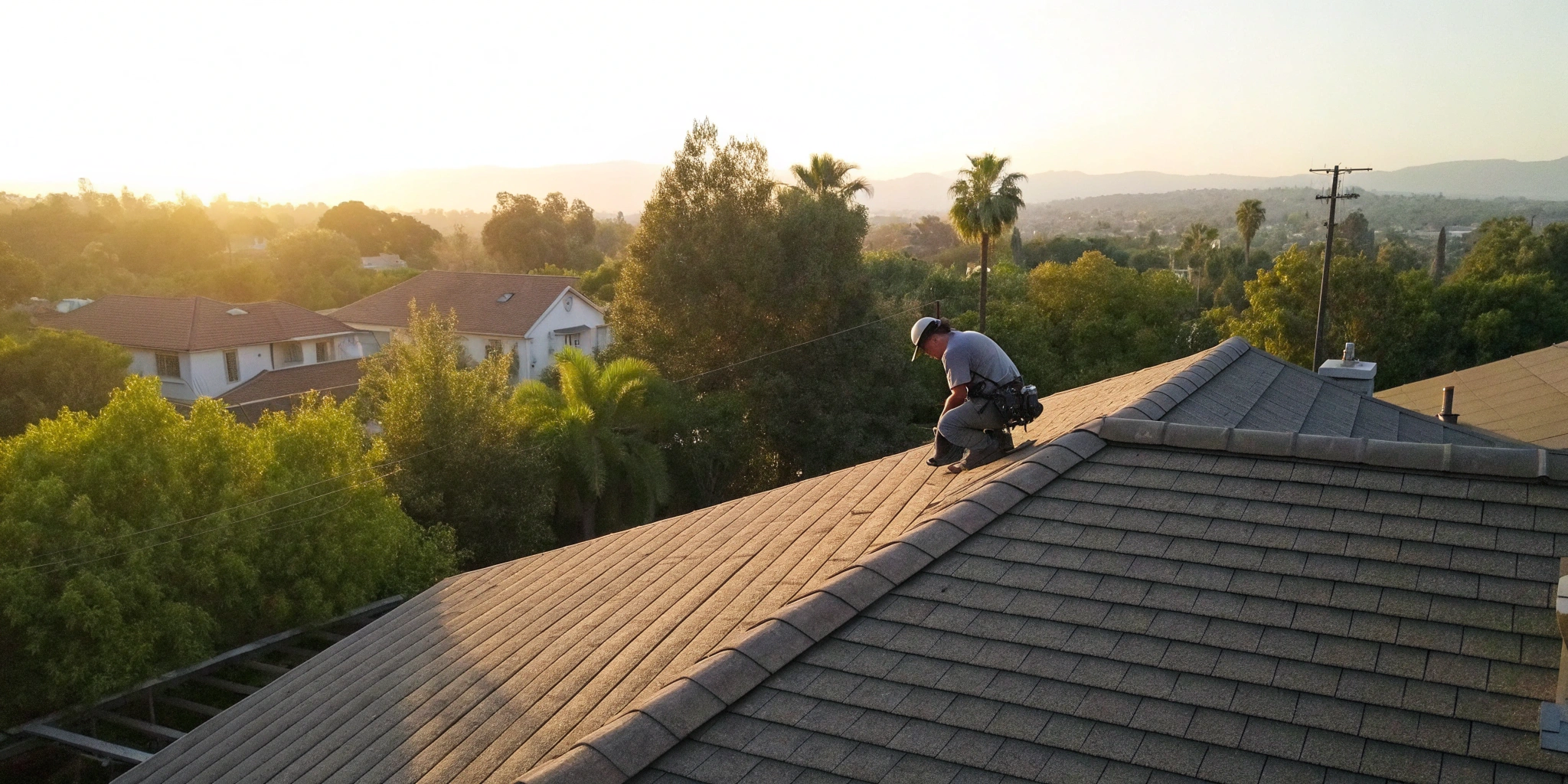
The foundation of any good maintenance plan is a professional inspection. While you might be able to spot a cracked tile from the ground, a trained expert knows exactly what to look for. During a certified roof inspection, a specialist will carefully examine every component of your roofing system, from the shingles and flashing to the seals around vents and chimneys. They identify subtle signs of stress, wear, or potential failure that an untrained eye would easily miss. This detailed assessment provides a clear picture of your roof’s health and pinpoints any areas that need attention, forming the basis for all necessary cleaning and repairs. Learn more about what a residential roof inspection covers and when to schedule one.
Debris Removal and Cleaning
Over the year, your roof and gutters collect leaves, twigs, dirt, and other debris. While it might seem harmless, this buildup can cause serious problems. Piles of damp leaves can trap moisture against your shingles, leading to rot and deterioration. Clogged gutters prevent water from draining properly, forcing it to back up and seep under the roof’s edge, potentially damaging the underlying structure and your home’s foundation. A key part of annual maintenance is thoroughly cleaning the roof surface and clearing the gutters, ensuring water can flow freely away from your home and protecting it from moisture-related damage.
Preventive Repairs and Fixes
After the inspection identifies any vulnerabilities, the next step is to address them. Preventive maintenance involves making small, proactive repairs to stop problems in their tracks. This could mean replacing a few cracked or missing shingles, securing loose flashing, or reapplying sealant around vents and skylights. These minor fixes are quick and affordable, yet they play a huge role in preventing larger issues like significant leaks or structural damage. By taking care of these small details, you can avoid the stress and expense of emergency roofing services and add years to your roof’s lifespan.
How Annual Maintenance Protects Your Wallet
Think of annual roof maintenance as a small investment that pays off big time. By being proactive, you’re not just taking care of your roof—you’re protecting your finances from unexpected and expensive problems. A little bit of care each year goes a long way in preventing budget-breaking repairs and ensuring your roof lasts as long as it should. It’s one of the smartest financial decisions you can make for your home.
Catch Small Problems Before They Become Expensive
The old saying “a stitch in time saves nine” is especially true for your roof. A single cracked tile, a small patch of missing granules, or a loose piece of flashing might not seem like a big deal, but these are the starting points for major damage. During a professional roof inspection, a trained eye can spot these minor issues and fix them on the spot. Taking care of your roof yearly stops small problems from turning into big, expensive roof repairs, helping you avoid the need for a premature roof replacement and saving you a significant amount of money down the road.
Extend Your Roof’s Lifespan
Every roof has an expected lifespan, but whether it reaches that potential depends heavily on how well it’s maintained. Just like regular oil changes keep a car running smoothly, annual maintenance keeps your roof performing its best. Clearing away debris like leaves and branches prevents moisture from getting trapped, while addressing small issues stops wear and tear from accelerating. Consistent, professional care helps your roof last for its full intended lifespan, and sometimes even longer. This means you get the most value out of your initial investment and can delay the massive cost of a full re-roofing project for years.
Avoid Costly Emergency Repairs
There’s never a good time for a roof to fail, but it often seems to happen during a major storm—and at the worst possible moment. Emergency repairs are not only stressful but also significantly more expensive than planned maintenance. Ignoring what seems like a minor issue can quickly lead to a cascade of problems, including serious water damage, compromised structural integrity, and even mold growth. Fixing a small problem early is always more affordable than paying for emergency service and repairing extensive interior damage later. Regular maintenance gives you peace of mind, knowing your roof is secure.
Keep Your Warranty and Insurance Valid
Did you know that many roofing material warranties require proof of regular maintenance? If you neglect your roof and a problem arises, the manufacturer could void your warranty, leaving you to cover the full cost of repairs. Many homeowners mistakenly believe a warranty is a substitute for professional inspections. Similarly, some insurance policies may deny a claim if they find the damage was caused by a lack of maintenance. Keeping a record of annual roof maintenance ensures you stay compliant, keeping your valuable warranties and insurance coverage intact when you need them most.
Stop These Common Roof Problems Before They Start
Your roof is your home’s first line of defense against the elements. But it’s easy to forget about it until something goes wrong. Proactive care is the secret to avoiding those middle-of-the-night panics when you spot a new water stain on the ceiling. Annual roof maintenance is like a yearly check-up for your home; it’s designed to catch and address minor issues before they spiral into major, expensive headaches.
Think of it this way: a small, cracked shingle or a bit of debris in a valley might not seem like a big deal now, but over time, they can lead to significant damage. Regular maintenance helps your roof last longer by finding and fixing these small problems and clearing away dirt and branches. A professional will spot the subtle signs of wear and tear that are invisible from the ground, ensuring every component of your roofing system is in good shape. This simple step can save you from the stress and cost of emergency repairs down the road.
Prevent Leaks and Water Damage
A roof leak is one of the most common—and frustrating—problems a homeowner can face. What starts as a small drip can quickly lead to stained ceilings, damaged insulation, and ruined belongings. Annual maintenance is your best strategy for preventing leaks. During a routine check, a professional will inspect for vulnerable areas like loose shingles, cracked flashing around chimneys and vents, and worn-out sealant. By addressing these minor weak spots right away, you can keep water out and your home dry. Catching these issues early is the key to avoiding extensive and costly water damage to your attic and the rest of your home.
Protect Your Home’s Structure
Water damage from a leaky roof doesn’t just stop at your ceiling. Once moisture gets into your attic, it can seep into the wooden beams and supports that make up your home’s framework. Over time, this can lead to wood rot, which weakens the entire structure of your roof and can compromise your home’s integrity. A thorough roof inspection is designed to find these hidden leaks before they can cause this kind of serious structural damage. By keeping your roof watertight, you’re not just protecting your living space—you’re preserving the very bones of your house for years to come.
Stop Mold and Moisture in Their Tracks
Where there’s a persistent leak, mold is often not far behind. A damp, dark attic is the perfect breeding ground for mold and mildew, which can spread quickly once they take hold. Mold doesn’t just cause an unpleasant, musty smell; it can also pose serious health risks to your family and pets, especially for those with allergies or respiratory issues. Professional inspections can find mold caused by leaks before it spreads. By identifying and fixing the source of moisture during an annual maintenance visit, you can stop mold growth before it even starts, ensuring the air inside your home stays clean and healthy.
Keep Gutters and Drains Flowing Freely
Your gutters play a critical role in protecting your home by directing rainwater away from your roof, walls, and foundation. When they get clogged with leaves, twigs, and other debris, that water has nowhere to go. It can back up and overflow, seeping under your shingles and damaging the roof deck and fascia boards. During a maintenance visit, a professional will clean out your gutters and make sure water can flow freely. This simple task is one of the most effective ways to prevent water damage, protect your landscaping, and keep your foundation secure. It’s a core part of any good roof maintenance plan.
How a Healthy Roof Improves Your Home
A well-maintained roof does more than just keep the rain out. It’s an essential part of your home’s overall health, impacting everything from your energy bills to your family’s well-being. When you invest in regular roof care, you’re not just protecting an asset; you’re creating a safer, more comfortable, and more valuable living space. From enhancing your home’s structural integrity to improving its curb appeal, the benefits of a healthy roof are felt throughout your entire property. Let’s look at how consistent maintenance contributes to a better home environment.
Enhance Your Home’s Protection
Think of your roof as your home’s first line of defense against the elements. Regular maintenance helps it stand strong by catching and fixing small problems before they escalate. Clearing away debris like dirt and branches prevents moisture from getting trapped, which can lead to rot and deterioration over time. A strong, well-cared-for roof protects your home’s structure, foundation, and everything inside from wind, rain, and sun. By scheduling annual roofing services, you ensure this critical shield remains intact, safeguarding your family and your belongings year-round. It’s the most effective way to keep your home secure from the top down.
Lower Your Energy Bills
Did you know your roof plays a big role in your home’s energy efficiency? A well-kept roof with proper ventilation and insulation helps regulate your home’s internal temperature. During hot Southern California summers, it reflects sunlight and prevents heat from seeping into your attic and living spaces. In cooler months, it keeps warm air from escaping. This means your heating and cooling systems don’t have to work as hard to maintain a comfortable temperature, which can significantly lower your energy bills. When your roof is in poor condition, with cracked shingles or failing insulation, you’re likely paying more than you need to for utilities.
Improve Your Indoor Air Quality
A hidden roof leak can do more than just stain your ceiling; it can compromise the air you breathe. Moisture that gets trapped in your attic or walls creates the perfect breeding ground for mold and mildew. These contaminants can spread through your home’s ventilation system, potentially triggering allergies and respiratory problems for your family and pets. A thorough roof inspection is designed to find these hidden leaks before mold has a chance to grow. By keeping your roof dry and secure, you help ensure the air inside your home stays clean and healthy for everyone.
Increase Your Property Value
Your roof is one of the first things people notice about your home, making it a huge factor in its curb appeal. A clean, sturdy roof signals that a property is well-cared-for, which can significantly increase its market value. If you’re thinking of selling, a new or recently maintained roof is a major selling point for potential buyers. Providing a roof certification can give them the confidence that they won’t face an expensive replacement soon after moving in. It’s an investment that not only protects your home while you live there but also pays off when it’s time to sell.
Don’t Fall for These Roof Maintenance Myths
When it comes to roofing, a few common misconceptions can lead to some seriously expensive problems. Believing these myths can cause you to put off essential care, turning a minor fix into a major headache. Let’s clear the air and debunk some of the most persistent myths about roof maintenance so you can protect your home with confidence.
“If my roof isn’t leaking, it’s fine.”
It’s easy to think that no drips mean no problems, but your roof can hide issues long before you see a water stain on your ceiling. Just because your roof isn’t actively leaking doesn’t mean it’s in perfect health. Underlying problems like cracked flashing, granule loss on shingles, or damaged underlayment can go unnoticed for months or even years. A professional roof inspection is designed to catch these subtle signs of wear and tear. Waiting for a leak is like waiting for the check engine light to come on—by then, the damage has already started.
“Annual maintenance costs too much.”
Many homeowners see maintenance as an extra expense, but it’s actually an investment that saves you money. Think of it this way: the cost of a yearly check-up is a fraction of what you’d pay for emergency repairs or a premature roof replacement. Skipping routine care often leads to bigger, more complex problems that are far more expensive to fix. By having a professional perform regular roof maintenance, you can address small issues before they escalate, extending the life of your roof and preventing budget-breaking surprises down the road.
“I can do my own roof maintenance.”
While clearing your gutters is a great DIY task, true roof maintenance is best left to the pros. It takes a trained eye to spot things like a cracked pipe boot or a few missing shingles that could lead to significant water damage, mold, or even structural issues. Professionals have the right safety equipment and the expertise to identify potential problems you might miss. Climbing on your roof is risky, and a small mistake can lead to personal injury or further damage. It’s always safer and more effective to have a certified expert handle the job.
“Only old roofs need to be checked.”
Age is just one factor in your roof’s health. Even newer roofs can have problems, from storm damage to subtle installation flaws that only become apparent over time. People often forget about maintenance until a problem appears, but regular inspections are important for roofs of all ages. An annual check-up ensures your roof remains in top condition and helps you catch potential issues early, no matter how old it is. This proactive approach is the key to keeping your roof certification valid and your home protected year after year.
How to Care for Your Roof Between Inspections
While a professional annual inspection is the best way to ensure your roof is in top condition, there are several things you can do yourself to keep it healthy year-round. Think of it as a partnership—your regular check-ins can spot small issues before they escalate, making professional visits more effective and preventing surprise repairs. Staying on top of these simple tasks helps protect your investment and gives you peace of mind, knowing your home is secure from the top down.
Your Seasonal Checklist
A little proactive care goes a long way in extending the life of your roof. Creating a simple seasonal checklist is a great way to stay organized and ensure nothing gets missed. In the spring, you’ll want to check for any damage that winter storms may have left behind. Summer is a good time to look for sun damage or cracking seals. When fall arrives, focus on clearing leaves and debris before the rainy season. And in winter, keep an eye out for ice dams or heavy debris after storms. This routine helps you stay ahead of potential problems and makes it easier to manage your home’s overall roof maintenance.
Clear Debris and Gutters
One of the most important maintenance tasks is keeping your roof and gutters free of leaves, twigs, and dirt. When gutters get clogged, water can’t flow freely away from your home. Instead, it backs up, seeping under your shingles and potentially causing rot, leaks, and structural damage. Make it a habit to clear your gutters, especially after big storms and during the fall. While you’re at it, sweep any accumulated debris off the roof’s surface. This simple step prevents moisture from getting trapped against your shingles and ensures your drainage system works exactly as it should. Catching these small issues early can save you a lot of money in the long run.
Check for Damage After Storms
Southern California weather can be unpredictable, and high winds or heavy rain can take a toll on your roof. After a major storm, it’s a good idea to do a quick visual inspection from the ground. Use binoculars to look for any missing, cracked, or curling shingles. Also, check inside your home for any new water stains on ceilings or walls, as these are telltale signs of a leak. If you notice anything that looks out of place, it’s best to schedule a professional inspection. Even minor-looking issues can point to bigger problems, so having a plan for storm damage repair is always a smart move.
Inspect Flashing and Seals
Some of the most common spots for leaks are around the objects that penetrate your roof, like chimneys, vents, and skylights. These areas are sealed with metal strips called flashing. Over time, the sealant around the flashing can crack, shrink, or wear away, creating an entry point for water. From a safe spot on the ground, look at these areas for any signs of rust on the flashing or gaps in the seals. Addressing these vulnerabilities promptly is key to preventing water damage. If you suspect an issue with your flashing or seals, it’s a job best left to a certified professional who can perform a safe and thorough roof repair.
Finding a Trusted Roofer for Annual Maintenance
Choosing a roofer for annual maintenance is about finding a long-term partner for your home’s health. You want a team that’s focused on preventing problems, not just fixing them after they happen. A great roofer will help you understand your roof’s condition and create a plan to extend its life, giving you peace of mind through every season. Taking the time to find a qualified, trustworthy professional is one of the smartest investments you can make in your property.
Check for Certifications and Licenses
Before you let anyone on your roof, make sure they are properly licensed and certified. A valid contractor’s license proves they meet state requirements for knowledge and business practices. Certifications from manufacturers or industry organizations show an even deeper commitment to quality and ongoing training. For example, a company that provides a formal roof certification after an inspection offers a higher level of assurance. This documentation is invaluable, confirming your roof meets specific standards of condition and is free of issues, which is especially helpful for real estate transactions or insurance purposes.
Look for Preventive Maintenance Experience
Not every roofer specializes in preventive care. Many focus on large-scale replacements or emergency repairs. When searching for a maintenance partner, look for a company that highlights its inspection and maintenance programs. An experienced contractor knows exactly what to look for, from subtle signs of wear on shingles to potential issues with flashing around chimneys and vents. They should offer a comprehensive roof inspection that covers every component of your roofing system. This proactive approach is what saves you from costly surprises down the road by catching small issues before they escalate.
Verify Insurance and Check Reviews
A professional roofing company will always carry two types of insurance: general liability and workers’ compensation. General liability protects your property from any damage that might occur during the work, while workers’ compensation covers their employees if they get injured on the job. Always ask for proof of insurance before work begins. After confirming the essentials, check online reviews and testimonials to get a sense of their reputation. Learning about a company’s history and commitment to its community can also build confidence in your choice. A roofer who is proud of their local roots is often more invested in providing excellent service.
Know the Best Time to Schedule
Timing is everything when it comes to roof maintenance. The best times to schedule an inspection are typically in the spring and fall. A spring check-up allows you to address any damage that may have occurred over the winter, while a fall inspection prepares your roof for the colder, wetter months ahead. Scheduling during these milder seasons also means that if any repairs are needed, the work can be done in favorable weather conditions. Reputable roofers book up quickly, so it’s a good idea to contact them and get on their schedule well in advance.
Related Articles
- Roof Maintenance – Cert-A-Roof Roof Inspections
- Roof Maintenance – Cert-A-Roof Roof Inspections
- Roof Maintenance – Cert-A-Roof Roof Inspections
- The 4 Main Types of Commercial Roofing Systems – Cert-A-Roof Roof Inspections
- Re-Roofing & Replacement – Cert-A-Roof Roof Inspections
Frequently Asked Questions
Do I really need roof maintenance every single year? Yes, think of it like a dental cleaning—it’s a preventive measure that keeps small issues from becoming painful, expensive problems. An annual check-up allows a professional to clear away debris that traps moisture, check for wear and tear from the sun and storms, and ensure all your seals are intact. Consistent yearly care is the most effective way to extend your roof’s lifespan and avoid the stress of an unexpected emergency.
What happens if you find a major problem during a maintenance visit? Finding a problem early is always the best-case scenario. If a maintenance inspection uncovers a significant issue, we’ll show you exactly what we found and explain your options clearly. The goal is to give you all the information you need to make an informed decision, not to pressure you into a big repair. Addressing it then and there is almost always more affordable than dealing with the extensive water damage that could result from leaving it unfixed.
My roof is brand new. Do I still need to schedule maintenance? Absolutely. Even new roofs can be affected by storm damage or have minor installation flaws that aren’t immediately obvious. More importantly, many roofing material warranties actually require proof of regular maintenance to remain valid. An annual inspection protects your investment from day one, ensures you stay in compliance with your warranty, and starts your roof off on the right foot for a long, healthy life.
How is a professional inspection different from me just looking at my roof from the ground? While a visual check from the ground is a great habit, a professional gets up on the roof for a hands-on assessment. A trained inspector knows how to spot subtle signs of trouble that are invisible from a distance, like cracked sealant around vents, granule loss on shingles, or loose flashing. They have the safety equipment and expertise to identify vulnerabilities you might miss, providing a much more thorough and accurate picture of your roof’s health.
How long does a typical annual maintenance appointment take? A comprehensive maintenance visit, including the inspection, debris removal, and any minor fixes, usually takes a few hours. The exact time can depend on the size, pitch, and complexity of your roof. We work efficiently to ensure your roof is thoroughly cared for with minimal disruption to your day, leaving you with the peace of mind that your home is secure.
Use our detailed roof inspection schedule to plan routine checks based on roof age, material, weather, and warning signs.
Comment (0)