
Does Insurance Cover Storm Damage Tree Removal?
The best way to deal with a fallen tree is to prevent it from happening in the first place. While you can’t stop a storm, you can take steps to make sure the trees on your property are healthy and stable. This isn’t just about keeping your yard tidy; it’s a crucial part of protecting your home and your insurance eligibility. An insurer might deny your claim if they believe a tree fell due to neglect. So, when you ask does homeowners insurance cover storm damage tree removal, the health of your tree becomes a major factor. Let’s explore how proactive maintenance can save you a massive headache.
Key Takeaways
- Coverage Hinges on Damage: Your homeowners insurance will typically cover tree removal costs only if the tree hits a covered structure, like your home or garage, or blocks access to your property. A tree falling harmlessly in your yard is usually your financial responsibility to clean up.
- Prevention is Your Best Policy: Insurance covers sudden and accidental events, not predictable ones. Regularly inspect your trees for signs of disease or decay and proactively remove any hazards to prevent damage and avoid having a claim denied due to negligence.
- Act Methodically After a Fall: Once everyone is safe, your first move should be to thoroughly document all damage with photos before calling your insurance agent. Following up with a professional roof inspection is critical to uncover hidden structural issues and ensure your claim covers the full scope of repairs.
Will Insurance Cover Tree Removal After a Storm?
After a big storm rolls through, the last thing you want to see is a tree sprawled across your property. It’s a stressful situation, and the first question that often comes to mind is, “Who’s going to pay for this?” The answer depends on where the tree landed and its condition before the storm. Homeowners insurance can be a huge help, but coverage for tree removal isn’t always straightforward. It often comes down to whether the fallen tree caused damage to a covered structure on your property. Let’s walk through the common scenarios to help you understand what your policy might cover.
When a Tree Hits Your House or Other Structures
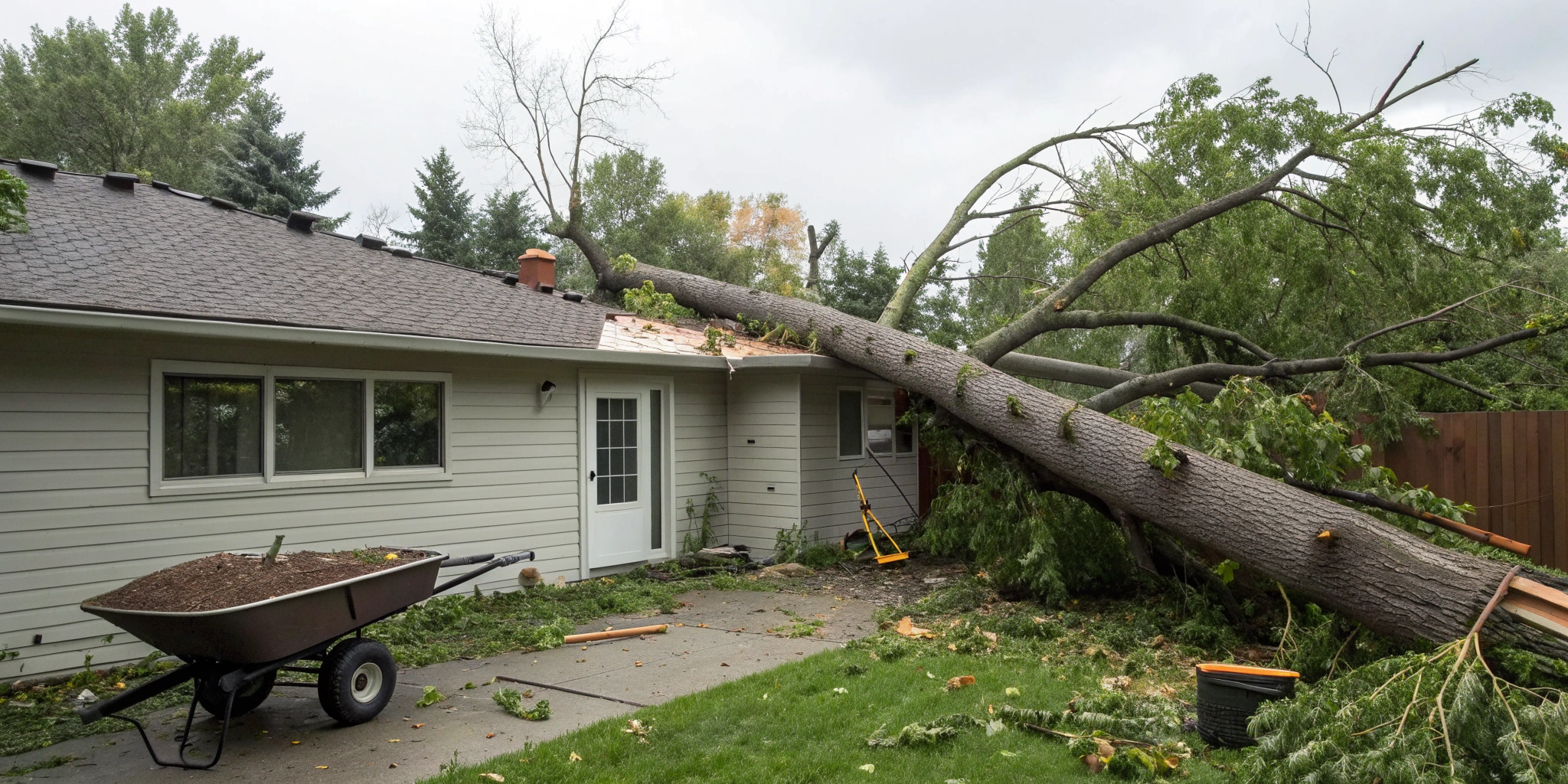
This is the most clear-cut situation. If a storm causes a tree to fall on your house, garage, or another insured structure like a shed, your homeowners insurance will typically cover the cost of removing the tree. More importantly, it should also cover the necessary repairs to the structure itself. This includes any damage to your roof, which can often bear the brunt of the impact. Getting a professional assessment for storm damage repair is a critical step in your claims process to ensure all damage is identified and fixed correctly.
When a Fallen Tree Blocks Your Driveway
What if the tree misses your house but lands right in the middle of your driveway, trapping your car? In many cases, you’re in luck. Most insurance policies will cover the removal of a tree that blocks your driveway or a ramp required for disabled access to your home. The key here is that the tree is obstructing access. If it just falls in your yard without hitting anything or blocking a path, coverage is less likely. It’s always a good idea to pull out your policy documents or call your agent to confirm the specifics of your coverage for this type of event.
Storm Damage vs. Ailing Trees: What’s Covered?
Here’s where things can get a bit tricky. Insurance is designed to cover sudden and accidental events, like a healthy tree being knocked over by high winds. However, if the tree that fell was already dead, diseased, or rotting, your insurance company might argue that its fall was due to neglect, not the storm. They could deny your claim on the grounds that the tree was a pre-existing hazard. This is why proactive roof maintenance is so important. Removing a hazardous tree before a storm is almost always cheaper than paying your deductible and dealing with the aftermath of a fallen tree.
What Are Your Policy’s Coverage Limitations?
Navigating your homeowner’s insurance policy can feel like a chore, but understanding the fine print is crucial, especially after a storm. Coverage for tree removal isn’t always straightforward and often comes with specific rules, limits, and exclusions. Knowing these details ahead of time can save you a major headache when it’s time to file a claim. Let’s break down what you need to know about your policy’s limitations so you can be prepared.
The “No Damage, No Coverage” Rule Explained
This is a big one that surprises many homeowners. Generally, if a storm damages a tree on your property but it doesn’t fall or hit a covered structure—like your house, garage, or fence—your policy won’t pay for its removal. Insurance is designed to cover damage to your property, not just the cost of cleaning up your yard. As insurance providers like Nationwide explain, the fallen tree itself isn’t the covered loss; the damage it causes is. So, if a tree lands harmlessly in your backyard, the removal costs will likely be your responsibility.
How Negligence Can Affect Your Claim
Your insurance company expects you to be a responsible homeowner. This means if you knew a tree was dead, diseased, or otherwise hazardous and you didn’t take steps to remove it, they might deny your claim if it falls and causes damage. This is considered negligence. Proving you were unaware of the tree’s condition can be tricky. That’s why regular professional roof inspections and property maintenance are so important. They not only protect your home but also show your insurer that you’re doing your part to prevent potential damage before a storm hits.
Understanding Your Coverage Limits and Deductible
Even when tree removal is covered, it’s not a blank check. Most policies have a specific limit for how much they’ll pay, which is often between $500 and $1,000 per tree. Some policies might cap the total amount per storm event. You’ll also have to pay your deductible before your insurance coverage kicks in. For example, if your deductible is $1,000 and the covered tree removal costs $1,500, your insurer would pay $500. It’s essential to review your policy to understand your specific limits and deductible amount.
Common Exclusions: Floods and Earthquakes
Standard homeowner’s insurance policies have a list of events they don’t cover, and these are called exclusions. When it comes to fallen trees, damage caused by floods and earthquakes is almost always excluded. Living in Southern California, this is a critical detail to be aware of. These types of events, often called “acts of God,” typically require separate, specialized insurance policies, like flood insurance or earthquake insurance. If a tree falls on your home during one of these events and you don’t have the specific extra coverage, you’ll be on the hook for the removal and repair costs.
What If a Tree Falls But Damages Nothing?
It’s a scenario many homeowners in Southern California dread after a big storm: a tree is down, but it landed squarely in the middle of the yard, missing the house, the garage, and the fence. While you’re relieved your property is safe, you’re now left with a massive cleanup project. The big question is, will your insurance help with the bill? The answer is usually no, but there are a few important exceptions to understand.
Why a Fallen Tree in the Yard Isn’t Always Covered
In most cases, if a fallen tree doesn’t damage a covered structure, your homeowners insurance won’t pay for its removal. Insurance policies are designed to cover repairs to your property, like your home or a detached garage. A tree lying in your yard is generally seen as a landscaping issue, not structural damage. While it’s certainly an inconvenience, the cost of removing the debris from your lawn typically falls to you, the homeowner. Think of it this way: your policy protects your house, not necessarily your garden.
Exceptions to the Rule: Blocked Access and Debris
There are a couple of key situations where your policy might kick in. The most common exception is when a fallen tree blocks access to your property. If the tree is sprawled across your driveway, preventing you from getting in or out, your insurance will likely cover the cost of removing it. The same applies if it hits any insured structure, even minorly. If branches graze your roof or damage a shed, the tree removal becomes part of the overall claim. This is why a professional inspection is so important, as even small impacts can cause hidden damage.
Debunking Common Coverage Myths
A common myth is that insurance will cover any tree that falls during a storm. However, the tree’s health matters. If a tree falls because it was dead, rotting, or otherwise poorly maintained, your insurer may deny the claim. They can argue that the fall was due to negligence, not the storm itself. According to Bankrate, your homeowners insurance might pay for removal if the tree was healthy, but not if it was clearly a pre-existing hazard. This highlights the importance of regular property maintenance to ensure your coverage is there when you need it most.
Your First Steps After a Tree Falls on Your Property
The sound of a tree crashing onto your roof is terrifying. Once the initial shock wears off, it’s easy to feel overwhelmed by the damage. But knowing what to do next can make all the difference. Taking a few clear, methodical steps will help you secure your property, manage the insurance process, and get your home back to normal as quickly as possible. Here’s your action plan.
Step 1: Prioritize Safety and Document Everything
Before you do anything else, confirm that everyone is safe and accounted for. If you see downed power lines or suspect serious structural damage, evacuate immediately and call 911. Once you know the area is secure, your next job is to become a detective. Grab your phone and start taking photos and videos of everything. Capture the tree’s position on your house, the point of impact, and any visible damage to the roof, siding, and windows. Don’t forget to document the interior damage, too—look for cracked ceilings, water stains, and debris. This visual evidence is essential for your insurance claim.
Step 2: Contact Your Insurance Agent Immediately
With safety confirmed and initial evidence gathered, your next call should be to your insurance agent. The sooner you report the incident, the faster you can begin the claims process. Have your policy number handy and be ready to provide a clear, concise description of what happened. Let them know you have photos and videos ready to share. Your agent will explain the next steps, which usually involve scheduling a visit from an adjuster. Acting quickly demonstrates that you’re on top of the situation and helps get the ball rolling on any necessary storm damage repairs.
Step 3: Get a Professional Damage Assessment
While your insurance adjuster will conduct their own evaluation, it’s wise to get an independent assessment from a certified professional. A tree’s impact can cause hidden damage that isn’t immediately obvious. A qualified inspector can identify compromised structural supports, subtle cracks, and potential weak spots that could lead to future leaks. This expert report not only ensures your home is safe but also provides a crucial piece of documentation for your insurance claim. A thorough roof inspection gives you a complete picture of the repairs needed to restore your home’s integrity.
Step 4: Keep a Detailed Paper Trail
From this point forward, document every single interaction and expense related to the incident. Create a dedicated folder or digital file to store everything. Keep a log of all calls with your insurance company, noting the date, time, and the name of the person you spoke with. Save all emails and written correspondence. If you need to make temporary repairs to prevent further damage, like putting a tarp over a hole, keep every receipt. This meticulous record-keeping will help you stay organized and ensures you have the proof needed to support your claim and get the full coverage you deserve.
How Tree Maintenance Can Prevent Future Claims
The best way to handle a storm-related tree problem is to prevent it from happening in the first place. While you can’t control the weather, you can control the health and stability of the trees on your property. Insurance companies operate on the principle of “sudden and accidental” damage. If a healthy tree is toppled by a severe storm, you’re likely covered. But if a dead, rotting tree you’ve ignored for months finally gives way, your insurer might call it negligence and deny your claim.
Proactive tree care isn’t just about keeping your yard looking nice; it’s a critical part of home maintenance that protects your biggest investment. By regularly inspecting your trees, removing hazards, and calling in professionals when needed, you can significantly reduce the risk of damage to your home and avoid a difficult claims process. Think of it as a small investment that can save you thousands in potential roof repairs and headaches down the line.
Inspect Your Trees Regularly for Health Issues
Make it a habit to walk around your property and look at your trees, especially after a big storm or at the change of seasons. You don’t need to be an expert to spot obvious signs of trouble. Look for large, dead branches (often called “widow-makers”), cracks or splits in the trunk, mushrooms growing at the base, or a sudden lean. As a homeowner, you are expected to take reasonable care of your property, and that includes monitoring the health of your trees. A simple, regular visual tree inspection can help you catch problems early before they become major liabilities.
Remove Dead or Hazardous Trees Proactively
If your inspection reveals a tree that is clearly dead, dying, or unstable, taking action is crucial. Insurance companies may not cover damage if they determine you neglected a tree that was an obvious hazard. If a tree falls because it’s old or rotten, your insurer could argue that you should have addressed the issue sooner. The cost of hiring a professional to remove a hazardous tree is almost always less than the cost of your deductible and the potential for non-covered repairs. Taking care of a problem tree before a storm hits is one of the smartest moves you can make as a homeowner.
Know When to Call a Professional Arborist
While you can spot obvious issues, some tree problems are harder to diagnose. If you suspect a tree is sick, damaged, or too close to your house, it’s time to call a certified arborist. These tree experts can assess a tree’s health from root to crown, identifying diseases or structural weaknesses you might miss. An arborist can provide a professional opinion on whether a tree needs to be pruned or removed entirely, helping you prevent costly damage later. This professional assessment not only keeps your property safe but also serves as proof that you’re a responsible homeowner if you ever need to file a claim.
Why You Need a Professional Inspection After a Tree Fall
The sound of a tree crashing down is terrifying, and the immediate aftermath can feel overwhelming. Once you’ve confirmed everyone is safe, your focus will shift to the damage. While a gaping hole in the roof is obvious, the full extent of the problem is often much harder to see. A fallen tree carries immense weight and force, and its impact can send shockwaves through your home’s entire structure. This is why a professional inspection isn’t just a good idea—it’s a critical step to ensure your home is safe and to get your insurance claim started on the right foot. A quick look from the ground simply won’t cut it. You need an expert who knows exactly what to look for, from the shingles on top to the support beams in your attic. They can identify issues that, if left unaddressed, could lead to much bigger and more expensive problems down the road, like persistent leaks, mold growth, or even structural failure. Getting a professional assessment is the only way to get a complete picture of the damage and create a solid plan for repairs.
Finding Hidden Structural Damage
The visible damage from a fallen tree—like broken shingles and splintered wood—is just the tip of the iceberg. The real danger often lurks beneath the surface. The sheer force of the impact can crack rafters, compromise the roof decking, or even shift the underlying frame of your home. These are issues you can’t spot from your yard. A professional roof inspection is designed to uncover this hidden damage. An inspector will go into your attic to check the integrity of the trusses and look for signs of stress or moisture that indicate a breach in the roof’s protective layers. Ignoring these potential structural problems doesn’t just risk further damage to your home; it puts your family’s safety on the line.
What a Thorough Roof Inspection Should Cover
A proper inspection after a tree fall goes far beyond a surface-level glance. A certified inspector will conduct a comprehensive evaluation to assess every component of your roofing system. This includes examining the shingles, flashing, gutters, and vents for any signs of impact. They will also assess the roof decking and underlayment to ensure the core structure is sound. A key part of the process involves going into the attic to check the rafters and sheathing from below, looking for cracks, leaks, or signs of water intrusion. This detailed approach ensures that all damage is documented, which is essential for both your safety and your insurance claim.
Why Certified Inspectors Make a Difference
When you’re dealing with significant property damage, you need an expert you can trust. A certified inspector brings a level of expertise and credibility that is invaluable during this stressful time. Their training allows them to accurately assess the full scope of the damage and provide a detailed, unbiased report. This documentation is exactly what your insurance company needs to process your claim efficiently and fairly. A roof certification from a reputable company provides peace of mind, confirming that your home has been thoroughly evaluated by a professional. It ensures that all necessary repairs are identified, helping you restore your home’s safety and structural integrity without cutting corners.
Get the Most from Your Insurance Claim
Dealing with a fallen tree is stressful enough without the added confusion of an insurance claim. But with a little preparation, you can make the process much smoother and ensure you get the support you’re entitled to. Think of it as a partnership: you provide clear information, and your insurance company provides the coverage you’ve been paying for. The key is to be organized, proactive, and clear in your communication from the very first call. Let’s walk through how to work with your adjuster, what to expect from the process, and why this is a perfect time to take a fresh look at your policy.
How to Work with Your Insurance Adjuster
Your insurance adjuster is the key person who will assess the damage and determine the outcome of your claim. To build a good working relationship, start by being prepared. Before they even arrive, you should understand the specific details and limits of your policy. Have all your documentation—photos, videos, and any professional assessments—ready for them to review.
When the adjuster visits your property, try to be there to walk them through the damage yourself. Point out everything you’ve noticed, from broken roof tiles to cracked drywall inside. This is your chance to make sure nothing is overlooked. Be polite, ask questions if you don’t understand something, and keep a record of your conversations. A collaborative approach often leads to a much smoother and more successful claims experience.
What to Expect from the Claims Process
Knowing the steps of the claims process can help manage your expectations and reduce anxiety. The most important first step is to contact your insurance company as soon as it’s safe to do so. The sooner you start the claim, the sooner you can get help. Before you even make the call, be sure to document everything. Take plenty of photos and videos of the damage from every angle, both outside and inside your home. This visual evidence is crucial for your adjuster.
Once you file the claim, an adjuster will be assigned to your case. They will schedule a time to inspect the property, assess the damage, and estimate the cost of repairs. After their assessment, you’ll receive a settlement offer. The entire process can take some time, so patience is key.
Is It Time to Review Your Coverage?
Going through a claim often shines a light on the fine print of your homeowner’s policy. For instance, it’s important to understand that insurance is designed for “sudden and accidental” damage. If a tree was clearly dead or rotting before it fell, your insurer might argue the damage wasn’t sudden because the risk was pre-existing. This is why proactive tree maintenance is so important.
You also need to consider your deductible. If a tree falls without hitting anything, and the cost of removal is less than your deductible, filing a claim might not make financial sense. Use this experience as an opportunity to review your coverage limits, understand your deductible, and make sure your policy still fits your needs. A quick chat with your agent can help you feel confident you’re properly protected for the future.
Related Articles
- Storm Damage – Cert-A-Roof Roof Inspections
- What Does a Roof Warranty Cover? The 2 Types – Cert-A-Roof Roof Inspections
- Roof Repair – Cert-A-Roof Roof Inspections
Frequently Asked Questions
My insurance policy says it will only pay $1,000 for tree removal, but the actual cost is much higher. Why is that? This is a common situation that catches many homeowners by surprise. Most insurance policies have a specific, separate limit for debris removal, which often falls between $500 and $1,000 per tree. This amount is intended to cover the cost of getting the tree off your house or out of your driveway, not necessarily the entire cost of chopping it up and hauling it away. It’s also important to remember that you will have to pay your policy’s deductible before any coverage begins.
A tree fell in my yard during a storm but didn’t hit anything. Am I really on my own for the cleanup? In most cases, yes. Homeowners insurance is designed to cover damage to your insured property, like your house, garage, or fence. If a tree falls without damaging a covered structure or blocking your driveway, the removal is typically considered a yard maintenance expense. While it’s a frustrating situation, insurance companies don’t view a tree in the lawn as property damage that needs to be repaired.
What if my insurance company claims the tree fell because it was already dead or sick? This is where proactive home maintenance becomes so important. Insurance covers sudden and accidental events. If an adjuster determines the tree was rotting and posed a clear hazard long before the storm, the company can argue that its fall was due to negligence, not the storm itself. This could lead to a denied claim. Keeping records of any professional tree care or having an arborist’s report on file can help show that you were responsibly maintaining your property.
Besides calling my insurance agent, what is the most critical first step after a tree hits my house? Your absolute first priority is safety. Check on everyone in the house and, if you see downed power lines or fear the structure is unstable, evacuate immediately. Once you know it’s safe, your next job is to document everything. Use your phone to take extensive photos and videos of the damage from every possible angle, both outside and inside, before anything is moved or touched. This visual proof is one of the most powerful tools you’ll have for your insurance claim.
My insurance adjuster gave me an estimate, but I’m worried they missed some hidden damage. What should I do? It’s always a smart move to get a second opinion from an independent, certified professional. An insurance adjuster’s job is to assess the claim for the company, but a certified roof inspector works for you. They can perform a more thorough evaluation, checking for structural issues in the attic or subtle damage to the roof decking that isn’t visible from the outside. This independent report gives you a complete picture of the necessary repairs and provides powerful documentation to ensure your insurance settlement is fair and complete.

Comment (0)