How Much Does a New Roof Cost? A Full Breakdown
If you’ve started researching roofing prices, you’ve probably noticed the numbers are all over the place. One source says one thing, another says something completely different. This is because asking how much does a new roof cost is a bit like asking how much a car costs—it depends entirely on the model, the features, and the size. A simple, small roof with standard asphalt shingles will have a very different price tag than a large, complex roof with premium clay tiles. We’ll guide you through all the variables, from your roof’s pitch and accessibility to the cost of materials and labor in our Southern California service areas, giving you the tools to build an accurate budget.
Key Takeaways
- Understand What Shapes Your Final Bill: Your roof’s size, complexity, and your home’s location all influence the price, but so do necessary extras like permits, old roof removal, and potential structural repairs discovered during the project.
- Balance Your Budget with Long-Term Goals: The material you choose is a major cost factor, so weigh the upfront affordability of asphalt shingles against the extended lifespan and durability of options like metal or tile to make a smart investment.
- Vet Your Contractor Thoroughly: Protect yourself by getting multiple itemized quotes, verifying that any potential contractor is fully licensed and insured, and recognizing that the lowest bid can often lead to costly compromises on quality.
How Much Does a New Roof Really Cost?
Let’s get straight to the point: figuring out the cost of a new roof is a top priority for any homeowner. It’s a significant investment in your property’s safety and value, so knowing what to expect financially is key. Nationally, the average roof replacement can run anywhere from $5,000 to $13,000, with most homeowners spending around $9,500. Of course, this is just a ballpark figure. The final number on your invoice depends on a handful of important factors, including the size of your home, the materials you select, and even your zip code.
Think of that national average as a starting point. A simple, smaller roof using standard asphalt shingles will land on the lower end of the spectrum. A large, complex roof with premium materials like slate or metal will naturally cost more. At Cert-A-Roof, we believe in transparency, which is why we help you understand every element that contributes to the cost of your roofing services. We’ll walk through each of these variables so you can feel confident in your budget and your decisions.
Breaking Down Costs by Home Size
It makes sense that one of the biggest factors in your roof replacement cost is the size of your roof. A larger surface area requires more materials and more time for installation, which directly impacts the price. To give you a more concrete idea, the average cost to replace a roof on an 1,800-square-foot house is about $9,200. However, that price can range from as low as $7,000 to over $23,000. This wide range shows just how much other choices, especially your selection of roofing materials, can influence the final bill, even for homes of the same size.
Why Your Location Matters
Where you live plays a surprisingly large role in what you’ll pay for a new roof. Costs can vary significantly from one city to the next due to differences in local labor rates, the cost of materials, and specific building codes. For example, homeowners in Southern California may face different pricing than those in other parts of the country. Our local codes often have specific requirements for fire resistance or energy efficiency, which can influence material and installation costs. Understanding the factors in our specific service areas is crucial for creating an accurate budget for your roofing project.
What Factors Influence Your Final Bill?
When you get a quote for a new roof, you’ll see it’s more than just a single number. Several key factors come together to determine the final cost of your project, and understanding them helps you see exactly what you’re paying for. It allows you to compare estimates from different contractors with confidence, ensuring you’re making a smart investment in your home. Think of it like a recipe—the final dish depends on the quality and quantity of each ingredient.
From the sheer size of your roof to the specific materials you select, every choice has an impact. The complexity of the job, the expertise of the crew, and even your home’s location play a significant role. A comprehensive estimate should be transparent, breaking down these components so there are no surprises along the way. Let’s walk through the five main elements that shape your roofing bill so you can feel fully prepared for the investment ahead.
Your Roof’s Size and Shape
It makes sense that the bigger your roof, the more it will cost. More square footage means more materials and more hours of labor are needed to complete the job. This is why a roof replacement can range from around $7,000 to over $23,000. But it’s not just about size; the complexity of your roof’s design is just as important. A simple, gently sloped roof is far more straightforward to work on than one with multiple gables, steep valleys, dormers, and chimneys. Each angle and feature requires custom cuts, careful sealing, and extra time, all of which contribute to the final cost.
The Materials You Choose
The type of material you pick for your roof is one of the biggest factors influencing the price. Your choice affects not only the upfront cost but also your home’s curb appeal and how long the roof will last. Standard asphalt shingles are a popular and budget-friendly option, while materials like clay tile, metal, or slate come with a higher price tag but offer different aesthetics and a longer lifespan. When considering your options, think about the balance between your budget, the style you want, and your long-term performance goals. Our team can walk you through the different roofing services and materials available to find the perfect fit for your home.
Labor and Contractor Expertise
When you hire a professional roofing company, you’re paying for more than just a crew to install shingles. You’re investing in their experience, safety protocols, and quality craftsmanship. Labor costs cover the skilled work required to tear off the old roof and install the new system correctly. A seasoned contractor can identify and address hidden problems, like soft spots in the decking or inadequate ventilation, that a thorough roof inspection would uncover. This expertise ensures the job is done right the first time, giving you a durable, long-lasting roof and peace of mind.
Your Location and Local Building Codes
Where you live has a direct impact on roofing costs. Material prices and labor rates can vary significantly across different regions, and Southern California has its own market rates. Beyond that, every city in Orange County has specific building codes that dictate roofing standards. These regulations might specify the types of materials you can use or the installation techniques required to meet safety and weather-resistance standards. A reputable local contractor will be an expert on these codes, ensuring your new roof is fully compliant and that all necessary permits are pulled. This is a critical step for a certified roof that passes inspection.
Your Roof’s Pitch and Accessibility
The pitch, or steepness, of your roof also affects the price. A steeply pitched roof is more challenging and dangerous to work on, requiring extra safety equipment and more time from the crew. This added complexity naturally increases labor costs. Similarly, how accessible your roof is matters. If your home is situated on a hill, surrounded by extensive landscaping, or has limited driveway space for equipment and a dumpster, it can make the project more complicated. These logistical challenges require more planning and labor, which will be reflected in the final estimate.
A Look at Roofing Materials and Their Price Tags
Choosing the right material for your roof is a huge decision. It impacts everything from the final price tag to how your home looks and how well it stands up to Southern California’s sun and occasional rain. Each option comes with its own set of pros, cons, and costs. Let’s break down some of the most common roofing services and materials to help you figure out what’s best for your home and your budget.
Asphalt Shingles
Asphalt shingles are the most common roofing material you’ll see on homes, and for good reason. They are affordable, with costs typically running from $3 to $5 per square foot, making them a great entry-level option. They also come in a wide array of colors and styles, so you can easily find a look that complements your home. With a lifespan of 15 to 30 years, they offer solid protection for a reasonable price. The main trade-off is that they don’t last as long as other materials and have a larger environmental footprint than some of the more durable alternatives.
Metal Roofing
If you’re looking for durability and a modern aesthetic, metal roofing is an excellent choice. While the upfront cost is higher, ranging from $7 to $12 per square foot, a metal roof can last 40 to 70 years. This makes it a smart long-term investment. Metal roofs are incredibly tough, standing up well against wind and fire, and they’re energy-efficient, which can help lower your cooling bills during those hot Orange County summers. The only potential downsides are the initial cost and that some people find them a bit noisy during a downpour.
Clay and Concrete Tiles
For that classic Southern California or Mediterranean look, nothing beats clay or concrete tiles. They are exceptionally durable, with a lifespan of 50 to 100 years, and offer fantastic fire resistance. The cost generally falls between $12 and $16 per square foot. Their biggest selling point is their timeless beauty and strength. However, these tiles are very heavy. Before installation, it’s crucial to have a professional roof inspection to ensure your home’s structure can support the extra weight. This can sometimes add to the overall project cost if reinforcements are needed.
Wood Shakes and Slate
For a natural, rustic charm, wood shakes are a beautiful option, typically costing $6 to $9 per square foot. They provide a unique look but require more maintenance than other materials to prevent rot and have a shorter lifespan of 20 to 30 years. On the other end of the spectrum is slate, the ultimate premium roofing material. At $15 to $30 per square foot, it’s a significant investment, but a slate roof can last for over 100 years. Like tile, slate is extremely heavy and requires a sturdy roof structure to support it, but its durability is simply unmatched.
What Other Costs Should You Plan For?
When you get a quote for a new roof, it usually covers the big-ticket items: materials and labor. But a roof replacement is a major construction project, and a few other costs can pop up along the way. Thinking about these potential expenses ahead of time helps you create a realistic budget and avoid any last-minute surprises. A transparent contractor will walk you through these possibilities, but it’s always smart to be informed. From permits to unexpected repairs, here’s a look at what else might factor into your final bill.
Permits and Inspections
Before any work begins, your project will likely need a permit from your local city or county. This isn’t just red tape; it’s a safeguard ensuring the work meets local building codes for safety and quality. The cost of the permit varies by location. Additionally, a thorough roof inspection is essential. Replacing a roof without a proper inspection can hide underlying issues like rotted decking or improper flashing. While your contractor typically handles the permit process, the fee will be part of your overall project cost. It’s a small price to pay for the peace of mind that your new roof is installed correctly and up to code.
Removing Your Old Roof
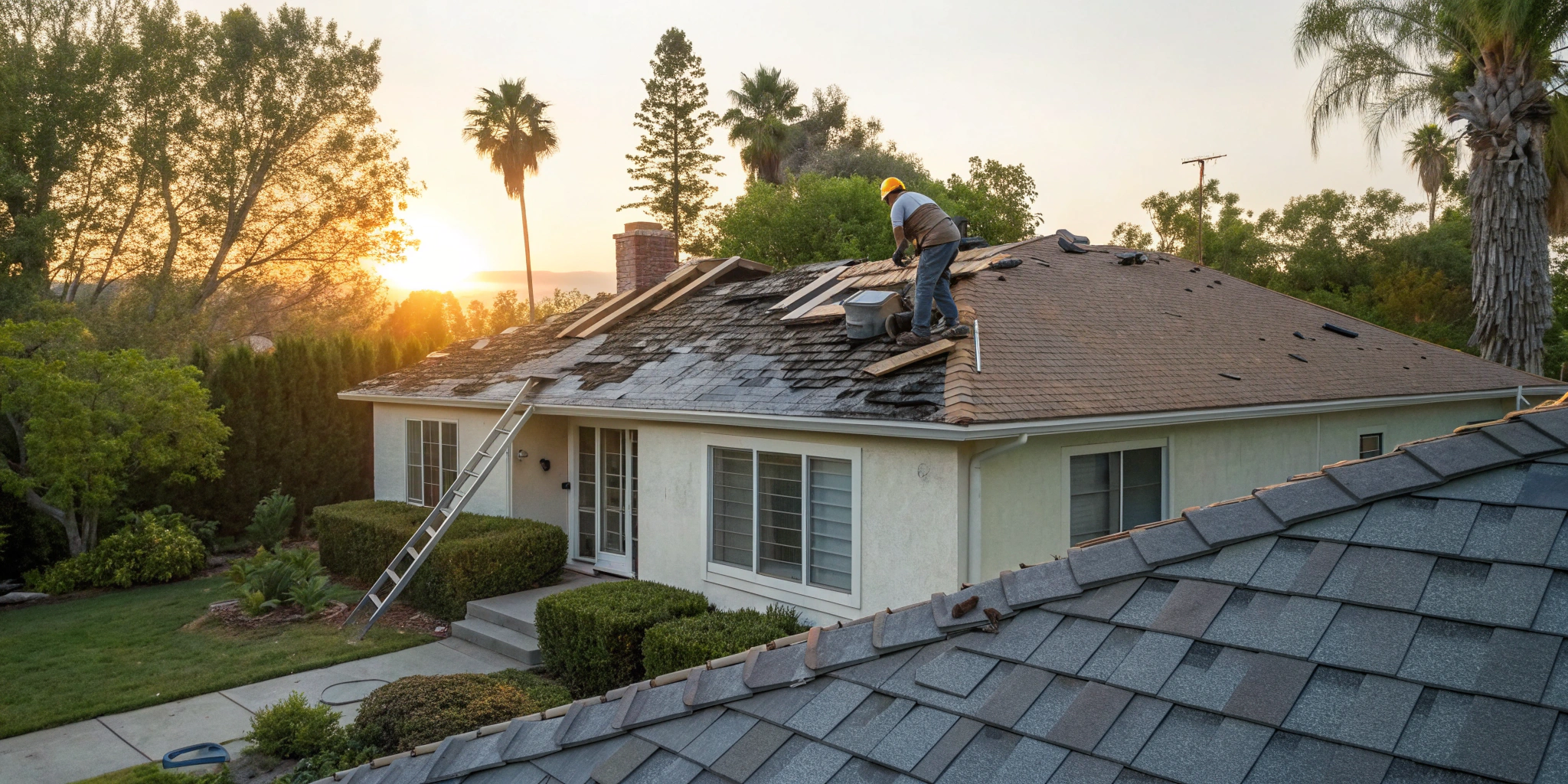
Your new roof needs a clean slate to sit on. This means the old one has to go. The process of tearing off the existing shingles or tiles and disposing of them is a significant job that adds to the total cost. It’s not uncommon for roofers to quote a price for the new roof installation without factoring in the charges for taking off the old one. This cost covers the labor for the tear-off and the fees for hauling away and properly disposing of the debris. Always confirm with your contractor that the tear-off and disposal are included as a specific line item in your estimate.
Potential Structural Repairs
Sometimes, what lies beneath the old roof is a mystery until it’s removed. Your roofer can walk along the roof to check for soft spots that may indicate water damage, but they can’t see the sheathing (the wood layer beneath the shingles) until the old materials are gone. If the crew discovers rotted wood, water damage, or other structural issues, these will need to be repaired before the new roof can be installed. These repairs are crucial for the integrity and longevity of your new roof. While it’s an unexpected expense, addressing these problems right away will save you from much bigger, more expensive issues down the road.
Upgrading Ventilation and Gutters
A new roof is the perfect time to assess two of its most important supporting systems: ventilation and gutters. Proper attic ventilation is critical for regulating temperature and moisture, preventing ice dams in the winter and reducing your energy bills in the summer. Many homeowners overlook the necessity of proper roofing ventilation, which can lead to moisture buildup and damage. Similarly, if your gutters are old or damaged, they won’t effectively direct water away from your home’s foundation. Upgrading these systems along with your roof is a smart investment that protects your entire home and helps your new roof last as long as possible.
How to Get an Accurate Roofing Estimate
Getting a new roof is a major home improvement project, and the price tag can feel intimidating. But you don’t have to go in blind. Securing a detailed estimate is the most important step in planning your budget and choosing the right team. It’s your chance to ask questions, compare options, and ensure there are no costly surprises down the road. A trustworthy estimate from a professional roofing service gives you a clear roadmap for your project, turning a complex process into a manageable one. Think of it as the foundation for a successful, stress-free installation.
Why You Should Get Multiple Quotes
It’s tempting to go with the first contractor you talk to, but it’s always smart to get at least three different quotes. This isn’t just about finding the cheapest price—it’s about understanding the fair market rate for the work you need. Comparing estimates helps you see how different companies approach the project, what materials they recommend, and what their timelines look like. A quote that’s significantly lower than others can be a red flag for subpar materials or inexperienced labor. Use this process to gauge each contractor’s professionalism and find a team you feel comfortable with.
How to Read a Contractor’s Estimate
A good estimate is more than just a number; it should be a detailed breakdown of all costs. Review it carefully and ask questions about anything that seems unclear. A professional estimate will itemize everything, including the type of materials, labor charges, and permit costs. It should also specify charges for removing and disposing of your old roof, as this is sometimes left out to make a bid seem lower. A transparent, line-by-line quote is a sign you’re working with a contractor who values clear communication and is backed by a thorough roof inspection.
Checking for a License and Insurance
Before you sign any contract, verify that your contractor is licensed and fully insured. A valid license proves they meet state and local standards for roofing work. More importantly, proper insurance—including both general liability and worker’s compensation—protects you from financial responsibility if an accident happens on your property. Hiring an uninsured contractor might seem cheaper, but it puts you at enormous risk. Working with an established, certified professional not only ensures quality work but also gives you essential peace of mind throughout the project.
Should You Repair or Replace Your Roof?
It’s the question every homeowner faces sooner or later, often after spotting a tell-tale water stain on the ceiling or finding a few stray shingles in the yard. Do you opt for a quick repair, or is it time to commit to a full roof replacement? This decision can feel overwhelming because it’s a big one, impacting not just your finances but the safety and integrity of your entire home. While patching up a small issue is tempting for its immediate cost savings, it’s essential to look at the bigger picture. A quick fix might solve the problem for now, but it could be a temporary bandage on a more serious issue that will only get worse over time.
Making the right call means weighing the short-term costs against the long-term health of your home. The age of your roof, the climate in Southern California, and the extent of the damage all play a role. A thoughtful decision now can save you from much larger headaches and expenses down the road. Think of it less as an expense and more as an investment in protecting your property and everything inside it.
Repair vs. Replace: Making the Call
Deciding between a repair and a replacement really comes down to the overall condition of your roof. If your roof is still relatively young and the damage is contained to one specific area—like a few shingles that were lifted by strong winds—a professional repair is often the most sensible and cost-effective choice. However, if your roof is nearing the end of its typical lifespan (usually 20-25 years for asphalt shingles), a full replacement is almost always the smarter long-term investment. Pouring money into constant repairs on an aging roof can become a frustrating cycle. Widespread issues like curling or cracked shingles across multiple sections, significant granule loss in your gutters, or persistent leaks are clear signs that your roof’s protective ability is failing. The best first step is always a professional roof inspection to get a clear picture of the damage, including hidden problems you can’t see from the ground.
Comparing the Costs
Of course, your budget is a major factor in this decision. There’s no denying that a targeted repair is significantly cheaper upfront than a full replacement. A minor fix might only set you back a few hundred dollars, whereas a new roof is a major home improvement project. But it’s crucial to think about long-term value. Paying for one repair this year and another next year can quickly add up, sometimes costing you more in the long run than a replacement would have from the start. A new roof is a significant investment, but it offers complete peace of mind, increases your property value, and comes with a brand-new warranty. To make a truly informed choice, it’s wise to get detailed quotes for both options from a trusted contractor who offers a full range of roofing services and can walk you through the pros and cons of each path.
How to Avoid Costly Roofing Mistakes
A new roof is one of the most important investments you’ll make in your home. It protects your property, your family, and your peace of mind. But it’s also a project where small missteps can lead to big expenses. The key to a successful roofing project is careful planning and asking the right questions from the start. By understanding the common pitfalls, you can ensure your investment is a sound one that lasts for decades.
Making informed decisions about your budget, your contractor, and your materials will save you from headaches and unexpected bills. It’s not just about finding the lowest price; it’s about securing the best value and highest quality of work for your home. A well-executed roofing project adds to your home’s value and curb appeal, while a poorly done job can lead to leaks, structural damage, and the need for a premature replacement. Let’s walk through how you can get it right the first time with our professional roofing services.
Avoiding Common Budgeting Errors
One of the biggest mistakes homeowners make is not budgeting for unexpected costs. It’s easy to focus on the number in the initial quote, but what happens when your contractor removes the old shingles and finds rotted decking underneath? It’s essential to set aside a contingency fund—typically 10% to 15% of the total project cost—to cover any unforeseen issues that may arise. This financial cushion prevents a surprise expense from derailing your project or forcing you to make compromises on quality. Think of it as insurance for your investment.
Why the Lowest Bid Isn’t Always Best
It’s tempting to jump on the lowest quote, but a cheap price can be a major red flag. Low bids frequently mean a contractor is cutting corners on ventilation, flashing, or the tear-off process, all of which can shorten your roof’s lifespan and void your warranty. Instead of focusing solely on the price, evaluate the quality of the materials and the contractor’s workmanship. A reputable company like Cert-A-Roof will provide a detailed estimate that explains exactly what you’re paying for, ensuring you get a durable, high-quality roof that truly protects your home.
How to Plan for the Unexpected
Beyond your budget, it’s important to plan for potential issues that can affect your new roof cost. Sometimes, a contractor might leave certain charges out of an estimate to make it seem like a better deal. Always ask for a detailed, itemized estimate that includes all potential costs, from materials and labor to permits and cleanup. A thorough roof inspection before the project begins can uncover hidden problems like water damage or poor ventilation, allowing you to address them in the initial plan instead of as a costly surprise mid-project.
Exploring Your Financing Options
A full roof replacement is a significant financial commitment, and you don’t have to pay for it all at once. Understanding the components of your estimate helps you compare quotes accurately, but it also helps you figure out the best way to pay. Many homeowners explore various financing options to make the cost more manageable. Look into home equity loans, personal loans, or payment plans that your roofing contractor might offer. Finding a payment solution that works for your budget allows you to move forward with the project without delay. You can contact us to discuss what options might be available.
Frequently Asked Questions
Why can’t I get a simple, flat-rate price for a new roof? Think of a roof replacement like a custom project for your home, because that’s exactly what it is. Every roof has a unique size, pitch, and level of complexity with features like chimneys, skylights, or multiple valleys. These factors directly influence the amount of materials and time needed for the job. A detailed estimate ensures you’re getting a fair price based on your specific home, rather than a generic quote that might not cover what you actually need.
What happens if you find rotted wood or other damage after my old roof is torn off? This is a common concern, and it’s something a professional crew is always prepared for. If we uncover any structural issues like water damage or soft spots in the decking, we stop work immediately. We’ll show you exactly what we found, explain the necessary repairs, and provide a clear, written change order for your approval before we proceed. This is precisely why we recommend having a small contingency fund set aside.
Why is one contractor’s estimate so much lower than the others? A significantly lower bid can be a major red flag. It often means that corners are being cut somewhere. The contractor might be using lower-quality materials, skipping crucial steps like proper flashing installation, or they may not carry the right license and insurance to protect you. A quality estimate should be transparent and account for every part of the job, from permits to cleanup, ensuring the price reflects a safe and durable final product.
How do I know if a simple repair is enough, or if I need a full replacement? The decision usually comes down to the age of your roof and the extent of the problem. If your roof is relatively new and has one small, isolated leak or a few missing shingles from a storm, a repair is often the perfect solution. However, if your roof is over 20 years old and you’re seeing widespread issues like curling shingles, extensive granule loss, or multiple leaks, a replacement is the smarter long-term investment to protect your home.
Besides the shingles, what other parts of the roofing system should I consider upgrading? A new roof is the perfect opportunity to assess the entire system that keeps your home protected. Proper attic ventilation is one of the most important and often overlooked components; it helps regulate temperature and moisture, which extends the life of your new roof. It’s also a great time to inspect your gutters to ensure they are effectively channeling water away from your home’s foundation.

Comment (0)