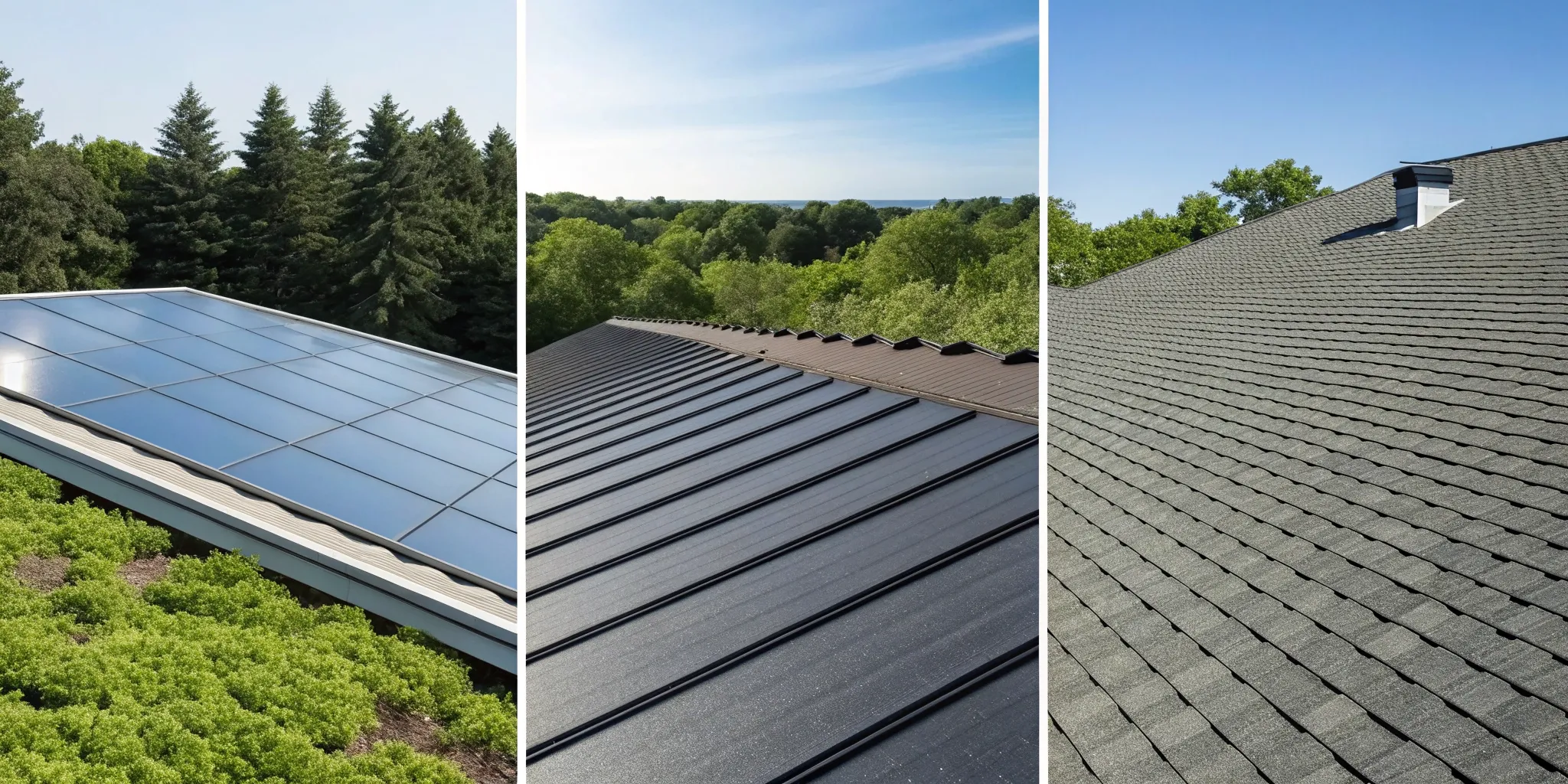
The 4 Main Types of Commercial Roofing Systems
TPO, PVC, BUR, Mod-Bit—the world of commercial roofing is filled with acronyms and technical terms that can make anyone’s head spin. If you’re feeling overwhelmed by the options, you’re not alone. The good news is you don’t need to be a roofing expert to make a great decision for your building. You just need a clear, straightforward resource to help you understand the basics. That’s exactly what this guide provides. We’ll cut through the jargon to explain the main types of commercial roofing systems in simple terms, outlining how they work, what they cost, and which buildings they’re best for, giving you the confidence you need.
Key Takeaways
- Choose a Roof Based on Function, Not Just Price: Your building’s specific needs—like our SoCal climate, the amount of foot traffic, and your energy efficiency goals—should guide your material choice. A reflective TPO roof can lower cooling costs, while a multi-layer BUR system offers superior durability.
- Your Contractor Is as Important as Your Materials: Even the best roofing system will fail with a poor installation. Vet your options by checking for proper licensing, certifications, and strong warranties on both materials and workmanship to ensure your investment is protected.
- Treat Maintenance as a Strategy, Not a Chore: Regular inspections and proactive upkeep are the best ways to maximize your roof’s lifespan and prevent costly emergencies. Catching small issues like clogged drains or minor punctures early saves you money and protects your property in the long run.
What Exactly Is a Commercial Roof?
When you picture a roof, you probably think of the sloped, shingled roof on a house. But for businesses, warehouses, and large apartment complexes, the roofing game is completely different. A commercial roof is a system designed specifically to protect large-scale buildings. Unlike their residential counterparts, these roofs are typically flat or have a very low slope. This isn’t just a style choice; it’s a practical one. The flat surface provides a stable platform for heavy equipment like industrial HVAC units, vents, and solar panel arrays, which you just can’t place on a steep residential roof.
The main purpose of any roof is to keep the inside of a building dry and protected, and commercial roofs are engineered to do this over massive surface areas. They need to handle everything from intense Southern California sun to heavy rains without failing. Because they cover such large, valuable spaces—think inventory, equipment, and employees—the materials and installation methods are focused on long-term durability and performance. A well-maintained commercial roofing system is a critical asset for any business, ensuring operations run smoothly without interruptions from leaks or structural damage.
The Key Parts of a Commercial Roofing System
A commercial roof is more than just what you see on top; it’s a complex system with several layers working together. At the base is the roof deck, which is the structural foundation, usually made of steel, concrete, or wood. On top of that sits insulation, which is key for controlling the building’s temperature and improving energy efficiency. The most critical layer is the waterproofing membrane, the part that actually repels water and protects everything below it. Finally, you have the drainage systems, like scuppers and drains, which are essential for preventing water from pooling on the flat surface. Each component plays a vital role in the roof’s overall performance and longevity.
How Commercial Roofs Are Different from Residential Ones
The most obvious difference between commercial and residential roofs is their shape. Most homes have pitched roofs that shed water easily, while commercial buildings typically have flat or low-slope designs. This fundamental difference in design dictates the materials used. Instead of shingles or tiles, commercial roofs rely on materials like TPO membranes, modified bitumen, or metal panels that can create a seamless, watertight seal over a large, flat area. Beyond materials, commercial roofs are built to a higher standard of durability. They need to support the weight of heavy equipment and withstand regular foot traffic from maintenance crews, something a typical residential roof isn’t designed to handle. This requires specialized roofing services and expertise.
An Introduction to Single-Ply Membrane Roofing
If your building has a flat or low-slope roof, single-ply membrane roofing is one of the most effective systems out there. Think of it as a custom-fit, protective blanket for your property. It’s made of large, flexible sheets of synthetic material that are rolled out across the roof deck. The seams are then fused together with heat, adhesive, or mechanical fasteners to create a continuous, waterproof layer. This modern approach offers excellent durability and flexibility, making it a go-to choice for many commercial properties in Southern California. The three main players in this category are TPO, PVC, and EPDM, and each brings something different to the table.
TPO (Thermoplastic Olefin)
TPO is currently the most popular material for commercial roofs, and for good reason, especially here in Orange County. It’s a highly reflective and energy-efficient material, typically bright white, that bounces sunlight away from your building. This reflectivity can significantly reduce your cooling costs during our long, hot summers. TPO is a fantastic choice for a wide range of buildings, from retail centers to warehouses, offering a great balance of performance and value. Its widespread use, accounting for about 40% of new commercial roofs, speaks to its reliability and effectiveness as one of today’s leading commercial roofing solutions.
PVC (Polyvinyl Chloride)
PVC roofing is the heavy-hitter when it comes to durability and chemical resistance. If your facility is a restaurant, manufacturing plant, or any business that deals with grease or other harsh substances, PVC is an excellent option. It’s specifically engineered to withstand exposure that could damage other roofing materials. Like TPO, it’s also highly reflective, helping to keep your building cool and your energy bills down. While it can be a bigger initial investment than TPO, its superior resistance and longevity make it a worthwhile choice for specialized environments. Proper installation and regular roof inspections will ensure it performs for decades.
EPDM (Ethylene Propylene Diene Monomer)
Often called “rubber roofing,” EPDM is a synthetic rubber membrane known for its incredible durability and weather resistance. This material has a proven track record and can easily last more than 20 years with the right care. EPDM is typically black, which means it absorbs heat. While this makes it a popular choice in colder climates where that extra warmth can be a benefit, it’s generally less ideal for our sunny SoCal weather compared to reflective TPO or PVC. However, its flexibility and resistance to hail make it a strong, long-lasting contender for certain applications where a professional installation is key to maximizing its lifespan.
Understanding Modified Bitumen Roofing
If you’re looking for a roofing system that combines traditional techniques with modern technology, Modified Bitumen (Mod-Bit) is a fantastic option to consider. Think of it as the next generation of the classic built-up roof, but with added flexibility and strength. It’s made by combining asphalt (bitumen) with rubber or plastic polymers, which creates a tough, waterproof membrane. This material is especially popular for buildings with flat or low-slope roofs, which need a reliable solution to prevent water from pooling and causing damage.
The real strength of a Mod-Bit system comes from its layered construction. It’s not just one sheet of material; it’s a multi-ply system designed for superior performance. This approach creates a durable, redundant barrier against the elements, giving you peace of mind that your property is well-protected. For property owners who need a dependable and proven solution, Mod-Bit offers a great balance of performance and value, making it a go-to for many commercial roofing projects.
The Benefits of a Multi-Layer System
The multi-layer design is what truly sets Modified Bitumen roofing apart. Typically installed in two or more layers, this system creates a robust, cohesive membrane that’s incredibly tough. Each layer is reinforced with fabrics like polyester or fiberglass, which gives the roof exceptional resistance to punctures, tears, and foot traffic. This is a huge advantage for buildings where maintenance crews frequently need to access rooftop HVAC units or other equipment. The overlapping layers are fused together, creating a seamless, watertight surface that effectively shields your building from leaks and water damage.
How It’s Installed and How Long It Lasts
There are a few different ways to install a Modified Bitumen roof, and the best method often depends on the specific building and materials. Professionals might use a torch to heat-weld the seams, apply it with cold adhesives, or use self-adhering sheets for a flame-free installation. With proper installation and routine roof maintenance, you can expect a Mod-Bit roof to last anywhere from 10 to 20 years. Its durability and proven track record make it a solid investment for property owners looking for a long-term, reliable roofing solution.
A Look at Built-Up Roofing (BUR)
If you’re looking for a roofing system with a long track record of success, Built-Up Roofing (BUR) is a name you’ll hear often. It’s one of the oldest and most trusted methods for protecting low-slope or flat-roofed commercial buildings. For over 100 years, property owners have relied on BUR for its sheer toughness and reliability. The name “built-up” perfectly describes how it’s made: by creating a thick, durable membrane directly on the roof deck, one layer at a time.
This multi-ply system is known for its exceptional strength and water resistance. It’s constructed with alternating layers of bitumen (like asphalt or tar) and reinforcing fabrics, then finished with a top layer of aggregate like gravel or a reflective coating. While the core concept is traditional, the materials have evolved to meet modern standards, making it a consistently solid choice for buildings that need a heavy-duty, long-lasting roof. If your roof needs to support heavy equipment or withstand frequent foot traffic, a BUR system is definitely worth considering. It’s a classic for a reason and remains a staple of quality commercial roofing.
The Traditional, Time-Tested Approach
The magic of a BUR system is in its layers. A professional roofing team installs it by mopping on hot tar and then rolling out reinforcing fabrics, like fiberglass rolls, directly into the bitumen. This process is repeated several times, creating a thick, seamless, and waterproof membrane. Typically, a BUR system has four or five layers, but one of its key advantages is customization. You can work with your contractor to adjust the number of layers to fit your budget or to create an even more robust roof for specific performance needs. This time-tested method results in a solid, monolithic roof covering that has proven its worth for decades.
Why It’s Known for Heavy-Duty Performance
The multi-layer construction of a BUR system is what gives it its reputation for being incredibly durable. With a lifespan that can easily reach 20 to 30 years, it’s a fantastic long-term investment. This roofing type is exceptionally resistant to punctures and can handle heavy foot traffic without damage, making it ideal for roofs that house HVAC units or require regular maintenance access. The multiple layers also provide superior protection against building stress and extreme weather. The top layer of gravel or a specialized coating acts as a final shield, protecting the underlying membrane from UV rays and fire, which is a huge plus in sunny Southern California. This time-tested approach is a hallmark of many commercial flat roofing systems.
The Guide to Metal Commercial Roofing
If you’re looking for a roofing system that combines modern aesthetics with incredible strength, metal is an excellent choice. It’s become a popular option for commercial properties because it offers a sleek, professional look while delivering top-tier performance. While the initial investment can be higher than some other materials, a metal roof is a long-term asset that adds significant value and protection to your building. When properly installed, it provides a durable shield against the elements, giving you peace of mind for decades. The two main styles you’ll encounter are standing seam and corrugated, each with its own distinct advantages.
Your Options: Standing Seam and Corrugated
When you picture a metal roof, you’re likely thinking of one of these two types. Standing seam is the premium option, featuring raised, interlocking seams that hide the fasteners. This creates a smooth, clean appearance and makes the roof incredibly watertight. Corrugated metal, sometimes called screw-down, has a more traditional look with visible fasteners that go through the face of the panel. It’s a classic, reliable choice that’s often more budget-friendly. Deciding between them usually comes down to your budget and the aesthetic you want for your building. Both are great choices for our commercial roofing services.
Built to Last: Longevity and Weather Resistance
The number one reason property owners choose metal is its durability. A professionally installed metal roof can easily last 30 to 50 years or more, outliving many other roofing systems. It’s built to withstand just about anything, from high winds and heavy rain to impacts from debris. Metal is also fire-resistant and won’t be damaged by the sun’s harsh UV rays, which is a huge plus in Southern California. This resilience means you’ll spend less time and money on repairs over the life of the roof. You can see examples of these durable systems in our photo gallery.
Weighing the Pros and Cons of Each Roofing Type
Choosing a new roof is a big decision, and each material comes with its own set of benefits and drawbacks. To make the best choice for your building, it helps to compare them side-by-side. Let’s break down the good, the bad, and what you can expect from the most common commercial roofing systems so you can feel confident in your investment.
Single-Ply Membrane: The Good and the Bad
Single-ply roofing like TPO, PVC, and EPDM is a go-to for flat or low-slope roofs. One of its biggest advantages, especially here in Southern California, is that it’s often white. This reflective surface bounces heat away from your building, which can make a real difference in your energy bills. It’s also lightweight and resistant to fire and high winds.
On the flip side, it’s not always the most attractive option, and it can be punctured if sharp tools are dropped or screws are stepped on during maintenance. However, the good news is that repairs are usually straightforward. If you need a practical, energy-efficient solution, this is a fantastic choice for many commercial properties.
Modified Bitumen and BUR: What to Expect
Think of Modified Bitumen and Built-Up Roofing (BUR) as the heavy-duty options. Both systems use multiple layers to create an incredibly durable and watertight surface. This makes them an excellent choice for roofs that see a lot of foot traffic from HVAC technicians or other maintenance crews. A BUR system, the classic “tar and gravel” roof, is built up with layers of asphalt and reinforcing fabrics, creating a thick, resilient barrier.
The main trade-off for this toughness is cost. The multi-layer application requires more labor and materials, making both the initial installation and future roof repairs a bit more complex and expensive. But if maximum durability is your top priority, the investment can definitely pay off.
Metal Roofing: Strengths and Weaknesses
Metal roofing offers a sleek, modern look and incredible longevity. A standing seam metal roof is a premium choice that can last for more than 50 years with minimal upkeep. It stands up exceptionally well to harsh weather and can add significant value to your property. The main drawback is the higher upfront cost and the need for specialized installation.
A more budget-friendly alternative is a screw-down metal roof. It provides a similar aesthetic but requires more regular roof maintenance. The screws that fasten the panels can loosen over time as the metal expands and contracts with temperature changes, so they need to be checked and tightened every few years to prevent leaks.
Comparing Commercial Roofing Costs
When you’re looking at a new commercial roof, the price is a huge factor. But the sticker price is only one part of the equation. A smart investment means looking at both the upfront cost and the long-term value you’ll get from your new roof. Let’s break down what you can expect to pay initially and how to think about costs over the life of your roof.
Breaking Down the Upfront Investment
Your initial investment will largely depend on the material you choose. Here’s a quick look at some popular options:
- TPO Roofing: This is a common and affordable choice that lasts 20-30 years. It’s a great fit for retail stores and warehouses.
- PVC Roofing: A step up in price, PVC also lasts 20-30 years but offers excellent resistance to chemicals and grease, making it ideal for restaurants or hospitals.
- Modified Bitumen: This mid-range option has multiple layers for extra strength, lasting 15-25 years. It’s often used on schools and older buildings.
- Metal Roofing: While it has the highest upfront cost, metal lasts 40 years or more, offering incredible durability for office buildings and new developments.
Your final cost for any commercial roofing project will depend on the material, building size, and installation complexity.
Thinking Long-Term: Value and Energy Savings
A lower upfront cost doesn’t always mean you’re saving money. The true value of a roof emerges over time. For instance, materials like TPO and PVC are often white or light-colored, which reflects sunlight and can significantly lower your cooling costs—a huge plus in Southern California. This is what’s known as a “cool roof.” Durability also plays a major role; a stronger roof means fewer repairs. To protect your investment and extend its lifespan, a professional roof inspection and regular maintenance are key. Choosing durable, energy-efficient materials is a forward-thinking strategy that pays off for years.
How to Choose the Right Commercial Roof for Your Building
Picking the right roof for your commercial building is a big decision that goes beyond just the initial price tag. You’re choosing a critical component that will protect your property, inventory, and people for decades. To make the best choice, you need to weigh a few key factors, from our Southern California weather to your building’s specific needs and your long-term energy goals. Let’s walk through what you should consider.
Consider Your Local Climate
Here in Southern California, our roofs face a unique set of challenges—namely, relentless sun and intense heat. The right roofing material needs to stand up to constant UV exposure without cracking or degrading. You’ll want to look for materials that reflect sunlight rather than absorb it, which can help keep your building cooler. This is especially important for flat or low-slope roofs. Some materials, like certain types of asphalt, don’t perform well with extreme temperature swings. A roof that can handle the heat while also providing reliable waterproofing for our occasional rainy seasons is essential for any Orange, CA, commercial property.
Assess Your Building’s Structure
Before you fall in love with a specific roofing material, you have to consider your building’s structure. The slope of your roof is the first thing to look at, as it will immediately narrow down your options. Most commercial buildings have flat or low-slope roofs, which are perfect for systems like TPO, PVC, or Modified Bitumen. You also need to think about weight. Some systems, like built-up roofing (BUR) with gravel, are incredibly heavy and require a structure that can support the load. An experienced roofing professional can assess your building’s framework and recommend commercial roofing services that are both safe and suitable.
Define Your Energy Efficiency Goals
Your roof plays a huge role in your building’s energy consumption and, consequently, your utility bills. A “cool roof” with a reflective surface can significantly lower the temperature inside your building, reducing the strain on your HVAC system during our hot summers. When looking at materials, you’ll see an “R-value,” which measures thermal resistance—the higher the R-value, the better the insulation. Materials like TPO and PVC are often white or light-colored to maximize reflectivity. Investing in an energy-efficient roof isn’t just good for the environment; it’s a smart financial move that provides a return through lower energy costs over the life of the roof.
Look for a Solid Warranty and Expert Installation
Even the highest-quality roofing material will fail if it’s not installed correctly. Proper installation is absolutely critical, especially for ensuring good drainage on flat roofs to prevent pooling water and leaks. This is not a DIY project. Always work with a licensed and certified professional. Beyond the installation itself, look closely at the warranties. You should receive two: one from the material manufacturer that covers defects and one from your contractor that covers workmanship. A strong warranty is a sign that both the manufacturer and the installer stand behind their work, giving you peace of mind that your investment is protected by a certified process.
Maintaining Your Commercial Roof: What to Know
Once your commercial roof is installed, the work isn’t over. Consistent maintenance is the single best way to protect your investment and avoid surprise costs down the road. Many property owners think of their roof only when a leak appears, but a proactive approach saves money, prevents operational disruptions, and can significantly extend the life of your roofing system. Think of it like changing the oil in your car—it’s a simple, routine task that prevents major engine failure.
Regular upkeep helps you catch small issues before they become expensive disasters. Things like clogged drains, minor punctures, or degrading sealants are easy fixes when addressed early. Neglecting them can lead to widespread water damage, compromised structural integrity, and eventually, the need for a premature replacement. A well-maintained roof is also an efficient one, contributing to better insulation and lower energy bills. Our team provides expert commercial roofing services that include creating a maintenance plan tailored to your specific building and roof type, ensuring you get the maximum value and performance from your system for years to come.
Your Maintenance Checklist by Roof Type
While every commercial roof benefits from regular attention, the specifics can vary based on the material. A good starting point for any property owner is a biannual visual check, ideally in the spring and fall. Walk the roof—if it’s safe to do so—and look for obvious signs of trouble. Clear away leaves, branches, and any other debris that could clog drains or hide damage. Pay close attention to drainage systems like scuppers and gutters to ensure water can flow freely off the roof. After a rainstorm, check for any areas of ponding water that remain for more than 48 hours, as this indicates a drainage problem that needs to be addressed.
How to Prevent Common Roofing Problems
The best way to handle roofing problems is to stop them from happening in the first place. Beyond your own visual checks, scheduling a professional roof inspection at least once a year is crucial. A trained expert can spot subtle signs of wear and tear that are invisible to the untrained eye, identifying potential vulnerabilities in seams, flashing, and around rooftop equipment. It’s also important to remember that not all roofing companies offer the same level of expertise. Always work with a certified and insured professional for any repairs or installations. Attempting a DIY fix on a complex system like a TPO or EPDM roof can void your warranty and often leads to bigger, more expensive issues.
Telltale Signs You Need a Roof Replacement
Even with perfect maintenance, every roof has a finite lifespan. Knowing when to repair versus replace is key to managing your property effectively. Obvious signs like persistent leaks or visible water stains on your interior ceilings are clear red flags. On the roof itself, look for widespread blistering, deep cracks (often called “alligatoring”), or large sections of ponding water. If you notice your energy bills have been steadily climbing, it could mean your roof’s insulation is failing. If your roof is approaching the end of its warranty period and showing multiple signs of wear, it’s time to start planning for a replacement. When you’re unsure, the best course of action is to get a professional assessment to understand your options.
How to Find the Right Commercial Roofing Professional
Once you have an idea of the best roofing system for your building, the next step is finding the right team to install it. The quality of the installation is just as critical as the quality of the materials, so choosing a skilled and reliable professional is essential for the long-term health of your roof. But with so many options out there, how do you know who to trust? It comes down to doing your homework and asking the right questions. A little due diligence upfront can save you from major headaches and costly repairs down the road.
Your goal is to find a partner who not only has the technical skills but also communicates clearly and stands behind their work. This means looking beyond the initial quote and digging into a company’s reputation, credentials, and track record. Taking the time to properly vet your options ensures your investment is protected and your commercial property is in good hands for years to come. Think of it like hiring a key employee—you want someone with a proven history of success, great references, and the right qualifications for the job. A great roofer will be transparent about their process, materials, and pricing, making you feel confident in your decision.
Why Certifications and Licensing Matter
It’s a common misconception that every commercial roofing company provides the same level of service, but that couldn’t be further from the truth. The best way to separate the pros from the pack is by looking at their credentials. Choosing a company that is licensed and insured is non-negotiable, as it protects you from liability if any accidents happen on your property. Beyond that, certifications show a contractor’s dedication to quality and staying current with industry standards. A certified inspection, for example, ensures a thorough and accurate assessment of your roof’s condition, giving you peace of mind. These credentials are a clear sign of a company’s professionalism and commitment to their craft.
Key Questions to Ask Your Roofing Contractor
Before you sign any contracts, it’s important to have a conversation with potential roofers to gauge their experience and approach. A reliable contractor should be happy to answer your questions and provide clear, detailed information. Start by asking about their experience with the specific type of commercial roofing system you’re considering. You should also inquire about the materials they recommend and the warranty policies they offer for both materials and labor. Don’t hesitate to ask for references and a portfolio of their previous projects. Any trustworthy contractor will be proud to share examples of their work and connect you with satisfied clients.
Related Articles
- The Complete Guide to Commercial Flat Roofing Systems & Materials
- Top 5 Misconceptions About Commercial Roofing You Shouldn’t Believe
- Common Misconceptions About Commercial Flat Roof Maintenance
- Commercial Roofing Services
- Roof Inspection
Frequently Asked Questions
How do I know which roofing material is right for my specific building? The best choice really depends on how you use your building and what your priorities are. For example, if you run a restaurant, a PVC roof is a great option because it stands up to grease and chemicals. If your roof has a lot of foot traffic for HVAC maintenance, a durable multi-layer system like Modified Bitumen or BUR is a solid choice. The key is to think about your building’s daily operations, your budget, and your long-term goals, then match those needs to a material’s strengths.
My building is in Southern California. Does that really change what kind of roof I need? Absolutely. The constant sun and heat we get here are major factors. You’ll want to prioritize materials that are highly reflective, often called “cool roofs.” Materials like white TPO or PVC bounce sunlight away from your building, which can significantly lower your cooling costs during our hot summers. A roof that can withstand intense UV exposure without breaking down is essential for getting the most out of your investment in this climate.
My roof isn’t leaking. Do I still need to worry about maintenance? Yes, and thinking this way will save you a lot of money and stress in the long run. Proactive maintenance is about catching small issues before they become big, expensive problems. Things like a small puncture, a clogged drain, or a degrading sealant are simple fixes when caught early. Waiting until you see a water stain on your ceiling means the damage has already been done. Regular inspections are the best way to protect your property and extend the life of your roof.
Is a more expensive roof, like metal, actually worth the investment? It certainly can be, but it depends on your long-term plans for the property. While metal roofing has a higher upfront cost, it can last for 50 years or more with very little upkeep. This means you’ll spend less on repairs and won’t have to think about a replacement for decades. If you plan on holding onto the property for a long time, the durability and longevity of a premium system can offer a better return on your investment than a less expensive option that needs to be replaced sooner.
What’s more important: the roofing material or the company that installs it? They are both incredibly important, but a poor installation will cause even the best materials to fail. You can choose the most advanced, durable roofing system on the market, but if it’s not installed correctly, you’ll face leaks and premature aging. A certified, experienced professional ensures that every detail, from the seams to the drainage, is handled correctly. Always prioritize finding a qualified installer who stands behind their work with a solid warranty.
Comment (0)