Roof Inspection for Homeowners Insurance: What to Expect
Getting a letter from your insurance company can make your stomach drop, especially when it mentions a mandatory inspection. It’s easy to see it as just another hassle, but there’s a solid reason behind it. Your roof is your home’s most critical protector, and for an insurer, a faulty roof is a massive financial risk. They need to know if they’re insuring a solid structure or a disaster waiting to happen. This is why a professional roof inspection for homeowners insurance is not just a suggestion—it’s a requirement to assess their liability. This guide will walk you through why they ask for it, what inspectors look for, and how it directly impacts your policy and premiums.
Key Takeaways
- Your roof’s health directly impacts your insurance terms: Insurers require inspections to gauge risk. A roof in poor condition can lead to higher premiums, limited coverage, or even policy cancellation, while a well-maintained one helps secure favorable terms.
- Proactive maintenance is the best preparation: Simple actions like cleaning gutters, trimming trees, and keeping records of past repairs show your insurer you’re a responsible homeowner and are the best way to ensure a passing grade on your inspection.
- A failed inspection is a to-do list, not a dead end: If your roof doesn’t pass, your insurer will provide a list of required repairs and a deadline. Acting quickly to hire a certified contractor is the most important step to protect your policy.
Why Do Insurance Companies Require Roof Inspections?
If you’ve ever wondered why your insurance provider is so interested in the state of your roof, you’re not alone. It might feel like just another hoop to jump through, but for insurance companies, it’s a fundamental part of their business. Your roof is your home’s primary shield against the elements, and a failing roof can lead to catastrophic damage—and massive claims.
Insurers require inspections to get a clear, professional assessment of the risk they’re taking on by covering your property. They need to know if your roof is a sturdy protector or a liability waiting to happen. A thorough inspection reveals the roof’s current condition, its remaining lifespan, and any existing issues that could lead to future problems. This information helps them make informed decisions about your policy, from your premium rates to your eligibility for coverage in the first place.
To Assess Risk and Liability
Think of it from the insurance company’s perspective: their business model is built on managing risk. Before they agree to cover your home, they need to understand the likelihood of you filing a claim. A professional roof inspection provides a detailed snapshot of your roof’s health, helping them gauge its ability to withstand wind, rain, and other environmental stressors. This evaluation allows them to avoid taking on properties with pre-existing damage that could lead to expensive, preventable claims down the road. It’s a proactive step to ensure the roof over your head is sound, protecting both you and their bottom line.
To Evaluate Your Roof’s Age and Condition
The age and condition of your roof are two of the biggest factors that determine your insurance coverage. Insurers know that older roofs are more susceptible to failure. That’s why they often request an inspection if your roof is approaching 20 years of age or shows visible signs of wear. They want to avoid paying for damage that could have been prevented with regular maintenance. The results of the inspection directly influence your policy. A well-maintained roof can secure you better rates, while a roof in poor shape might lead to higher premiums or even a notice of non-renewal. A formal roof certification can be a great way to document its condition and prove its insurability.
What Do Inspectors Look For During a Roof Inspection?
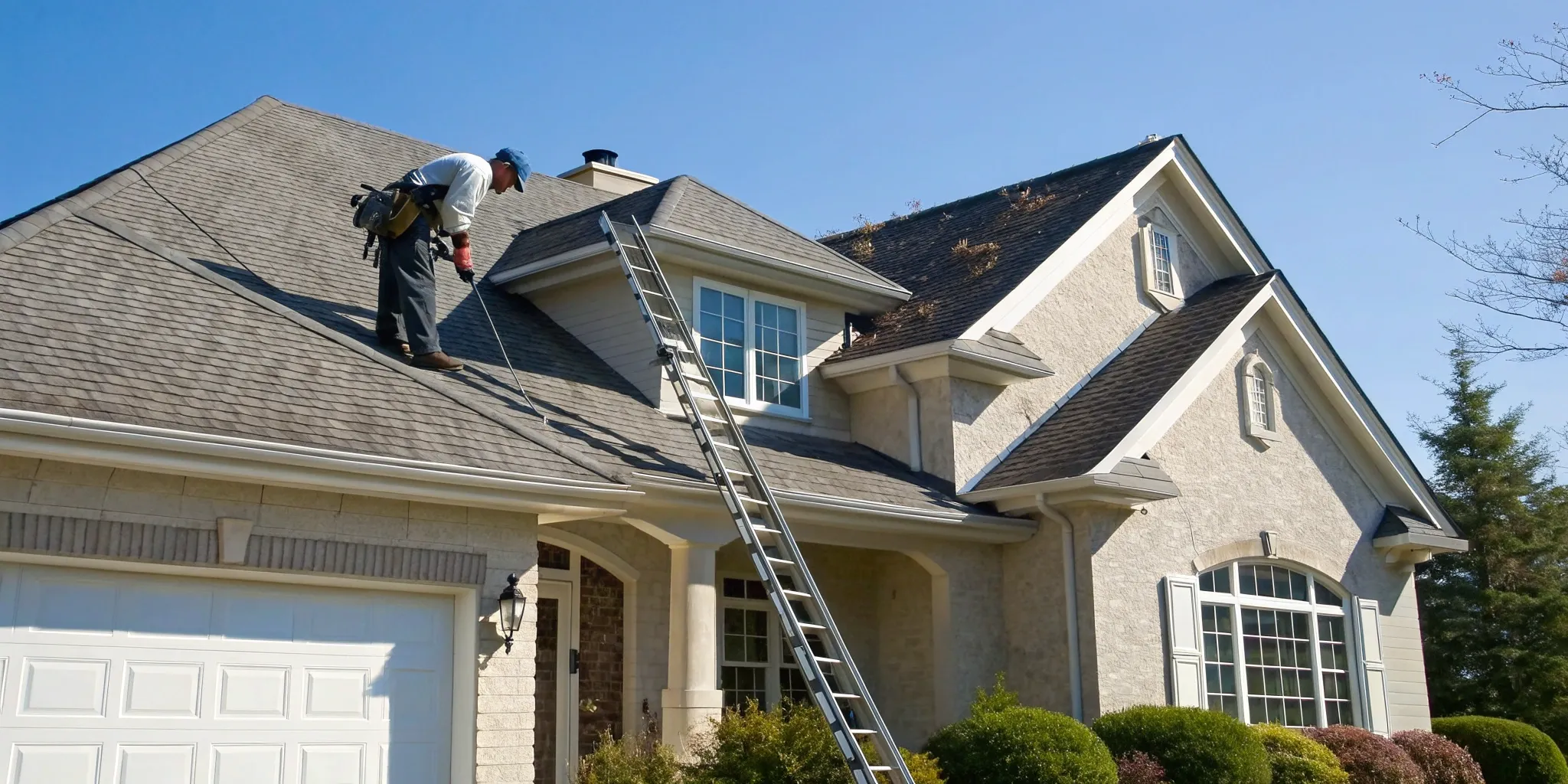
A professional roof inspection is much more than a quick glance from the ground. A certified inspector follows a detailed process to evaluate every aspect of your roofing system, from the materials you can see to the underlying structure that holds it all together. They’re essentially looking for any red flags that could compromise your roof’s ability to protect your home. Think of it as a comprehensive health check-up for the most important part of your house. Here’s a breakdown of what’s on their checklist.
Structural Integrity and Materials
First, the inspector will assess the overall structural integrity of your roof. This involves checking the decking, the support structure in the attic, and the state of the roofing material itself. They’ll carefully examine critical components like flashing around chimneys, vents, and skylights to ensure they have a watertight seal. An inspector will also look at the caulking and seams for any signs of separation or decay. A thorough roof inspection ensures every layer is sound and functioning as it should, providing a solid foundation of protection for your home.
Drainage and Ventilation Systems
A roof that can’t breathe or drain properly is a recipe for disaster. That’s why inspectors pay close attention to your roof’s drainage and ventilation systems. They’ll check your gutters and downspouts for blockages or damage that could cause water to back up and seep under your shingles. Inside, they’ll often look at your attic to ensure it has adequate ventilation. Proper airflow is crucial for preventing moisture and heat buildup, which can lead to mold and rot. A well-functioning system helps maintain the health of your entire home, not just the roof.
Signs of Damage and Wear
Next, the inspector looks for specific signs of damage and wear and tear. For shingle roofs, this means searching for any that are curling, cracked, or missing granules, which can indicate they’re nearing the end of their lifespan. They’ll also scan for moss or algae growth, which can trap moisture and degrade roofing materials over time. The inspector will be on the lookout for any evidence of leaks, rust on metal components, or mold. Catching these issues early is key to preventing small problems from becoming major repairs and helps ensure your roof can get a clean bill of health or a Roof Certification.
How Does Your Roof’s Condition Affect Your Insurance?
Your roof is your home’s first line of defense, and your insurance company knows it. From their perspective, a roof that’s old, damaged, or poorly maintained is a major liability—one that could lead to expensive water damage, structural issues, and other claims. This is why the condition of your roof has a direct and significant impact on your homeowners insurance policy. An insurer will use a professional roof inspection to gauge this risk, and the findings can influence everything from your monthly premiums to whether you can get coverage at all.
Think of it this way: your insurance provider is essentially placing a bet on your home. A strong, well-maintained roof is a safe bet, suggesting you’re a responsible homeowner and that the risk of a major claim is low. On the other hand, a roof with curled shingles, poor drainage, or signs of aging is a red flag. It signals a higher probability of future problems, making your home a riskier investment for the insurer. Understanding this relationship is key to keeping your home protected and your insurance costs manageable.
Impact on Your Premiums
The connection between your roof’s condition and your insurance premiums is simple: the higher the risk, the higher the cost. When an inspector finds issues like old materials, minor leaks, or poor ventilation, your insurer sees a greater chance of having to pay out a claim in the near future. To offset that risk, they will likely increase your premium. What the inspector finds can directly affect your insurance coverage and how much you pay. A roof in bad shape might mean higher costs or even make it difficult to get insured in the first place. Conversely, a new or well-maintained roof can help you secure a lower premium, as it demonstrates proactive care and reduces the likelihood of weather-related damage.
Potential Coverage Limits and Renewal Risks
Beyond higher premiums, a roof in poor condition can lead to more serious consequences for your policy. If an inspection reveals significant problems, your insurer might refuse to renew your policy or even cancel it outright. In other cases, they may offer a policy with limitations. For example, they might change your coverage from “replacement cost value” to “actual cash value,” which means they would only pay for the depreciated value of your old roof in the event of a claim. Some insurers might even add an exclusion for roof-related damage, leaving you completely unprotected if a storm hits. This makes a roof certification a valuable document, as it provides official proof of your roof’s good condition.
Reasons an Insurer Might Deny or Cancel Coverage
Insurance companies want to avoid paying for damage that could have been prevented with proper upkeep. If they believe a roof has been neglected, they may see it as an unacceptable risk and deny or cancel coverage. Common triggers for this include a roof that is over 20 years old, visible signs of poor maintenance like moss growth or debris, or a history of previous claims. Insurers are particularly cautious when you’re buying an older home or switching providers, as they have no history with the property. Ultimately, they want to ensure they aren’t taking on a pre-existing problem. Regular roof maintenance is the best way to stay ahead of these issues and keep your policy secure.
What Happens If Your Roof Fails Inspection?
Finding out your roof failed its inspection can feel like a gut punch, but don’t panic. It’s a solvable problem. A failed inspection simply means a professional has identified issues that could put your home at risk, and by extension, create a liability for your insurance provider. The implications for your homeowners insurance can be significant. Depending on the severity of the issues, your insurer might cancel your policy, refuse to renew it, or offer limited coverage that excludes your roof from protection. This can put you in a tough spot, as finding a new insurance company is much harder when your roof doesn’t meet their standards. The key is to act quickly and address the problems head-on with a trusted roofing professional.
Handling Required Repairs and Deadlines
After a failed inspection, your insurance company won’t just leave you hanging—they’ll typically give you a specific timeframe to complete the necessary repairs. It’s crucial to take this deadline seriously. Missing it could lead to your policy being canceled, leaving your home uninsured. Think of it this way: your insurer requires these inspections to confirm your property is well-maintained, which helps keep your premiums manageable. By promptly handling the repairs with a certified contractor, you’re not just fixing your roof; you’re showing your insurer that you’re a responsible homeowner, which is essential for keeping your policy active and in good standing. You can learn more about what to expect from roof inspections for insurance.
What to Do If Your Coverage is Denied
If your insurance claim is denied because of a failed inspection, it’s important to take proactive steps. First, gather all your documentation, including any records of past maintenance or repairs you’ve done. This shows you’ve made an effort to care for your roof. Next, get a second opinion. A different certified inspector from a company like Cert-A-Roof can provide a fresh assessment and confirm the extent of the damage. If you still feel the denial was unfair, you might consider consulting with a lawyer to understand your legal options. A failed inspection can have serious consequences, so it’s important to know what to do if you find yourself in this situation.
How to Prepare for Your Roof Inspection
An insurance inspection can feel a bit daunting, but a little preparation goes a long way in making the process smooth and successful. Think of it as getting your home ready for a guest—you want to make a good impression. By taking a few simple steps beforehand, you can help the inspector do their job efficiently and present your roof in the best possible light. This preparation involves tidying up access points, gathering your paperwork, and understanding what the inspector is really there to do. Let’s walk through exactly how you can get ready for the big day.
Complete Pre-Inspection Maintenance and Paperwork
Before the inspector arrives, take care of any minor maintenance you’ve been putting off. This includes cleaning out gutters, removing debris like leaves and branches, and trimming back any overhanging trees. Having a record of consistent upkeep can also work in your favor. If you have receipts or documents from past repairs or a regular roof maintenance program, gather them in one place. This paperwork demonstrates that you’re a proactive homeowner, which can be a positive signal to your insurance provider. It shows you’ve been diligent about protecting your investment, which is exactly what they want to see.
Clear Access to Your Roof and Attic
For a thorough evaluation, the inspector needs unobstructed access to key areas. Make sure there’s a clear path around your home’s perimeter so they can view the entire roofline, gutters, and downspouts from the ground. If you have an attic, ensure the entrance isn’t blocked by boxes or storage items. The inspector will need to get inside to check for signs of leaks, proper ventilation, and structural integrity. A professional roof inspection is a comprehensive process, and making it easy for the inspector to see everything helps ensure you get an accurate and fair assessment of your roof’s condition.
Avoid Common Misconceptions
It’s important to remember that an insurance inspection isn’t the same as a general home inspection you’d get when buying a house. The insurance inspector’s goal is specific: to assess risk for the provider. They are focused solely on the roof’s condition and its likelihood of failing and causing a claim. Many homeowners are surprised to learn that their policy allows for these periodic checks. It’s a standard practice to manage liability. Understanding this distinction helps set the right expectations and clarifies why the inspector is focused on certain details while ignoring others. It’s all about determining insurability, not the overall market value of your home.
How Often Should You Get a Roof Inspection for Insurance?
Knowing how often to schedule a roof inspection can feel like a guessing game, but it’s a key part of keeping your insurance policy active and your home protected. Your insurance provider sees regular inspections as a sign of responsible homeownership, which can make the claims process much smoother if you ever need it. The right frequency depends on a few factors, including your roof’s age, your local climate, and your specific insurance policy requirements. Sticking to a consistent schedule helps you stay ahead of potential problems and ensures you’re always compliant with your insurer’s terms.
General Frequency Guidelines
As a rule of thumb, it’s a good idea to have a professional roof inspection at least once a year. Think of it as an annual check-up for your home’s most important line of defense. This yearly review allows a certified inspector to catch minor issues like loose shingles or small leaks before they turn into major, expensive repairs. A proactive approach not only extends the life of your roof but also provides your insurance company with up-to-date documentation on its condition. This simple step demonstrates that you’re properly maintaining your property, which is exactly what insurers want to see.
When to Inspect Based on Age and Weather
Beyond your annual check-in, certain situations call for an immediate inspection. After any major weather event—like a severe hailstorm, heavy downpour, or strong Santa Ana winds—you should have your roof checked for damage, even if nothing looks wrong from the ground. Hidden issues can lead to serious problems later. Your roof’s age is another critical factor. Most insurance companies become more attentive once a roof hits the 20-year mark and may require an inspection to renew your policy. They might also request one if you’re buying an older home or if they suspect a lack of regular roof maintenance.
What to Do After Your Roof Inspection
Once the inspector leaves, you’ll receive a report that details the condition of your roof. This document is your guide to making smart, informed decisions about repairs and maintenance. It can feel a little overwhelming at first, but breaking it down into clear steps makes the process much more manageable. Think of it as a health check-up for your roof—now it’s time to review the results and create a treatment plan.
How to Read Your Inspection Report
Your inspection report is the key to understanding your roof’s current state. It will typically include detailed descriptions of any issues found, from minor wear and tear to more significant problems. You’ll also find photographs that pinpoint the exact location of any damage, which is incredibly helpful for visualizing what’s going on up there. A thorough roof inspection provides a clear, unbiased assessment. Take your time to read through everything carefully. If the inspector also provided an estimate for repairs, you can use that as a baseline for what to expect moving forward.
Hire a Certified Contractor for Repairs
With your report in hand, your next move is to find a qualified professional to handle any necessary repairs. It’s important to choose a certified contractor who has deep knowledge of roofing systems, materials, and local building codes. This is especially true if the inspection is tied to an insurance claim or a real estate transaction, where proper documentation and quality work are non-negotiable. When you’re ready to address the items on your report, finding a team that offers comprehensive roofing services ensures the job is done right the first time.
Maintain Your Roof to Stay Compliant
After the repairs are complete, the work isn’t quite over. Consistent maintenance is essential for protecting your home and staying in compliance with your homeowners insurance policy. Most insurers expect you to keep your property in good condition, and neglecting your roof can lead to denied claims or even policy cancellation down the road. A proactive approach is always best. Scheduling inspections every few years helps you catch small issues before they become major headaches. For added peace of mind, a roof certification can also serve as proof to your insurer that your roof is in solid shape.
Related Articles
- What to Know About Roof Inspections for Insurance
- How a Roof Inspection Can Affect Your Homeowners Insurance
- Roof Certification: What It Is and Why You Might Need One
- Roof Maintenance: Why It Matters for Your Insurance
- Roof Inspection: What to Expect and How to Prepare
Frequently Asked Questions
Will my insurance premium automatically go up after an inspection? Not at all. An inspection that shows your roof is in excellent condition can actually reinforce your current rate by proving your home is a low risk. A premium increase is typically only a concern if the inspection uncovers significant problems, like old materials or damage, that make a future claim more likely. A clean report simply confirms to your insurer that you’re maintaining your property well.
What’s the difference between a roof inspection and a roof certification? Think of a roof inspection as a detailed health report. It’s a thorough examination that identifies the current condition of your roof and points out any areas that need attention. A roof certification, on the other hand, is the official document you get after an inspection confirms your roof is in good shape and has a certain amount of functional life left. The certification is the proof you provide to an insurance company or a potential homebuyer.
What if I disagree with the inspector’s findings? If the inspection report doesn’t seem right to you, your best first step is to get a second opinion from another trusted, certified inspector. A different professional can provide a fresh perspective and either confirm the initial findings or give you a new report. You can then present this second report to your insurance provider to discuss the discrepancies and make your case.
Do I have to get an inspection every single year to keep my insurance? While an annual inspection is a smart maintenance habit, it isn’t always a strict requirement from your insurer. The exact terms depend on your specific policy. Insurance companies are most likely to mandate an inspection when your roof reaches a certain age, typically around 20 years, or after a major weather event in your area. They may also require one when you first purchase a policy for an older home.
Can I do the repairs myself if my roof fails the inspection? It’s best to leave repairs to a professional. Insurance companies need to see that any required fixes were completed by a licensed and certified contractor who meets industry standards. DIY repairs, even if they seem adequate, usually lack the official documentation your insurer needs to verify the work was done correctly. Using a professional ensures you have the right paperwork to prove compliance and keep your policy secure.
Comment (0)