5 Most Common Roofing Problems & Simple Fixes
Here in Southern California, our roofs face a unique set of challenges. The relentless sun beats down year-round, causing shingles to become brittle and crack. Strong Santa Ana winds can lift shingles and tear them away, while the occasional heavy downpour tests every seal and seam. This constant exposure means our roofs require special attention. Being a homeowner in Orange County means being prepared for what our specific climate can do to your property. By learning to identify the key vulnerabilities, you can ensure your home is ready for anything. Let’s explore the 5 most common roofing problems that every Southern California resident should watch out for.
Key Takeaways
- Adopt a simple maintenance schedule: The most effective way to prevent major damage is through consistent care. Regularly cleaning your gutters and scheduling an annual professional inspection will extend your roof’s lifespan and save you money.
- Know the warning signs inside and out: You can catch problems early by looking for exterior issues like cracked shingles and interior clues like ceiling stains. Identifying these red flags allows for smaller, more manageable repairs.
- Address repairs without delay: Waiting to fix a small leak or a few missing shingles can lead to serious structural damage and mold. Acting quickly is the smartest way to protect your home and avoid a much larger expense down the road.
What Are the 5 Most Common Roofing Problems?
Your roof is your home’s first line of defense, but it takes a beating from the sun, wind, and rain. Over time, even the best roofs can develop issues. Spotting these problems early can save you a lot of stress and money down the road. Most roofing troubles boil down to a few common culprits that, if left unchecked, can lead to significant damage. From tiny leaks to ventilation issues, understanding what to look for is the first step in keeping your home safe and dry. Let’s walk through the five most common problems you might encounter and what they mean for your home.
1. Leaks and Water Damage
A leaky roof is more than just an annoyance; it’s a serious threat to your home’s integrity. Leaks often start small, but they can lead to major issues like mold, rotted framing, and damaged ceilings. Water can pool on your roof due to poor drainage, eventually finding its way inside. Once moisture gets in, it can compromise your home’s structure and create an unhealthy environment. The moment you see a water stain on your ceiling or wall, it’s a clear sign that you need a professional roof inspection. Catching a leak early is the key to preventing a small drip from turning into a costly disaster.
2. Damaged or Missing Shingles
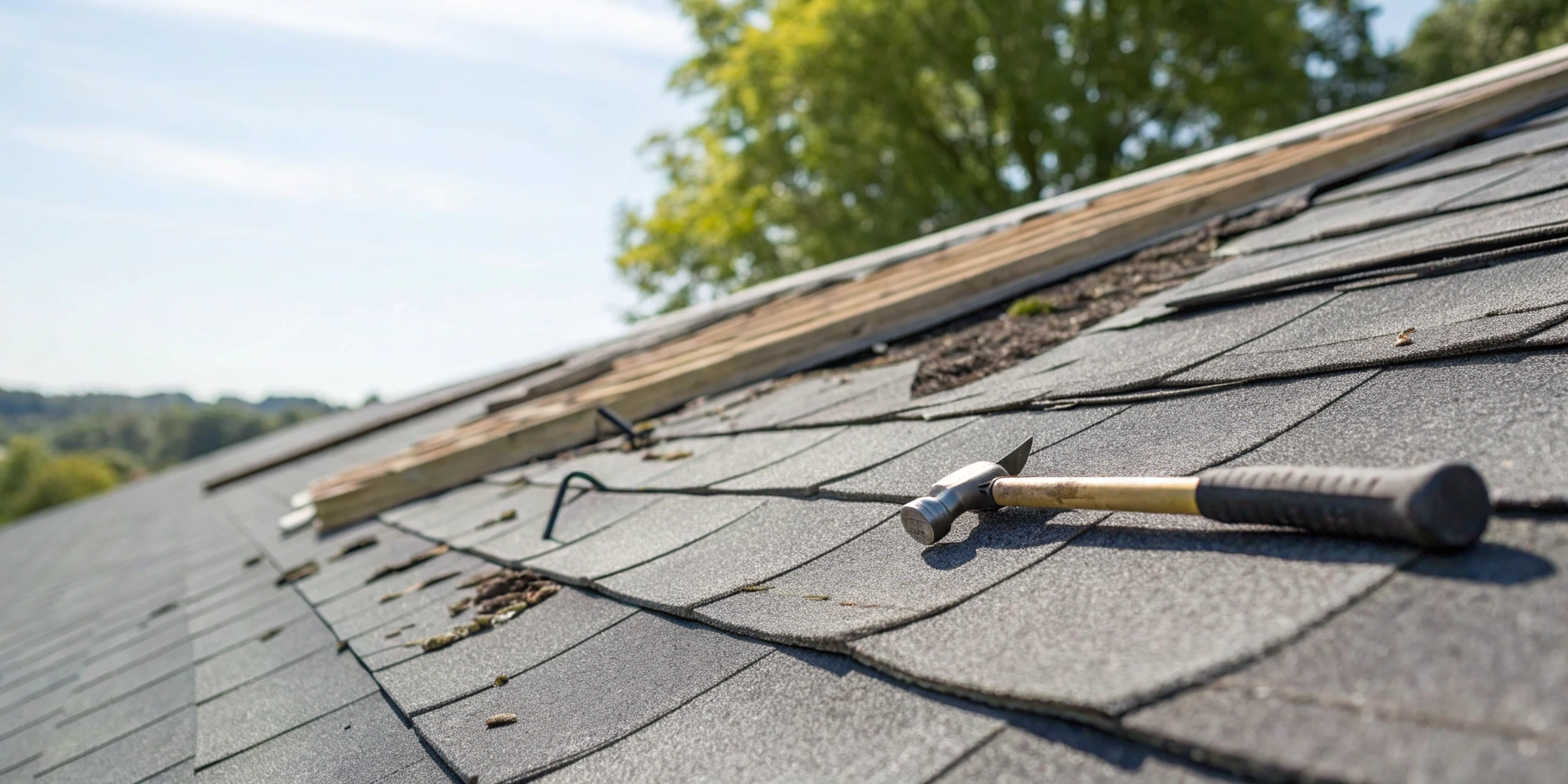
Take a look at your roof from the street. Do you see any shingles that are cracked, curling at the edges, or missing altogether? Sun, wind, and hail can wear down shingles over time, leaving your roof vulnerable. Each damaged shingle is a weak spot where water can seep underneath and damage the roof deck. This can lead to rotting wood and leaks inside your home. While replacing a few shingles might seem like a simple fix, it’s often a sign of a more widespread issue. If your shingles are showing their age, it might be time to consider a roof repair to keep your home protected.
3. Clogged Gutters
It’s easy to forget about your gutters, but they play a crucial role in your roofing system. When gutters get clogged with leaves, twigs, and other debris, water can’t drain properly. Instead, it backs up and spills over the sides, potentially seeping under your shingles and into your home. This overflow can also damage your roof’s edge and even your home’s foundation over time. Keeping your gutters clean is one of the simplest and most effective ways to prevent water damage. Regular roof maintenance should always include a thorough gutter check to ensure water is flowing freely away from your house.
4. Faulty Flashing
Flashing is the thin metal material installed around chimneys, vents, and skylights to direct water away from these critical areas. When flashing is old, rusted, or was installed incorrectly, it can crack or pull away from the roof. This creates a direct entry point for water, leading to leaks in some of the most vulnerable spots. Since flashing is a key component in keeping your roof watertight, any signs of damage should be addressed immediately. A professional can assess whether the flashing needs a simple repair or a full replacement to ensure those weak spots are properly sealed and protected from the elements.
5. Poor Ventilation
A healthy roof needs to breathe. Proper ventilation allows air to flow through your attic, preventing heat and moisture from building up. Without it, trapped moisture can lead to mold and mildew, while excessive heat can bake your shingles from the inside out, drastically shortening their lifespan. In colder weather, poor ventilation can contribute to the formation of ice dams, which cause water to back up under your shingles. Ensuring your attic has good airflow is essential for the longevity of your entire roofing system. An expert can check your ventilation during a roof certification to make sure your roof can handle temperature and moisture changes effectively.
What Causes These Problems?
Most roofing issues don’t just appear out of nowhere. They’re usually the result of a few key culprits working together over time. Understanding what causes problems like leaks, missing shingles, and water damage is the first step toward preventing them. From the relentless sun and seasonal winds to the quality of the initial installation, several factors determine how well your roof holds up. By knowing what to watch for, you can protect your home and avoid costly surprises down the road.
How Weather and Age Affect Your Roof
Your roof is your home’s first line of defense against the elements, and in Southern California, that means constant exposure to intense UV rays, occasional heavy rains, and strong Santa Ana winds. Over the years, the sun can cause shingles to become brittle and crack, while wind can lift them, breaking their seals. Even a roof that looks fine can weaken with age, making it more vulnerable to damage. Just like anything else, roofing materials have a lifespan. As your roof gets older, it naturally becomes less effective at keeping water out, which is why addressing wear and tear is so important for extending its life.
The Impact of Poor Installation
You can invest in the best materials on the market, but they won’t perform well if they aren’t installed correctly. A rushed or improper installation is one of the fastest ways to a failing roof. Cutting corners can lead to improperly fastened shingles, poorly sealed flashing, and inadequate ventilation—all of which can cause leaks and other issues almost immediately. Choosing a roofing company that prioritizes quality work is critical. A poor installation not only leads to more problems but can also cost you more in the long run when you have to pay for a second team to fix the first one’s mistakes.
Why Regular Maintenance Matters
Ignoring your roof until there’s a visible leak is a recipe for expensive trouble. Small issues, like a few cracked shingles or a small buildup of debris in a gutter, can quickly escalate into major problems that affect your home’s entire structure. Regular checks and preventative care can save you a lot of money and stress. Catching problems early is the key. A proactive approach, including scheduling a professional roof inspection, helps you address minor repairs before they turn into a full-blown crisis, ensuring your roof remains in great shape for years to come.
How to Spot Trouble Early
You don’t need to be a roofing expert to know when something is off. Catching issues early can save you a lot of stress and money down the road, turning a potential crisis into a manageable repair. The best way to stay ahead of problems is to know what to look for. A quick visual check a few times a year can make all the difference. Think of it as a regular health check-up for your home’s most important protector. By paying attention to the subtle clues your house gives you—both outside and inside—you can identify trouble spots before they escalate. From the shingles on top to the ceiling in your living room, your home will tell you when it needs help. All you have to do is listen and look.
What to Look For on the Outside
The easiest way to check your roof is safely from the ground. Grab a pair of binoculars and take a slow walk around your property, ideally once in the spring and again in the fall. Scan the roof for shingles that are cracked, curling at the edges, or missing entirely. Pay close attention to the areas around chimneys, vents, and skylights. The metal strips there, called flashing, are a common source of leaks if they become damaged or loose. Also, look for any sagging spots, which could indicate a structural issue, or dark streaks that might signal algae growth. If you spot anything that concerns you, it’s a good time to schedule a professional inspection.
Signs of Damage Inside Your Home
Sometimes, the first sign of a roof problem appears inside your house. Keep an eye out for water stains on your ceilings or walls, which often look like brownish rings. Peeling or bubbling paint, especially near the ceiling, is another red flag that moisture is getting in. On a sunny day, head up to your attic (if you have one) and turn off the lights. If you see any slivers of daylight coming through the roof boards, you have a problem that needs immediate attention. A small leak can quickly lead to significant water damage and create the perfect environment for mold, so it’s always best to address these signs with a prompt roof repair.
Checking Your Attic for Red Flags
Your attic is a great place to find early warnings of roof trouble. Beyond looking for leaks, pay attention to the ventilation. A properly ventilated attic helps regulate temperature and moisture, preventing ice dams in the winter and reducing cooling costs in the summer. If your attic feels unusually hot or damp, it could mean your ventilation system isn’t working correctly. Poor airflow traps moisture, which can lead to rot in the roof decking and mold growth. Make sure vents aren’t blocked by insulation or storage boxes. A healthy roof system is about more than just shingles, and ensuring everything is working together is key to passing a certified inspection.
How to Fix Common Roofing Issues
Once you’ve identified a potential problem with your roof, the next step is figuring out the right fix. While some small tasks might feel manageable, most roofing work is best left to the pros for your own safety and to ensure the job is done right. Acting quickly is the most important thing you can do. A small issue today can easily become a major, expensive headache if ignored. Addressing problems as they arise protects your home from further damage and saves you money in the long run.
Whether it’s a single missing shingle or a mysterious water spot on your ceiling, a swift and effective solution is key. Below, we’ll walk through the best approaches for tackling the most common roofing issues. Remember, a well-maintained roof is the best defense for everything underneath it, so giving it the attention it needs is always a smart investment. If you ever feel unsure about a repair, a professional roofing service can provide a safe and reliable solution.
Stopping Leaks in Their Tracks
That tell-tale drip or water stain on the ceiling is a clear sign you need to act fast. The first step is to minimize interior damage by placing a bucket under the leak. The real challenge, however, is finding the source. Water can travel along rafters and insulation, meaning the spot where it enters your home might be far from the actual breach in your roof.
Leaks can lead to serious problems like rotted wood, damaged drywall, and harmful mold growth. While you might be tempted to patch the area yourself, a lasting fix requires a professional eye. An expert can accurately trace the leak back to its origin point on the roof and perform a durable roof repair that prevents future water intrusion.
Replacing Damaged Shingles
Your shingles are your roof’s first line of defense against the elements, but they can take a beating over time. Strong winds, falling branches, or even just age can cause shingles to crack, curl, or fly off completely. A missing or damaged shingle is like an open door for water, exposing the sensitive underlayment and creating a prime spot for leaks to start.
If you spot just one or two damaged shingles, it’s a relatively straightforward fix. The key is to ensure the replacement shingle matches your existing ones and is installed correctly to maintain a watertight seal. If you notice widespread damage or find lots of shingle granules in your gutters, it could be a sign that your roof is nearing the end of its life and may need a more comprehensive solution.
Clearing Gutters and Improving Drainage
It’s easy to forget about your gutters, but they play a vital role in your roof’s health. Their job is to collect rainwater and channel it safely away from your home’s foundation. When gutters get clogged with leaves, twigs, and other debris, water has nowhere to go. It can pool along the edge of your roof, seeping under shingles and causing rot, mold, and fascia board damage.
The fix is simple but essential: keep your gutters clean. You should inspect and clear them at least twice a year, especially in the fall and after heavy storms. Make sure your downspouts are also clear and directing water several feet away from your house. Consistent roof maintenance is the best way to prevent water backup and protect both your roof and foundation.
Repairing or Replacing Flashing
Flashing consists of thin pieces of metal installed around chimneys, vents, and skylights—anywhere the roof plane is interrupted. Its purpose is to create a waterproof barrier in these highly vulnerable areas. Over time, flashing can corrode, come loose, or be damaged by weather. When flashing fails, it creates a direct path for water to get into your attic and home.
Because installing flashing correctly is a precise job, repairs are usually best left to a professional. An expert can assess whether the existing flashing can be resealed or if it needs to be replaced entirely. A thorough roof inspection will always include checking the condition of your flashing to catch potential problems before they cause significant water damage.
Improving Your Roof’s Ventilation
A roof needs to breathe to stay healthy. Proper attic ventilation allows hot, moist air to escape, which regulates temperature and prevents moisture buildup. Without it, that trapped heat can bake your shingles from below in the summer, causing them to age prematurely. In the winter, the warm, moist air can lead to condensation, which promotes mold growth and can cause the roof deck to rot.
Improving ventilation often involves ensuring your soffit, ridge, and gable vents are unobstructed and appropriately sized for your attic space. A professional can evaluate your current system and recommend solutions, such as adding more vents, to create balanced airflow. This simple improvement can extend the life of your roof and make your home more energy-efficient.
What Happens If You Wait to Make Repairs?
It’s tempting to put a small roof issue on the back burner. A missing shingle or a minor stain on the ceiling can seem like a problem for another day. But when it comes to your roof, waiting is one of the riskiest things you can do. Ignoring small roof problems can quickly turn them into much larger, more expensive issues that affect the safety and structure of your entire home. What starts as a simple fix can spiral into a major renovation project, impacting your home, your health, and your wallet.
The Risk of Structural Damage
That tiny leak you’ve noticed isn’t just an annoyance; it’s a threat to your home’s framework. As water seeps past your shingles, it soaks into the underlying wood sheathing, rafters, and ceiling joists. Over time, this constant moisture causes the wood to rot and weaken, compromising the structural integrity of your roof and even your home’s walls. What could have been a straightforward repair can become a complex and costly project. Addressing damage early with professional roofing services is the best way to protect your home’s foundation and avoid these serious structural problems down the line.
How Mold Growth Affects Your Health
Where there’s persistent moisture, mold is sure to follow. A leaky roof creates the perfect damp, dark environment in your attic and behind your walls for mold and mildew to thrive. These fungi don’t just cause unsightly stains and musty odors; they release spores into the air that can be harmful to your family’s health. Exposure can trigger allergic reactions, asthma attacks, and other respiratory problems. Leaks can damage the inside of your home and cause mold, which is bad for your health. A thorough roof inspection can identify hidden moisture spots before they become a serious health hazard.
Why Procrastinating Costs You More
Putting off a roof repair is a guaranteed way to pay more later. Fixing roof problems early can stop bigger, more expensive damage from happening. A simple shingle replacement is affordable, but waiting until water has damaged your insulation, drywall, and electrical systems turns a small expense into a major financial headache. Waterlogged insulation also loses its effectiveness, leading to higher energy bills as your HVAC system works harder to heat and cool your home. Getting a roof certification can give you a clear picture of your roof’s condition, helping you make small, affordable repairs now to prevent a budget-breaking disaster later.
How to Prevent Roofing Problems Before They Start
The best way to deal with roofing problems is to stop them from happening in the first place. A proactive approach not only extends the life of your roof but also saves you from the stress and expense of emergency repairs. By paying a little attention to your roof throughout the year, you can protect your home and your wallet. Think of it as simple preventative care for one of your home’s most important assets. These straightforward habits can make a huge difference in keeping your roof strong, secure, and leak-free for years to come.
Your Essential Maintenance Checklist
Keeping your roof in top shape doesn’t have to be complicated. A simple maintenance checklist can help you stay on track. Start by clearing your gutters and downspouts at least twice a year, especially in the fall. Clogged gutters cause water to back up under your shingles, leading to rot and leaks. Next, take a look at the trees around your home. You’ll want to trim any branches that are hanging over or rubbing against your roof, as they can scrape away the protective granules on your shingles. Finally, make a habit of visually inspecting your roof from the ground after major storms to spot any obvious signs of damage, like missing shingles or loose flashing.
The Importance of Professional Inspections
While your own visual checks are helpful, they can’t replace the trained eye of an expert. A professional can safely get on your roof to spot subtle signs of trouble you might miss from the ground, like cracked sealant, hidden soft spots, or granule loss. Hiring an experienced professional for a roof inspection at least once a year is one of the smartest investments you can make in your home. They can identify potential issues before they become costly disasters. This is especially important because improper installation is a leading cause of premature roof failure, and a certified inspector can verify that the work was done correctly from the start.
Why Quality Materials Matter
The materials used on your roof are your home’s first line of defense against the elements. Choosing high-quality shingles, underlayment, and flashing directly impacts how long your roof will last and how well it can withstand sun, wind, and rain. While it might be tempting to save money with cheaper options, lower-grade materials often degrade faster, leading to more frequent repairs and an earlier replacement. Great materials must be paired with expert installation to be effective. A properly installed roof ensures every component works together to create a watertight seal, preventing the kinds of leaks and damage that can happen when corners are cut.
Create a Simple Roof Care Schedule
Consistency is key to preventing major roofing issues. Creating a simple schedule helps make roof care a manageable part of your home maintenance routine. Plan to clean your gutters every spring and fall. Schedule tree trimming for late fall or winter when trees are dormant. After any significant storm, take a few minutes to walk around your property and look for any visible damage. Most importantly, book a professional roof maintenance check-up once a year, ideally in the spring or fall before the harshest weather hits. Sticking to a simple schedule like this helps you catch small problems early, saving you a significant amount of money and hassle down the road.
When to Call a Professional Roofer
While it’s tempting to tackle home repairs yourself, the roof is one area where a DIY approach can backfire. Knowing when to step back and call in a professional is key to protecting your home and your wallet. Some issues are clear emergencies, while others are subtle signs that only a trained eye can spot. A professional roofer not only fixes the immediate problem but also ensures the repair is done correctly and safely, preventing small issues from turning into major structural damage. They have the right tools, materials, and expertise to handle anything your roof throws at them, from minor leaks to major storm damage.
Signs You Need an Expert—Now
Some roofing problems are too big or too risky to handle on your own. If you notice any of these warning signs, it’s time to call a professional right away. Look for extensive water damage, like stains on your ceiling, or large patches of missing or curled shingles after a storm. A sagging roof is another major red flag that points to structural issues. Don’t wait on these problems—the longer you delay, the more complex and costly the damage becomes. Getting expert roofing services quickly is the best way to protect your home from further harm and ensure repairs are done safely and correctly.
The Peace of Mind from a Certified Inspection
Even if you don’t see obvious damage, scheduling regular check-ups is one of the smartest things you can do for your home. A professional roof inspection can uncover hidden issues before they escalate into expensive emergencies. Think of it as a wellness visit for your roof. A certified inspector will thoroughly assess every component, from the shingles and flashing to the underlying structure, giving you a clear picture of your roof’s health. This proactive approach not only extends the life of your roof but also gives you incredible peace of mind, knowing your home is secure and protected from the elements.
Related Articles
- 10 Warning Signs of a Roof Leak You Should Never Ignore – Cert-A-Roof Roof Inspections
- The Best Roofing Materials for Every Climate and Budget – Cert-A-Roof Roof Inspections
- Roof Inspection for Homeowners Insurance: What to Expect – Cert-A-Roof Roof Inspections
- Re-Roofing & Replacement – Cert-A-Roof Roof Inspections
Frequently Asked Questions
How often should I have my roof professionally inspected? A good rule of thumb is to schedule a professional inspection once a year. An annual check-up allows an expert to catch subtle issues like cracked sealant or minor flashing problems before they turn into major leaks. If your area has recently experienced a severe storm with high winds or hail, it’s also wise to book an inspection, even if your roof is new, just to be safe.
My roof is only a few years old but I’m seeing problems. What could be the cause? It’s frustrating when a newer roof shows signs of trouble, and the most common reason is often poor installation. If shingles weren’t properly secured or flashing wasn’t sealed correctly from the start, problems can appear much sooner than expected. Severe weather can also cause premature damage. A professional can help determine the exact cause and recommend the right fix.
I see a water stain on my ceiling. Does that automatically mean I need a whole new roof? Not at all. A single water stain is a clear sign that you have a leak that needs immediate attention, but it doesn’t automatically mean your entire roof has failed. The source could be a small issue, like a cracked shingle or faulty flashing around a vent. A professional can trace the leak to its origin and often fix it with a targeted repair, saving you from the cost of a full replacement.
What are those black streaks on my shingles, and should I be worried? Those dark streaks are typically a type of algae called Gloeocapsa magma. While it’s mostly a cosmetic issue that can make your roof look old and dirty, you shouldn’t ignore it. Over time, the algae can feed on the limestone filler in your shingles, which can eventually weaken their integrity and ability to reflect sunlight. A professional cleaning can safely remove the streaks and restore your roof’s appearance.
Can I just clean my own gutters and replace a shingle myself? While cleaning gutters is a task some homeowners feel comfortable with, any repair that involves getting on the roof is best left to a professional. Roofing work can be dangerous without the proper safety equipment and training. Furthermore, an improper shingle replacement can do more harm than good, potentially voiding your roof’s warranty and failing to create a watertight seal, which leads to the very leaks you’re trying to prevent.
Comment (0)